REVIEW · DHOBI GHAT TOURS
Dhobi Ghat Tour
Book on GetYourGuide →Operated by Mumbai Dream Tours · Bookable on GetYourGuide
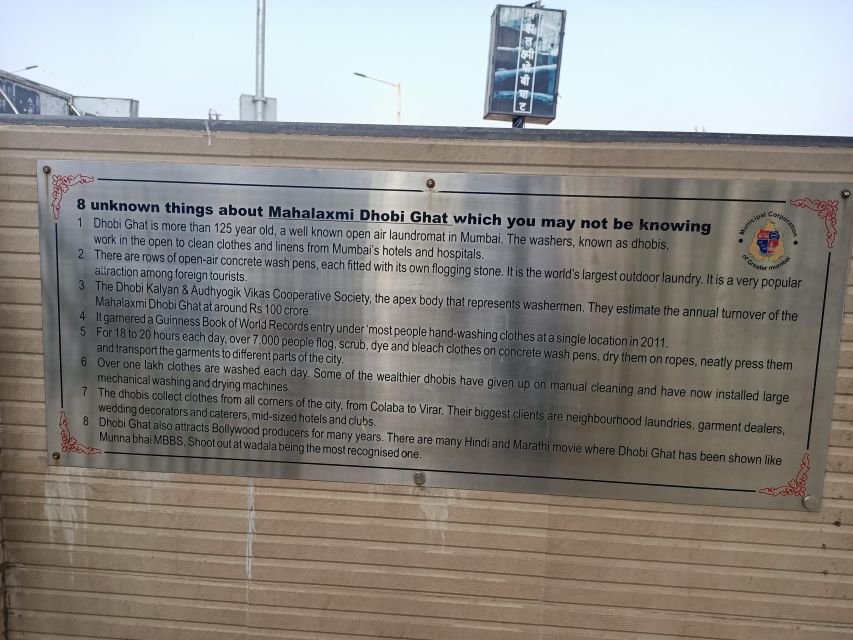
A laundry line can tell a story. At Mahalaxmi Dhobi Ghat, you get a guided look at Mumbai’s biggest open-air laundry, where families of dhobis keep the city’s washing cycle moving by hand, not machines. I love how fast you understand the rhythm of the place—dirty clothes arrive, then the work rolls through steps like a well-practiced routine.
I also like the people-focused feel: you’ll hear about the daily grind and the practical tricks of the job, and you might even get a small moment of human connection, like time spent with kids playing marbles at the edges of the work. One possible drawback: the tour is short (about 30 minutes), and it can feel even shorter in some cases, so if you want deep, slow storytelling, you may want to plan extra time on your own outside the guided portion.
In This Review
- Key points worth your attention
- Entering Mahalaxmi Dhobi Ghat: a working laundry, not a museum
- The 8:00 a.m. timing that makes the tour click
- What the 30-minute guided walk actually shows you
- The manual workflow: why it’s so satisfying to watch
- Meet the dhobis: stories, humor, and real work habits
- Photography and the colorful clothesline effect (with rules you must follow)
- Price and value: what $11 buys you in Mumbai terms
- Tea break and pacing: small details that change the mood
- Who should book this Dhobi Ghat tour
- Should you book the Dhobi Ghat Tour?
- FAQ
- Where is the meeting point for the Dhobi Ghat tour?
- How long is the tour?
- What time is best to start?
- What’s included in the $11 ticket price?
- Is photography allowed?
- Is the tour language English?
Key points worth your attention
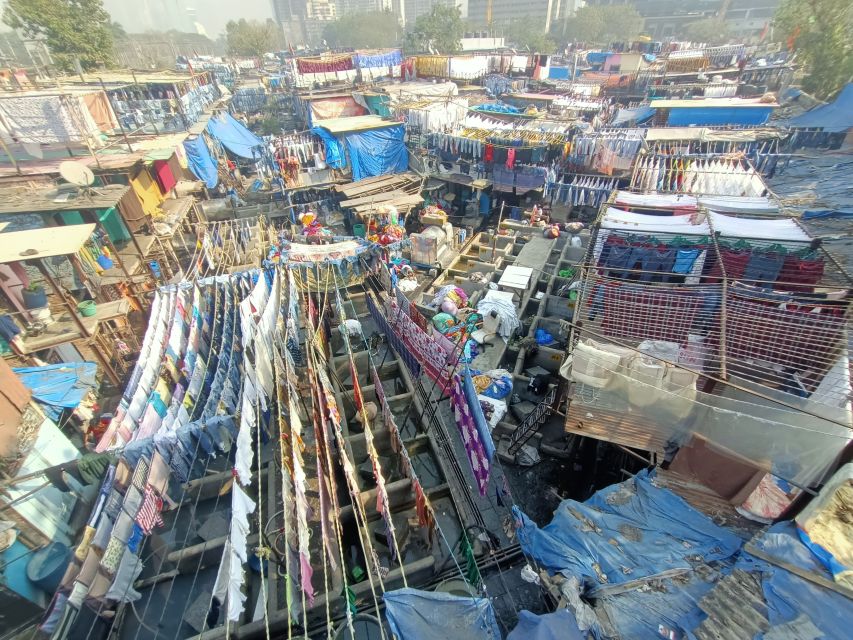
- Mahalaxmi Dhobi Ghat is open-air and still mostly manual, so you see real work, not a staged performance
- You’ll watch the workflow: sorting by colors/types, beating stains, drying on lines, and ironing with bulky charcoal irons
- There’s a hospital section where infected items are handled separately and washed after boiling water
- Guides can be real characters—people like Havat and Hardik Tank are noted for humor, warmth, and preparation
- Photography is restricted inside, so go ready to observe first, shoot second
Entering Mahalaxmi Dhobi Ghat: a working laundry, not a museum

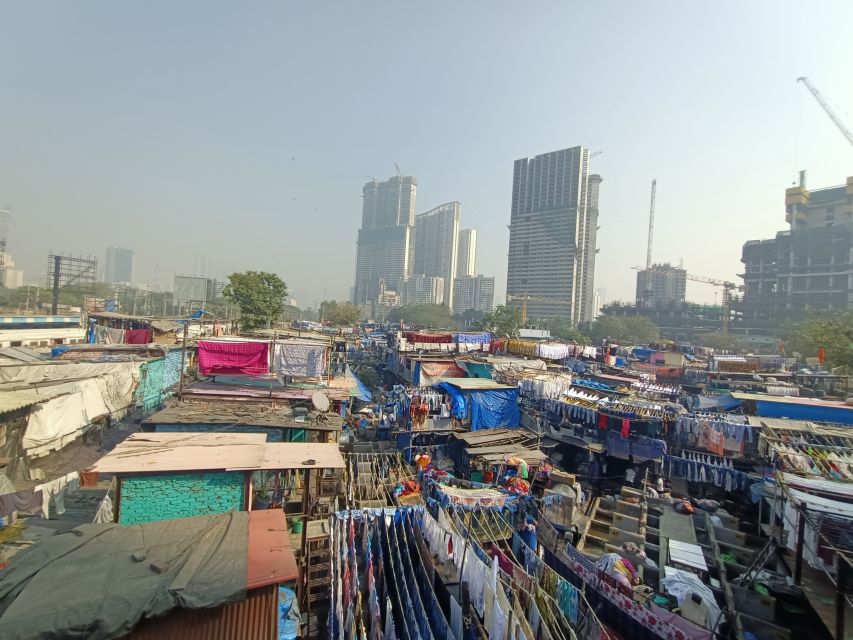
Mahalaxmi Dhobi Ghat is one of those places where your brain has to recalibrate. You’re not walking through an attraction behind ropes. You’re looking at an operating system: hundreds of washermen and women (dhobis) processing laundry from across Mumbai, day after day, for over a century.
This matters because you don’t just see where clothes go. You learn why the system exists. Laundry in Mumbai isn’t a single task. It’s a chain of jobs—separation, washing, rinsing, drying, ironing, and delivery—handled by different people in different roles. That’s what makes the whole experience so compelling. It feels like watching a human-powered factory, even though the tools are simple and the pace stays practical.
The tour meeting setup is also straightforward. Your guide meets you at the viewpoint at Dhobi Ghat and you return to that same spot at the end. Translation: you’re not trying to find hidden doors or guess your way around. You show up, get oriented, and then you focus on what’s happening in front of you.
You can also read our reviews of more tours and experiences in Mumbai.


The 8:00 a.m. timing that makes the tour click
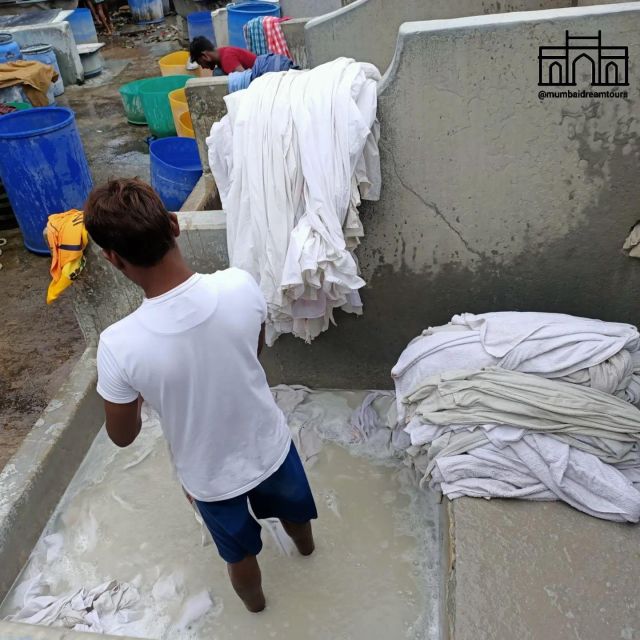
The tour notes call out morning as the best start—8 a.m. is highlighted. That’s not just a convenience tip. It changes the feel of the place. You tend to catch more of the flow while the day’s laundry rhythm is already underway.
Also, remember this is an open-air laundry. Light and heat will shape your comfort, and morning is usually easier than mid-day. If you’re planning only one short window at Dhobi Ghat, give yourself that best-hour advantage instead of treating it like an add-on you’ll fit whenever.
If you’re sensitive to crowds or smells, plan your mindset too. The site has an all-day mix of washing activity and the scent of laundry chemicals. You can’t make it scent-free, and you shouldn’t try to pretend it will be. What you can do is stay curious, expect it, and keep your questions ready for the guide.
What the 30-minute guided walk actually shows you

The tour is listed as about 30 minutes, and that short format is part of the deal. You’re getting a guided highlight reel of an enormous working facility. Your guide explains the history and significance of the Dhobi Ghat while you watch key stages of the washing process.
Here’s what you should plan to see as the tour moves through the main areas:
- Laundry sorting in action: one dhobi sorts the clothes by color and type. That single step tells you the whole logic of laundry here is organized by fabric needs, not guesswork.
- Beating and stain removal: another worker beats the clothes in the washing troughs. It’s physical work, repetitive, and strangely hypnotic once you realize how much the early steps affect the final result.
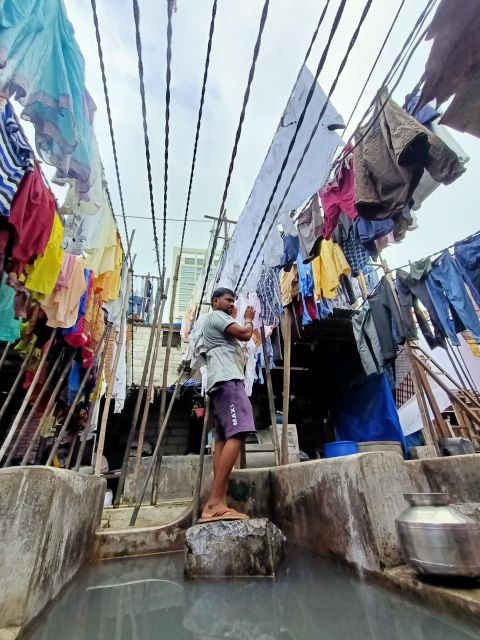
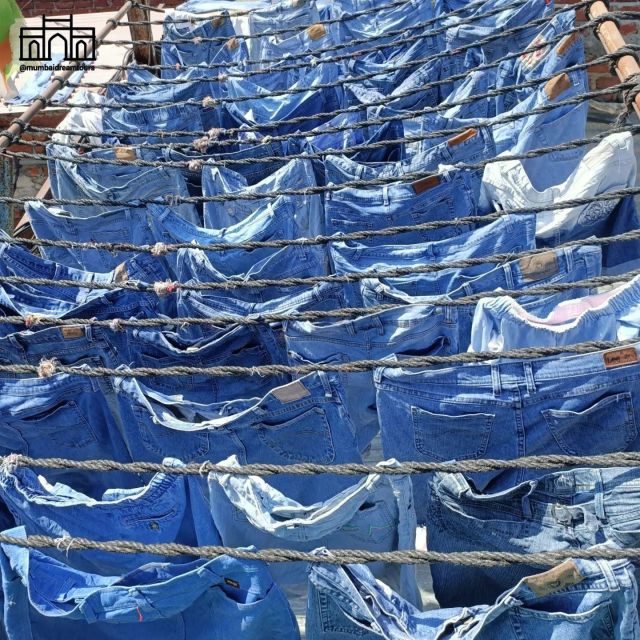
- Drying on clotheslines: you’ll see garments hung out to dry across organized stretches. Lines of fabric become part of the visual identity of the place.
- Ironing with charcoal irons: bulky irons are used to press the clothes before delivery. This is one of the most distinctive images you’ll carry home—steam, weight, and focused effort all in one routine.
And there are separate sections for special needs. The tour information calls out areas used to boil water and wash infected clothes from hospitals. That segregation is one of the reasons the Dhobi Ghat system feels both traditional and intensely practical. You’re not seeing random laundry. You’re seeing a setup designed to handle different categories of items safely.
At the end, you return to the meeting viewpoint. Keep your expectations aligned: this is a fast guided look at a large place, not a long sit-down class.
The manual workflow: why it’s so satisfying to watch
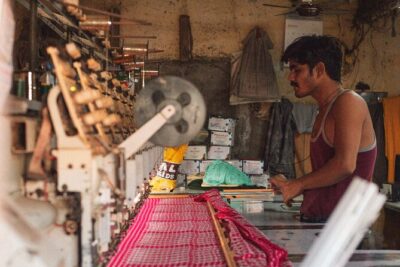
I love watching how manual work gets broken into repeatable roles. At Dhobi Ghat, that’s exactly what happens. Families divide tasks so each person knows their part, and everyone’s work feeds the next step.
One worker sorts. Another works the troughs. Someone hangs laundry to dry. Another section irons. And then porters and carriers keep the flow going by bringing new loads of dirty clothes in, day after day.
That ongoing cycle is a big part of the charm, but it’s also the point. This isn’t just a historical curiosity. It’s still functioning at city scale. The fact that much of it is handled by hand shows you the durability of the system and the skill built over generations.
Here are a few practical takeaways you might notice while you’re watching:
- Sorting isn’t a small detail. It’s what helps prevent mix-ups and supports appropriate washing for different fabrics.
- Early beating helps shift stains before the drying and ironing steps. That’s why it happens before garments leave the trough area.
- Drying and ironing are not separate chores here—they’re the visible finishing steps that turn washed fabric into crisp deliverables.
If you’re the kind of person who likes how things are made—how bread gets baked, how textiles get finished—this tour will feel oddly satisfying. You’ll start looking at laundry as a workflow, not a chore.
Meet the dhobis: stories, humor, and real work habits
A lot of the value here comes from the human side. The tour is explicitly set up as a guided experience, with the English-speaking guide explaining the life of washermen and women and the significance of the site.
In particular, the guide interaction can make the place feel personal. One guide described in the available details is Havat, a character with a great sense of humor who has lived and worked at Dhobi Ghat all his life. Another guide named Hardik Tank is described as gentle, helpful, and well prepared. If your guide is someone like that, you’ll get more than just facts. You’ll get a sense of how the work fits into daily life.
You may also pick up small practical points. The tour description notes that you can learn about daily struggles at work and get helpful washing tips you can take home. Even if you don’t plan to wash your own clothes the same way, it’s useful to understand the logic behind the method—why steps are ordered the way they are.
And there’s a human pause if the moment is right. The tour info notes that you might interact with kids around the work area and that games like marbles can happen. Those brief interactions don’t turn it into a charity event. They just remind you this is a community workspace where families exist alongside the job.





Photography and the colorful clothesline effect (with rules you must follow)

Dhobi Ghat is a photographer’s playground on the visual level. Colorful drying rows, faces visible behind water splashes, and the motion of porters loading cloth—those are the kinds of scenes that look great in the moment.
But you need to know the rule: no photography inside is stated as an important restriction. So keep your camera behavior respectful. Focus on watching first. If you want photos, rely on your guide’s guidance about what’s allowed and avoid stepping into active work areas.
One thing you can do right away: look for the clothing lines and the overall patterns. Even without inside shots, the arrangement of garments on lines creates visual rhythm across the space. If you’re shooting, treat it like street photography with boundaries—stand where you’re supposed to, frame what you see from the permitted areas, and don’t block anyone’s work.
Also, keep your expectations realistic. If your goal is a lot of detailed close-ups inside the activity, this tour won’t be that kind of experience. It’s built for observation with a guide, not a free photo shoot.
Price and value: what $11 buys you in Mumbai terms
The price listed is $11 per person, which sounds like a bargain because it is: entry tickets are included, an English-speaking guide is included, and tea is included too.
Value here is about three things:
- Access with context: you’re not just standing outside watching laundry happen. You’re learning the history and workflow while you observe.
- A time-efficient format: at roughly 30 minutes, it’s easy to fit into a busy day in Mumbai.
- Included comfort: the tea helps make a short morning activity feel more complete.
That said, there’s one consideration. One experience described in the available details mentions the visit taking around 8 minutes instead of 30. That doesn’t mean it will happen to you, but it tells you the guided portion can vary. If you’re the type who dislikes rushed tours, show up with patience, and plan a little buffer time in your day so you don’t feel cheated if the guided segment feels brief.
Tea break and pacing: small details that change the mood

The tea being included might sound like a throw-in, but for a place like this, it matters. Your senses can get overwhelmed by motion, sound, and smell. Having a quick pause helps you process what you just saw.
Pacing also matters. Dhobi Ghat is active, so you won’t enjoy it like a quiet gallery. Instead, enjoy it like you would a workshop: look, follow the guide’s explanations, watch how tasks pass from one role to another, then accept that the action continues whether you’re ready or not.
If you’re going expecting a slow, calm walking tour, you may find the experience more intense. But if you’re curious about working life in Mumbai, the pacing is part of the authenticity.
Who should book this Dhobi Ghat tour
This tour is a great fit if you:
- Like authentic, working places where locals do real jobs
- Want a fast, guided way to understand how a major part of Mumbai’s laundry system works
- Enjoy people stories and practical explanation, not just scenic views
- Appreciate photography opportunities, as long as you respect the no photography inside rule
It may be less ideal if you want:
- Long deep storytelling or extended time in the working sections
- A photo-first experience with lots of close-range shooting inside
- A totally quiet visit (open-air work means constant activity)
Should you book the Dhobi Ghat Tour?
I’d book this if you want a short, low-cost way to see how Mumbai’s daily life runs underneath the sightseeing surface. For $11, you get entry, an English-speaking guide, and tea, plus a clear window into a system that’s been operating for over a century.
I’d think twice if you’re very photo-driven and plan to take lots of inside shots, or if you need a guaranteed long guided visit. In that case, schedule extra time around your tour so you’re not relying only on the guide’s portion.
If your schedule is flexible, the option to reserve & pay later can also make it easier to slot in without stress. Pick a morning time, show up ready to observe, and let the workflow do what it does best: turn ordinary laundry into a real story of work, community, and skill.
FAQ
Where is the meeting point for the Dhobi Ghat tour?
Your guide meets you at the viewpoint of Dhobi Ghat. The meeting point address is listed as 26-40, Anandilal P Marg, Dhobi Ghat, Shanti Nagar, Mahalaxmi, Mumbai, Maharashtra 400020.
How long is the tour?
The tour duration is listed as about 30 minutes.
What time is best to start?
The tour info says morning 8 a.m. is the best time to begin.
What’s included in the $11 ticket price?
The ticket includes entry tickets, an English-speaking guide, and tea.
Is photography allowed?
Photography inside is not allowed.
Is the tour language English?
Yes, the guide is English-speaking.