REVIEW · COOKING CLASSES
Private Maharashtrian Cooking Class in Mumbai with a Local Family
Book on Viator →Operated by Traveling Spoon · Bookable on Viator
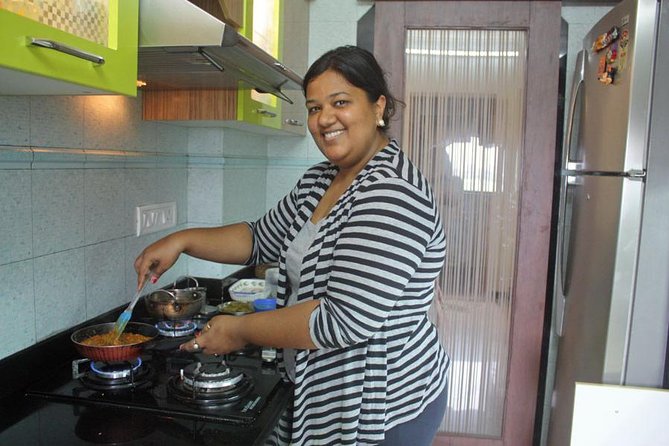
A Mumbai home kitchen beats restaurants. In a private class with Rupa and a local family, you learn two Maharashtrian dishes while picking up how the flavors are built—ingredients, homemade spices, and family-style cooking. I especially love the hands-on focus and the fact that you’re cooking niche regional food in a normal home setting, not a demo theater. The other big win is the meal that follows, since you get to eat what you cooked right there. The main drawback to plan around is that there’s no hotel pickup, and you’ll start at Shell Colony, Sahakar Nagar, Kurla.
If you choose the market option, you also get a guided trip to the Chembur fish market, which helps you understand what locals buy and why it tastes the way it does. Rupa has been hosting friends, family, and strangers for over 2 decades, and the class is built for a comfortable, conversation-filled flow. And yes, it can be vegetarian if you ask in advance, with the menu adjusting by season and what’s available.
In This Review
- Key highlights before you go
- Why this Mumbai cooking class feels different than most
- Getting to Shell Colony (and why it’s not hard)
- Market tour option: Chembur fish market in plain focus
- The hands-on cooking: two dishes, real skills
- Dishes that might appear in your class
- What you’re actually learning
- Spice, thecha, and the snack-style rhythm of the meal
- Vegetarian options: how you should think about it
- Desert and paan: the ending isn’t an afterthought
- Price and value: what $64 buys you in real terms
- Who should book this class (and who might skip it)
- What to tell your host before you arrive
- Should you book the Private Maharashtrian Cooking Class with a Local Family?
- FAQ
- How long is the cooking class in Mumbai?
- Is this experience private?
- Where do we meet for the class?
- Is hotel pickup included?
- What will I cook during the class?
- Can the host accommodate a vegetarian diet?
- Is there an optional market tour?
- What’s included in the price?
- Does the menu stay the same every time?
Key highlights before you go
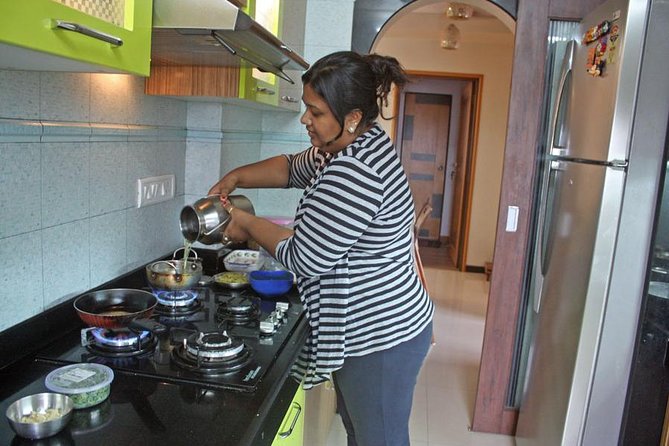
- Private, just-your-group cooking in a real Mumbai home
- Two regional Maharashtrian dishes plus a full homecooked meal
- Homemade spices and local ingredients taught in practical steps
- Optional Chembur fish market tour for fresh ingredient context
- Vegetarian-friendly by request through advance notice
- Seasonal menu swaps so you cook what makes sense right now
Why this Mumbai cooking class feels different than most
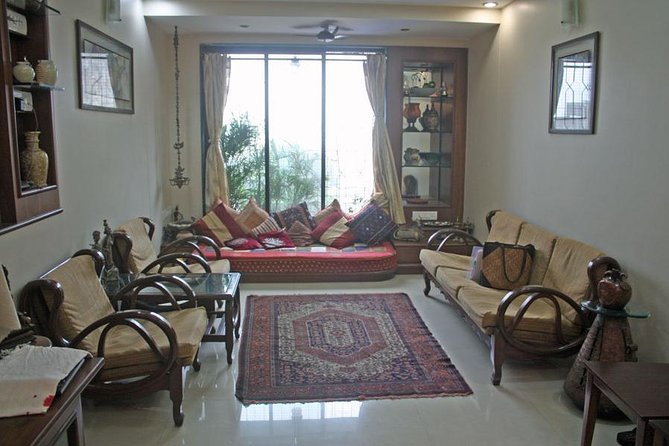
This isn’t a quick sightseeing add-on. It’s a kitchen session where the point is learning how Maharashtrian food actually comes together—spice by spice, technique by technique, and then eating it immediately in the same cozy setting.
What makes it especially interesting is the focus on regional variation. You might cook dishes connected to traditions like Pathare Prabhu, CKP (Chandraseniya Kayastha Prabhu), or Goan influences described in the class themes. For me, that matters because Indian food changes street by street and family by family, and this experience treats that as the main story.
You’ll also notice the mood. The class is designed to feel warm and intimate, the kind where questions are welcome and people are ready to share what they know. That’s part of why home-chef names like Reshma and Shilpa show up in recent experiences—this style of hosting is the point, not an accident.
You can also read our reviews of more private tours in Mumbai



Getting to Shell Colony (and why it’s not hard)
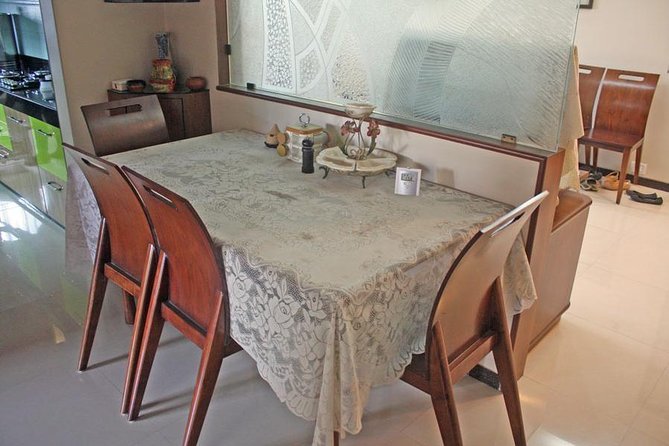
The meeting point is Shell Colony, Sahakar Nagar, Kurla, Mumbai, and the tour ends back there. No hotel pickup is included, so you’ll want to plan your own route. The good news: it’s near public transportation, so you’re not stuck arranging something complicated.
It’s also close to NMACC Mumbai—about 20 minutes by car or auto—so if you’re staying around that area, this can work neatly as an evening activity. When you choose to go, pick a time when you won’t be rushing. Arriving calm helps you enjoy the first part of the experience instead of thinking about your next stop.
Market tour option: Chembur fish market in plain focus
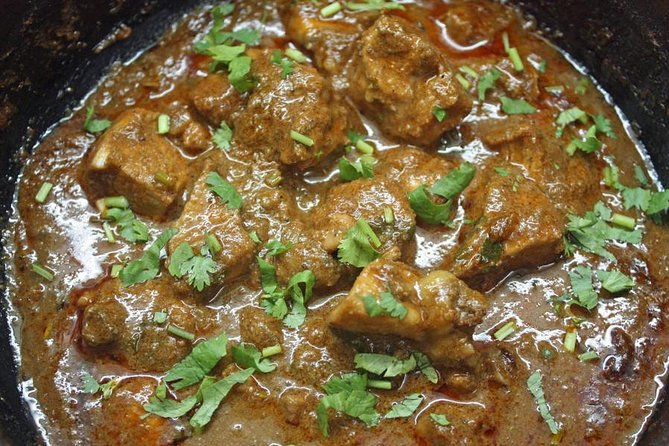
If you select the market tour, you drive with the host to the Chembur fish market for a guided visit. You meet at the apartment, then go out to see what’s available and learn how locals think about freshness before it hits the kitchen.
This is one of the best ways to understand why the food tastes right, because Indian cooking depends on ingredients just as much as it depends on spices. Seeing the catch up close also gives context for the class menu—especially when your hands-on dishes may include fish or crab alongside seasonal sides.
A quick practical note: if you’re the kind of person who dislikes crowds or strong smells, consider that markets can be lively and sensory. Still, the tour is guided, and it’s more about ingredient context than sightseeing photo ops.
The hands-on cooking: two dishes, real skills
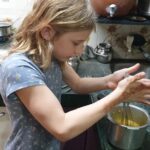
The whole experience runs about 3 hours. The hands-on portion is about 1.5 hours, which is enough time to learn more than one technique without feeling like you’re constantly rushing.
The class goal is simple: you’ll learn to make two regional Maharashtrian dishes. The example menu framework includes a seasonal vegetable dish plus a fish or chicken option, or a mutton option—so you’re not just cooking spices on rice. You’re practicing how Maharashtrian flavors build through masala, tempering, and the right balance of heat and tang.
Dishes that might appear in your class
Menus can vary by season, but here are examples of what you could be cooking or preparing:
- Suran kaap (yam fry)
- Alu vadi (spiced colocasia or taro root leaves)
- Mutton keema che muthe (spiced minced mutton)
- Fish, chicken, mutton, or crab gravy
- Rice or roti, depending on what fits your dishes
You’ll also learn supporting elements that make the meal feel complete, not random components thrown together.
You can also read our reviews of more cooking classes in Mumbai

What you’re actually learning
Even when the dish names sound specific, the skills translate. You’ll pick up how homemade spice work changes the flavor. You’ll also learn how different ingredients want different cooking times—especially starchy roots like yam and taro, and proteins like fish or minced mutton.
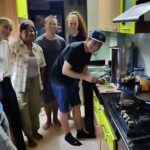
And because it’s private, you can ask questions and get corrections on your technique. That’s where this class often feels better than larger group cooking sessions where your role is mostly chopping.
Spice, thecha, and the snack-style rhythm of the meal
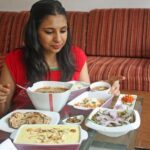
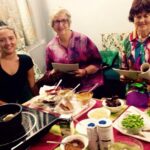
One of my favorite parts of this format is that it doesn’t treat food like one big finale. You cook, taste, and then you eat in a sequence that feels like how many families actually pace a meal.
You might start with drinks or cooling sides such as:
- Piyush: thickened yogurt and buttermilk
- Kokum sharbat: cooling and thirst-quenching
Then the meal often includes condiments and sides that bring punch without making everything heavy. A standout example is thecha, made with green chillies, peanuts, and garlic. It’s the kind of condiment that can turn a simple roti or rice bite into something sharply flavored.
You may also see:
- Khamang kakdi (cucumber salad)
- A vegetable element like suran kaap or alu vadi
- A gravy that matches your chosen protein option
Thecha and the cucumber salad work well as a balance. Heat from chillies, crunch from cucumber, and richness from peanuts and dairy-style flavors help you keep eating without fatigue.
Also, the class is built around local ingredients and homemade spices. That can be a shock if you’ve only used store spice blends, but it’s also why the flavors feel more layered and less one-note.
Vegetarian options: how you should think about it
The class can accommodate a vegetarian diet if you request it in advance. That’s important because the core cooking examples include fish, chicken, crab, or mutton alongside seasonal vegetables.
If you go vegetarian, expect your menu to shift toward vegetable-focused choices like yam fry or alu vadi, plus a satisfying gravy paired with rice or roti and the same condiment-style approach (like thecha) depending on what your host prepares that day. The key is communication before you arrive so your host can plan the dishes around your needs.
If you have allergies or strong dietary restrictions, tell them at booking. The experience notes specifically ask you to share preferences, restrictions, or allergies ahead of time.
Desert and paan: the ending isn’t an afterthought
By the time you’re done cooking, the meal doesn’t stop at the main dishes. You’ll finish with dessert examples like:
- Bhoplyachi kheer (pumpkin pudding)
- Sago kheer (pudding)
- Paan as a mouth freshener
This kind of ending matters because it shows how many Indian meals are paced for satisfaction, not just fullness. A kheer-style dessert gives you gentle sweetness, and paan adds a fresh, cleansing finish that many locals treat as part of the ritual.
It also helps you take a slower breath after the hands-on work. You don’t just leave with recipes—you leave with the taste memory of how the whole meal is supposed to land.
Price and value: what $64 buys you in real terms
At $64 per person, this is not a cheap coffee-and-cook stop. But you are buying a few things that add up fast:
- a private class with your host
- a homecooked meal as part of the experience
- all fees and taxes included
- and if you choose it, a guided Chembur fish market tour
Where it feels like good value is the combination. Many cooking classes teach a technique but don’t include the meal. Here, your instruction and your eating are tied together, and your host is cooking in a home kitchen where the details are practical and real.
Also, because it’s private, it’s a better deal when you’re traveling as a couple or family. Splitting that $64 across a small group means you’re not competing for attention or standing on the sidelines.
The main trade-off is time and location. You’ll spend a few focused hours in one place rather than popping in and out of multiple sights. If you want hands-on food learning above all else, that’s exactly the bargain.
Who should book this class (and who might skip it)
This works best if you like:
- learning through cooking, not watching
- eating the meal you just made
- Indian regional food, especially Maharashtrian styles and related traditions
- market context, when the market tour is available
It’s also a great match for food-first travelers who want to see local life away from formal restaurant settings.
You might consider another option if:
- you want an English-language guided tour that’s mostly about city sights (this isn’t that)
- you don’t like adjusting to spice and ingredient flavors you might not see in tourist-focused dishes
- you hate the idea of going to a specific meeting point without hotel pickup
What to tell your host before you arrive
To get the best outcome, share your details in advance. The experience is designed to be flexible, but you’ll need to speak up early.
Specifically:
- let them know if you’re vegetarian
- share any allergies or dietary restrictions
- describe any cooking preferences you have
Because the menu can change by season, your host’s planning is part of what makes the class work. If you want a particular dish style (vegetable-heavy, less spicy, etc.), mention that early and be ready for seasonal swaps.
Should you book the Private Maharashtrian Cooking Class with a Local Family?
If your idea of a great day in Mumbai includes hands-on cooking, spicy-but-balanced regional flavors, and sitting down to eat a full home meal you helped make, I think you should book this. The private format and the host-centered approach are the key reasons it feels worth your time.
If you want a quick, hands-off activity, this may feel too focused on cooking for your taste. But if you’re curious about how homemade spices and local ingredients create a real Maharashtrian table, this is one of the best ways to learn it without guesswork.
FAQ
How long is the cooking class in Mumbai?
It lasts about 3 hours (approx.).
Is this experience private?
Yes. It’s a private, personalized experience, and only your group will participate.
Where do we meet for the class?
You start at Shell Colony, Sahakar Nagar, Kurla, Mumbai, Maharashtra, India, and the activity ends back at the same meeting point.
Is hotel pickup included?
No. Hotel pick up and drop off are not included.
What will I cook during the class?
You’ll learn to cook two regional Maharashtrian dishes. The hands-on portion includes a seasonal vegetable and fish or chicken dish, or a mutton dish (depending on the menu).
Can the host accommodate a vegetarian diet?
Yes, Rupa can accommodate a vegetarian diet on request. You should inform them in advance about dietary restrictions.
Is there an optional market tour?
Yes. If you choose the market tour option, you’ll drive to the Chembur fish market for a guided tour and pick up ingredients with the host.
What’s included in the price?
Included items are the private cooking class with your host Rupa, the homecooked meal, and all fees and taxes. If you choose the market tour option, the Chembur fish market tour is also included.
Does the menu stay the same every time?
No. The menu may vary depending on the season.