REVIEW · DHARAVI SLUM TOURS
Mumbai: Private Dhobi Ghat Laundry & Slum Tour with Pickup
Book on GetYourGuide →Operated by Inside Mumbai Tours · Bookable on GetYourGuide
Laundry and slums, together, change your viewpoint fast. The best part of this tour is you don’t just look at Mumbai from a distance: you see Dhobi Ghat in action, then head into Dharavi to understand daily life, work, and community up close, with a local guide setting the tone.
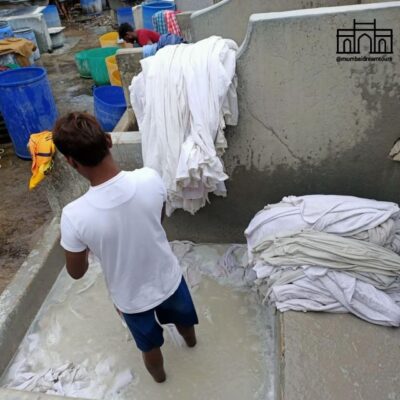
I especially like how the tour is built around real routines. At Dhobi Ghat, you watch washermen and women run their shifts and handle clothes coming in from across the city, including hotels, hospitals, and hostels. It’s practical, work-focused, and oddly fascinating in the way a well-run machine is fascinating.
One possible drawback: this is not a soft, feel-good sightseeing day. You’ll see the hard edges of life in Dharavi, and that can hit emotionally, even when the guide keeps things respectful and grounded.
In This Review
- Key things to know before you go
- Dhobi Ghat plus Dharavi: why this pairing actually works
- Private pickup and guides who set expectations early
- Dhobi Ghat: the open-air laundry that runs like a city within a city
- Entering Dharavi with a local guide: homes, play, and real businesses
- The industries you’ll see: plastic recycling, leather, garments, metal
- How the Slumdog Millionaire stop fits (and why it’s not the main event)
- Feeling, fairness, and respectful questions on a neighborhood visit
- Local train versus car: a small choice that changes the feel
- Price and value: $19 for a private, English-guided reality check
- Who should book (and who might not)
- Should you book this Dhobi Ghat and Dharavi private tour?
Key things to know before you go
- World-famous open-air laundry: Dhobi Ghat has been operating for over a century and is the world’s largest open-air laundry.
- Local guiding style: Guides such as Alkama and Mohammad are praised for clear English and balanced talk about both challenges and strengths.
- You’ll see real work: Plastic recycling, leather work, garment/textile production, and metal industries are on the route.
- A film location stop: You’ll visit the place where Slumdog Millionaire was filmed inside Dharavi.
- You can use Mumbai’s public transport: Some people choose to travel by local train instead of car as part of the experience.
- Stereotype-buster, by design: The tour purpose is to challenge common misconceptions and show how residents live, work, and play.
Dhobi Ghat plus Dharavi: why this pairing actually works
Most Mumbai itineraries split into neat boxes: either “old city” or “neighborhood life.” This one pulls two different realities into the same day, and that’s the point. Dhobi Ghat shows how the city processes everyday needs on a massive scale. Dharavi shows how people process life itself when resources are tight.
I like the contrast. Dhobi Ghat is huge, loud with activity, and very organized in its own way. Dharavi is tighter, more intimate, and far more human in how you’ll experience it. Put together, you get a lesson that Mumbai is not just a skyline. It’s systems and communities running side by side.
And because the tour is private, you can ask questions without feeling like you’re interrupting a crowd. In the same way a good guide changes a museum visit, a good guide changes a neighborhood visit. People in the reviews repeatedly mention guides who manage to be both friendly and serious.
You can also read our reviews of more private tours in Mumbai



Private pickup and guides who set expectations early
You start with hotel pickup and drop-off, plus a local English-speaking guide. That matters more than it sounds. In a place like Mumbai, getting oriented fast saves energy for the experience itself.
The guides named in traveler comments, like Alkama and Mohammad, get strong praise for communication and for handling the subject with maturity. One theme that comes through: they don’t sugarcoat, and they don’t sensationalize. They explain what you’re seeing, then help you connect it to the bigger picture of daily life and opportunity.
A detail I think you’ll appreciate: the tour uses local access. The information provided notes that you’ll visit Dharavi by residence, not as a drive-by view. That usually means you’re moving through lived-in spaces where people are used to visitors with the right attitude.
One small consideration: because it’s private, the guide experience depends heavily on your guide match. The good news is this tour is set up with English-speaking guides, and the reviews consistently point to strong English and good pacing.
Dhobi Ghat: the open-air laundry that runs like a city within a city
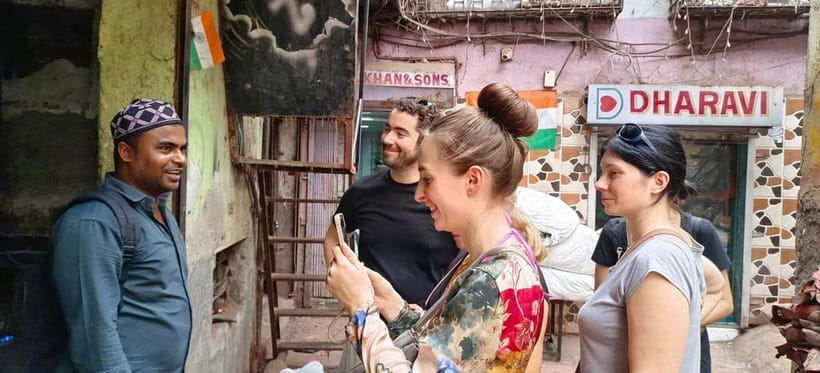
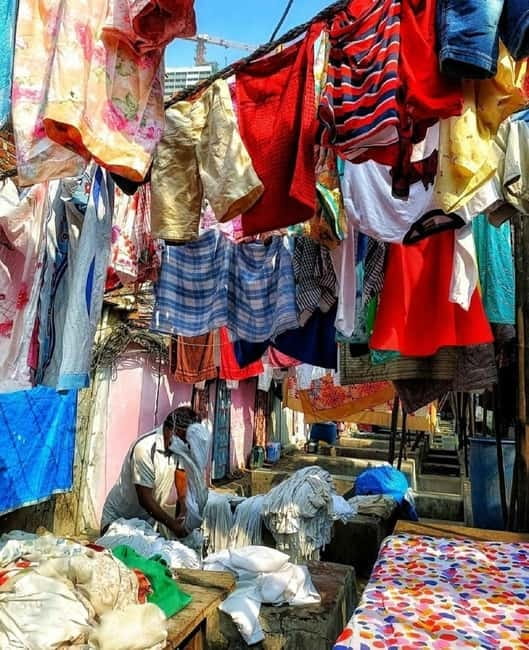
Dhobi Ghat is one of those places where you stop thinking in tourist terms. You start thinking like an observer of work: clothes come in, people do shifts, and garments return clean. It’s been operating for over a century, and it’s described as the world’s largest open-air laundry.
Here’s what you can expect to see: washermen and women—dhobis—moving through their routines, handling laundry brought from across Mumbai. The tour information specifically notes clothes coming from hotels, hospitals, and hostels. That tells you Dhobi Ghat isn’t some small local backstreet. It’s a service hub for the whole city.
Why it’s valuable for you: it’s a window into infrastructure that usually stays invisible. In many places, laundry is a back-of-house task. In Mumbai, it becomes part of public life. When you then walk into Dharavi, that same idea helps you understand how community and work blend.
Practical tip: wear shoes you trust. You’ll be standing and watching a working environment, and you’ll want stable footing. Also, keep your phone camera ready, but don’t treat people like props. The tour is about seeing systems and routines, not just collecting images.
Entering Dharavi with a local guide: homes, play, and real businesses
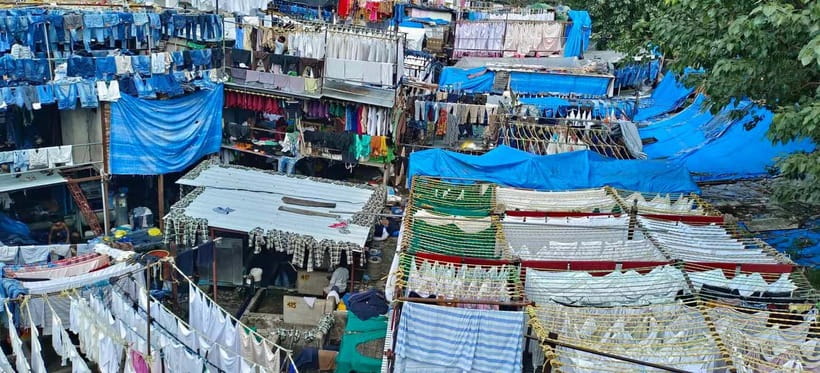
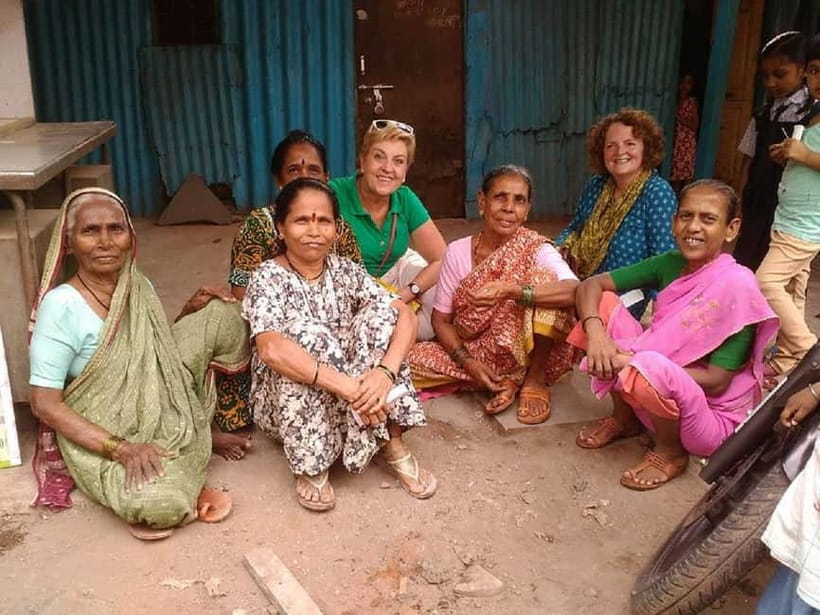
Then comes Dharavi. The tour is designed to show what people do for living, where they stay, how family life works, and where children play or relax. It’s not presented as a film set. It’s presented as a functioning neighborhood, with businesses woven into daily life.
The tour information also makes a clear promise: it aims to dispel misconceptions, and it notes that the experience is completely safe to visit inside and around. Your role is to follow the guide’s instructions and keep a respectful mindset. Think curiosity, not judgment.
One of the most praised aspects of this experience is how guides explain the good and bad sides with maturity. Comments mention that guides speak with reflection and wisdom, even when they’re relatively young. That kind of framing matters. Without it, a visitor can get stuck in pity or in denial. With it, you can hold complexity in your head: tough realities alongside skill, organization, and community pride.
And yes, there’s an added layer that makes Dharavi easier to understand: you’ll visit a place where Slumdog Millionaire was filmed. That can be a bit of a mental hook. But the tour’s message is to go beyond the movie’s portrayal and learn what life is really like day to day.
The industries you’ll see: plastic recycling, leather, garments, metal
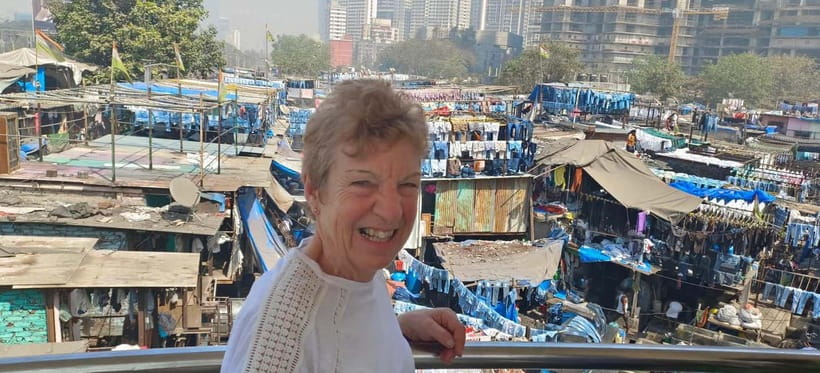
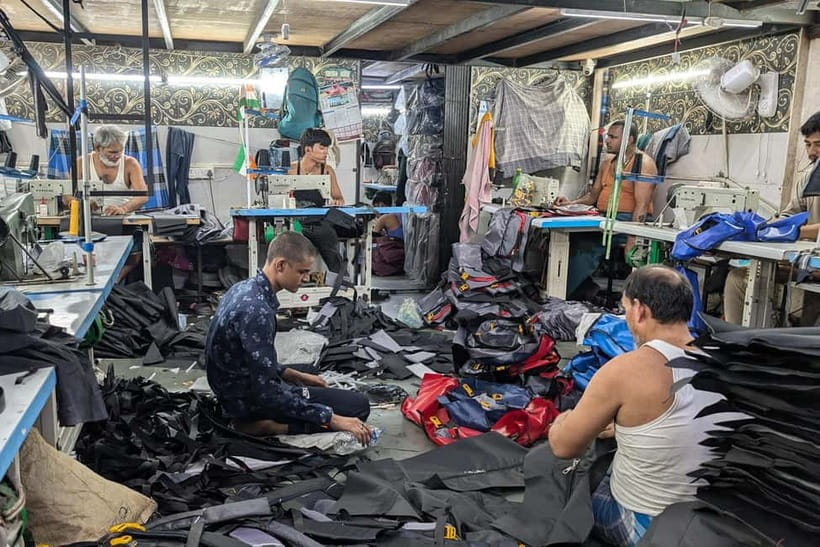
Dharavi is often discussed in headlines, but this tour keeps it grounded in what you can actually see. The route includes plastic recycling, leather work, garment/textile production, and metal industries. The information also notes surprising scale, describing yearly income as about $1 billion, which signals how much economic activity is concentrated here.
What I find useful as a visitor is that you’re not forced into one story. Instead, you see multiple trades. That prevents the common mistake of thinking Dharavi is only one thing—like poverty as a single static image.
Here’s how each industry helps you interpret the neighborhood:
- Plastic recycling: shows how waste becomes raw material, and how work turns into income through sorting, processing, and reuse.
- Leather industry: points to craftsmanship and specialized handling, not just generic “factory work.”
- Garment/textile: helps you connect the dots between design, production, and people’s daily routines.
- Metal industries: gives you a sense of fabrication and repair—work that supports a wider economy beyond Dharavi’s walls.
If you’re someone who likes to understand economies rather than just cultures, you’ll probably enjoy this part more than you expect. It’s not a lecture. It’s a walking “here’s what’s happening” route.




How the Slumdog Millionaire stop fits (and why it’s not the main event)

The Slumdog Millionaire filming spot inside Dharavi is a recognizable landmark for many people. It can also tempt you to treat the visit like a movie tour. The better approach is to let it be a doorway, then move on quickly.
The tour information makes it clear the goal is to go beyond movie depictions and to break stereotypes. That means the filming location isn’t the finale. It’s a prompt for deeper context: how this area functions, how residents live with dignity and effort, and how misconceptions got stuck in people’s heads.
If you’re worried that the experience will feel staged around pop culture, you can counter that by using the filming reference as a question tool: ask how daily life differs from what you remember. A strong guide will steer you back to reality.
Feeling, fairness, and respectful questions on a neighborhood visit
This tour can be touching, even heartbreaking. That emotional impact shows up clearly in the tone people describe after the tour—educational, humbling, and a real eye opener. The key is how the guide handles it.
What you should expect is honesty without drama. The guide is there to explain what you’re seeing, including the unfairness people live with. At the same time, the tour is framed to show pride, community spirit, and daily competence.
So bring the right mindset:
- Keep questions focused on daily routines and work rather than on voyeuristic details.
- Follow the guide when it comes to where you can stand and how long you can pause.
- Remember you’re walking through someone’s neighborhood, not through a set.
If you’re emotionally sensitive, you don’t have to avoid the tour—but it’s smart to know what you’re signing up for. This is meant to change how you see the world. That can be uncomfortable in a good way.
Local train versus car: a small choice that changes the feel
One reason some people rave about this tour is the option to take the local train rather than moving by car. A review notes that after discussing options, they chose the train, and it became part of the adventure.
Why you might care: Mumbai’s public transit is part of the city’s daily rhythm. Taking the train can make the day feel less like a single guided bubble and more like you’re actually moving with real people.
The downside is simple: train rides add unpredictability and can be less comfortable, depending on crowd levels and timing. If you’re visiting with mobility limitations or you want the day to stay very controlled, you might prefer car transfer. The good news is the experience can flex based on your choice.
Either way, the presence of a local guide means you’re not navigating blindly.
Price and value: $19 for a private, English-guided reality check
At $19 per person, this tour lands in the “good value” zone, mainly because you’re getting more than sightseeing. You’re paying for:
- Private tour access
- A local English-speaking guide
- Hotel pickup and drop-off
- Entrance fees
- A water bottle
Most tours that include pickup, guide service, and multiple stops can cost a lot more. Here, the pricing signals that you’re buying guided access to both Dhobi Ghat and Dharavi in a single package, with the Slumdog filming stop and industry sights layered in.
The real value, though, is not the logistics. It’s how the guide frames what you see. The reviews repeatedly mention that guides are attentive, fun, and engaging while still covering serious topics with mature reflection. That combination is hard to buy cheaply.
For you, the best “value math” looks like this: if you want one day that challenges your assumptions and gives you a functional understanding of Mumbai beyond the obvious landmarks, this is priced like a small deal.
Who should book (and who might not)
This is a strong fit if you:
- Want to see how work shapes daily life
- Like structured guiding with time for questions
- Prefer reality-based experiences over movie-style depictions
- Appreciate tours that challenge stereotypes thoughtfully
It may not be a great fit if you:
- Want a strictly comfortable, low-emotion day
- Dislike neighborhood visits that include difficult realities
- Are looking only for photo ops without context
And if you’re traveling with limited time, this combination can be efficient. Dhobi Ghat gives you a city-scale perspective. Dharavi gives you neighborhood-scale understanding.
Should you book this Dhobi Ghat and Dharavi private tour?
Yes, if you’re the type who wants to understand Mumbai at street level. This tour pairs two working realities—an open-air laundry system and a neighborhood economy—and it does it with a local English-speaking guide who helps you see beyond stereotypes.
Book it with the right expectations: you’ll learn a lot, you may feel a lot, and you’ll come away with a more complicated, more accurate picture of how people live and work. If that sounds like the kind of travel day you enjoy, you’ll likely think this is money well spent.