REVIEW · HISTORICAL TOURS
Mumbai Tour: The Most Famous Historical Spots By Car
Book on Viator →Operated by Young Tours And Travel · Bookable on Viator
Mumbai can feel like a living circuit board of people and motion. This short, by-car tour strings together major landmarks with local context so you get your bearings fast. It’s built for a quick hit of Mumbai’s working life and famous sights, even if your schedule is tight and your feet need a break.
I especially like how the stops cover both sides of Mumbai: everyday routines and big, photo-known monuments. You’ll also get guided explanations from locals, and names like Hardik (guide) and Patrik (driver) come up in the kind of praise you want on a first visit. A sensible plus: the tour includes coffee or tea, bottled water, and an air-conditioned vehicle, so the heat and traffic don’t drain your energy.
One consideration: this is a car tour with only about 4 hours, so you’ll see a lot of highlights but you won’t have long, slow time at each place. If you’re the type who wants to linger, plan to come back on your own after.
In This Review
- Key Things to Know Before You Go
- The Smart Value of a 4-Hour Mumbai Highlights Loop
- Dhobi Ghat: Seeing Open-Air Laundry Work Up Close
- Mani Bhavan Gandhi House: A Personal Stop That Explains the Why
- Hanging Garden: A Break in the Route
- Gateway of India and the Taj Mahal Palace Hotel: Waterfront Icons With Stories
- Watson Hotel, Mumbai University, and Mumbai High Court: Architecture Plus Institutions
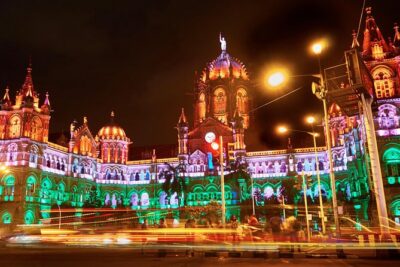
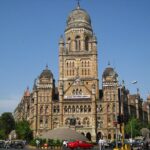
- Victoria Terminus Station: Finishing With Movement and Monumentality
- Coffee, Water, and the A/C Car: The Small Comforts That Add Up
- Price and Value: Is $49 a Fair Deal?
- Who This Tour Suits Best (and Who Should Adjust Expectations)
- A Quick Word on Weather and the Pace
- Should You Book This Mumbai Heritage-By-Car Tour?
- FAQ
- How long is the Mumbai tour?
- What does the tour cost?
- Is pickup included?
- What’s included in the price?
- Is lunch included?
- Are admission tickets included?
- Is this tour private?
- What happens if the weather is bad?
- Is there a cancellation deadline?
Key Things to Know Before You Go
- Car-friendly route for a short visit: built to cover multiple icons without losing hours in transit on your own.
- Local-guided storytelling: you’ll get context at major stops, not just a photo break.
- Dhobi Ghat and Gandhi’s Mani Bhavan: everyday labor and major ideas in the same loop.
- A/C comfort plus small perks: bottled water and coffee/tea are included to keep the pace manageable.
- Admission ticket is listed as free: you shouldn’t run into surprise entry fees for the included sights.
- Weather matters: the experience requires good weather, and plans adjust if conditions aren’t right.
The Smart Value of a 4-Hour Mumbai Highlights Loop
Mumbai runs on traffic, not timetables. That’s exactly why a guided car tour can be a better first move than trying to stitch together stops with taxis or trains on your own. You’re looking at about 4 hours, with pickup offered, plus an itinerary designed to hit the most recognizable historical anchors in a single pass.
For me, the biggest value here is time: you get a concentrated overview of how Mumbai developed into the city it is today, moving from working spaces to institutions to landmark architecture. It’s also a good match for first-timers who want guidance with logistics—where to go, what to pay attention to, and how to keep the day from turning into a scavenger hunt.
The tour is also private in the sense that it’s only for your group. That can make a difference in a big city, because you’re not constantly stopping and starting for strangers. Add group discounts when available, and the price structure can feel more reasonable than a standard, solo “sit in a car and hope” day.
You can also read our reviews of more historical tours in Mumbai


Dhobi Ghat: Seeing Open-Air Laundry Work Up Close
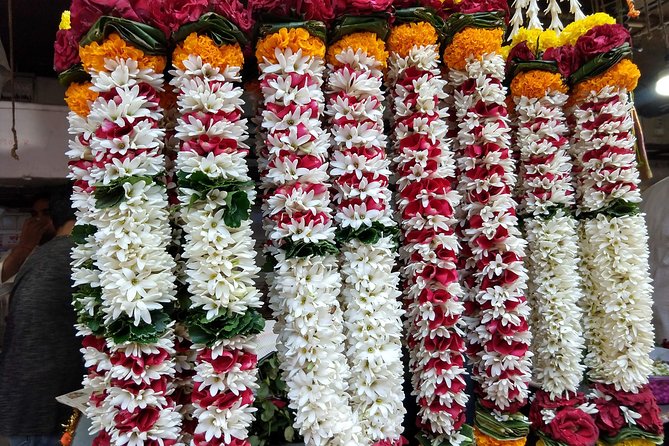
One stop that changes how you see Mumbai is Dhobi Ghat, the open-air laundry area. Even if you already know it’s famous, you’ll get more from seeing it with a guide who can point out what you’re actually looking at: daily work in action, not just a spectacle.
Why this stop works: it grounds the rest of the tour. When you later reach iconic sites like the Gateway of India or the grand hotels, you’re not only viewing monuments—you’re also seeing how the city’s real engine (people’s work and movement) sits alongside the landmarks.
What to expect practically: this kind of place is active. You’ll want to keep your expectations realistic. You’re there to observe and learn, not to do a long, unhurried photo session. If you’re sensitive to crowds or smells, approach it with patience and a steady mindset.
The upside is that Dhobi Ghat makes Mumbai feel human. It’s an immediate reminder that the city’s scale and history aren’t only written in buildings—they’re written in labor, routines, and community systems.
Mani Bhavan Gandhi House: A Personal Stop That Explains the Why
After Dhobi Ghat, you move into a very different atmosphere at Mani Bhavan, often called Gandhi’s house. This is where the tour turns from the city’s daily rhythm to a personal story tied to major historical events.
The key benefit is tone. It’s not a huge, impersonal museum experience. The value is in the guide-led interpretation and the chance to connect artifacts and accounts to Gandhi’s presence in Mumbai. In the feedback you can take seriously, people specifically note learning through the museum setting and seeing old artefacts tied to the story.
If you’re traveling with limited time, this stop is a good use of it. It gives you a framework for understanding why certain ideas mattered here, and why you’ll hear Gandhi’s name again and again as you explore the city.
Possible drawback: because it’s museum-style, your pace depends on how long the guide spends explaining. If you’d rather skim and move fast, tell your guide early so the balance matches your travel style.
Hanging Garden: A Break in the Route
Hanging Garden is the kind of stop that works as a breather. Even without getting lost in details, it gives you a moment to step out of the usual back-and-forth and take in the area around you.
Why it’s on this specific route: it breaks the day into chunks. Mumbai’s famous sights can stack up quickly, especially when you’re hopping between landmark zones. A stop like this can reset your eyes and help you re-focus before you reach the waterfront and the grand buildings.
Practical note: you’ll still be on a tight schedule overall, so treat this as a short look rather than an all-day park hangout. Wear comfortable shoes anyway—Mumbai sidewalks and curb cuts can be unpredictable, even when you’re “only stopping briefly.”
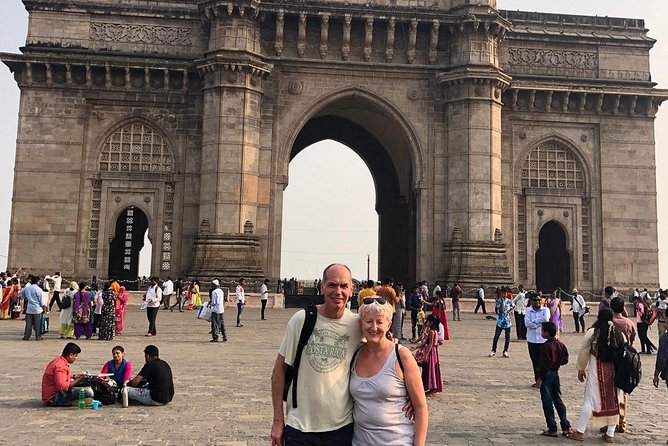
Gateway of India and the Taj Mahal Palace Hotel: Waterfront Icons With Stories
When you reach the waterfront, you’ll hit two heavyweights: Gateway of India and the Taj Mahal Palace Hotel. If you want the fastest way to understand Mumbai’s image in global culture, this is it.
What makes this stop more than a photo stop is the guide’s storytelling. In the feedback tied to this tour, people specifically mention learning the story of the Gateway of India and hearing context around the Taj hotel. That turns a landmark you’ve already seen in pictures into something you can place in time and meaning.
Here’s how to make the most of it:
- Look at the area, not only the monument. The setting is part of what makes it work.
- Ask your guide one focused question, like what you should notice about the building’s role, visitors, or era.
One consideration: the Gateway area can draw crowds, and you’ll be sharing the space with the city. If you’re someone who prefers quiet, go with the mindset of watching people and letting the energy be part of the experience.




Watson Hotel, Mumbai University, and Mumbai High Court: Architecture Plus Institutions
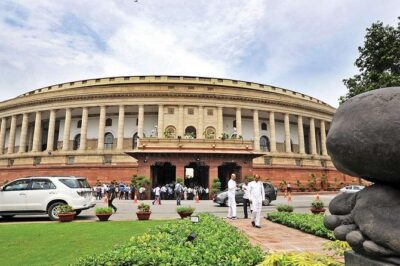
The tour then moves inland through a cluster of landmark institutions, including the Watson Hotel, Mumbai University, and the Mumbai High Court. This is where you start seeing Mumbai as more than a set of monuments—it becomes a city of systems: education, law, and the formal structures that shaped public life.
The advantage of a guide here is simple: architecture can be visually impressive but easy to misread. A local guide can help you connect what you’re seeing with how these institutions functioned and why they’re still referenced.
What I like about this section is that it adds variety. After Dhobi Ghat and Gandhi’s home, these stops help round out the picture. Instead of repeating the same theme, you shift from social life to formal power and planning.
Drawback: if you’re expecting a hands-on experience—like museum time or guided interiors—your experience here may feel more outside-focused. The tour is set up for quick stops by car, so you’ll likely get close-up viewing and explanation rather than long on-site immersion.
Victoria Terminus Station: Finishing With Movement and Monumentality
You end at Victoria Terminus Station, a fitting finale because it represents motion—people arriving, leaving, and keeping the city connected. Even if you don’t go deep into architectural details, arriving at a major rail landmark helps your brain stitch together the city’s past and present.
Why this works at the end of a short tour: you’ve already been learning through stories and landmarks, so the station becomes a symbol of what ties everything together—travel routes, trade, and daily movement.
Practical tip: keep your energy up for the final stop. It’s easy to feel done near the end of a 4-hour day, but the last landmark is the one you’ll remember when you plan the rest of your trip. If you want better photos, arrive with your camera ready and your settings done in advance.
Coffee, Water, and the A/C Car: The Small Comforts That Add Up
This tour includes coffee and/or tea, bottled water, and an air-conditioned vehicle, plus parking fees. That may sound basic, but Mumbai’s heat and traffic make those details worth paying attention to.
Here’s what these inclusions practically mean:
- You can stay focused on the stops instead of spending energy hunting for a drink.
- The A/C ride reduces fatigue, especially if your plan involves lots of walking later in the day.
- Parking fees handled for you means fewer logistical pauses and less time wasted.
Lunch isn’t included. That’s not a deal-breaker, but it does change your strategy. If you do this early or mid-day, grab a light meal before you go, or plan to eat soon after you finish at Victoria Terminus.
Price and Value: Is $49 a Fair Deal?
At $49 per person for about 4 hours, the price can make sense because you’re getting more than transport. You’re paying for guided interpretation, an A/C vehicle, pickup offered, and the included refreshment basics.
The value becomes clearer when you compare what’s handled for you:
- Pickup and a controlled route through key areas
- A local guide experience meant for first-time orientation
- Comfort items (water and coffee/tea)
- Parking fees covered
- Admission listed as free
- A private setup where only your group participates
What you’re not getting: lunch. Also, you should treat it as a highlights tour, not a slow museum day.
If you’re traveling as a pair or small group, the group discount angle can further improve value. The biggest reason I’d call it “worth it” is that it compresses a lot of major sights into a single guided flow—exactly what you need if you’re short on time and want to avoid aimless driving.
Who This Tour Suits Best (and Who Should Adjust Expectations)
This works especially well if you:
- Have limited time in Mumbai and want the famous landmarks without planning every turn
- Prefer comfort during transfers (A/C vehicle, pickup)
- Want a guide who grew up in the city lanes and can explain what you’re seeing beyond the postcard level
- Like mixing everyday life stops with iconic monuments
It may be less ideal if you:
- Want long time at each location or lots of indoor exploration
- Travel on a schedule where the weather-dependent element could be a hassle
- Expect a full-day experience despite the short total duration
One more point: the city is huge—over 25 million people by the tour’s framing—so getting your bearings early can pay off. This route is designed to do that quickly.
A Quick Word on Weather and the Pace
The experience requires good weather. If it doesn’t work out due to conditions, you’ll be offered a different date or a full refund. That’s helpful if you like certainty, but you still should keep your flexibility in mind.
Also, pace is the quiet trade-off. You’ll see a lot in 4 hours, so you’ll have to accept brief stops and guided explanation rather than slow, wandering exploration.
Should You Book This Mumbai Heritage-By-Car Tour?
If you’re a first-time visitor or you only have a few hours to spare, I’d say book it. The reason is simple: you’re buying smart routing, local guidance, and comfort for a manageable price, and you’ll cover major historical and cultural stops that would be harder to arrange well on your own.
Book with the right expectations. This isn’t a deep, day-long study of one theme. It’s a tight circuit meant to help you see Mumbai’s range—laundry life at Dhobi Ghat, ideas at Mani Bhavan, then the landmarks at the waterfront and beyond, finishing at Victoria Terminus.
If you enjoy guided storytelling and want to get oriented quickly, this is a solid way to start your Mumbai days.
FAQ
How long is the Mumbai tour?
It lasts about 4 hours.
What does the tour cost?
It’s listed at $49.00 per person.
Is pickup included?
Pickup is offered.
What’s included in the price?
The tour includes coffee and/or tea, bottled water, an air-conditioned vehicle, and parking fees.
Is lunch included?
No, lunch is not included.
Are admission tickets included?
Admission tickets are listed as free.
Is this tour private?
Yes, it’s private in the sense that only your group participates.
What happens if the weather is bad?
The experience requires good weather. If it’s canceled due to poor weather, you’ll be offered a different date or a full refund.
Is there a cancellation deadline?
You can cancel up to 24 hours in advance for a full refund.
If you want, tell me your travel dates and whether you’re doing other areas of Mumbai the same day, and I’ll suggest how to time this route so it fits your day with minimal stress.