REVIEW · ELEPHANTA CAVES TOURS
Mumbai: Elephanta Caves Half-Day Guided Tour with Expert
Book on GetYourGuide →Operated by Amaze Tours · Bookable on GetYourGuide
Stone temples rise from basalt rock. This guided trip to Elephanta Caves turns a simple ferry ride into a story you can actually picture, thanks to guides like Dave and Harish who connect the carvings to real Hindu and Buddhist ideas. I like that you get skip-the-line access plus hands-on explanations that make the statues click fast. One heads-up: the climb is about 120 steps, and this tour is not a good fit for back problems or mobility limits.
You’ll spend about 1.5 hours exploring the caves themselves, then return to Mumbai by ferry. You’re not just wandering—you’ll move through three cave areas (Hindu, Buddhist, and Shiva) and see the big 6th-century hall with massive pillars, plus an included toy train ride on the island.
In This Review
- Key Highlights You Should Care About
- Elephanta Caves: Why This UNESCO Site Hits Hard
- The Ferry from Mumbai: A Calm Buffer Before the Steps
- Getting the Most from a Guide: Names to Watch For
- Climbing to the Plateau: Plan for 120 Steps and Real Footwear
- Inside the Pillared Hall: Where the Architecture Does the Talking
- Three Caves, Three Themes: Hindu, Buddhist, and Shiva
- Toy Train on the Island: Small Comfort, Real Practical Value
- Time on the Ground: What 1.5 Hours Inside Really Means
- Price and Value from Mumbai: Why $30 Can Make Sense
- Comfort, Weather, and What to Bring (So the Day Stays Pleasant)
- Who This Tour Fits Best (and Who Might Skip It)
- Should You Book This Elephanta Half-Day Guided Tour?
- FAQ
- What duration should I expect for the Elephanta Caves half-day tour?
- How do I get from Mumbai to Elephanta?
- Is the tour guided in English?
- Is entrance to Elephanta Caves included?
- What’s included besides the guide and ferry?
- What should I bring, and is luggage allowed?
- Are there restrictions on certain days or weather?
Key Highlights You Should Care About
- Skip-the-line entry into Elephanta, so you spend more time inside the caves and less time waiting.
- Expert English guidance from local guides (names you may hear include Dave, Harish, Krupesh, and Rapesh) focused on meaning, not just dates.
- 120 steps to the plateau, manageable for many people, but a deal-breaker if stairs are tough for you.
- Three cave themes: a Hindu cave, a Buddhist cave, and a Shiva cave anchored by an immense three-headed sculpture.
- Toy train included, a small comfort that helps on a day with a lot of walking.
- Ferry round trip from Mumbai, around an hour each way, building in a natural break from the city.
Elephanta Caves: Why This UNESCO Site Hits Hard
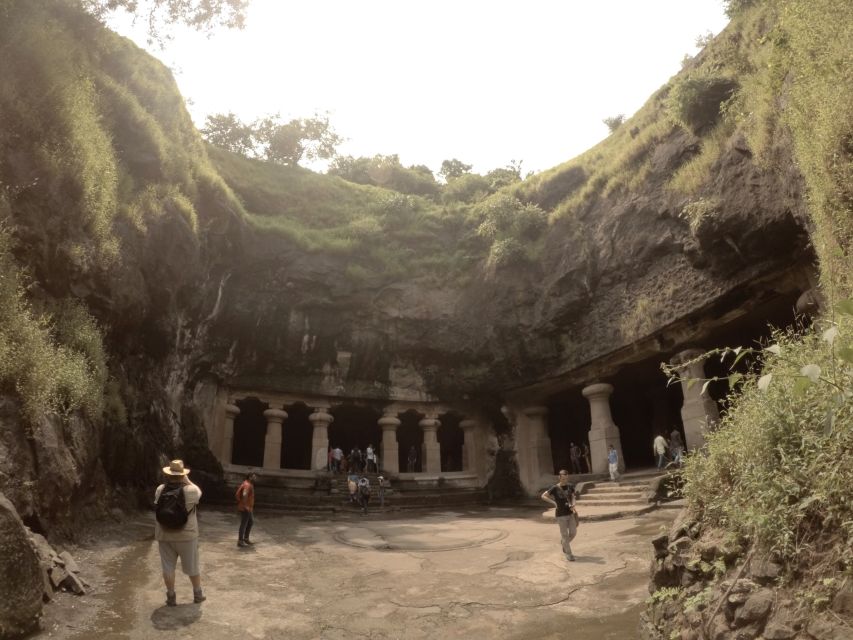
Elephanta is one of those places where the setting matters. The caves are carved into solid basalt rock, which means you’re looking at stone that was shaped with tools and patience before modern transport made big journeys easy. When you stand near the entrances and see how the sculptures and halls fit into the rock, you get why this site is UNESCO-listed.
What makes the experience feel worthwhile is the way the tour helps you read what you’re seeing. The caves are not random rooms with statues. They’re organized religious spaces, with distinct themes across different excavation areas. Expect stories that connect symbols to religious life—especially around Hindu traditions and the central presence of Shiva—plus the Buddhist side of the site.
You’ll also get orientation on the overall layout. The caves are described as coming from seven major excavation sites, and your guide ties the major carvings to those sections so you don’t just collect photos. That matters, because the Elephanta experience can otherwise feel like: stone + carvings + stairs + exit.
In short: if you like history, religion, or architecture, this tour gives you a way to understand the place instead of just staring at it.
You can also read our reviews of more guided tours in Mumbai


The Ferry from Mumbai: A Calm Buffer Before the Steps
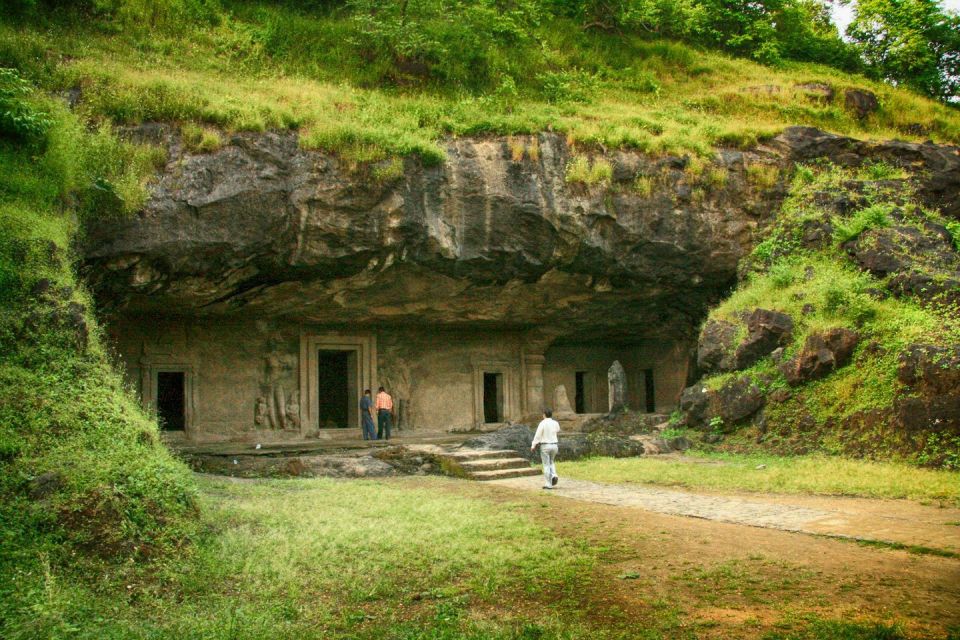
Most of the day’s motion is straightforward. You start in Mumbai, then take the ferry out to Elephanta Island—about an hour each way. That timing is useful because it gives you a break from the city’s pace before you tackle the plateau climb.
On arrival, you’ll have the bottled water provided at Elephanta Island. That’s practical because the day does involve walking: the climb up to the cave plateau is about 120 steps, and once you’re inside, there’s more moving between cave areas. Comfortable shoes are a must, and a hat plus sunglasses help if the weather is bright.
The ferry part also acts like a reality check. You see the water, the island, and the scale of the trip. Then you step into the caves and get the contrast: stone architecture meant to be cool and still, inside a place reached by boat.
If you’re trying to pick the best day, keep the calendar in mind. Elephanta Caves are closed on Mondays. And if you’re traveling in monsoon season (June to September), plan for possible ferry delays or cancellations from heavy rain, strong winds, and high tides. You’ll get full refunds if the tour is canceled, but you should still expect some uncertainty in that season.
Getting the Most from a Guide: Names to Watch For
Elephanta can be confusing if you go without help. The tour you’re considering fixes that by putting you with a live English guide who explains what each section is doing and why it matters.
The strongest praise in the feedback centers on the guides’ ability to make meaning clear. Guides such as Dave and Harish are repeatedly highlighted for teaching Hindu symbolism in an easy way, and for staying patient while groups move through a site with steps and turns. Other names that come up include Krupesh, Rapesh, Dev, and Daivat, with people praising their ability to connect the sculptures to Hindu philosophy, cultural context, and even geometry or technical details behind carvings.
Another small but real benefit: the guides act like a local camera partner. Many comments mention photography help and great photo spots. You might notice guides taking time to get everyone framed well—especially in lower-light cave areas where everyone else just snaps and moves on.
If you care about getting more than a list of what exists, this is the best reason to choose a guided option. The carvings are powerful, but they’re more powerful when you understand what they’re pointing to.
Climbing to the Plateau: Plan for 120 Steps and Real Footwear
The climb is part of the experience, but it’s also the part that decides whether you enjoy the day or resent it. You’ll go up about 120 steps to reach the plateau where the caves are entered.
So I’d treat the steps like a piece of your trip planning, not an afterthought. Wear shoes with real grip. Bring a hat if you get heat easily. Sunglasses help in bright conditions on the approach.
Also, the tour is not suitable for people with back problems or mobility impairments. That’s not just legal wording—it’s practical. There’s no way to fully avoid the stairs once you’re heading to the cave level.
If you’re traveling with kids or someone who needs extra pacing, you can still have a good time, but you’ll want to go in with patience. Some of the feedback notes that guides adjust and take care when someone needs extra support during the walk up. That can make a difference, but you should still go in expecting effort.
Inside the Pillared Hall: Where the Architecture Does the Talking

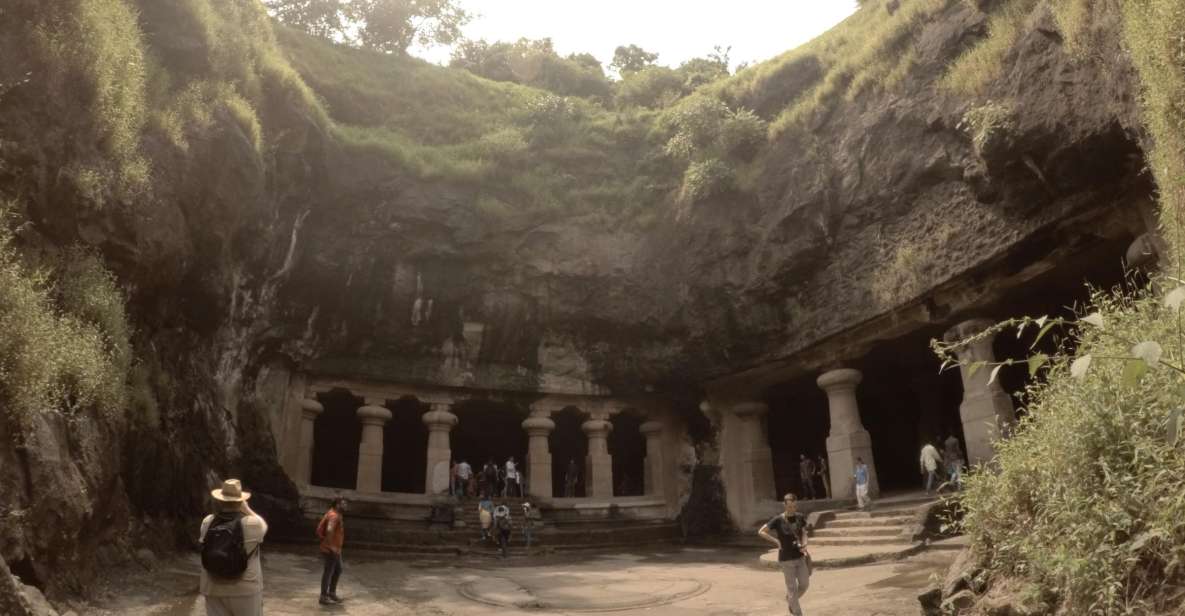
Once you’re at the cave level, one stop stands out: the hall supported by huge pillars. You’ll spend time inside this area described as a masterpiece of 6th-century architecture. Even if you don’t know architectural terms, the effect is clear: the scale of the pillars changes how you experience the carvings and the space around them.
This is where guidance adds value. A good guide doesn’t just say what the pillars are. They connect the space to how religious art was meant to be experienced—how movement through the caves works, where attention is directed, and how the carvings relate to the overall design.
If you enjoy architecture, take your time here. Don’t rush past it just to get to the statues. The hall is like the center of gravity for the visit. When it clicks, the rest of the caves start making more sense.
You can also read our reviews of more tours and experiences in Mumbai




Three Caves, Three Themes: Hindu, Buddhist, and Shiva
Elephanta is often summarized as a Shiva site, but that’s only part of what you’ll see. The tour includes exploration of three caves, each with a distinct religious theme.
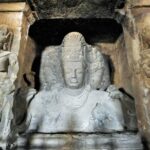
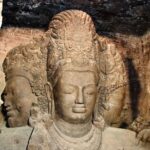
One area is focused on a large Hindu cave, another highlights a Buddhist cave, and the final cave centers on Shiva. The Shiva cave is anchored by an immense three-headed Shiva sculpture, which becomes the visual headline of the trip.
What I like about this structure is that it gives you contrast. Instead of treating the caves like one museum room, the tour helps you experience separate religious spaces within the same rock complex. That makes it easier to follow what you’re seeing and easier to remember later.
Guides like Dave and Harish are especially praised for explaining Hinduism and the main gods in a way that feels understandable, not lecture-y. If you’ve ever looked at Indian temple art and wondered how symbolism connects to daily belief, this is where the tour pays off.
One more detail to notice: your guide frames the carvings as part of major excavation sites, not just isolated art objects. So you learn how different sections relate to each other. That turns a photo-heavy visit into a meaning-focused one.
Toy Train on the Island: Small Comfort, Real Practical Value
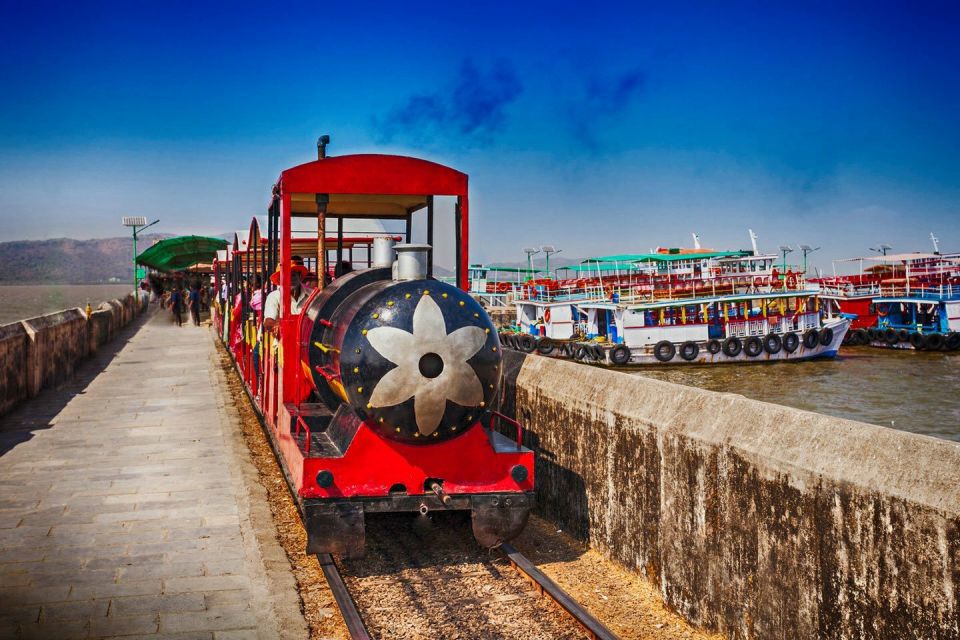
You might picture a toy train as a gimmick. On Elephanta, it’s more practical than you’d expect because the island day includes walking plus a major stair climb to reach the caves.
The good news: toy train is included. That means you can use it as a time and energy saver on an island day where stamina matters. You still do the big step section to enter the caves, but having that included transport option can make the overall flow easier, especially if you’re traveling with older relatives or you simply want to conserve energy for the cave viewing.
It’s not the main event. The main event is the caves. Still, I’d treat the toy train as a thoughtful extra that helps you finish the day in good shape.
Time on the Ground: What 1.5 Hours Inside Really Means
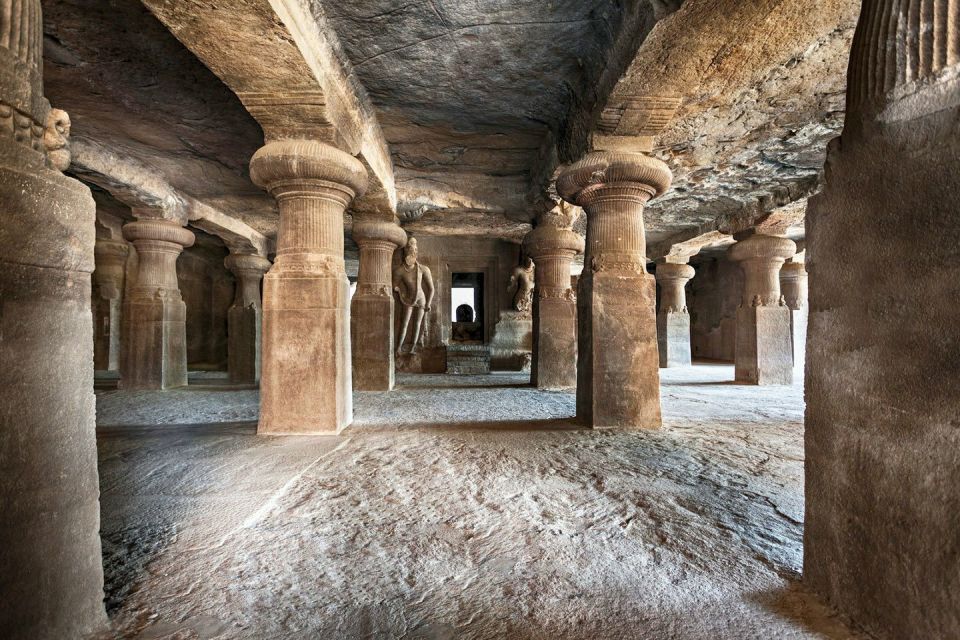
The caves visit itself is listed at about 1.5 hours of guided sightseeing. That’s a realistic time window if you want to see the key areas without turning the day into a long hike.
You’ll likely spend enough time in each cave area to understand what matters and to get photos in calmer moments. With an expert guide, you don’t need to spend 2 or 3 hours trying to figure out what each carving is. You’ll get the big picture and then can focus on details that catch your eye.
Also, you’ll return to Mumbai by ferry. The ferry ride is not optional here, and it’s part of the rhythm. It gives you a natural reset after the caves.
If you’re short on time, this tour can work as a history hit without fully consuming your day. If you love archaeology, you might wish you had more hours inside. But for most first-time visitors, this is a strong balance.
Price and Value from Mumbai: Why $30 Can Make Sense
At $30 per person, this isn’t a budget toy. It’s priced like a guided day with real transport and admissions included. What you’re getting for the money matters:
- Ferry tickets (around an hour each way)
- Entrance fee to Elephanta Caves
- A live English guide
- Skip-the-line access
- Toy train on the island
- Bottled water on arrival at Elephanta Island
- Hotel pickup and drop-off if you choose that option
Skip-the-line is a subtle value point. Elephanta can get crowded, and waiting around is the enemy of a good travel day. A guide also reduces wasted time by moving you to the right points while you’re inside.
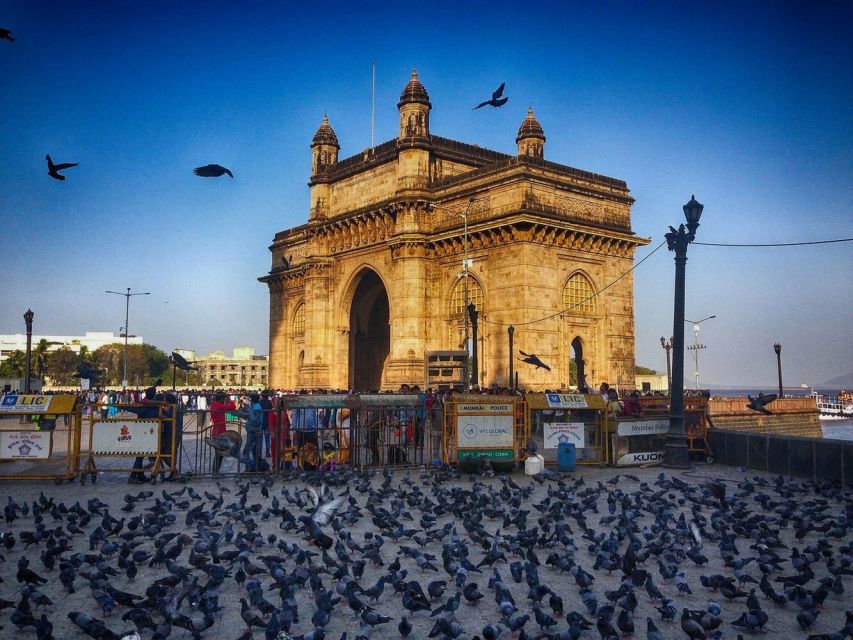
Hotel pickup/drop-off is another value lever. Your tour may include convenient delivery to multiple Mumbai locations (including Gateway of India, Grant Road, Worli, Churchgate, and others depending on your option). If you’re staying near the core areas, it can save you effort navigating the ferry connection and dock area.
The main thing not included is food and drinks. So plan on buying or packing something. A water bottle is useful even though bottled water is provided at arrival.
Overall: for many visitors, the guide + skip-line + ferry setup is what makes the price feel fair.
Comfort, Weather, and What to Bring (So the Day Stays Pleasant)
This tour runs best if you come prepared for the physical demands and the island conditions.
Bring:
- Comfortable shoes
- Sunglasses
- Hat
Not allowed:
- Luggage or large bags
That’s important. If you arrive with a heavy bag, you’ll spend part of the day managing it instead of enjoying the caves.
Weather considerations:
- Monsoon months (June-Sept) can bring ferry delays or cancellations due to heavy rain, strong winds, and high tides.
- Elephanta Caves are closed on Mondays.
If you’re sensitive to steps, plan ahead. This isn’t marketed for mobility limitations, and the 120-step climb makes it hard to modify the experience.
Who This Tour Fits Best (and Who Might Skip It)
This is a strong pick if you:
- Want a guided explanation of Hindu and Buddhist themes
- Like archaeology and religious art that has meaning beyond aesthetics
- Prefer not to figure out the ferry-to-caves flow alone
- Want photo guidance as part of the experience
Based on the feedback, the guides really do focus on clarity and symbolism. If you’ve looked at Indian temples and felt like you missed the point, you’ll likely leave with a better handle on what Shiva and the cave art were communicating.
It’s a weaker fit if you:
- Have back problems or mobility impairments
- Can’t handle long walks and stairs
- Want to spend a whole day wandering without guidance
If you’re unsure, think about your comfort with stairs more than your interest level in the subject. The steps decide a lot.
Should You Book This Elephanta Half-Day Guided Tour?
Yes, I’d book it if you want your Elephanta visit to feel understandable and well-paced. The combination of guided meaning, skip-the-line access, and the built-in ferry structure is hard to beat for a first visit. Guides like Dave and Harish (and others such as Krupesh and Rapesh) show up in the feedback as people who make the caves come alive with stories, religious context, and photography help.
Skip booking only if stairs are a serious concern for you, or if you’re traveling on a Monday, or if monsoon-weather uncertainty would be a deal-breaker.
If you’re ticking boxes—UNESCO site, religious art, basalt-carved caves, a practical half-day plan—this is one of the most efficient ways to do it from Mumbai.
FAQ
What duration should I expect for the Elephanta Caves half-day tour?
The duration is listed as 1.5 to 6 hours, with the caves visit taking about 1.5 hours. The exact time can vary by selected option and starting time availability.
How do I get from Mumbai to Elephanta?
You take a ferry from Mumbai to Elephanta Island and then return by ferry. The ferry ride is about 1 hour each way.
Is the tour guided in English?
Yes. A live tour guide is provided in English.
Is entrance to Elephanta Caves included?
Yes. Entrance fees to the Elephanta Caves are included, along with skip-the-line access.
What’s included besides the guide and ferry?
Included features are ferry tickets, entrance fee, skip-the-line entry, toy train at Elephanta Island, bottled water on arrival at Elephanta Island, and hotel pickup/drop-off if you select that option.
What should I bring, and is luggage allowed?
Bring comfortable shoes, sunglasses, and a hat. Luggage or large bags are not allowed.
Are there restrictions on certain days or weather?
Elephanta Caves are closed on Mondays. During the monsoon months (June to September), ferries may be delayed or canceled due to heavy rain, strong winds, and high tides.