REVIEW · FORT & COLABA WALKING TOURS
Group Guided Walking Tour in Fort and Colaba
Book on Viator →Operated by M/s Khaki Tours · Bookable on Viator
Mumbai is a story you can walk. This small-group Fort and Colaba route keeps things personal, and I like how it packs in photo-ready landmarks like the Gateway of India while explaining how Mumbai grew over about 500 years. The main thing to plan around is the weather, since the tour runs only in good conditions.
You’ll move at an easy walking pace from the colonial-era corners of Fort into Colaba, with stops that mix famous exteriors and moments you can actually look at up close (like a historic cathedral and a clock tower). Each stop lists admission as free, plus you get a mobile ticket, which makes it simple to show up and go.
In This Review
- Key highlights worth your time
- Why Fort and Colaba Works Better Than a Hurry-Up Sights Tour
- Start at the Asiatic Society and Town Hall: Colonial-Era Turns That Still Show
- Horniman Circle Garden: Victorian Architecture and a Public Space That Has Lived Life
- St. Thomas Cathedral Mumbai: Look Inside a Church With Real Age
- Flora Fountain and the Main Town Square Feeling
- Oval Maidan: The Cricket Birthplace and a UNESCO Setting
- Rajabai Clock Tower: A Big Ben Twin With University Evolution Stories
- Kala Ghoda: Art District Architecture With Building Secrets
- Keneseth Eliyahoo Synagogue: Mumbai’s Jewish Enclave and Fading Signs
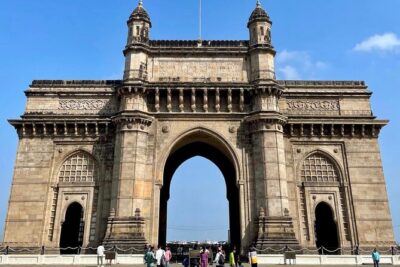
- Ending at the Gateway of India and the Taj Mahal Palace Hotel
- Price, Value, and What You’re Really Paying For
- Who This Tour Suits Best (and Who Might Want a Different Plan)
- Should You Book the Fort and Colaba Walking Tour?
- FAQ
- How long is the Fort and Colaba walking tour?
- What does the tour cost?
- How big is the group?
- Where does the tour start and where does it end?
- Is the ticket digital?
- Are admissions included for the stops?
- What if the weather is bad?
Key highlights worth your time

- Max group size of 12 for questions, pacing, and better photo angles
- 500 years of Mumbai history told as you walk, not in one long lecture
- Iconic photo stops like the Gateway of India and the Taj Mahal Palace Hotel
- Free-entry site visits at every scheduled stop
- A guide who gives local tips so you can keep exploring after the walk
- Optional coffee break vibe that can help reset mid-route
Why Fort and Colaba Works Better Than a Hurry-Up Sights Tour
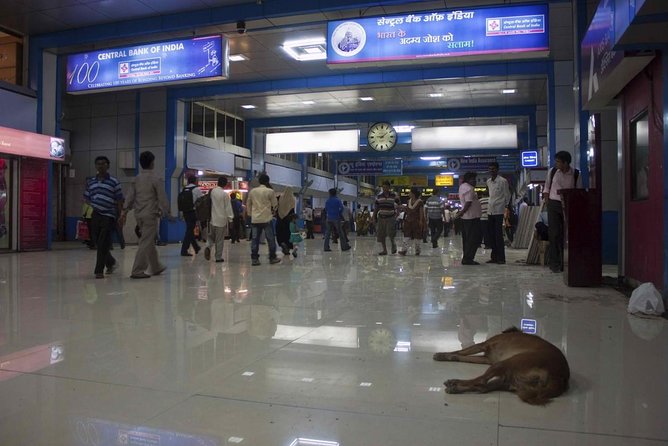
Fort and Colaba can feel like a blur if you’re just jumping from one landmark to the next. This walk is designed to slow you down in the right places. With a maximum of 12 people, you’re not stuck waiting for the group to shuffle forward or asking questions into the void. That size matters here, because the whole point is storytelling—about what you’re seeing and why it looks the way it does.
The route also avoids the common problem of “famous building, quick glance, next.” You get multiple stops where you can pause, take photos, and look closely. A walking tour that includes a mix of gardens, churches, university buildings, and a synagogue helps you understand that Mumbai’s layers are not just on paper. They’re in the architecture, the street layout, and the public spaces people have used for generations.
One more practical plus: the tour is priced at $16.73 per person for about 2.5 hours. For a guided walk that covers a dense cluster of major sites (plus free entry at the scheduled stops), it’s strong value—especially if you’d otherwise spend time and money trying to coordinate multiple sights on your own.
You can also read our reviews of more walking tours in Mumbai


Start at the Asiatic Society and Town Hall: Colonial-Era Turns That Still Show
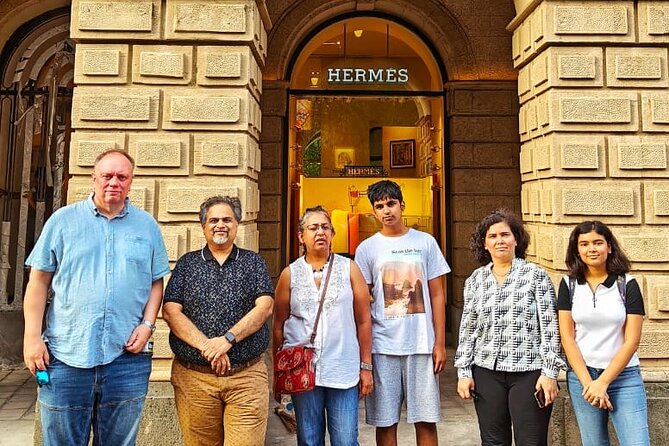
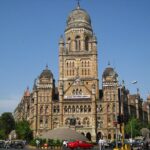
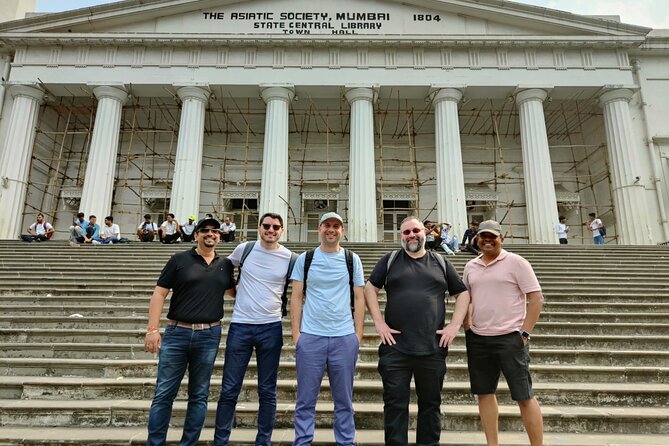
Your tour starts at the Asiatic Society area, at Town Hall (Asiatic Society Library). This is a great opening because it sets the tone: Mumbai didn’t change overnight. It shifted through influence and power—especially after Portuguese and British colonization—and the guide’s take here helps you connect the modern city you see outside to the forces that shaped the streets you’re about to walk.
In about 20 minutes, you’re not expected to memorize dates. Instead, you’re given the bigger framework: how colonization affected institutions and the built environment, and how those changes ripple into what visitors think of as classic Mumbai today. I like this kind of start because it gives you a lens. Without it, Fort can look like “old buildings.” With it, you start noticing the logic behind where things sit and what styles they carry.
Tip for photos: since you’re in the Fort zone, early in the walk is usually your best bet for clean shots before crowds build around the big-name stops later.
Horniman Circle Garden: Victorian Architecture and a Public Space That Has Lived Life
Next up is Horniman Circle Garden, a short stop of about 15 minutes. This is one of those places that’s easy to overlook if you’re focused only on headline landmarks. The value here is the context: it’s described as Mumbai’s oldest garden, with Victorian buildings surrounding it.
The guide’s angle matters—how this area functioned beyond scenery. It’s not just a green patch; it’s tied to public life and older routines that visitors might not guess from a quick walk-by. Even if you’re only taking a few photos, the garden helps you break the “architecture-as-objects” mindset and see it as “architecture-as-setting.”
Potential drawback: because this is a short stop, you’ll want to balance where you stand. Move a step or two so you’re not competing with the same couple of camera angles.
St. Thomas Cathedral Mumbai: Look Inside a Church With Real Age
St. Thomas Cathedral Mumbai is the kind of stop where the exterior might not scream for attention, but the interior is where the story lands. You’ll have around 15 minutes to spend inside, admiring the memorials and the grand altar.
This location is especially useful for your understanding of Mumbai’s cultural mix. The tour frames it as Mumbai’s oldest Anglican church. That kind of detail turns the building from a background object into a piece of long-running community identity.
When you’re inside, slow down. Instead of rushing from altar to wall, take time with what the memorials suggest: layers of people, eras, and community connections. It’s one of the stops where even a “quick glance” becomes more meaningful once you know what you’re looking for.
Flora Fountain and the Main Town Square Feeling
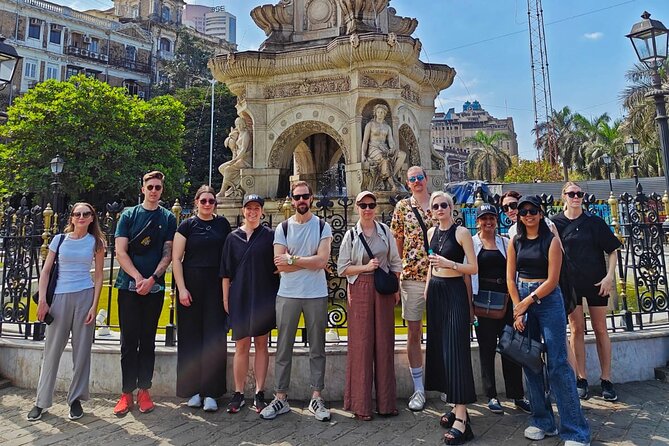
Flora Fountain is your “center of town” moment—about 15 minutes—and the comparison helps: it’s described as Mumbai’s answer to Piccadilly Circus and the Martyrs’ Memorial. That doesn’t mean it’s identical; it means it’s a landmark built for recognition and gathering.
This stop works well for understanding Mumbai’s public geography. You’ll see how open space, monument-style focal points, and surrounding buildings shape the mood of a neighborhood. It also gives you a visual pause before the route shifts again toward education and the cricket connection.
Practical note: if you’re planning lots of photos, you may want to take your shots while staying aware of how fast foot traffic flows around open squares.
You can also read our reviews of more guided tours in Mumbai




Oval Maidan: The Cricket Birthplace and a UNESCO Setting
Oval Maidan is next, and you get about 20 minutes here. The big hook is the birthplace of Indian cricket, placed inside a UNESCO World Heritage context. That’s a rare combo: sports origin story plus a globally recognized precinct.
The tour’s focus isn’t just the “famous fact,” though. You also get to look at the grand buildings that surround the maidan. This matters because it shows you how major public spaces often sit inside a ring of institutional power—government, education, and civic identity.
If you like cities that make you feel the past through planning and layout, this is a strong stop. You get both the human story (cricket as a cultural cornerstone) and the architectural story (how monumental buildings relate to open ground).
Photo tip: wide shots work well here. If you’re shooting only straight-on frames, you might miss the full “surrounded by” effect.
Rajabai Clock Tower: A Big Ben Twin With University Evolution Stories
At Rajabai Clock Tower, you’ll spend about 15 minutes. The tour describes it as Mumbai’s answer to Big Ben, and the guide adds the layer you actually want: stories about the evolution of the University of Mumbai.
This is a smarter type of landmark stop. The tower is eye-catching, but the real payoff is the explanation of how the university developed and how that development connects to the bigger city narrative. It’s an architectural viewpoint that turns a single building into a timeline.
Why this works on a walking tour: you’re not just seeing the clock tower. You’re seeing it in a sequence. By the time you arrive, you’ve already heard about Portuguese and British influence, public spaces like gardens and squares, and community institutions like churches. So the university story feels like another chapter, not a random “and now this.”
Kala Ghoda: Art District Architecture With Building Secrets
Kala Ghoda is about 15 minutes, and the vibe shifts toward Mumbai’s art district. You’ll marvel at diverse architecture and hear that buildings here hold secrets—details that your eyes might miss if you’re walking without guidance.
This is where a good guide earns their fee. Architecture looks different when someone points out the cues you’d otherwise ignore: stylistic transitions, design choices that hint at the era, and the way different buildings talk to each other across the street.
If you’re the type who likes taking photos but wants more than just a pretty scene, Kala Ghoda can deliver. Even on a short stop, you can walk away with an “I’ll notice that now” feeling—those tiny changes in attention that make travel stick.
Keneseth Eliyahoo Synagogue: Mumbai’s Jewish Enclave and Fading Signs
The Keneseth Eliyahoo Synagogue stop is about 15 minutes. It focuses on Mumbai’s Jewish enclave and signs of Jewish life that are now almost extinct in the city.
This is an important, careful stop. The point isn’t just to tick off a synagogue. It’s to understand how minority communities leave traces—sometimes visible, sometimes subtle—and how those traces can diminish over time.
Because the emphasis includes “almost extinct,” you might feel it more than you expect. That’s normal. If you prefer tours that keep things purely light, this may be your emotional pause. If you like history that’s honest and specific, it’s also one of the most meaningful segments.
Photo note: always follow what’s allowed inside and around the synagogue, since places of worship can have different rules.
Ending at the Gateway of India and the Taj Mahal Palace Hotel
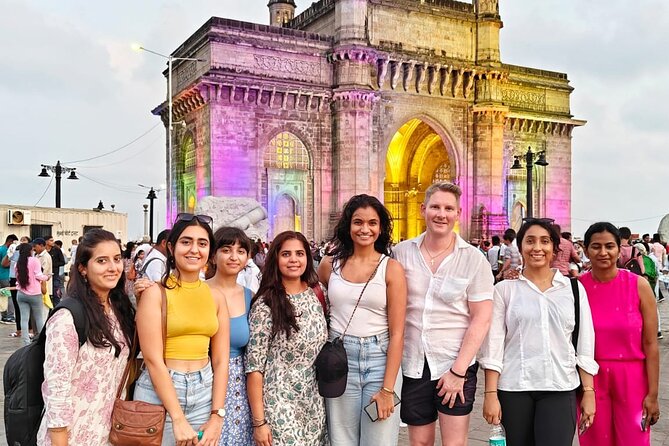
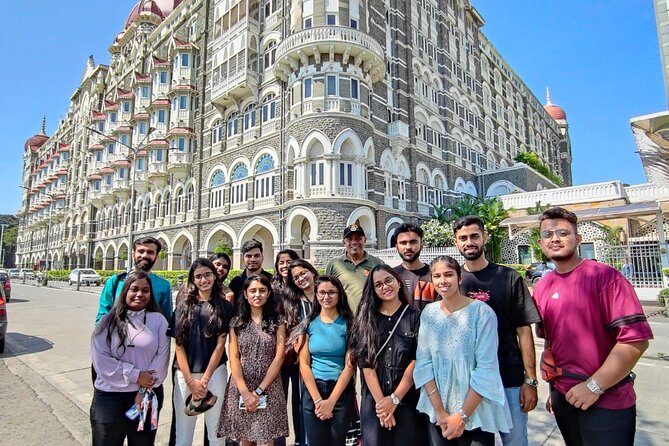
You finish at two of Mumbai’s iconic symbols: the Gateway of India and the Taj Mahal Palace Hotel area, with about 20 minutes at the end.
This closing stop is perfect because it ties everything together. Earlier you learned how Mumbai’s layers formed through colonial influence and local institutions. Now you end at a postcard-level landmark that visitors recognize immediately. The difference is that you’re not just taking the expected picture—you understand why that spot became such a magnet for history and public imagination.
It’s also a good place to regroup. If you’re meeting friends, planning your next meal, or deciding where to go next, the Gateway area is practical. You’ll have your bearings and a clear “final frame” for your Fort and Colaba day.
If your guide has built in a pace break—one tour mentioned a complimentary coffee break mid-walk—this is where you’ll feel the benefit most: you’ll have enough energy left to keep exploring after the guided portion ends.
Price, Value, and What You’re Really Paying For
At $16.73 per person for about 2 hours 30 minutes, you’re not paying for a long day. You’re paying for efficiency plus context.
Here’s why that matters in Mumbai: the city’s density means you can cover a lot of ground quickly, but it’s easy to miss meaning. A guided walk corrects that. Your money turns into more than movement—it becomes interpretation. With a small group (max 12), your guide can handle questions and tailor the pace to what you’re noticing.
Also, admissions are listed as free at every stop on the route. That helps the math. Instead of adding separate ticket costs and planning time for multiple venues, you’re guided through a stack of places where the entry is already covered for the scheduled visit.
Value question to ask yourself: do you enjoy learning “why it looks like that” as much as you enjoy photos? If yes, this is priced in a way that makes sense for most budgets.
Who This Tour Suits Best (and Who Might Want a Different Plan)
This walk is especially good for you if:
- you want a high-signal overview of old Mumbai without spending all day on logistics
- you like architecture and public spaces, not just museum interiors
- you want recommendations from someone who knows the area
It may be less ideal if:
- you hate walking for a couple of hours (even at a moderate pace)
- you only care about one or two headline sites and don’t want a sequence
- weather is a big unknown in your dates, since the tour requires good conditions
If you’re visiting for the first time, this tour also helps you get your bearings fast. If you’re returning, it can be a way to notice details you missed earlier.
Should You Book the Fort and Colaba Walking Tour?
I’d book it if you want a compact route that turns famous Mumbai sights into a coherent story. The small group size, the guided explanation of roughly 500 years of change, and the mix of stops—from Horniman Circle Garden and St. Thomas Cathedral to Oval Maidan, Rajabai Clock Tower, and the Jewish enclave—make it feel like more than a photo walk.
I’d think twice only if you know you’ll be frustrated by short time windows inside active places of worship and landmark interiors. Also keep an eye on the forecast; the experience requires good weather, and that’s the one factor that can disrupt your plan.
If you want a guided day that’s practical, informative, and genuinely useful for planning the rest of your Mumbai itinerary, this one earns its place.
FAQ
How long is the Fort and Colaba walking tour?
The tour lasts about 2 hours 30 minutes.
What does the tour cost?
It costs $16.73 per person.
How big is the group?
The tour has a maximum group size of 12 travelers.
Where does the tour start and where does it end?
It starts at Town Hall (Asiatic Society Library) in Fort and ends at the Gateway of India area in Colaba.
Is the ticket digital?
Yes, you receive a mobile ticket.
Are admissions included for the stops?
The listed admission for each scheduled stop is free.
What if the weather is bad?
The experience requires good weather. If it’s canceled due to poor weather, you’ll be offered a different date or a full refund.