Dawn in Mumbai runs on fish and flowers. This guided morning outing takes you into the workday rhythm most visitors miss, starting at Sassoon Dock and moving through the Dadar flower lanes and the calm-but-moving Banganga ghats area. I especially like how quickly you get oriented to the city’s real economy—fish and flowers, traded at wholesale scale—and how the guide helps you connect the sights to India’s food culture instead of treating it like a photo safari.
The trade-off is timing and intensity: you’re up early, and the market areas can feel chaotic. If you’re sensitive to strong smells or crowded footpaths, plan to keep expectations practical (and yes, wear shoes you can tolerate).
In This Review
- What You Get for $40 in 3–4 Hours
- Key Points to Know Before You Go
- Why Daybreak in Mumbai Feels Different (and Worth It)
- Sassoon Dock: Wholesale Fish Market at Work
- Dadar Flower Market Under the Flyover: Close-Up and Narrow
- Banganga Ghats: A Cultural Pause With Strong Meaning
- Walking With a Personal Guide: How the Food Culture Thread Works
- Pickup, Private Tour Feel, and How to Plan Your Morning
- Timing matters
- What’s included (and what isn’t)
- Price and Value: Is $40 a Good Deal?
- Who This Tour Suits Best (and Who Should Skip It)
- Should You Book Mumbai by Dawn?
- FAQ
- How long is the Mumbai by Dawn tour?
- Where are the main stops during the tour?
- Is pickup and drop-off included?
- What’s included in the price?
- Are food and drinks included?
- Do I get a mobile ticket?
- Is this a private tour?
- What is the cancellation policy?
- Are service animals allowed?
What You Get for $40 in 3–4 Hours
At $40 per person, this is priced like a straightforward walking tour with a few key market stops. You get bottled water, all taxes/fees, and pickup/drop-off if you select that option. You also get a private setup for your group, with a mobile ticket and the option of group discounts—handy if you’re booking with friends.
If you’re craving a calm, late-morning start with classic sights, this may feel too busy for your style. If you want the city’s daily engine, it’s a great fit.
Key Points to Know Before You Go
- Sassoon Dock is a public-access wholesale fish market where you’ll see Mumbai’s morning buying and selling in full motion
- Dadar flower market runs under the flyover, and it’s all narrow lanes and close-up trading
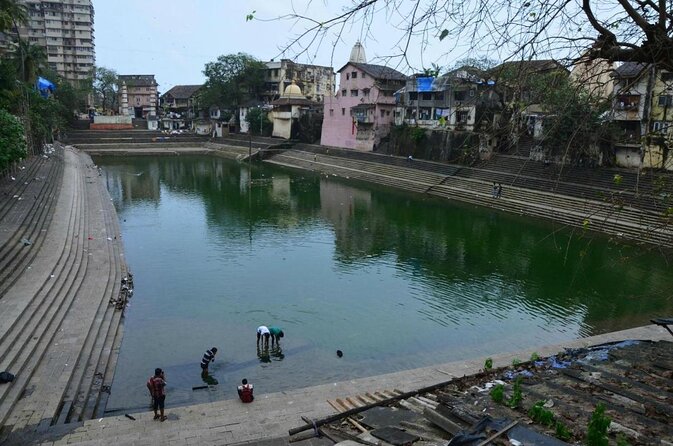
- Banganga adds a quieter cultural layer with a freshwater tank and ghats tied to mythology and cremation-ash immersion
- You’ll walk chaotic streets with a personal guide, focused on what this means for local food culture
- Bottled water is included, but food and drinks aren’t, so plan on buying what you want
You can also read our reviews of more tours and experiences in Mumbai.
Why Daybreak in Mumbai Feels Different (and Worth It)
Mumbai at dawn has a particular energy: people move with purpose, not just for sightseeing. That’s why tours like this work—you’re not watching from the sidewalk. You’re walking with a guide through the same early-hour flow that keeps the city stocked with ingredients and supplies.
I like that the focus stays grounded in daily life. Sassoon Dock isn’t framed as a museum stop; it’s framed as a functioning harbor and wholesale marketplace that happens to be visible. The flower market at Dadar works the same way: it’s not about pretty blooms for tourists; it’s about the supply chain that feeds homes, shops, and rituals.
You should also know that “early” is part of the value. If you’re thinking you can sleep in and still get the same experience, you can’t. The whole point is catching the workday before the city ramps up further.
Sassoon Dock: Wholesale Fish Market at Work
Sassoon Dock is one of Mumbai’s oldest harbors and is described as the largest wholesale fish market in the city. It’s also one of the few docks in Mumbai that’s open to the public, which matters because you get a real look at the market side rather than standing behind barriers.
Here’s what you can expect from the vibe:
- Fish activity is fast. People handle lots of product, and the pace can be intense.
- You’ll see auctions and the fresh-catch side of the market process.
- You’ll likely have limited “wandering” space—this is practical ground, not a wide promenade.
A practical tip from experience in this kind of setting: wear washable shoes. You may get splashes, dust, or general dock grime. Even if you’re careful, you’ll be walking on surfaces that are meant for work, not for tourists’ clean feet.
What I like most: the sense that you’re watching how ingredients enter Mumbai’s food world. Seeing the wholesale scale helps you understand why food culture here can be so ingredient-driven.
Potential drawback: if you’re not comfortable with crowds, strong smells, and noise, this first stop may feel overwhelming. You can still enjoy it, but keep it realistic: this is a working dock.
Dadar Flower Market Under the Flyover: Close-Up and Narrow
After the fish market energy, the tour moves to Dadar. Right outside the station, under the Dadar flyover, you’ll find a wholesale flower market—described as possibly the only one in Mumbai. That phrasing matters: it hints that you’re not dealing with a generic tourist bazaar. You’re dealing with a dedicated supply lane.
The setting is compact: narrow lanes with kiosks and stalls, and even wooden planks used for selling. That means you’ll get close to the action. It’s not a wide-market stroll where you can casually scan every stall from afar.
What I like here: the contrast. Fish is about heavy, fast handling of produce; flowers are about dense, close trading where freshness and presentation matter. Together, they give you a quick education in two different “ingredient worlds.”
Watch-outs: narrow lanes mean you’ll be shifting around other people who are shopping or moving product. If you’re traveling with someone who struggles with tight spaces, go slow and keep your group close to your guide.
Banganga Ghats: A Cultural Pause With Strong Meaning
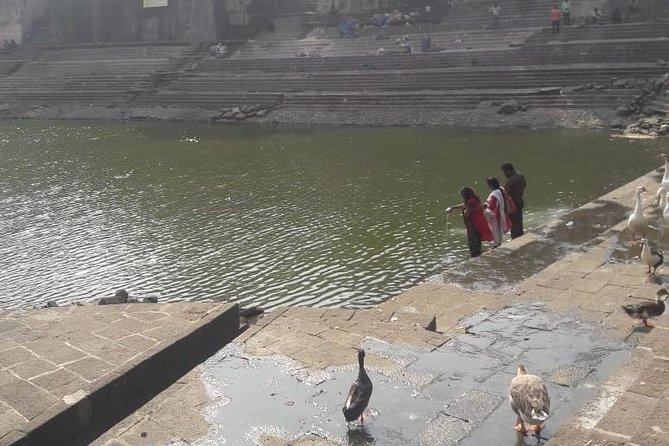
Then you get a change of pace at Banganga. Banganga is a freshwater tank surrounded by ghats. The area is used to immerse ashes in Mumbai, which gives it a serious, human connection rather than just scenic value. According to mythology, Lord Rama and his brother Lakshman took rest here while on their quest—so you’ll see how belief, ritual, and geography overlap in one location.
This stop is only described as about 20 minutes, so it’s not a long sit-and-stare. But it’s enough time to notice the tone shift from market intensity to a more reflective space.
What I like: even with a morning built around markets, Banganga adds a cultural layer you can’t get from markets alone. It helps you understand Mumbai as a city where everyday commerce and deep ritual share the same map.
Consideration: because of the ash-immersion connection, this may feel emotionally heavier than the other stops. If you’re the type who prefers purely upbeat sights, this could catch you off guard. For many people, though, it’s the part that turns the tour from “cool sights” into “understanding.”

Walking With a Personal Guide: How the Food Culture Thread Works
A key part of this experience is that you walk the chaotic streets with a personal guide. The intent is to connect what you’re seeing to India’s food culture—how raw inputs become meals, why the supply chain matters, and what locals pay attention to in the morning.
You’ll also get a smoother experience out of having someone guide you through what’s otherwise overwhelming. Market streets aren’t always intuitive for first-timers: your eyes can get stuck on everything at once. A good guide helps you focus on the details that actually explain the city’s daily rhythm.
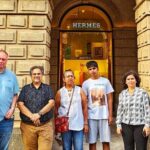
One guide name that comes up in the feedback is Kamkesh. The highlight isn’t just that he knows places—it’s that he makes the morning feel manageable and ends with something comforting like chai. Since food and drinks aren’t included in the tour price, think of this as “time to want something” rather than “included tasting.”
My practical advice: if chai or snacks are your thing, treat them as optional add-ons. The tour includes bottled water, so you can use that as your hydration anchor and then buy whatever you want to eat or drink when the mood hits.
Pickup, Private Tour Feel, and How to Plan Your Morning
This is set up as a private tour/activity, meaning only your group participates. That’s a big quality-of-life upgrade. You won’t have to negotiate constant crowd flow with strangers, and your guide can tailor pacing to your comfort level.
Pickup is offered and drop-off is included only if you select that option. The tour also notes near public transportation, so even if you’re doing it with or without pickup, you should be able to position yourself reasonably.
If you’re arriving via a cruise, there’s a specific instruction: for the private tour option, cruise terminal customers must meet at the green gate. That’s the kind of detail that saves time and avoids stress, so double-check your exact meeting point when you confirm.
Timing matters
The duration is about 3 to 4 hours, which is just long enough to hit three distinct stops and still feel like a real morning experience. But it’s short enough that you can recover afterward. If you’re thinking of stacking other activities the same day, this is usually workable.
What’s included (and what isn’t)
Included:
- all taxes/fees/handling charges
- pickup/drop-off if you choose the option
- bottled water
Not included:
- food and drinks
- pickup/drop-off if you choose not to add it
The included bottled water is a real kindness in hot climates. Still, keep in mind you’ll be walking and likely sweating, so plan to purchase extra drinks if you know you run thirsty.
Price and Value: Is $40 a Good Deal?
For $40 per person, you’re paying for early access to working market zones with a guided thread that connects the sights to food culture. You’re not paying for museum tickets or view decks here. Instead, you’re paying for time, local knowledge, and the ability to move through places that feel hard to navigate on your own.
This is also one of those experiences where “cheap” can get expensive if you mis-prepare. If you show up without the right shoes or without mental readiness for noise and crowds, you may spend the tour thinking about discomfort instead of learning. The value is highest when you treat it like a working-morning walk.
In other words:
- If you like street-level experiences and want to understand how ingredients move through Mumbai, the price feels fair.
- If you want polished, slow-paced sightseeing, you may feel the early morning cost wasn’t worth it.
One more detail: this tour is commonly booked about 26 days in advance on average. That suggests demand. If your dates are fixed, don’t wait until the last moment to lock it in.
Who This Tour Suits Best (and Who Should Skip It)
This works especially well if you:
- want real Mumbai workday scenes, not only landmarks
- enjoy markets and everyday food culture
- travel in a group that benefits from private pacing
- can handle early starts and close-up street walking
It’s less ideal if you:
- dislike early mornings
- have low tolerance for crowds, dock smells, or narrow lanes
- want a tour with food tastings that are guaranteed as part of the price
Should You Book Mumbai by Dawn?
I think you should book it if you want your first taste of Mumbai to be practical and human. The mix of fish auctions at Sassoon Dock, the wholesale flower market in Dadar, and the Banganga ghats gives you a morning arc—commerce, supply, and ritual—without feeling like a checklist of famous monuments.
One reason it’s compelling is that it’s short enough to keep you fresh, but structured enough to make the chaos make sense. And if you get a guide style like Kamkesh—the kind that keeps you moving and ends with something comforting—you’ll likely finish with a calmer understanding of what you just saw.
If your ideal travel day starts later, or you’re looking only for photo-perfect sights, you might feel underwhelmed. But if you want to see Mumbai as the city actually runs, this is a strong choice.
FAQ
How long is the Mumbai by Dawn tour?
It runs for about 3 to 4 hours.
Where are the main stops during the tour?
The stops include Sassoon Dock, Dadar, and Banganga.
Is pickup and drop-off included?
Pickup and drop-off are included only if you select the pickup option. If you do not select it, pickup and drop-off are not included.
What’s included in the price?
The price includes all taxes, fees, and handling charges, bottled water, and pickup/drop-off if you choose that option.
Are food and drinks included?
No. Food and drinks are not included.
Do I get a mobile ticket?
Yes. The tour includes a mobile ticket.
Is this a private tour?
Yes. It is listed as a private tour/activity, so only your group will participate.
What is the cancellation policy?
You can cancel for a full refund up to 24 hours before the experience starts.
Are service animals allowed?
Yes. Service animals are allowed, and the tour is near public transportation.