REVIEW · CITY TOURS
Mumbai: Private City sightseeing and Dharavi Slum Tour
Book on GetYourGuide →Operated by Tours By Walk · Bookable on GetYourGuide
Mumbai changes mood every few streets. This private city + Dharavi slum day is built for seeing how Mumbai’s big-name landmarks sit right beside everyday enterprise in Dharavi, and the English-speaking guide (Rakesh is especially praised) keeps the stories clear, local, and easy to follow. You’ll get the best of both worlds: iconic structures in South Mumbai, then a guided walk through the small workshops and community life that power Dharavi.
One thing to plan for: it’s an 8-hour outing with lots of quick stops and walking, and food and drinks are not included, so you’ll want your own snacks or a proper meal strategy. If you’re sensitive to crowded streets and close-up realities, go in with patience and comfortable shoes.
In This Review
- Key Things That Make This Tour Worth Your Time
- Why This Mumbai City-and-Dharavi Combo Works
- The Flow of Your 8 Hours in the Real Order
- Dharavi: Learning Through Narrow Alleys and Small Industries
- A Quick Note on How to Handle the Emotional Side
- Dhobi Ghat: The Open-Air Laundry Stop
- Chhatrapati Shivaji Maharaj Terminus (CST): When Architecture Tells Time
- British-Era and Institutional Mumbai: The Stops That Give You Bearings
- The Taj Mahal Palace Hotel: The Story You’ll Hear on the Way
- Gateway of India and Marine Drive: Waterfront Icons with Real City Texture
- Mani Bhavan and Gandhi’s Mumbai: A Short Stop with Big Meaning
- Hanging Gardens: Skyline Views and a Parsi Burial-Place Context
- How Much Is It Really Worth at $109 per Group (Up to 3)?
- The One Missing Piece
- What You’ll Walk Away With
- Who This Tour Suits Best
- Should You Book It?
- FAQ
- How long is the tour?
- What is the price?
- Is pickup and drop-off included?
- Is there an English-speaking guide?
- Are entry tickets included?
- Are food and drinks included?
- Do I need special tickets in advance?
- Where does the pickup happen?
- What should I bring?
- Is free cancellation available?
Key Things That Make This Tour Worth Your Time
- Rakesh-led guidance: Friendly, question-friendly, and very good at turning landmarks into real stories.
- Dharavi walk with a guide from inside: The guide lives in the slum, which changes the tone from sightseeing to understanding.
- A high-contrast city route: You’ll pair major British-era and landmark sights with present-day working Mumbai.
- Hands-on stop variety: Leather, pottery, soap making, bakery work, color dye, recycling, and more are woven into the walk.
- Dhobi Ghat viewing: An open-air laundry stop where clothes get washed in public view.
Why This Mumbai City-and-Dharavi Combo Works
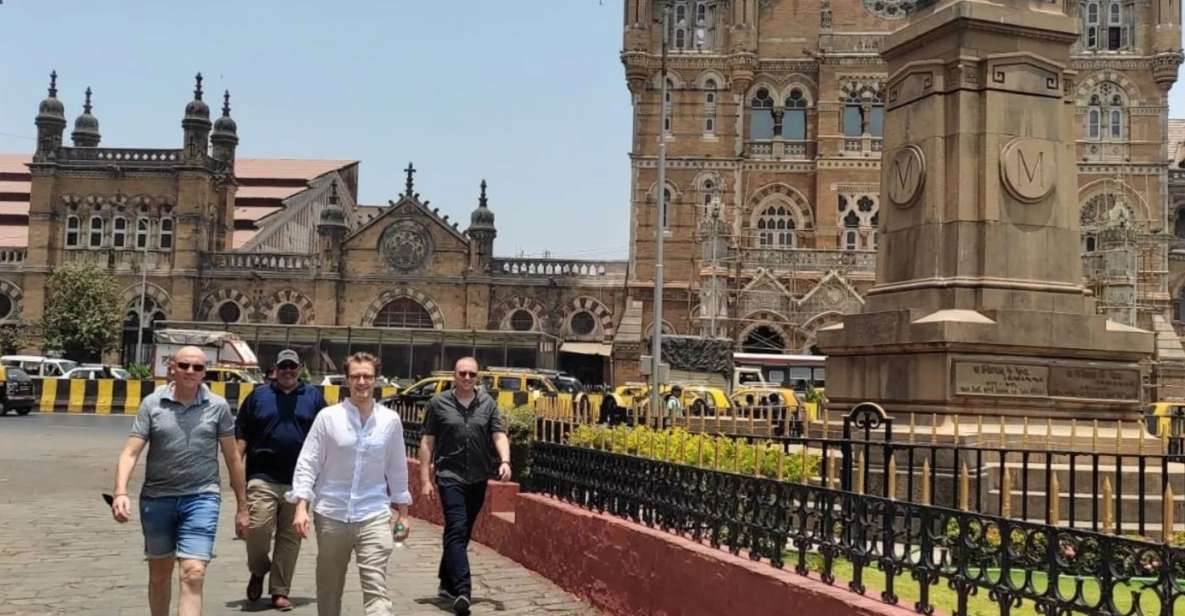
This tour isn’t just about ticking famous sights. It’s about context. Mumbai can look like a movie from one street corner and like a working workshop from the next, and the day is structured to show you that shift.
I like that you don’t stay in “photo mode” all day. The city portion gives you the monuments people mention first. Then Dharavi adds the lived-in layer: small-scale production, recycling, local businesses, schools and hospitals, and how community and work overlap.
The value also makes sense. You’re paying for a private format up to 3 people, with hotel pickup/drop-off, English guiding, and entry tickets bundled in. That matters in a city where independent logistics can quietly eat hours.
You can also read our reviews of more city tours in Mumbai



The Flow of Your 8 Hours in the Real Order

After pickup in Mumbai, you start with Dharavi (about 2 hours). That early timing matters. Dharavi can set your expectations for the rest of the day, so the city stops later feel less like separate worlds.
Then the route moves through major South Mumbai highlights and viewpoints, with a mix of:
- short, focused guided stops (often around 5–20 minutes for sights like gateways and clock towers)
- a couple of walking moments (like Dhobi Ghat and stretches along the waterfront area)
- guided driving past several British-era landmarks and ceremonial spaces
Because the itinerary packs a lot in, your guide becomes the key to making sense of it all. A strong guide helps you catch the “why” behind each stop, not just the “what.”
Dharavi: Learning Through Narrow Alleys and Small Industries

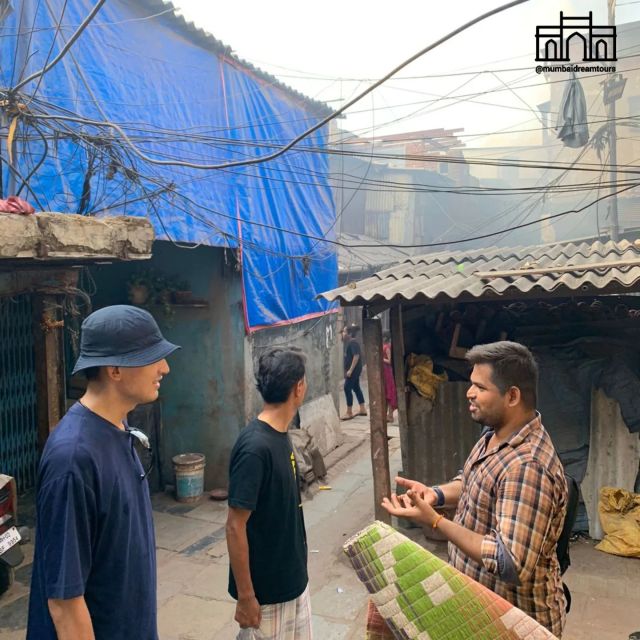
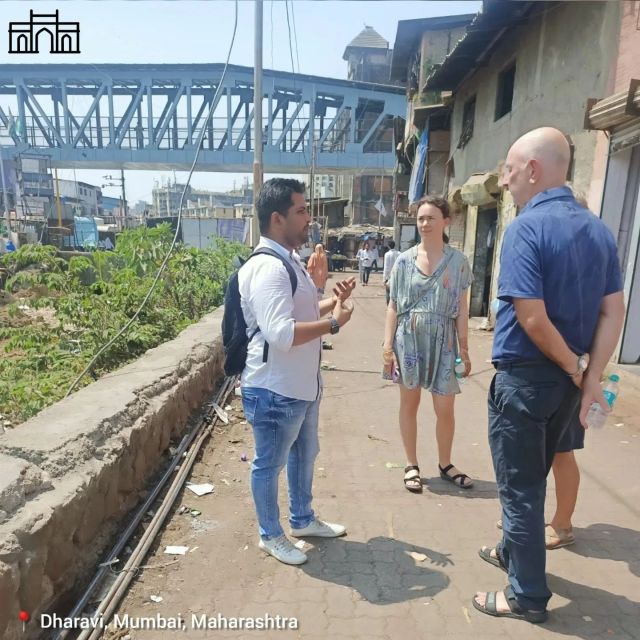
Your Dharavi portion is a guided walk designed to show daily life and small enterprise. Expect a close-up view of how people organize space, work, and community around very tight lanes.
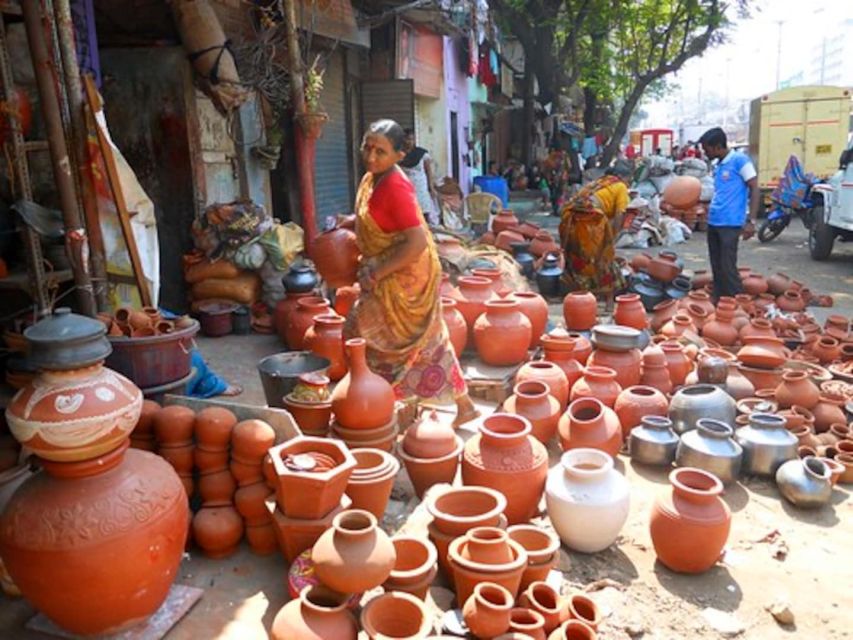
You’ll pass and learn about different kinds of production and recycling activity, including:
- leather industries
- pottery work
- soap making
- bakery processes
- color dye
- plastic recycling
- cooking oil recycling (veg oil recycling)
You’ll also see community spaces and everyday structures, like schools and hospitals, plus homes inside the settlement.
One detail that adds real credibility: the tour’s guide lives in the slum. That doesn’t make it “better” in a marketing sense, but it does change what you notice. You’re more likely to hear practical explanations and the logic behind how things operate, instead of polished, generic talk.
A Quick Note on How to Handle the Emotional Side
Dharavi isn’t meant to be “shocking tourism.” It’s working life. Still, it can hit you emotionally because you’re seeing hardship and resilience at the same time. Go in with a calm pace. Keep questions respectful. And remember this is a walk, not a stage show.
Dhobi Ghat: The Open-Air Laundry Stop
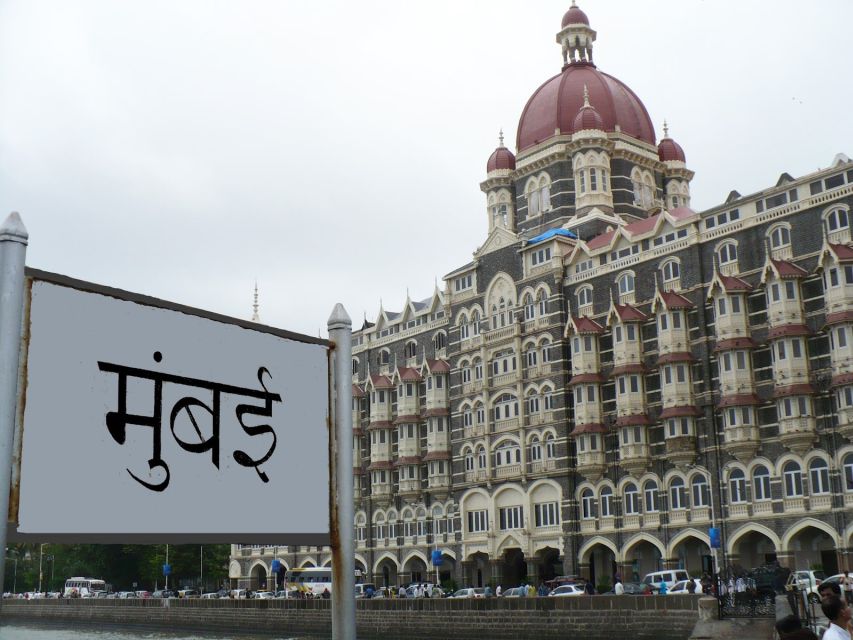
After Dharavi, you’ll head to Dhobi Ghat, a short guided visit and walk (about 20 minutes).
Here’s what makes this stop practical and memorable: you can watch clothes being washed in public view. It’s not a museum demonstration. It’s an ongoing process, tied to work and routine.
Even if you’re not a “laundry person,” this is a great way to understand Mumbai as a working city. It shows you how public space is used for real tasks, not just transit and shopping.
You can also read our reviews of more private tours in Mumbai



Chhatrapati Shivaji Maharaj Terminus (CST): When Architecture Tells Time

Next up is Chhatrapati Shivaji Maharaj Terminus, with guided sightseeing and a short stop (around 20 minutes).
CST is one of those places where you notice details faster than you’d expect: carvings, scale, and the sense that this building is both infrastructure and statement. If you’ve ever wondered why cities protect certain structures, this is a strong example.
This stop also gives your day a “frame.” You’ve been walking through everyday production in Dharavi and Dhobi Ghat; CST shows the other side of Mumbai: the grand public face built for movement and prestige.
British-Era and Institutional Mumbai: The Stops That Give You Bearings
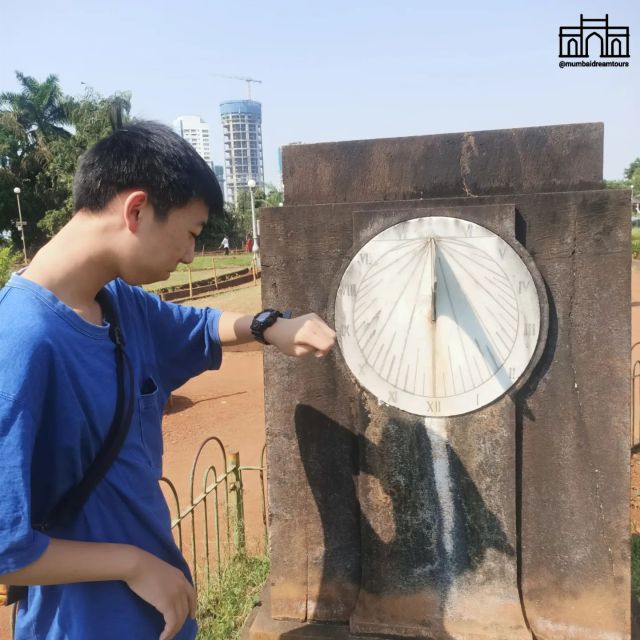
Your day includes several short guided segments around colonial-era landmarks and key city institutions. Some stops you’ll cover include:
- Watson’s Hotel ruins (linked to how the Taj Mahal Palace Hotel came about)
- Oval Maidan viewpoints (for skyline energy and orientation)
- Kala Ghoda area (a historic district stop)
- driving past multiple British heritage sites like Flora Fountain and Hutatma Chowk, the Telegraph Office, India Post Office Building, and the broader Kala Ghoda area
These aren’t just “pretty buildings” stops. Used right, they help you understand how Mumbai grew: who had power, what the city looked like on paper, and how that blueprint still shapes street-level life.
The Taj Mahal Palace Hotel: The Story You’ll Hear on the Way
You’ll visit the Taj Mahal Palace, Mumbai area for a short guided look (about 10 minutes). And you’ll get the backstory connected to the Watson’s Hotel episode—why one plan failed and another major hotel idea took off.
Even with a brief stop, this is where a guide’s storytelling matters. Without context, it’s just another landmark. With context, you start to see how personal decisions shaped major city-scale results.
Gateway of India and Marine Drive: Waterfront Icons with Real City Texture
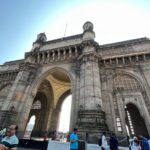
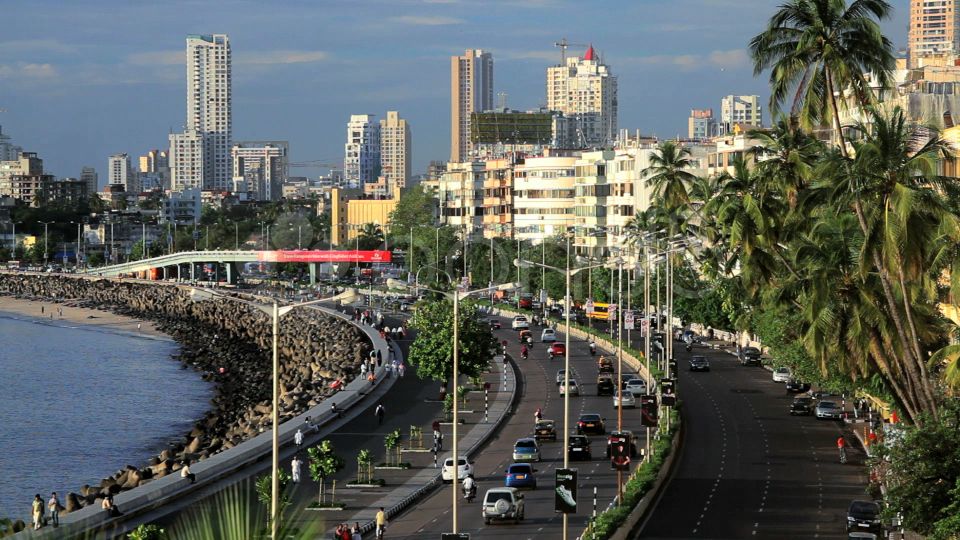
You’ll spend time at Gateway of India with guided sightseeing and a short walk (about 20 minutes). Then you’ll move through the Taj Mahal Palace area and onto Marine Drive for a guided stop (around 10 minutes).
This portion is great for two reasons:
- You get iconic views that help you orient to South Mumbai.
- You can watch how people flow around famous places, which is a different kind of learning than standing inside a building.
Marine Drive and the waterfront also connect the emotional tone of the city stops. One minute you’re looking at major institutions; the next you’re seeing everyday movement in public space.
Mani Bhavan and Gandhi’s Mumbai: A Short Stop with Big Meaning
Next is Mani Bhavan, visited for about 30 minutes.
This isn’t a long museum day. It’s a focused stop that ties Mumbai to India’s independence story. You’ll likely appreciate this more if you want the city’s modern identity explained through leadership and lived events, not just architecture.
A useful tip: take a breath here. The day is moving fast, and Mani Bhavan gives your mind a slower track.
Hanging Gardens: Skyline Views and a Parsi Burial-Place Context
You’ll also visit Hanging Gardens (about 20 minutes). The stop includes a guided explanation connected to nearby context—gardens built on top of water tanks near the Tower of Silence area (the Parsi burial place).
Even if you don’t linger long for photos, you’ll come away with a stronger sense of how Mumbai stacks layers: civic space, water storage history, and religious practice tied to land use.
This is one of the few stops where the “why here” question becomes obvious. The view helps you see the city’s size, but the historical context helps you see its complexity.
How Much Is It Really Worth at $109 per Group (Up to 3)?
At $109 per group up to 3 people for an 8-hour private tour, the price can be a good deal—especially because key costs are bundled.
Here’s what’s included based on the tour details:
- hotel pickup and drop-off
- English-speaking guide
- entry tickets
- a mineral water bottle
Also, the tour includes skip the ticket line, which can save time at popular stops.
Where the math gets tricky is simple: if you’re traveling solo, the group price still applies. But if you’re two or three, you’ll often pay less than assembling the same day of guided admissions + transport on your own.
The One Missing Piece
Food and drinks aren’t included. That’s not a deal breaker, but it does mean you should plan a snack in your day bag and pick your meal timing carefully.
What You’ll Walk Away With
If you care about understanding a city instead of just visiting it, you’ll likely finish this tour with two lasting impressions:
- Mumbai’s famous buildings don’t exist in a vacuum. They grew alongside real working life.
- Dharavi is not a single story. It’s a web of small industries, recycling, community institutions, and household-level enterprise.
And if you’re relying on the guide to make it all coherent, you’re in good hands. The experience is strongly praised for how guides explain things and answer questions, with Rakesh coming up again and again for friendliness and city knowledge.
Who This Tour Suits Best
This is a strong fit for you if:
- you want a structured day with pickup, guiding, and major highlights handled
- you’re curious about Mumbai’s contrasts and want more than surface-level city photos
- you prefer private pacing rather than squeezing into large group tours
It may feel less ideal if:
- you’re not comfortable with a full 8 hours of walking and short stops
- you want a long, slow museum-style experience at just one or two places
- you need guaranteed meals (since food isn’t included)
Should You Book It?
Yes, if you like your Mumbai with context. The private setup, included tickets, and hotel pickup make it easy to do without losing half your day to figuring out logistics. The Dharavi portion adds a real-world layer, especially because the guide lives there and you’re shown practical industries like leather, pottery, soap making, and recycling work.
I’d book this even if you’ve been to Mumbai before, as long as you haven’t done a Dharavi walking experience with guided explanations tied to daily production and community life. If your goal is a fast hit of icons only, you might prefer a pure city tour.
FAQ
How long is the tour?
The tour duration is 8 hours.
What is the price?
The price is $109 per group, up to 3 people.
Is pickup and drop-off included?
Yes. Hotel pickup and drop-off are included.
Is there an English-speaking guide?
Yes. The guide is English speaking.
Are entry tickets included?
Yes. Entry tickets are included.
Are food and drinks included?
No. Food and drinks are not included.
Do I need special tickets in advance?
The tour includes entry tickets and also notes skip the ticket line.
Where does the pickup happen?
Pickup is listed as Mumbai. You send your pickup and drop location.
What should I bring?
Bring comfortable shoes for walking.
Is free cancellation available?
Yes. You can cancel up to 24 hours in advance for a full refund.