REVIEW · EVENING EXPERIENCES
Mumbai Night Lights & Iconic Sights Tour
Book on GetYourGuide →Operated by Explore Mumbai Tours · Bookable on GetYourGuide
Mumbai’s night skyline hits different. You get a smooth mix of iconic landmarks and quieter evening moments, all lit up against the Arabian Sea. I like that the route is built around big photo stops like the Gateway of India and Chhatrapati Shivaji Maharaj Terminus, and also around calmer viewpoints where you can actually take it in. The biggest drawback to plan for is that it’s a night walk plus car time, so you’ll want comfy shoes and patience for crowds around the major sights.
What makes this tour especially easy to recommend is the people quality. Guides lead in English, and several departures highlight strong safety habits around cameras and personal space, which matters in busy areas. With a 2.5 to 3.5 hour length and bottled water included, it’s a practical add-on for a first visit, even if you’re not trying to cram every monument into one evening.
In This Review
- Key Points You Should Know Before You Go
- Mumbai Looks Like a Movie After Dark
- Gateway of India, the Bombay Stock Exchange, and the Colonial Buildings That Frame the City
- Chhatrapati Shivaji Maharaj Terminus: UNESCO Architecture in Full Night Lighting
- Marine Drive and the Queen’s Necklace Streetlight Walk
- Malabar Hill’s Night Spiritual Energy: Jain Temple Lights and Sacred Water
- Pramod Navalkar Viewing Gallery: Sunset-to-City-Lights Transition
- How the 2.5–3.5 Hour Format Feels on the Ground
- The Guide and Driver Factor: Why Javed, Sharon, and Others Get Mentioned
- Price and Value: Is $16 Reasonable for This Much Night Sightseeing?
- Who This Tour Is Best For (and Who Might Prefer Another Plan)
- Should You Book This Mumbai Night Lights Tour?
- FAQ
- How long is the Mumbai Night Lights & Iconic Sights Tour?
- What is the price per person?
- Do I get a live guide, and is it in English?
- What notable places are included on the route?
- What’s included in the tour price?
- What if plans change?
Key Points You Should Know Before You Go
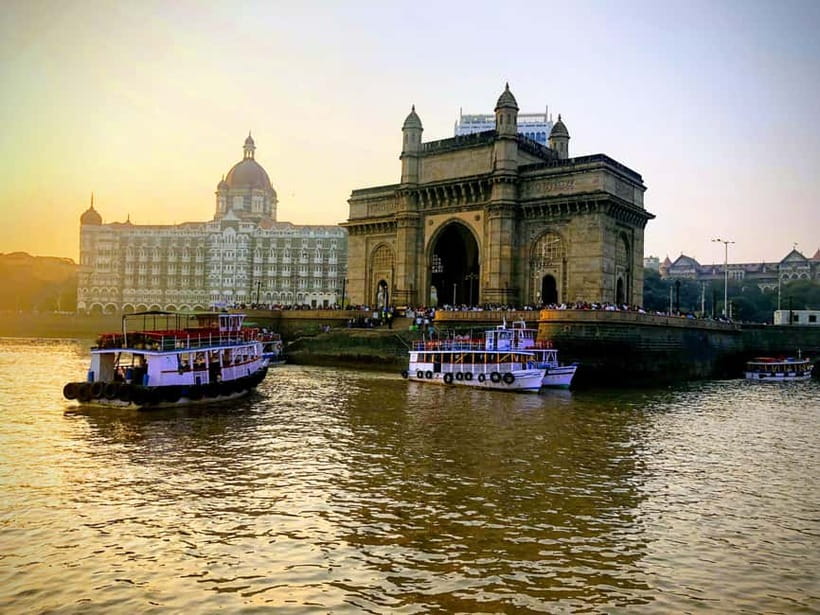
- Big sights at night, short stops by design so you see a lot without feeling stuck all evening.
- Chhatrapati Shivaji Maharaj Terminus is a highlight: UNESCO-level architecture in Victorian Gothic style, lit up for photos.
- Marine Drive’s Queen’s Necklace view gives you that classic Mumbai “string of pearls” streetlight look.
- Malabar Hill stops add spiritual context with Jain Temple lights and sacred-water moments in the area.
- A sunset-capable photo stop at the Pramod Navalkar Viewing Gallery helps you catch the sky shift from orange to city lights.
- Top guide focus on safety and questions is repeatedly mentioned by name in feedback, including Javed and Sharon.
Mumbai Looks Like a Movie After Dark
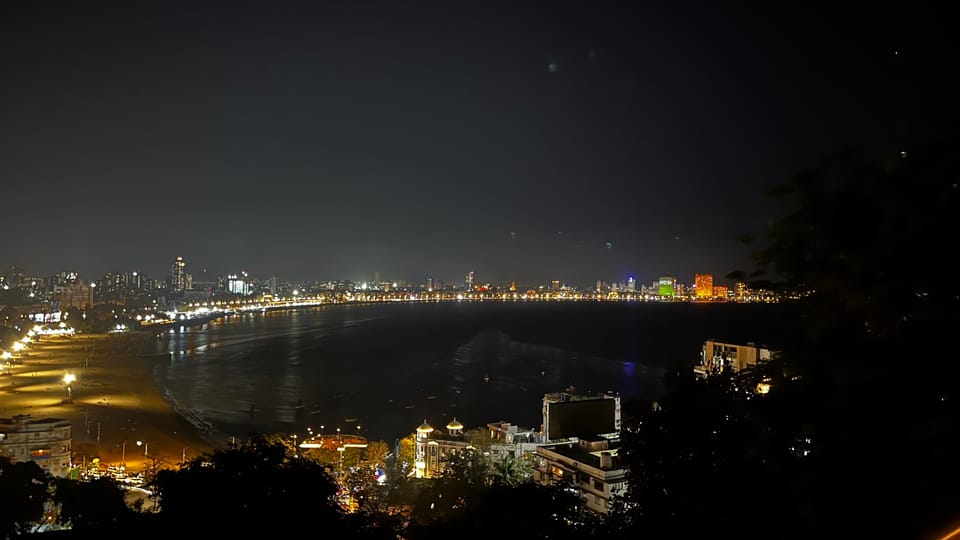
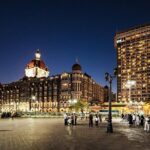
Mumbai at night feels more human. During the day, the city can be a lot to process: traffic, noise, crowds, and constant motion. At night, the street rhythm loosens. Landmarks look sharper because light turns architectural details into the main event.
That’s exactly how this tour is structured. You’re not just driving past buildings—you’re getting brief guided moments that help you know what you’re looking at. The result is that the city feels less random. You start connecting dots between colonial-era buildings, India’s rail legacy, and modern Mumbai’s coastline swagger.
And yes, the sea matters here. When you’re near the Arabian Sea—especially around the Gateway of India and Marine Drive—the air and lighting make even a short walk feel special.
You can also read our reviews of more evening experiences in Mumbai

Gateway of India, the Bombay Stock Exchange, and the Colonial Buildings That Frame the City
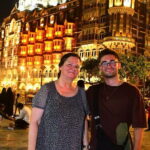
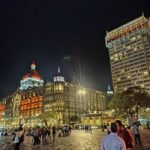
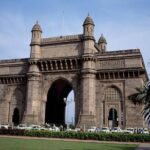
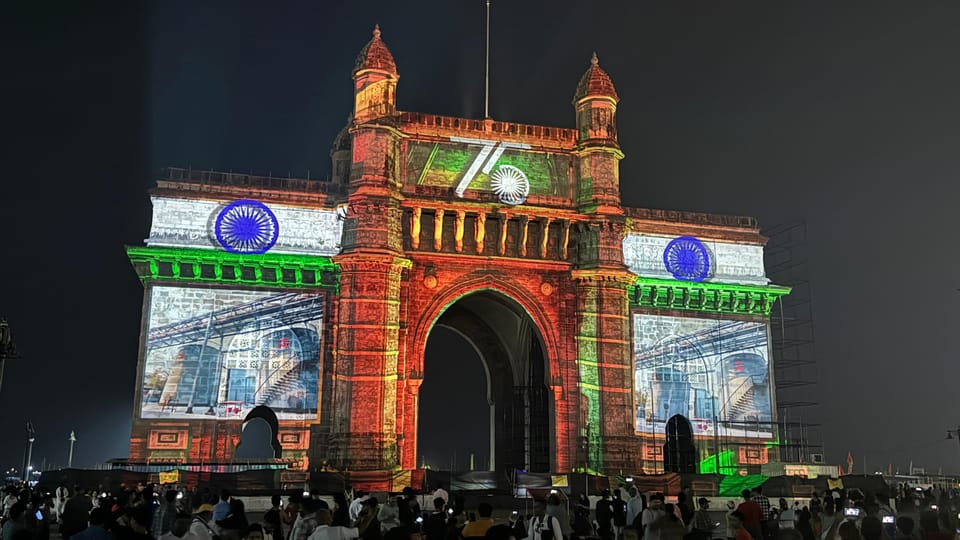
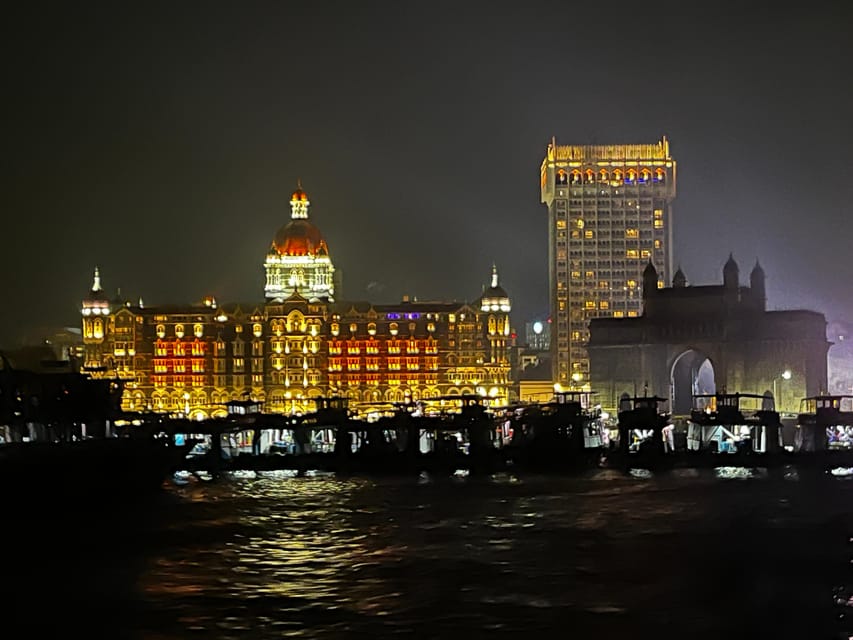
Most night tours start with a monument. This one starts with the monument: the Gateway of India, right by the Arabian Sea. Even with just 15 minutes, it’s enough time to orient yourself. The lights bouncing off the water turn the area into a ready-made photo scene, but the guide’s storytelling is what helps you understand why this place became an icon.
From there, you continue toward the Bombay Stock Exchange, often described as the beating heart of India’s finance. The practical value here is simple: you get context for the skyline. Instead of treating downtown as just a cluster of tall buildings, you learn what drives the motion of the city.
Then come the colonial-era landmarks that many first-time visitors rush by without fully noticing:
- High Court of Bombay
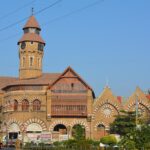
- Rajabai Clock Tower
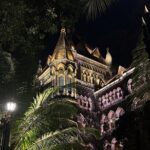
At night, their facades look extra dramatic because lighting emphasizes shape and symmetry. These stops are short, but they work because the guide helps you read the architecture instead of just admiring it.
One small thing I appreciate: you’re walking only briefly between points. That keeps the energy up, especially if you’re coming straight after a long travel day.
Chhatrapati Shivaji Maharaj Terminus: UNESCO Architecture in Full Night Lighting
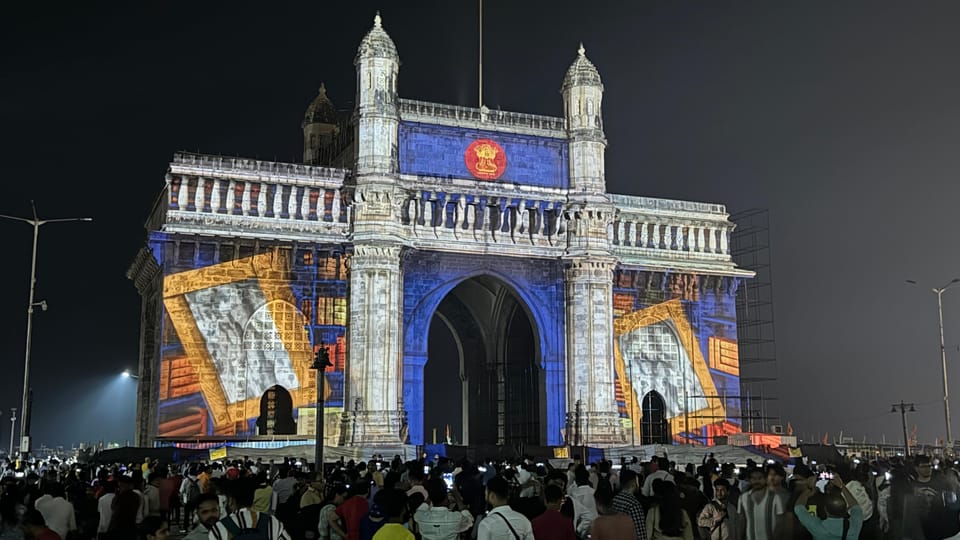
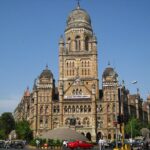
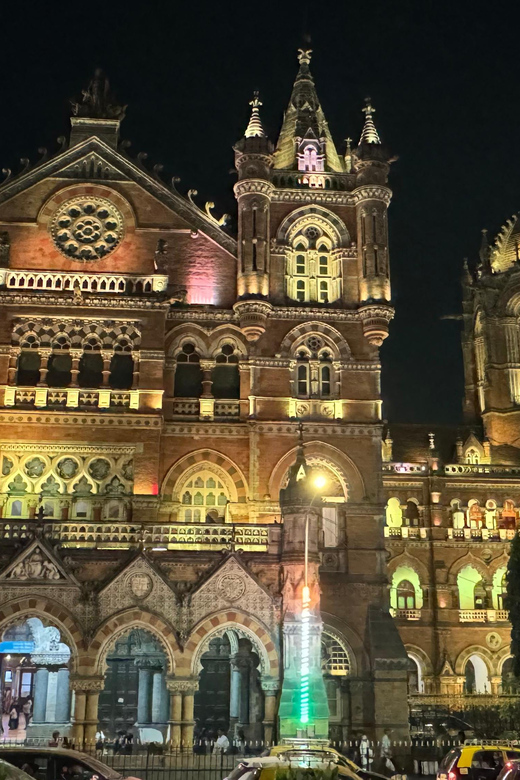
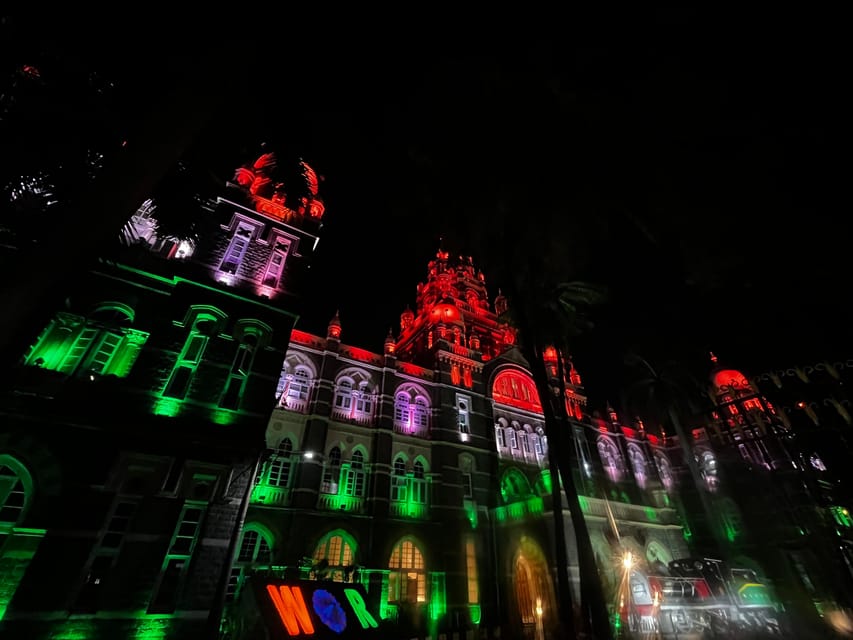
If you only remember one place from this tour, make it Chhatrapati Shivaji Maharaj Terminus (often referred to as CST). This is one of those stops where lighting turns the station into a landmark sculpture. Built in Victorian Gothic style, the details look almost handcrafted—spires, arches, and layered forms you might miss in daylight traffic.
You get a guided visit and a short pause to take photos. Ten minutes can sound quick, but for a station like this, quick often works. You can walk a little, look up, and then move on before the area gets too chaotic around you.
Also, CST isn’t just a pretty building. It connects Mumbai’s growth to the rail network story that shaped the city. Even if you’re not a history person, the guide’s explanation helps you understand why this place is UNESCO-worthy beyond the looks.
Marine Drive and the Queen’s Necklace Streetlight Walk
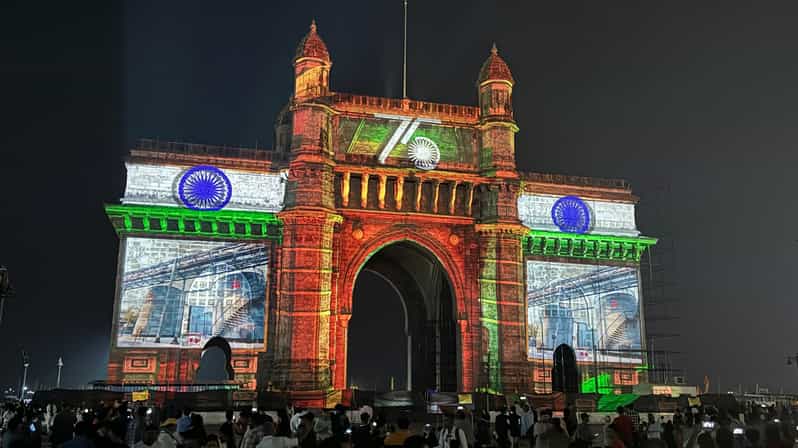
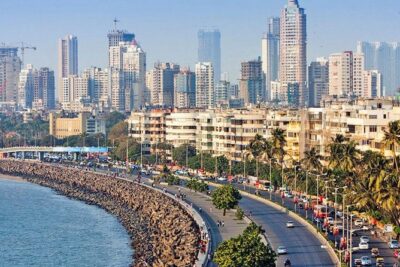
After the station, you shift to the part of Mumbai that feels instantly familiar: the coastline boulevard. Marine Drive is famous for a reason. At night, the streetlights create that “string of pearls” effect—light lines tracing the curve of the road and hovering above the sea.
You’ll get about a short walking segment here with guided context and time to enjoy the evening air. The Arabian Sea is close, and that breeze changes the experience. You’re standing in a city that’s typically associated with intensity, but right here you get a calmer kind of spectacle.
This is one of the best moments on the tour for photos, because your angle is naturally guided. You’re not searching for a viewpoint; the boulevard itself is the viewpoint.
If you wear glasses or use a phone camera, keep in mind that night shots can pick up glare. I find it helps to angle your lens slightly and avoid direct light hitting it straight-on.
Malabar Hill’s Night Spiritual Energy: Jain Temple Lights and Sacred Water
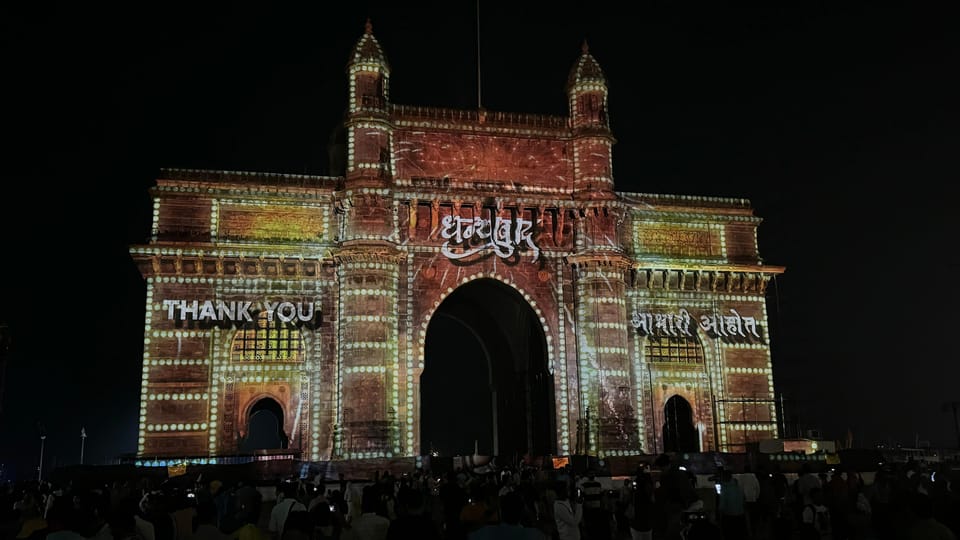
Then the route swings toward Malabar Hill, passing the upscale neighborhood edge as the city shifts again. This is where the tour adds something more personal than just architecture: spirituality and tradition.
Highlights include:
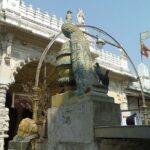
- a look at a lit-up Jain Temple
- a moment to see sacred waters flowing in a tank in the Malabar Hills area
What I like about this portion is that it adds texture. Mumbai at night isn’t only about colonial buildings and skyline photos. It’s also about places where religious practice continues alongside city life.
Also, the tour frames Jainism in a way that helps you understand why it’s known for strict discipline. That context matters. Otherwise, you can miss what’s important and just treat the temple as another illuminated stop.
Because this is a religious environment, keep your voice down and follow your guide’s cues. I also recommend keeping camera use respectful—pause first, watch what others are doing, then take your shot.
Pramod Navalkar Viewing Gallery: Sunset-to-City-Lights Transition
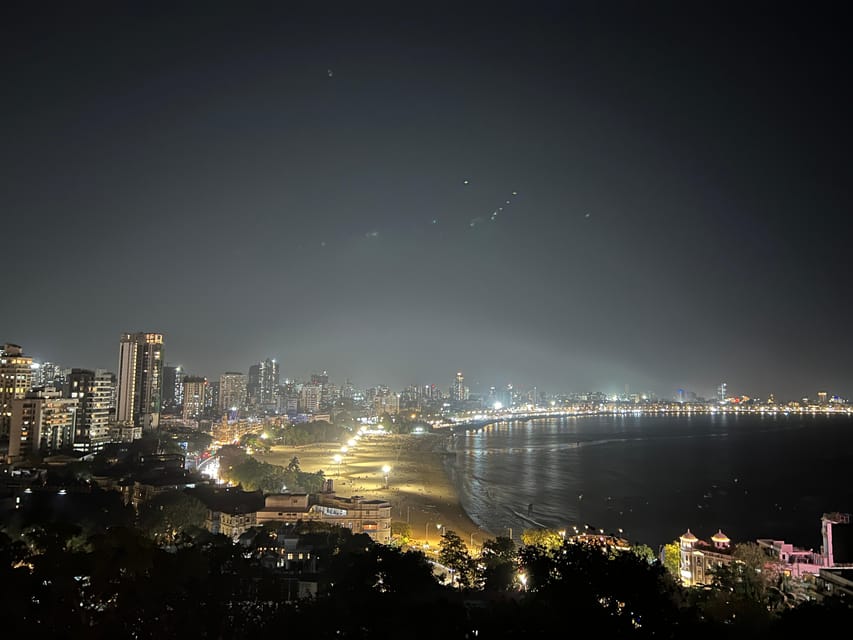
The tour ends with one of the smartest timing ideas: a viewing stop designed for the sky shift. At the Pramod Navalkar Viewing Gallery, you’ll get a photo stop and guided walk, plus a chance to catch sunset if the timing works out.
This is where you feel the whole city in one glance. The Arabian Sea stretches out beyond you, while the Mumbai skyline sits behind like a glowing backdrop. When the sky turns from orange and pink into night, the city lights take over—and suddenly your earlier stops feel connected.
Practical tip: if you’re serious about photos, arrive ready. Bring your camera strap, steady your hands, and plan your shots before you start moving around. Night lighting changes quickly as the sun drops, and you don’t want to lose your moment fiddling with settings.
How the 2.5–3.5 Hour Format Feels on the Ground
This is a short tour by design. You’re out for 2.5 to 3.5 hours, and that’s long enough to hit the major highlights without stealing your whole evening.
You’ll do a mix of:
- short guided stops (for landmark context)
- brief walks between the best photo angles
- car segments in between, which makes a big difference at night
The tour also includes an air-conditioned car, plus bottled water. That sounds basic, but in a city like Mumbai, comfort keeps you focused. You’re more likely to enjoy the sights instead of rushing to “just get through” the evening.
Your guide is live and English-speaking, and private group options are available if you want a more personal pace.
Drop-off is split between key areas: Mumbai, a PizzaExpress, and Chatrapati Shivaji Terminal (CST) Victoria Terminus (VT). That means you’re not stuck in one random far-off point—you’re more likely to be near where you want to continue your night.
The Guide and Driver Factor: Why Javed, Sharon, and Others Get Mentioned
On a night tour, the guide is the difference between seeing lights and understanding what the lights are telling you. Feedback highlights a few guides by name, and the common thread is comfort and confidence.
- Javed is mentioned for being professional, having strong knowledge, and helping protect camera gear while moving through busy areas.
- Sharon is praised as friendly and knowledgeable, with history explained in clear detail.
- Subhan gets standout notes for being a pleasure to be around, with an easy pace that makes the walking parts feel relaxed.
- Drivers like Pranev and Palkad are described as attentive and careful in traffic.
Why this matters for you: Mumbai night scenes can be crowded around landmarks. A guide who watches your group and your belongings makes the experience feel safer without turning it into a stressful event.
Even if you get a different guide on your date, aim for the same qualities. Before you book, look for a tour that explicitly promises a live English guide and a group setup that won’t treat you like just another camera in the crowd.
Price and Value: Is $16 Reasonable for This Much Night Sightseeing?
At $16 per person, this is the kind of tour that works well for short visits. You’re paying for three things you’d otherwise spend time and effort piecing together:
- Local guidance that explains what you’re seeing
- Efficient routing across multiple neighborhoods
- Night-friendly logistics like an A/C vehicle and water
You’re not just doing one monument. The tour spans a coastline iconic start point, finance and colonial architecture stops, a UNESCO station, Marine Drive’s marquee photo scene, and then Malabar Hill’s religious and viewing moments.
In other words, the value is in coverage plus explanation. If you only had the energy to see one or two big attractions, you might do that on your own. But if you want the city’s evening feel and a logical path between highlights, this format is a strong deal.
Who This Tour Is Best For (and Who Might Prefer Another Plan)
This tour fits best if you:
- are in Mumbai for a short time and want a concentrated evening overview
- like night photography and iconic lighting scenes
- want a guided context so you don’t feel lost when you see big buildings and major landmarks
- prefer a relaxed pace instead of a long all-day sightseeing sprint
It may be less ideal if you:
- dislike walking at night, even short distances
- want deep time at museums or major indoor sites (this is more about sight and context than long entrances)
- need a slower, fully customizable route where you can linger for an hour at one place
For most people, though, this is a smart first-night activity. It helps you orient yourself for whatever you plan next.
Should You Book This Mumbai Night Lights Tour?
I’d book it if you want the classic Mumbai highlights without spending your evening coordinating transport and searching for photo angles. The combination of Gateway of India, CST, Marine Drive, and the Malabar Hill spiritual stops gives you variety in a short window.
Book it also if guide-led safety matters to you. The fact that several guides are specifically noted for being professional and attentive around camera gear is a big plus for a night outing.
If you’re the type who likes to build a loose plan and then let the evening carry you, this tour does that well. You’ll come away with a clearer picture of Mumbai’s geography and a set of nighttime photos you’ll actually be proud of.
FAQ
How long is the Mumbai Night Lights & Iconic Sights Tour?
It lasts between 2.5 and 3.5 hours.
What is the price per person?
The tour is $16 per person.
Do I get a live guide, and is it in English?
Yes. You’ll have a live tour guide, and the tour is in English.
What notable places are included on the route?
You’ll visit or pass by highlights such as Gateway of India, Bombay Stock Exchange, High Court of Bombay, Rajabai Clock Tower, Chhatrapati Shivaji Maharaj Terminus, Marine Drive (Queen’s Necklace), Malabar Hill, and you’ll have a sunset-capable photo stop at the Pramod Navalkar Viewing Gallery.
What’s included in the tour price?
Bottled water, an air-conditioned car, and all fees and taxes are included.
What if plans change?
Free cancellation is available up to 24 hours in advance for a full refund. The tour also offers reserve now and pay later options.