REVIEW · HERITAGE WALKING TOURS
Private Jewish Heritage Tour
Book on Viator →Operated by Mystical Mumbai · Bookable on Viator
A day in Mumbai that feels different, fast. You’ll trace Jewish life through major synagogues and cemetery ground, while also passing a few heavyweight city landmarks that help the story make sense. I especially like the private setup (just you and your party) and the way the guide ties religious sites to the neighborhoods around them. One practical heads-up: if you’re very picky about a fixed timing plan, you’ll want to confirm your meeting details clearly.
What I really liked is the mix of stops. You’re not stuck in one lane of sightseeing. You’ll go from Gateway of India and the Taj Mahal Palace area to Sassoon Dock, then into places like the Gate of Mercy and Magen David Synagogue where Jewish community life has been happening for generations.
The one drawback to consider is reliability at the pickup moment. One past traveler reported trouble locating the operator and a late start, with the guide not immediately matching the itinerary they expected. It sounds like an outlier, but it’s still worth double-checking your exact pickup point the day before.
In This Review
- Key highlights worth showing up for
- First impressions: Why this Jewish Heritage Tour works in Mumbai
- Morning landmarks: Gateway of India, Taj Mahal Palace, and getting your bearings
- Sassoon Dock: Where community history meets working waterfront life
- Sixth & I / Gate of Mercy Synagogue: Tipu Sultan connections and old roots
- Magen David Synagogue: David Sassoon, a clock tower, and Baghdadi life
- Magen Hassidim Synagogue: A living, active community
- Kenneseth Eliyahoo Synagogue: Tourist-friendly services with VIP history
- The Jewish graveyard and why it changes the tone
- David Sassoon Library: The 365-days-open detail that sticks
- Transportation, pacing, and what the 4 to 5 hours really feels like
- Price and value: Is $75 fair for a private heritage day?
- What could go wrong: the pickup and meeting-point lesson
- Who this tour suits best
- Should you book this Private Jewish Heritage Tour in Mumbai?
- FAQ
- How long is the Private Jewish Heritage Tour?
- What does the tour cost?
- Is this tour private?
- Does the tour include pickup and transportation?
- What places are visited during the tour?
- Is food included?
Key highlights worth showing up for
- Door-to-door private transfers in an air-conditioned car, with hotel pickup and drop-off
- English-speaking guide who can explain both the sites and the people behind them
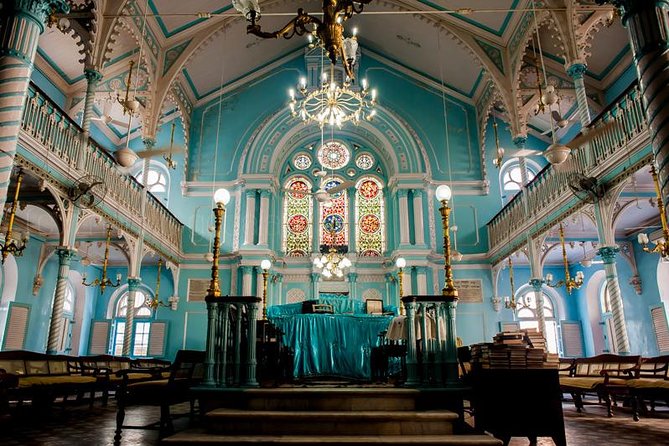
- Synagogue variety, from very active communities to places used for visiting delegates
- A cemetery stop that adds a serious, human layer to the day
- Scenery with context, including Gateway of India, the Taj Mahal Palace, and Sassoon Dock
- Library stop at David Sassoon Library, described as open all 365 days
First impressions: Why this Jewish Heritage Tour works in Mumbai
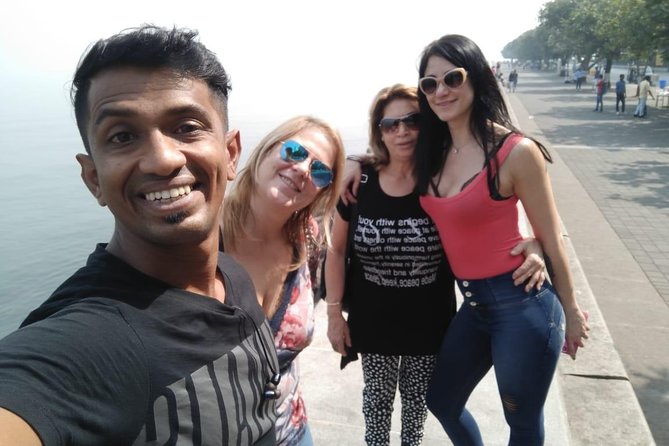
Mumbai can be loud, chaotic, and a bit overwhelming. This tour gives you structure without turning it into a checklist. The route links landmark Mumbai to Jewish community spots, so you’re not just looking at buildings—you’re learning how people lived, prayed, and organized themselves across the city.
The private format matters more than you might think. With just your group, you’re more likely to ask questions, linger when something feels important, and avoid the awkward rush that happens on larger group tours. And because transfers are included, you spend less time juggling buses, timing, and distance.
The other big win is the guide. Past guests praised guides for being friendly and clear, and one standout mentioned a guide named Devi with perfect English and a very personal style. Even if your guide isn’t Devi, the overall pattern is that the day works best when the guide can explain what you’re seeing in plain language.
You can also read our reviews of more private tours in Mumbai

Morning landmarks: Gateway of India, Taj Mahal Palace, and getting your bearings
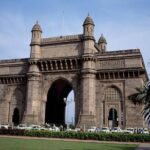
Your tour begins at Gateway of India, Mumbai’s famous monument built to welcome King George V and Queen Mary. It’s a quick stop on purpose—think of it as a visual anchor. From here, you can start understanding why Mumbai became such a global trading and migration hub, which is a big part of how Jewish communities took root.
Next comes the Taj Mahal Palace, Mumbai area (the stop focuses on the hotel’s original building). This is more than photo time. The hotel was commissioned by Jamshedji Tata and first opened its doors on December 16, 1903. Even if you don’t go inside, seeing that era of architecture gives you context for the broader city story—plus it helps you connect the dots between wealth, trade, and the communities that served or supported that world.
In short: those first two stops help you orient. You’ll get more out of the synagogue visits because you understand the geography of where Jewish history sits in relation to the city’s best-known sites.
Sassoon Dock: Where community history meets working waterfront life
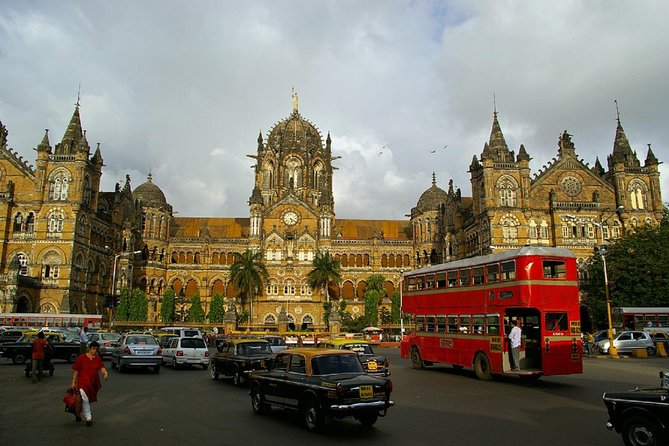
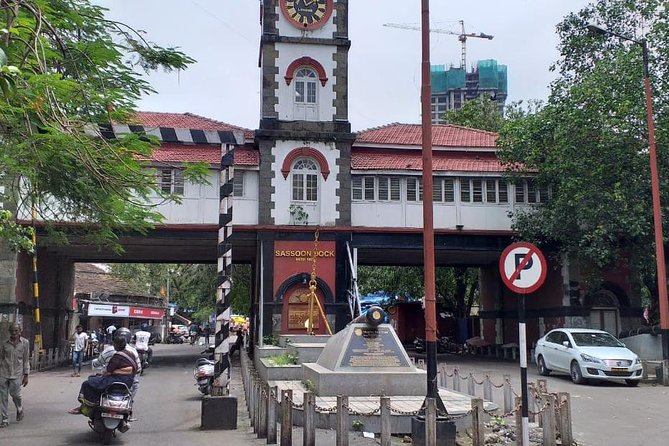
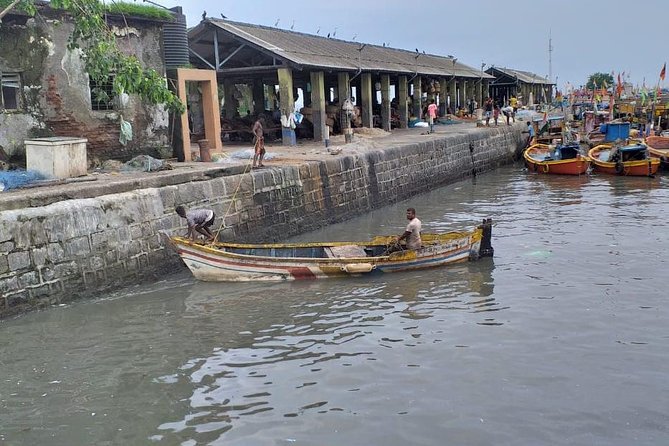
Then you shift toward Sassoon Dock, described as the largest fishermen port land of Mumbai. It was donated by Sir Albert Sassoon as a dedication to fishermen, and the dock has a clock tower—an easy detail to spot and a good mental marker for where you are.
This is where the tour becomes more grounded. The idea isn’t just to see water and boats. It’s to notice how Jewish history in Mumbai isn’t only about synagogues; it also touches the city’s working life and the people who moved goods, labor, and daily commerce.
You’ll likely have time to watch the dock scene and get a sense of the atmosphere around the waterfront. One caution: dock areas can be busy and a bit rough around the edges. That’s part of the charm, but dress for walking and keep your phone secure.
Sixth & I / Gate of Mercy Synagogue: Tipu Sultan connections and old roots
Now you move into the religious heart of the day with Gate of Mercy Synagogue, often referred to alongside Sixth & I on Samuel Street. This is described as one of the first synagogues of Maharashtra, with a connection to the Muslim King Tipu Sultan.
That Tipu Sultan link is the kind of detail that makes you pause and think. It suggests how communities interacted with wider regional power and culture. The tour is also positioned to explain why the synagogue matters behind the foundation—so you’re not just looking at a building, you’re hearing the local story of how and why it came to be.
What to expect here:
- A calm pause from the city noise
- A guide who can connect dates and names to the physical site
- Time to absorb the “community anchor” feeling that synagogues carry
Possible drawback: synagogue areas can have rules about where you can stand or how you photograph. If you’re eager to take tons of pictures, bring a flexible attitude. Your guide can help you interpret what’s allowed on the spot.
Magen David Synagogue: David Sassoon, a clock tower, and Baghdadi life
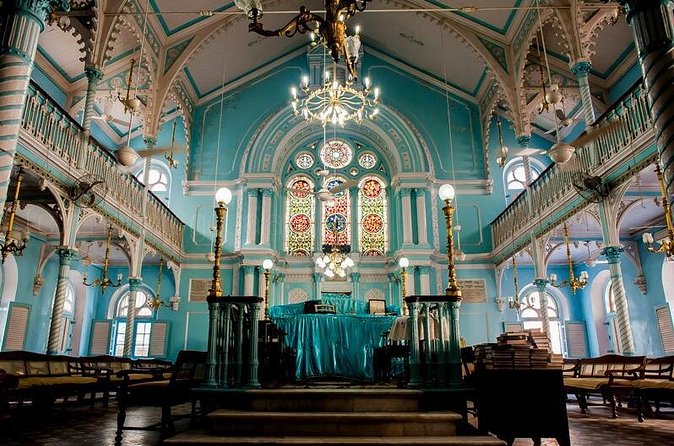
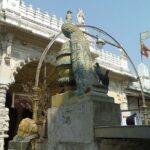
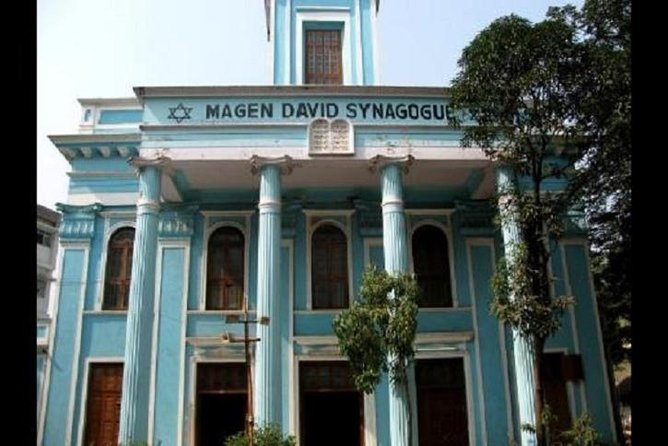
Next is Magen David Synagogue, noted as the first synagogue built by David Sassoon himself. One standout detail is the clock tower located within the synagogue premises, alongside Jewish schools and a Jewish guest house.
This stop is often where the tour starts feeling personal. Why? Because you’re seeing a place that functioned as part of a wider support system, not just a religious room. Schools, visiting stays, and community infrastructure all point to how Jewish life organized itself to survive and thrive in a large, changing metropolis.
The tour also highlights the presence of Bagdadi Jewish life that existed here. Even if you don’t know much about the Baghdadi community before the day begins, the guide should give you a framework for what that means in Mumbai—names, traditions, and how people settled over time.
You can also read our reviews of more historical tours in Mumbai




Magen Hassidim Synagogue: A living, active community
Then comes Magen Hassidim Synagogue, described as one of the most active Bene Israeli synagogues. This is the stop that can feel the most “alive,” because the day notes that marriages and other ceremonies take place here.
If you’ve visited synagogues elsewhere, you know the difference between a site you admire and a site people truly use. This one lands closer to the lived reality. Even in a short visit, you’re not treating it like museum material.
Tip for you: when a guide mentions that ceremonies happen here, listen for what that implies about continuity. You’re seeing a tradition that kept going, not just a structure that survived.
Kenneseth Eliyahoo Synagogue: Tourist-friendly services with VIP history
After that, you’ll visit Keneseth Eliyahoo Synagogue. This is described as a more tourist-oriented synagogue. It’s also said to host delegates and other VIPs, and it has services for visitors, located at a prime tourist location.
This stop is useful if you’re coming with mixed expectations. Some people want purely community insight; others want a site that welcomes visitors and makes the experience readable. This synagogue is positioned in a way that helps you understand how the community shares its space with outsiders without losing its core purpose.
This is also a chance to compare styles. One synagogue might feel more ceremonial and active; another might feel more oriented toward visiting services. Seeing that range in a single day is part of why the overall tour works.
The Jewish graveyard and why it changes the tone
A Jewish heritage tour isn’t complete without the cemetery. This experience includes a local Jewish Graveyard, and that’s where the tone shifts. If the earlier stops felt educational, the graveyard stop tends to feel human.
Even with a short time at each site, a cemetery anchors the story. You start connecting names, generations, and migration patterns to individual lives. It also quietly reminds you how many communities across Mumbai have layered histories, some documented loudly and some preserved in quieter places.
Practical note: cemeteries can be hot and windy, especially in Mumbai. Wear comfortable shoes. Bring water if you think you’ll want it, since the tour listing does not include food or drinks.
David Sassoon Library: The 365-days-open detail that sticks
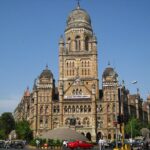
The day also includes the David Sassoon Library, donated by Sir David Sassoon and described as the only library in the world open for all 365 days.
That’s such a memorable detail that it works even if you barely remember any dates afterward. Libraries symbolize continuity—reading, learning, and community knowledge. In a tour centered on heritage, that matters.
If you like places where communities built long-term institutions (not only short-term gatherings), you’ll enjoy this stop. It’s not just a building; it’s a statement about priorities.
Transportation, pacing, and what the 4 to 5 hours really feels like
The tour runs about 4 to 5 hours, and it’s designed as a tight, efficient loop. You’re getting multiple synagogue visits plus key landmarks plus a graveyard. That’s a lot to pack into half a day, but the included private car helps keep it smooth.
Because it’s private, the pacing should feel tailored to your group. Still, don’t expect long, slow museum-style stays. This is more like a guided story at several chapters, moving you along before you get fully stuck in one place.
You’ll also benefit from the fact that there’s an air-conditioned car, with hotel pickup and drop-off included. In Mumbai heat and traffic, that’s not a luxury—it’s sanity.
Price and value: Is $75 fair for a private heritage day?
At $75 per person, this tour is positioned as good value for a private, multi-stop heritage experience. Here’s the math that matters for real life:
- You’re paying for a private tour, not a seat on a bus.
- You get hotel pickup and drop-off plus an English-speaking guide.
- You’re visiting several named synagogues and a graveyard, not just one site.
Food and drinks aren’t included, so you’ll want to plan for a snack or refill after. But compared to how expensive it can be to hire a private guide and driver separately for a few hours, this package often looks like the smarter deal.
If you’re traveling as a pair (minimum 2 people per booking is required), the value can be especially strong. If you’re solo, you may not be able to book this exactly as described.
What could go wrong: the pickup and meeting-point lesson
One low-star review mentioned the operator couldn’t be found due to missing signage, and the group waited in the car for over an hour. They also said the guide seemed surprised by the itinerary and needed explanation about what they wanted to do.
That’s not the norm in the reviews you’re seeing, but it’s a reminder for you to do two simple things:
- Confirm your exact meeting point and pickup contact method.
- Have your itinerary expectations clearly communicated in advance.
In other words: don’t assume the easy stuff will always be easy. Most days will run smoothly, but you’ll sleep better if you remove uncertainty up front.
Who this tour suits best
This is a great match if:
- You want a focused heritage day instead of a random sightseeing loop
- You care about understanding what communities built and maintained over time
- You like the value of a guide explaining details in plain English
It’s also a good choice if you’re short on time and want a concentrated route. With mobile tickets and private transfers, it’s built for people who don’t want to fight logistics all day.
And if your group includes people who don’t always love long museum walks, you might like this balance: landmarks for context, religious sites for meaning, and the graveyard for the emotional core.
Should you book this Private Jewish Heritage Tour in Mumbai?
Yes, I’d book it if you want a structured, respectful day that links major landmarks to Jewish community life. The biggest reason is the format: private group + English guide + included car transfers makes the experience feel efficient and personal.
I’d also book it if you care about the guide factor. When the guide is strong—as with the praised guide named Devi in one highlight—the tour becomes more than facts. It turns into a walking conversation.
Skip it only if you’re the type who needs a perfectly frictionless start no matter what. With any private tour, you can reduce risk by confirming pickup details clearly. Then you’re set.
Overall, it’s a compelling way to see Mumbai through a lens most visitors miss.
FAQ
How long is the Private Jewish Heritage Tour?
It lasts about 4 to 5 hours.
What does the tour cost?
The price is $75.00 per person.
Is this tour private?
Yes. It is a private tour/activity, and only your group participates.
Does the tour include pickup and transportation?
Yes. You get hotel pickup and drop-off, plus round-trip transfers in an air-conditioned private vehicle.
What places are visited during the tour?
You’ll visit sites including Gateway of India, the Taj Mahal Palace area, Sassoon Dock, Gate of Mercy Synagogue (Sixth & I), Magen David Synagogue, Magen Hassidim Synagogue, Kenneseth Eliyahoo Synagogue, the local Jewish Graveyard, and the David Sassoon Library.
Is food included?
No. Food and drinks are not included.