REVIEW · MUMBAI
Bombay by Dawn
Book on GetYourGuide →Operated by Mystical Mumbai · Bookable on GetYourGuide
Wake up and Mumbai changes shape fast. This is one of the best ways to see how the city feeds itself, literally from first light. Bombay by Dawn takes you into the working rhythm behind the scenes, from newspaper sellers to wholesale fruit and flowers, then down to the smell of morning fish at Sassoon docks.
I love that the focus is practical: trade at street level and how fresh food moves early, before most people are awake. I also like that the tour doesn’t just point at landmarks; it shows you how daily business works, including a short local train ride and a finish at a temple for morning prayer. One drawback to plan for: this is a very early start, and if your morning runs late, you can miss pieces of the route like the newspaper distribution or the temple prayer.
In This Review
- Key things I’d put on your radar
- Meeting the City at 4:30 AM: Why this tour works
- Newspaper to Wholesalers: Watching Mumbai set the day’s prices
- Sassoon Docks at Dawn: The fish smell, the wet dock, and why it matters
- The short train ride: Getting away from the tourist-only viewpoint
- Banganga, Marine Drive, and other early-morning route add-ons
- Morning Prayer at a famous temple: Ending with meaning, not just sights
- Price and logistics: Is $64 for 4 hours actually good value?
- What to wear and expect (so the morning feels easier)
- Who should book Bombay by Dawn, and who should skip it
- Should you book Bombay by Dawn?
- FAQ
- What time does the tour pick up guests in Mumbai?
- How long is Bombay by Dawn?
- How much does it cost?
- Is food included in the tour?
- Will we visit Sassoon docks and see fish trade?
- Do you ride a train during the tour?
- Is it suitable for pregnant women?
Key things I’d put on your radar
- 4:30AM pickup to catch the day’s first wave of sellers and buyers
- Newspaper vendor meet-and-greet, then a walk into wholesale bargaining
- Sassoon docks fish market, including why it’s special as a public wet dock
- A short train ride that keeps you inside local life instead of just driving
- Morning prayer at a famous temple to close the loop on daily routine and faith
- No food or drinks included, so you need to plan for that early energy
Meeting the City at 4:30 AM: Why this tour works
This tour starts early on purpose. Your guide meets you at 4:30AM at your accommodation, and that timing is the whole point. Mumbai’s food trade runs on freshness and speed, so the best glimpse of how the city works happens before the streets get crowded and before sellers have already packed up.
I appreciate how this format turns “seeing Mumbai” into “understanding Mumbai’s morning.” You’re not just looking at places; you’re watching people do their jobs in real time—newspaper distribution, wholesale buying, and the early fish flow that powers morning sales. It’s a different kind of city tour, the kind that helps you get your bearings fast because you see the system that keeps the city moving.
Keep one practical thing in mind: because it’s only 4 hours, the schedule matters. One account I read described missing key stops when the start was later than expected. So if you choose this, treat the wake-up call as serious business.
You can also read our reviews of more tours and experiences in Mumbai.
Newspaper to Wholesalers: Watching Mumbai set the day’s prices
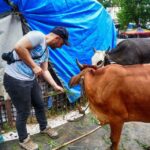
Your first interaction is with a newspaper vendor. It sounds small, but it sets the tone. Newspapers arrive early, people scan headlines, and the vendor’s work ties directly into how the morning starts for everyone else. It’s also a quick way to meet a real person doing real work instead of just walking past shops.
Then you head across the street to the wholesale area for fruit, flowers, and vegetables. This is where you see the city’s “fresh food” emphasis become visible. You’ll watch bargaining and trading up close as suppliers and buyers negotiate fresh supplies for the day ahead. Even if you don’t speak the local rhythm, you can read the urgency: deliveries need to move, and buyers need the best quality before the day gets too far underway.
What you’ll likely notice here:
- Traders and shoppers move with purpose, because timing affects quality.
- Everything looks busy, but it’s not chaos; it’s structured work.
- You’re close enough to understand the basics of the market exchange.
Consideration: this section is a walking tour through active trade space. If you’re sensitive to crowds or strong smells, you’ll want to mentally prepare—this is morning business, not a curated indoor experience.
Sassoon Docks at Dawn: The fish smell, the wet dock, and why it matters
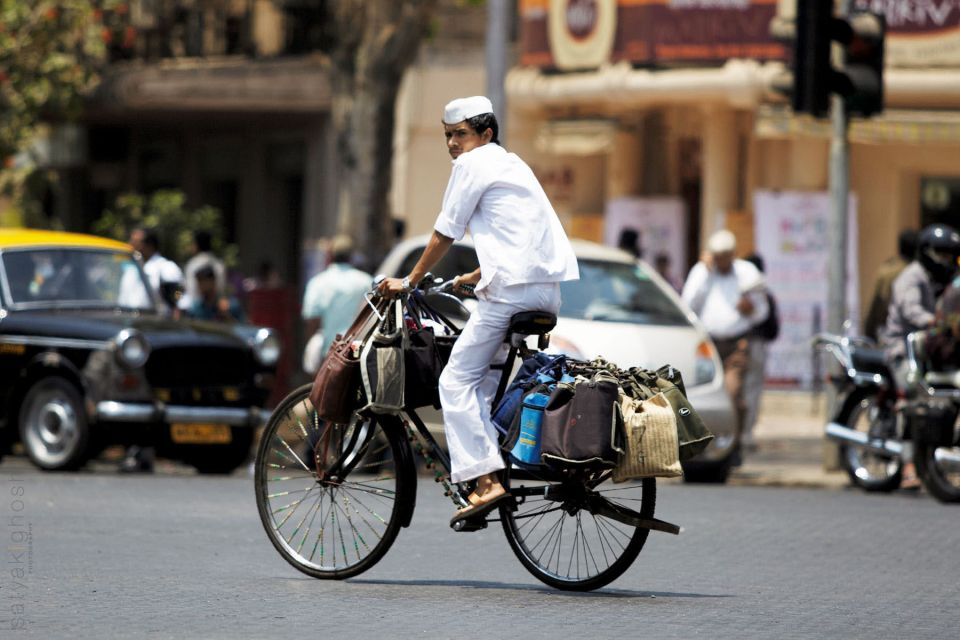
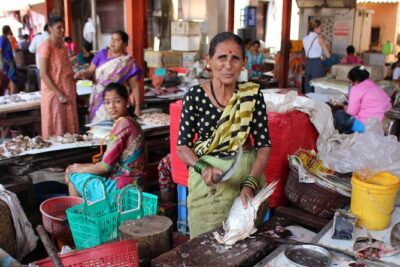
The most famous sensory cue in this tour is the shift to seafood: the next stop brings you the unmistakable smell of fish at Sassoon docks. If you’ve ever wondered where the seafood in your hotel breakfast actually comes from, this is the kind of answer you can smell, not just read about.
Sassoon docks is described as the city’s first wet dock and the only one open to the public. That’s important. You’re not watching from a distant viewpoint; you’re given a perspective that makes the dock feel part of daily life rather than a restricted industrial zone.
At the dock, you’ll see how fish is prepared and distributed for the morning sales. Even if you don’t stay for every step (the tour timing keeps things moving), the overall flow is clear: the work happens fast, and the market depends on prompt distribution.
Why this stop is such a highlight for many people:
- It connects the food you eat to the physical reality of how it gets handled.
- It shows a side of Mumbai most visitors never see.
- The public-access element makes it feel approachable in a way other ports don’t.
Small note for your comfort: mornings can be intense in any market. Wear shoes you trust for uneven surfaces and lots of walking. And remember the tour doesn’t include food, so your stomach may be your own job after this stop.
The short train ride: Getting away from the tourist-only viewpoint
This experience includes a small distance train ride. I like this part because it breaks the “drive from place to place” feeling. A short ride changes your perspective fast: you see local movement at eye level instead of through a car window.
Trains in Mumbai also tend to reflect the city’s daily tempo. Even a brief segment gives you a taste of how people commute and how neighborhoods connect. You’re not stuck only in markets and docks; you get at least a small slice of transit reality.
Because you’re on a tight schedule, expect this to be more about practical perspective than a long sightseeing stretch. You’re being moved through the city early, with the market work as the anchor.
Banganga, Marine Drive, and other early-morning route add-ons
The main tour storyline is markets → docks → train ride → temple prayer. But one interesting thing I’ve seen is that the exact early route can include additional stops, depending on how the morning unfolds.
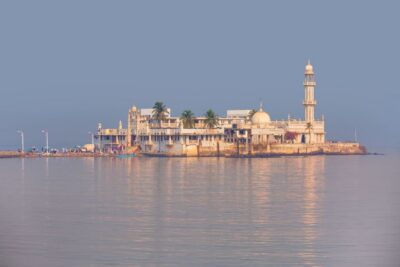
For example, one version of the route included Banganga, described as a water tank where ashes of the dead people in Mumbai are immersed. That kind of stop changes how you see the city: it connects daily trade to daily life and belief, all within the same morning block of time.
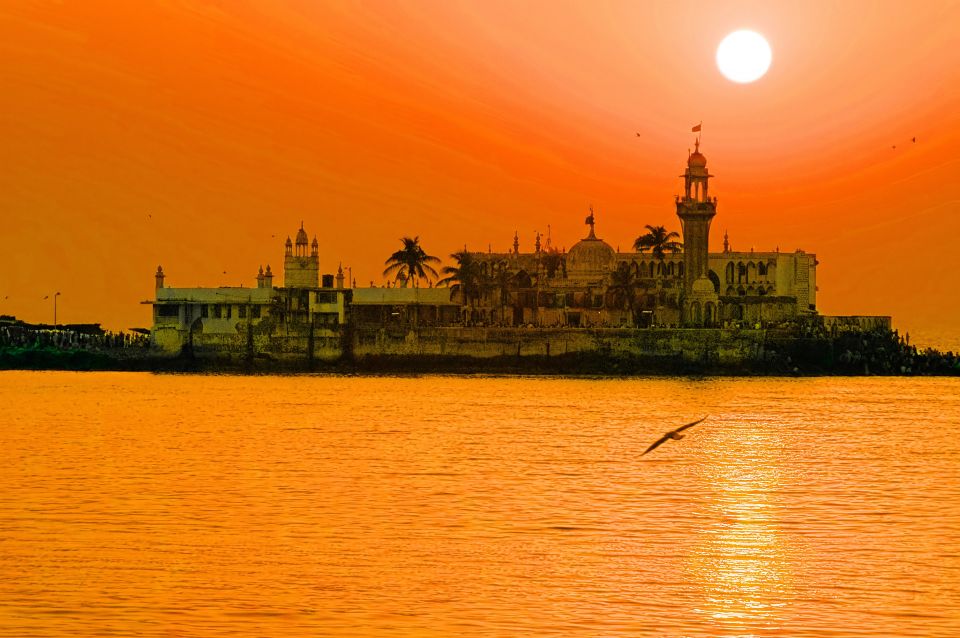
In the same account, the day also included a view toward Marine Drive around sundawn, where people were jogging and meditating. That’s a very different mood from the markets, and it can help you reset your senses before you head into the fish dock.
Important caveat: if your start time slips, you may not get every listed element. One morning was described as starting probably too late, which meant skipping newspaper distribution, the food market, and the temple prayer. So if you want the full arc, arrive ready for early.

Morning Prayer at a famous temple: Ending with meaning, not just sights
The tour ends with Morning Prayer in one of Mumbai’s famous temples, followed by a drop-off at your accommodation. This final stop is valuable because it shifts the focus from trade to tradition and routine.
Markets show you the city’s supply chain. A temple prayer (at least as described in the tour outline) gives you a sense of how spiritual practice also structures the day. For many visitors, that’s the moment the tour feels complete—because it ties together what’s practical and what’s personal.
One practical consideration: this is at the end of a 4-hour morning schedule. If anything causes delays earlier in the tour, you could miss the prayer segment. If morning prayer is a priority for you, keeping the morning on time matters.
Price and logistics: Is $64 for 4 hours actually good value?
At $64 per person for 4 hours, this tour can be good value if you like experiences that put you inside daily life. Here’s what you’re paying for: a driver/guide, a professional guide, and hotel pick-up and drop-off. Food and drinks are not included, so you’ll want to plan for that before or after.
Where the value really shows:
- You get early access to working markets and the public dock.
- You’re not arranging multiple pieces yourself (pickup, guide, local transport segment).
- The tour combines sensory sights (fish dock), human interaction (vendors), and a cultural ending (temple prayer).
Where you might decide it’s not for you:
- If you’re expecting a relaxed, late-morning sightseeing day, this won’t fit. It’s built for early energy.
- If you hate strong smells or tight schedules, you could find the dock section too intense.
Overall, I see it as a practical “morning systems tour” rather than a standard highlights circuit. You’re buying time with local trade, not a pile of monuments.
What to wear and expect (so the morning feels easier)
This is an early walking and market-focused experience, so your comfort choices matter. Based on the tour style, I’d plan for:
- Comfy shoes you can walk in for a few hours
- A mindset that mornings in markets are not quiet; they’re active workspaces
- Readiness for strong smells when you reach the fish dock
Also, keep expectations realistic about what’s included. Food and drinks aren’t part of the tour, so you’ll want to eat before you meet your guide or have a plan after you’re back at your accommodation.
If you’re bringing a camera, be respectful and expect people to be working. The point isn’t to photograph everything; it’s to understand what’s happening.
Who should book Bombay by Dawn, and who should skip it
This tour fits best if you want:
- A local, practical look at how Mumbai trades food and news early
- A guided path through places that are hard to piece together on your own
- An experience that moves beyond photo ops into daily routine
It’s also a good match if you love markets. The fish dock stop is often the highlight, and the flower/vegetable wholesale section has its own draw.
Skip it if:
- You can’t handle very early mornings. Pickup is at 4:30AM, and the schedule depends on that.
- You’re pregnant. The tour is not suitable for pregnant women.
- You want a long, leisurely pace. This is tight and purposeful.
Should you book Bombay by Dawn?
I’d book it if you’re the type of traveler who likes to understand how a city really runs. The combination of market bargaining, the Sassoon docks public wet dock fish trade, a short train ride, and a closing morning prayer makes this feel more like a morning “system check” than a standard sightseeing tour.
I would hesitate if you’re fragile about smells, crowded market spaces, or tight timing. This experience rewards people who show up on time and walk with curiosity.
If you can commit to the early start and you’re okay without included meals, it’s one of the more grounded ways to experience Mumbai at the moment the day actually begins.
FAQ
What time does the tour pick up guests in Mumbai?
The guide meets you at 4:30AM at your accommodation.
How long is Bombay by Dawn?
The tour lasts 4 hours.
How much does it cost?
The price is $64 per person.
Is food included in the tour?
No. Food and drinks are not included.
Will we visit Sassoon docks and see fish trade?
Yes. The tour includes the Sassoon docks fish market, where you can see fish prepared and distributed for morning sales.
Do you ride a train during the tour?
Yes. You’ll take a small distance train ride as part of the experience.
Is it suitable for pregnant women?
No. The tour is not suitable for pregnant women.