REVIEW · DHARAVI SLUM TOURS
Mumbai: Dharavi Slum and Dhobi Ghat Laundry Tour
Book on GetYourGuide →Operated by Cityscape Mumbai Tours · Bookable on GetYourGuide
Laundry day is the city’s heartbeat. This Mumbai Dharavi and Dhobi Ghat tour is interesting because it shows how everyday work fuels the city: laundry, leather, pottery, and recycling all living side by side in one tight patch of streets.
I love the chance to see Dhobi Ghat firsthand—where more than 100,000 clothes get washed daily using traditional methods. I also like the short local train ride, because it plugs you into Mumbai’s real pace instead of treating the city like a museum.
The one drawback to plan for: this is a lot of walking through crowded, narrow lanes, so comfortable shoes and patience matter.
Key highlights in a few minutes
- Dhobi Ghat laundry work: Traditional wash methods in a place that handles 100,000+ clothes daily
- Asia’s leather giant: A stop tied to the leather factory scene in Dharavi
- Kumbhar Wada pottery: A pottery-making community known for work passed down through generations
- Plastic recycling industry: How waste becomes input for small-scale production
- 15-minute local train ride: A quick ticket-to-platform taste of how Mumbai moves
In This Review
- Dharavi and Dhobi Ghat: What This Tour Actually Helps You Understand
- Getting Set Up: Where You Meet and How the 3 Hours Work
- Dharavi Walking Time: Small-Scale Industry and Daily Life in Tight Space
- The Leather Factory Stop: Why It Changes the Way You See Dharavi
- Kumbhar Wada Pottery Community: When Tradition Is Also Employment
- Plastic Recycling in Dharavi: Turning Waste Into a System
- Dhobi Ghat Laundry: The Best Use of Your Camera Time
- Mumbai Local Train for 15 Minutes: Fast, Familiar, and Useful
- Timing, Pace, and Comfort: How to Not Have a Bad Day
- Who This Tour Fits Best (and Who Should Skip It)
- Value for $5: Why This Feels Like Smart Spending
- Should You Book the Mumbai Dharavi and Dhobi Ghat Tour?
- FAQ
- How long is the Mumbai Dharavi and Dhobi Ghat tour?
- How much does the tour cost?
- Where do I meet for the tour?
- Where does the tour end?
- What will I see at Dhobi Ghat?
- Is there a train ride included?
- Is the tour guide English-speaking?
- What should I bring with me?
- Are there any restrictions during the tour?
- Who is this tour not suitable for?
- Can I cancel for a full refund?
Dharavi and Dhobi Ghat: What This Tour Actually Helps You Understand
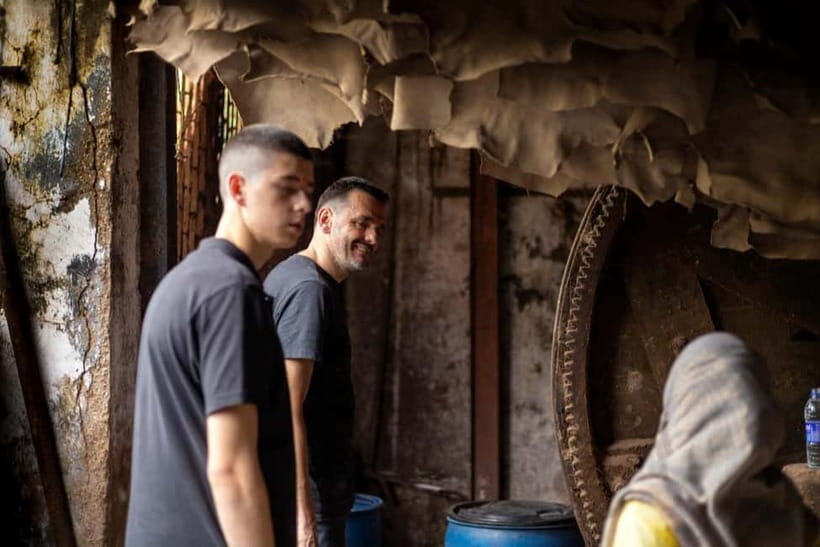
If you’ve only seen Mumbai from afar, Dharavi can feel like a headline. This tour works because it grounds the story in hands-on work and practical daily routines. You’re not just looking at buildings—you’re watching how people earn, learn, and solve problems in limited space.
Dhobi Ghat is the headline stop, and for good reason. It’s an open-air laundry where clothes move through repeatable steps, carried out in traditional ways. Dharavi, meanwhile, is less about one single thing and more about how many small industries link together—leather work, pottery, and plastic recycling among them.
You’ll also get an English-speaking local guide, and in past tours several guides have been praised for clear explanations and good control of the pace (people like Ruba, Subhan, Priti, Jawwad, Javed, Chirag, Krishna, and Anesh/Ansh). That matters here, because crowded lanes plus camera rules plus on-the-spot route changes can get stressful without a steady hand.
Getting Set Up: Where You Meet and How the 3 Hours Work
This experience runs for about 3 hours, and you’ll want to treat it as a focused, efficient walk rather than a slow “see everything” stroll. The tour starts at Third Wave Coffee (the exact branch can vary), and the day can end back at Third Wave Coffee or at Mahalaxmi Station depending on the option booked.
You’ll be walking in Dharavi’s narrow lanes. That means your schedule depends a bit on foot traffic and the flow of the group. If you’re the type who needs lots of downtime between places, you may find the pace a bit tight.
The practical upside: the flow is designed so you don’t spend the entire time at one site. You’ll get Dharavi context first, then a dedicated period at Dhobi Ghat, and you’ll add that 15-minute local train ride as a mental reset—seeing Mumbai from a moving seat rather than from the sidewalk.
You can also read our reviews of more tours and experiences in Mumbai.


Dharavi Walking Time: Small-Scale Industry and Daily Life in Tight Space
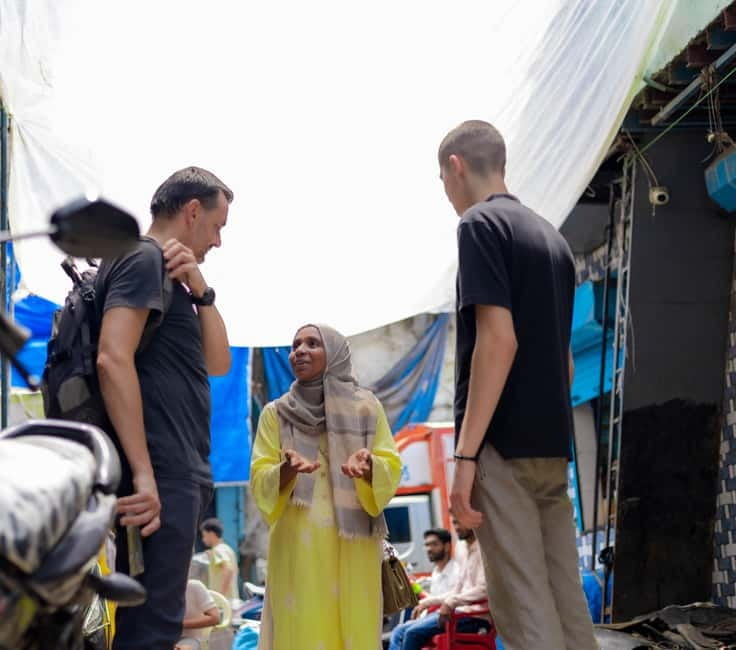
The Dharavi portion is the tour’s foundation. You’ll walk with a guide through parts of the community where small-scale industries shape daily schedules. This is where the “slum” label becomes less useful as a catchall, because you start seeing specific trades and recurring routines.
Key things you may notice as you go:
- Work doesn’t stop because it’s cramped; it gets organized around available space.
- The community runs on networks—people close by, supplies close by, skills close by.
- Explanations often connect what you see today to how these trades developed and continue.
You’ll also be reminded to respect residents’ privacy. That’s not just politeness—it also keeps the tour running smoothly. Your guide will steer you away from places where photography may be restricted, and you’ll want to follow those instructions without bargaining. If you come in dressed modestly and keep a quiet, watchful posture, the whole experience feels more human and less intrusive.
The Leather Factory Stop: Why It Changes the Way You See Dharavi
One of the most concrete “wow” stops is the visit tied to Asia’s largest leather factory in Dharavi. Even if you don’t fully understand every step of the industry, just being there helps you connect the dots between global demand and local jobs.
Why this stop matters for your understanding:
- It turns the idea of “industry in a slum” into real production you can point to.
- It shows how skills and systems can scale even when space is limited.
- It gives you a sharper sense of the economic engine behind much of Dharavi.
A quick caution: leather-related areas can be active and operational. You’ll likely be moving with the group and listening for guidance on what’s appropriate to watch and photograph. If you’re expecting everything to feel quiet and curated, recalibrate—this is working space.
Kumbhar Wada Pottery Community: When Tradition Is Also Employment
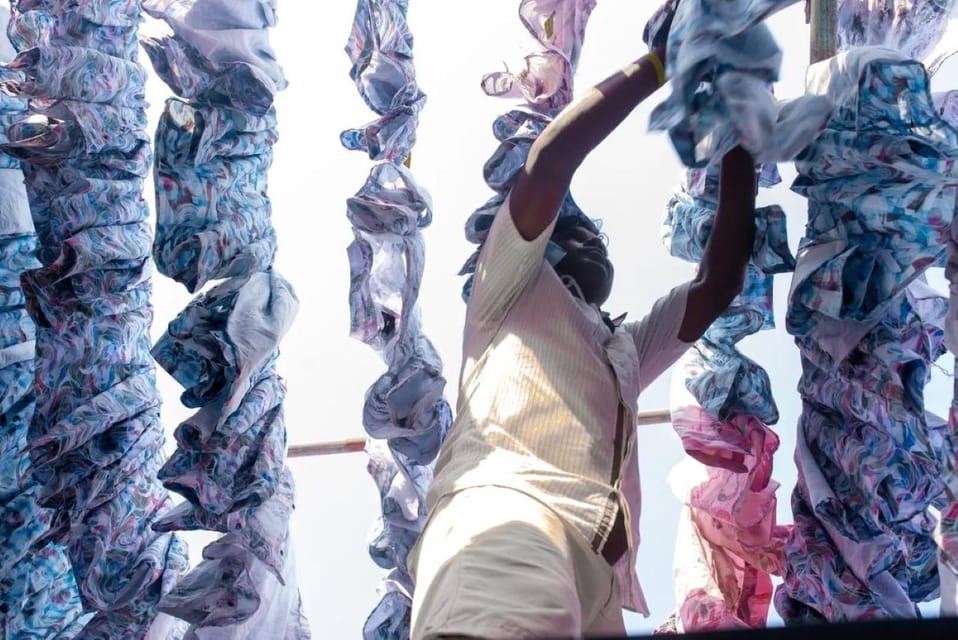
Next comes Kumbhar Wada, known for pottery-making. This is where the tour shifts from industrial production to craft work you can see building over time. Pottery here isn’t just an art display; it’s a community practice with work passed down through generations.
As you move around, try to watch for the rhythm: materials, shaping, drying/handling, and the repeated nature of producing items for everyday use. That “repeatable work” is a big theme in Dharavi—whether it’s laundry processing, recycling, or craft production.
This stop can also be a great change of pace. If you’ve spent time earlier thinking about factories and logistics, pottery brings it back to human-scale work: hands, tools, and daily consistency.
Plastic Recycling in Dharavi: Turning Waste Into a System
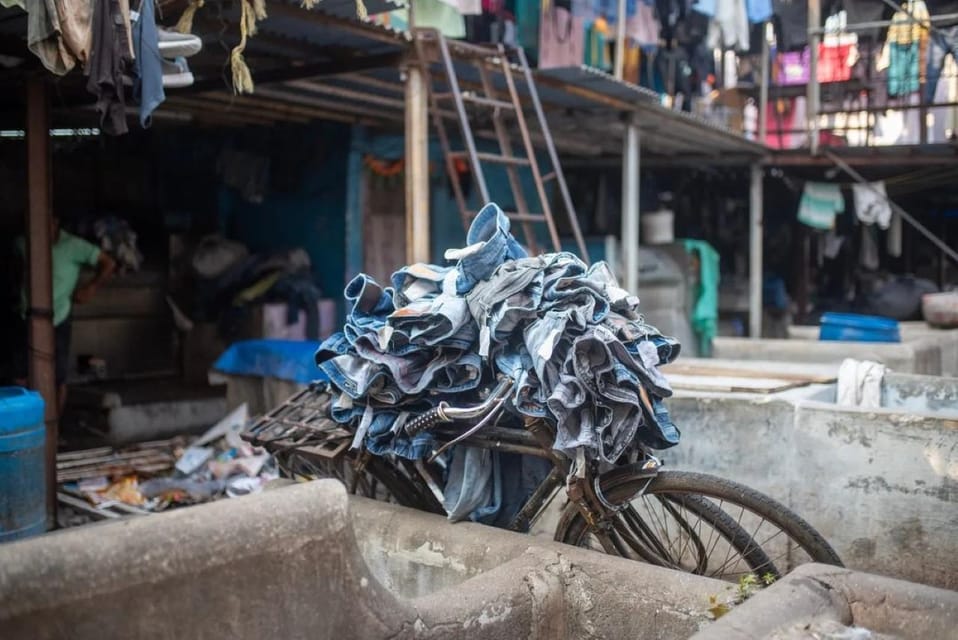
Dharavi’s plastic recycling industry is one of the stops that can feel both practical and sobering. You’re seeing waste transformed into something useful again, and that turns recycling from a civic slogan into an actual job ladder.
This part of the tour helps you:
- Understand that environmental issues don’t stay “outside” the city.
- See workarounds where resources are re-used because they must be.
- Realize that sustainability sometimes looks like labor first, policy second.
Like the leather and laundry areas, expect activity and careful guidance from your host. You may also be reminded to keep moving and avoid intrusive behavior. The goal is respectful observation, not stopping residents mid-task for photos.




Dhobi Ghat Laundry: The Best Use of Your Camera Time

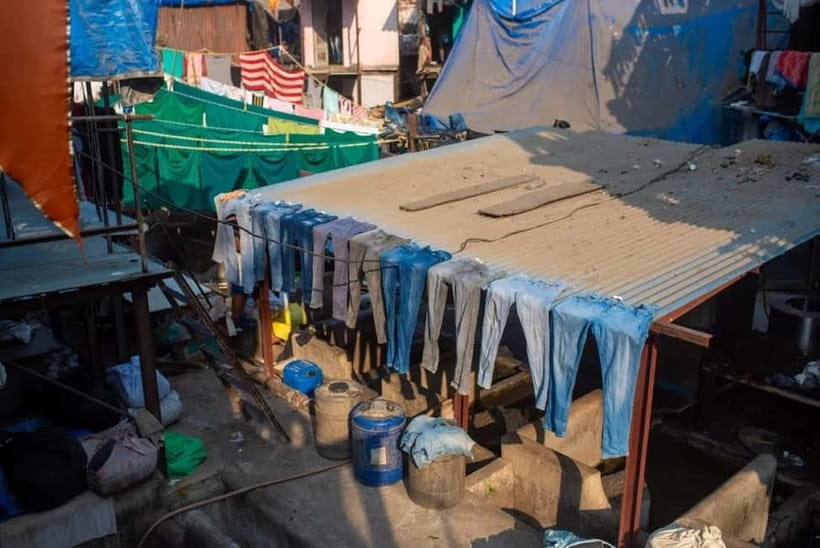
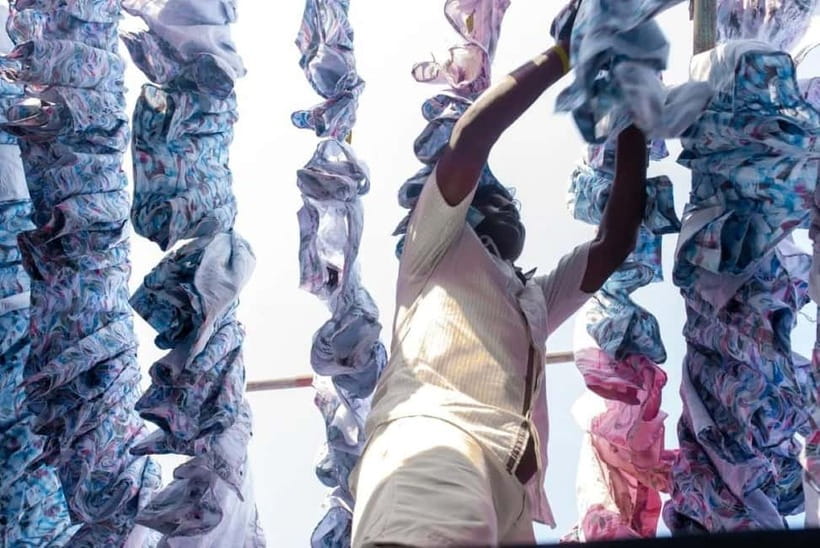
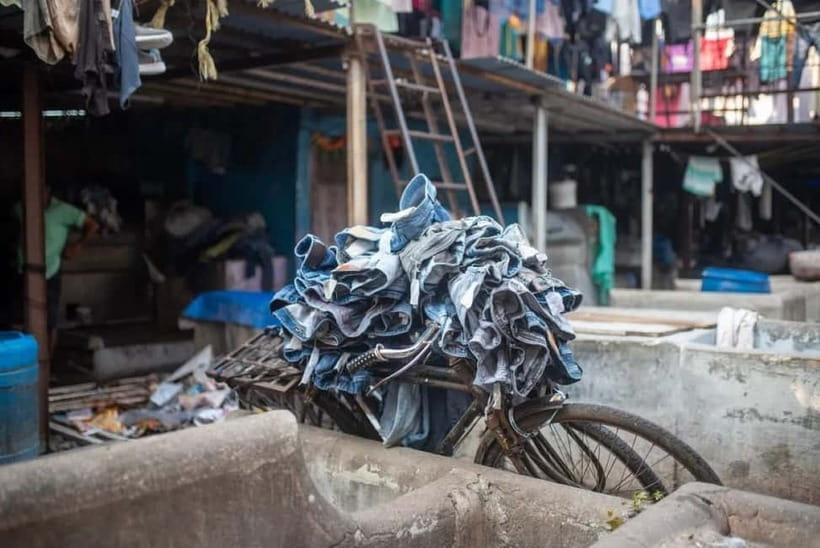
Dhobi Ghat is the moment most people remember. You’ll spend about 40 minutes here, and the focus is the traditional laundry process at the open-air wash areas. This isn’t a museum-style demonstration. It’s a place where washing is ongoing, and you’ll likely see the steps carried out as part of normal daily work.
Here’s what makes it special in a “pay attention” way:
- The scale: more than 100,000 clothes washed daily.
- The method: traditional processes performed in open air.
- The choreography: clothes and people flowing through repeated tasks.
Camera tip: photography can be restricted in certain areas, and you’ll want to listen to your guide’s rules. A smart approach is to take wide shots early when allowed, then reserve close-ups for moments your guide says are okay. You’ll get better photos without creating tension.
If you’re sensitive to heat or strong smells, plan for it. Bring water and stay hydrated—Mumbai sun plus walking can sneak up on you.
Mumbai Local Train for 15 Minutes: Fast, Familiar, and Useful
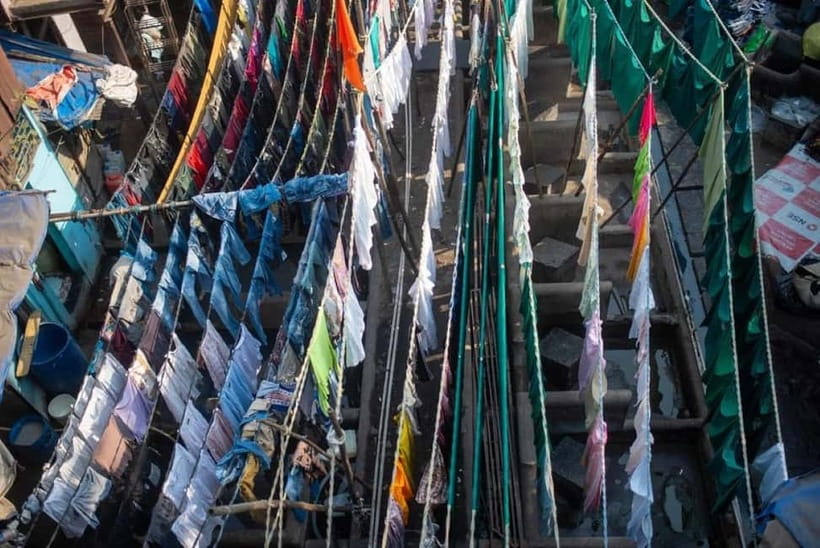
The train segment is 15 minutes, but don’t treat it like filler. It’s a small slice of how Mumbai runs, and it can help you understand the city’s density and momentum.
You won’t be riding for long, but you’ll likely feel the difference between “tour-time Mumbai” and “commute-time Mumbai.” In some tours, guides help with the practical side—like getting you set up for train tickets and making sure the group stays together. Many past participants have also described feeling safe during rush-hour train time when guided properly.
What to expect from the ride:
- Crowds and movement that don’t slow down for tourists
- A chance to look at everyday life at commuter speed
- A quick reset after Dhobi Ghat’s close-up work
Come in with the mindset: this is not sightseeing from a platform view. It’s travel as a feeling—standing, swaying, watching, listening.
Timing, Pace, and Comfort: How to Not Have a Bad Day
This is a 3-hour tour with multiple distinct parts, and the structure matters. You’ll start with Dharavi context, then you’ll hit the laundry stop with more concentrated viewing time, and you’ll finish with a short train experience. That keeps the day moving, which is great if you like variety.
To keep it comfortable:
- Wear comfortable shoes with grip.
- Bring water and sunscreen. You’ll likely be exposed to sun in parts of the route.
- Use your camera thoughtfully—some places limit photos.
- Dress modestly and be ready to keep a respectful distance.
One more reality check: narrow lanes can mean you’ll walk single file at times. If you’re easily irritated by crowds, you may find the beginning moment a bit intense. That’s normal. Give your eyes a minute to adjust, and let the guide do the navigation.
Who This Tour Fits Best (and Who Should Skip It)
This tour is usually a strong fit if you:
- Want a working view of Mumbai beyond monuments
- Like guided explanations with an emphasis on daily life and local industries
- Don’t mind walking and crowded streets
- Want the Dhobi Ghat laundry experience plus the train ride
It’s not suitable for children under 5, pregnant women, or wheelchair users based on the nature of the route and access constraints.
If you’re traveling with sensory sensitivities, go in prepared. Heat, crowds, and active work areas are part of the deal—so you’re better off arriving with realistic expectations.
Value for $5: Why This Feels Like Smart Spending
At around $5 per person for a 3-hour guided experience, the value is unusually high. What you’re paying for isn’t just entry to a site—it’s a guide who can translate a complex neighborhood into understandable themes: laundry methods, leather industry scale, pottery community traditions, plastic recycling work, and Mumbai’s train system.
The train ride alone can help justify the cost for many people because it’s hard to do well without knowing how to handle timing and crowd flow. Add the Dhobi Ghat visit—where the scale is massive and the context matters—and you’re getting a lot of high-impact “now I get it” moments for very little money.
The only way it’s not great value is if you need a slow, comfortable, low-crowd itinerary. But if you’re okay with real streets, this is a strong deal.
Should You Book the Mumbai Dharavi and Dhobi Ghat Tour?
I think you should book this tour if you want Mumbai’s everyday engine—laundry, local crafts, recycling, and the commute—in about three hours. The Dhobi Ghat portion and the local train ride give you two different angles on the same city: work at ground level, then motion through the wider metropolis.
Skip it if your priorities are comfort over access, or if you can’t manage walking through crowded, narrow lanes. And if you’re the kind of visitor who can’t follow photography and privacy guidance, you’ll have a harder time here.
If you do book, pack the basics: comfortable shoes, water, sunscreen, and a camera used with your guide’s rules. Then go with a curious, respectful mindset. This is the kind of tour where you leave with fewer stereotypes and more specifics—and that’s the real win.
FAQ
How long is the Mumbai Dharavi and Dhobi Ghat tour?
The tour duration is about 3 hours.
How much does the tour cost?
It’s listed at about $5 per person.
Where do I meet for the tour?
The meeting point can vary depending on the option booked, but it includes Third Wave Coffee as the starting location.
Where does the tour end?
Drop-off options include Third Wave Coffee and Mahalaxmi Station, depending on the option booked.
What will I see at Dhobi Ghat?
You’ll visit Dhobi Ghat Laundry and see the traditional laundry process. The tour highlights that over 100,000 clothes are washed daily using traditional methods.
Is there a train ride included?
Yes. You get about a 15-minute ride on Mumbai’s local train.
Is the tour guide English-speaking?
Yes, the tour includes a live guide in English.
What should I bring with me?
Bring comfortable shoes, a camera, sunscreen, and water.
Are there any restrictions during the tour?
Smoking is not allowed, and photography may be restricted in certain areas. You should follow your guide’s instructions and respect residents’ privacy.
Who is this tour not suitable for?
It is not suitable for children under 5 years, pregnant women, or wheelchair users.
Can I cancel for a full refund?
Yes. You can cancel up to 24 hours in advance for a full refund, and you can reserve with pay later (booking flexibility).