REVIEW · ELEPHANTA CAVES TOURS
Elephanta caves tour in Mumbai – Group & Private Options
Book on GetYourGuide →Operated by Magical Mumbai Tours · Bookable on GetYourGuide
Elephanta Caves feel like a time machine. You get there by ferry, then spend guided time among 5th-century rock-cut temples and the iconic Trimurti Shiva sculpture. Two things I really like: the scenic Gateway of India ferry with open views of the Arabian Sea, and the fact that your guide translates the art and Hindu mythology into something you can actually picture.
What to watch: this is a walking-and-stairs day. You’ll be climbing inside the caves and moving between sections, and the caves aren’t a great match for wheelchair users.
Key highlights at a glance
- Gateway of India ferry views with skyline and sea air
- UNESCO rock-cut caves dating to the 5th century
- Trimurti three-headed Shiva as the main visual anchor
- Main caves plus smaller caves for more carvings to compare
- English live guide to make the symbolism make sense
- Included entry, ferry tickets, and bottled water so you don’t hunt logistics
In This Review
- Elephanta Island Ferry From Gateway of India: Views First, Then History
- Walking the Island to the Caves: A Calm Transition Instead of a Rush
- Entering the Elephanta Caves: What the 5th-Century Rock Cutters Were Trying to Say
- Main Cave vs Smaller Caves: Why Variety Makes the Art Click
- The Guide Matters: Names You Might Hear and What Good Explanations Do
- Logistics, Shoes, and Weather: The Stuff That Actually Changes Your Day
- Skip the Ticket Line, Includes the Key Pieces: What You’re Really Paying For
- Where You Start and Finish: Gateway of India and Two Drop-Offs
- Who This Tour Fits Best (and Who Should Rethink It)
- Should You Book the Elephanta Caves Tour?
- FAQ
- How long is the Elephanta Caves tour?
- Where does the tour start in Mumbai?
- Is the ferry ride included?
- What’s included in the price?
- Do I need to buy tickets ahead of time?
- Is hotel pickup included?
- What should I bring?
- Is it wheelchair accessible?
Elephanta Island Ferry From Gateway of India: Views First, Then History
Most Elephanta tours start with a boat ride, but this one puts you on the water for about an hour, right from Mumbai’s Gateway of India area. There’s a short guided moment at Gateway of India (about 10 minutes) before you head to the ferry, so you get a little framing instead of just showing up on a dock and guessing what you’re looking at.
The ferry ride is also where the day clicks into focus. You’ll see Mumbai’s skyline and the Arabian Sea from close range, then watch the city peel away behind you as the island greenery takes over. If you’re the kind of traveler who likes a “travel moment,” this is a good one, because it’s not just transportation.
Practical take: bring sunglasses and sunscreen. Even when the water looks calm, the sun can be intense. A hat helps more than you think, especially during the island walk and cave stair sections.
Walking the Island to the Caves: A Calm Transition Instead of a Rush
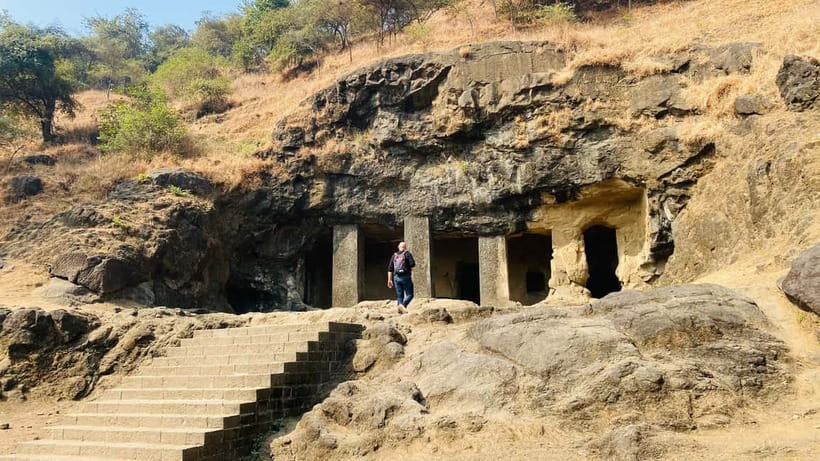
Once you land on Elephanta Island, you walk for about an hour toward the cave area. That sounds like a slog on paper, but in practice it works well because it breaks the day into two moods: city energy, then quieter island air.
You’ll notice the path isn’t just a straight line. There are connections between areas, and those connecting walkways give you pauses for views back toward the coastline and over the surrounding landscape. It’s a nice contrast to the tight interiors of the cave halls.
What I like here: you’re not forced to go straight from ferry to darkness. You get a chance to reset, hydrate (bottled mineral water is included), and get your bearings before the carvings start.
You can also read our reviews of more private tours in Mumbai


Entering the Elephanta Caves: What the 5th-Century Rock Cutters Were Trying to Say
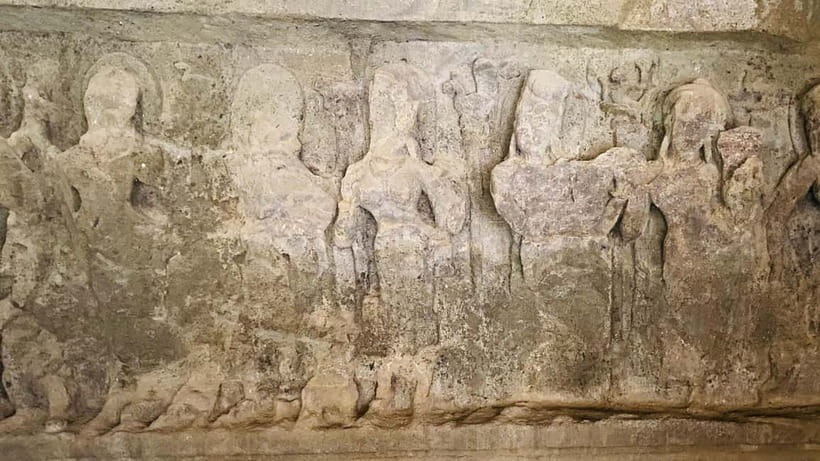
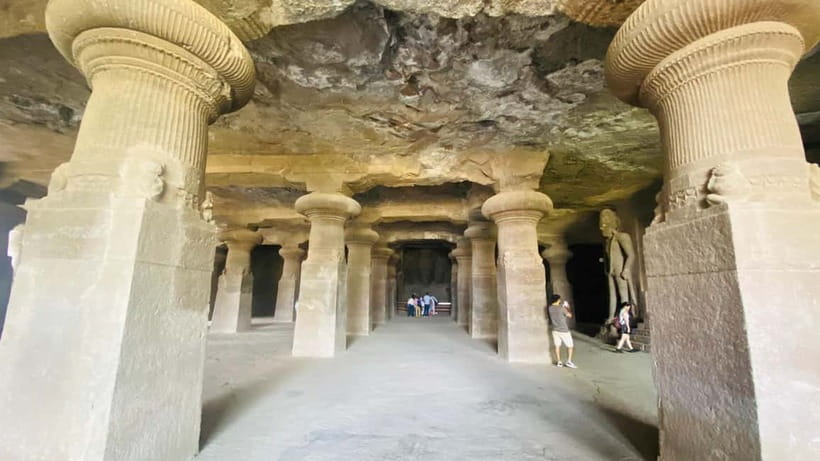
The caves are from the 5th century, and that date matters because it explains the “big skill level” in the stonework. You’re not just looking at old sculptures; you’re looking at a whole temple layout carved into rock, built for ritual and storytelling through images.
Your guided time inside is about 1.5 hours. This is long enough to see the main features, but short enough that you don’t feel trapped when your legs start negotiating with your brain. The key focus is Lord Shiva and the way different sculptures explain his roles and mythic meaning.
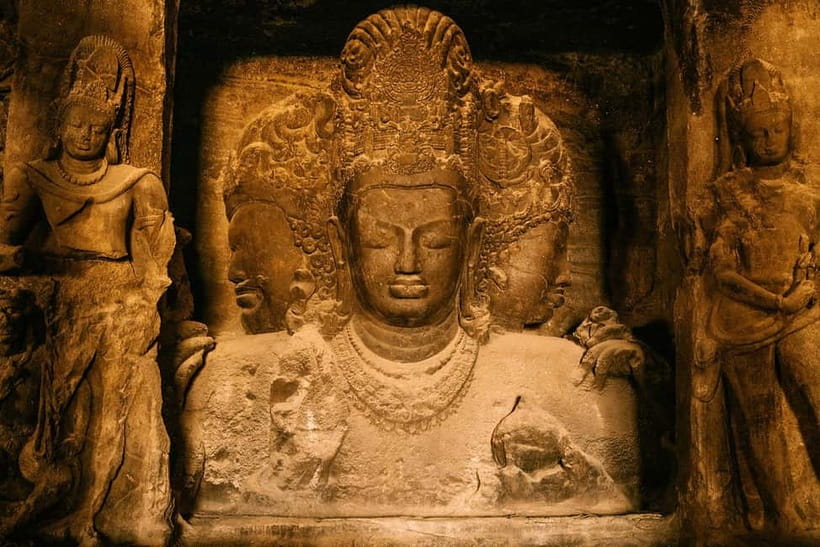
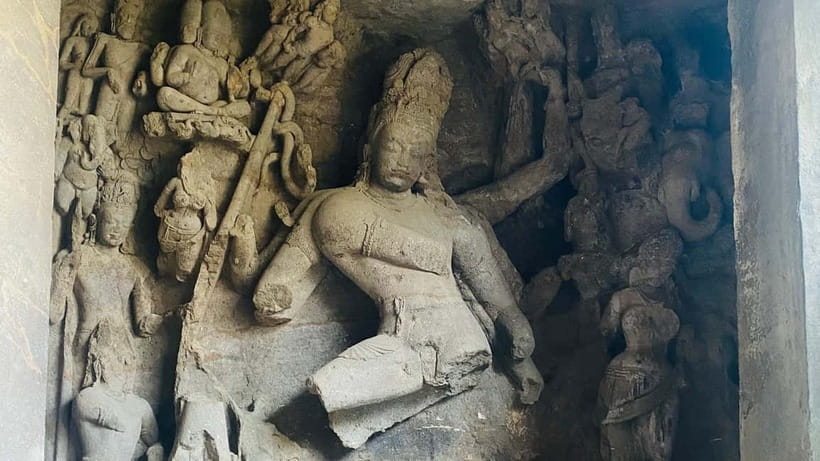
The standout is the Trimurti—a three-headed depiction of Shiva symbolizing creator, preserver, and destroyer. If you’re trying to understand what you’re seeing, this is your starting point. It’s visually clear, and a good guide can connect it to what the rest of the cave program is communicating.
What you’ll want to do while you’re there: slow down for the carvings closest to eye level. Many details read better when you’re not sprinting between viewpoints. If you keep one hand-free for photos, use the other to steady yourself on uneven steps.
Main Cave vs Smaller Caves: Why Variety Makes the Art Click
Elephanta isn’t just one huge room. This tour includes the main cave and also smaller, historically significant caves. That matters because it changes how you read the site.
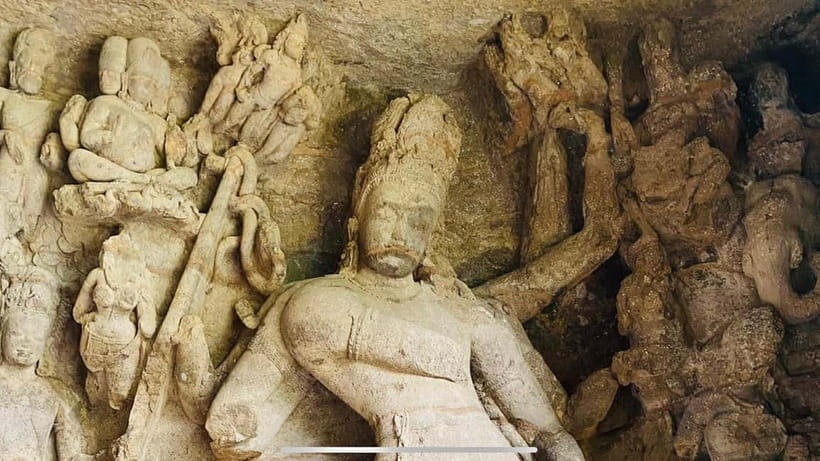
In the main cave, you’re dealing with the “headline” sculptures and the big temple composition. In the smaller areas, you can compare styles and themes in a more gradual way, because you’re moving through different halls and shrines. Instead of treating the visit as a single photo stop, you get a sense that the whole island functioned like a temple complex.
Connecting pathways between caves also help. They give you brief breathing spaces, and when you come back into the rock interiors, the change in sound and light makes the carvings feel more dramatic.
If you’re a first-time visitor to Hindu cave architecture, this mix is a better way to learn than rushing straight to the largest space. You’ll leave with more images in your head and fewer “I saw something, but what exactly?” moments.
The Guide Matters: Names You Might Hear and What Good Explanations Do
This is an English live guide tour, and from the quality of guide service on the ground, you can tell the difference between a fast walkthrough and a meaningful interpretation.
In past tours, guides such as Eklavya and Milind have led people through the details and explained the carvings in a way that feels organized. Other guides like Pankaj have been praised for covering the main attractions clearly and making the experience easy to follow.
You’ll feel that when the guide points out symbolism instead of only listing facts. Elephanta can look like “lots of carvings” until someone connects them to Shiva’s roles and the overall temple meaning.
Small advice that pays off: ask quick questions when you’re standing still, not when you’re mid-staircase. The best moments are usually when the guide is describing a focal sculpture or a section of the cave hall.
Logistics, Shoes, and Weather: The Stuff That Actually Changes Your Day
This tour lasts about 5 hours, and the schedule is built around the ferry timing. That means weather matters. The ferry ride is weather-dependent, and if conditions are rough, the tour can be rescheduled or canceled.
So plan like a realist:
- Wear comfortable footwear because you’ll walk and climb stairs inside the caves.
- Avoid clothing that restricts movement. Short skirts aren’t allowed.
- Keep sunglasses and sunscreen handy for the ferry and island walk.
Also, remember that you’ll be on your feet in several blocks: a walk on the island, a cave visit with stairs, and ferry time on both sides. It’s not an extreme hike, but it’s not a sit-and-watch museum either.
Accessibility note: the caves may not be fully accessible for people with mobility issues, and it’s stated as not suitable for wheelchair users.




Skip the Ticket Line, Includes the Key Pieces: What You’re Really Paying For
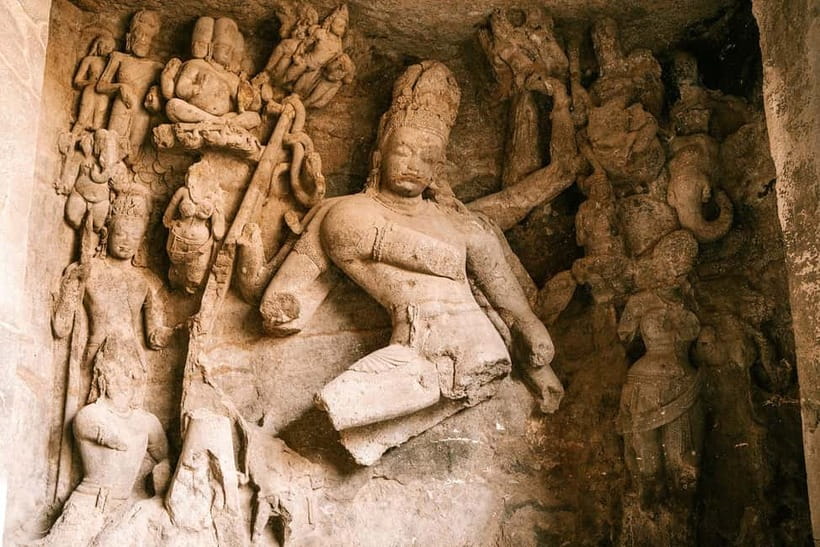
The price is listed as about $40 per person, and the “value math” looks reasonable because several practical items are included:
- English speaking tour guide
- Caves entry tickets and taxes
- Ferry boat ride tickets
- Bottled mineral water
- A chance to skip the ticket line
That package is important in Mumbai, where getting the timing right can be half the battle. Paying for a guided bundle reduces decision fatigue and helps you avoid time-wasting ticket queues on a day where ferry schedules already control your pace.
One caution for value seekers: private options can price high, and it’s possible to feel the difference if the transfer vehicle or the included meal doesn’t match what you expected. In one private-tour experience, the guides and hosts were described as kind, but the transport felt uncomfortable and the meal was very simple. The takeaway for you is simple: when booking private, check exactly what’s included for transport and any added stops beyond the caves.
Where You Start and Finish: Gateway of India and Two Drop-Offs
Your meeting point can vary by option. Pickup can be optional, and if you choose pickup, you meet your guide in your hotel lobby. If not, you meet the guide at the designated location.
The day flows from Gateway of India into the ferry, then into the island walk, then the caves tour, and then back to the mainland. Drop-off includes two locations in Mumbai, one of which is the Taj Mahal Palace area.
That detail matters if you want your afternoon to stay smooth. If you’re staying near a drop-off point, it can save you time hopping across town after a full day outdoors and on stairs.
Who This Tour Fits Best (and Who Should Rethink It)
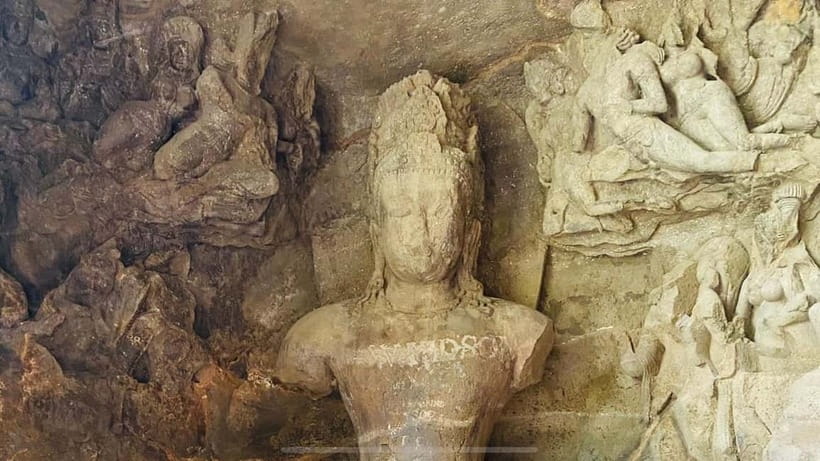
This tour suits you if you want a guided, structured visit to a UNESCO site without getting lost in the details. It’s especially good for:
- Art and history lovers who want help reading symbolism
- Travelers who like a clear highlight (Trimurti) plus extra cave variety
- People who enjoy a scenic start (ferry views) and a calm island feel afterward
It may not fit if you:
- Need wheelchair-friendly access (the caves aren’t fully accessible and it’s not suitable for wheelchair users)
- Have knee or mobility limits that make stair climbs hard
- Are sensitive to weather-related schedule changes, since the ferry depends on conditions
Should You Book the Elephanta Caves Tour?
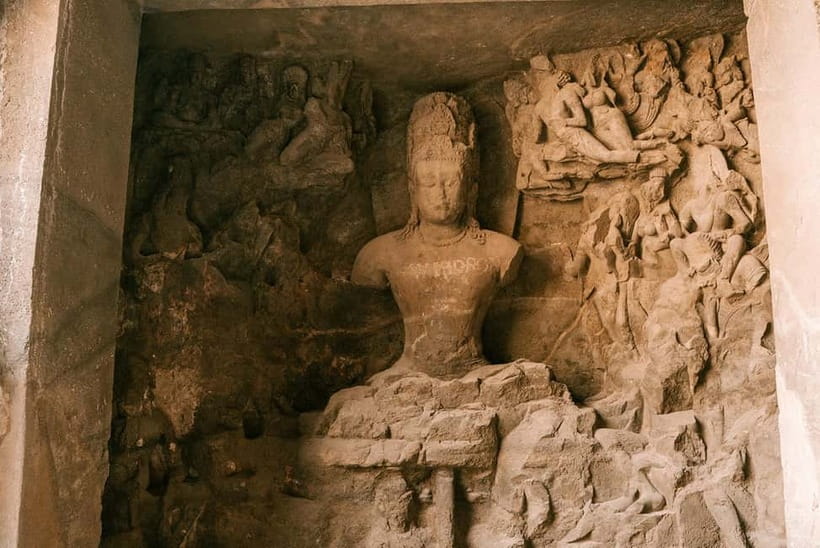
If you’re choosing between DIY and a guided bundle, I’d lean guided for this one. Elephanta works best when someone helps you “see” the carvings, not just “look” at stone. The included guide time, tickets, ferry, and bottled water take away most of the practical friction, and the ferry ride from Gateway of India adds a genuinely memorable leg to the day.
Book it if you want a structured UNESCO visit in about 5 hours, with the main carvings and the smaller caves included. Skip or rethink if mobility is a problem, or if you’re expecting an easy, all-flat experience.
If you do go, pack for sun, wear solid shoes, and go in expecting Shiva symbolism to make more sense the moment a guide points to what you’re looking at. That’s when Elephanta stops being just ancient stone and starts feeling like a place with a message.
FAQ
How long is the Elephanta Caves tour?
The duration is 5 hours total.
Where does the tour start in Mumbai?
You start at a meeting point that can vary by option. The tour includes a stop at the Gateway of India area for a short guided segment.
Is the ferry ride included?
Yes. Ferry boat ride tickets are included, and the ferry takes about 1 hour each way in the schedule.
What’s included in the price?
The tour includes an English speaking guide, caves entry tickets and taxes, ferry tickets, and bottled mineral water.
Do I need to buy tickets ahead of time?
No need to handle tickets separately, since caves entry and ferry tickets are included and there is a skip-the-ticket-line feature.
Is hotel pickup included?
Hotel pickup is optional. If you choose it, you meet the guide at your hotel lobby.
What should I bring?
Bring sunglasses, a hat, and sunscreen. Comfortable footwear is also strongly recommended since there are stairs and walking.
Is it wheelchair accessible?
No. The caves may not be fully accessible for those with mobility issues, and the tour is not suitable for wheelchair users.