REVIEW · DHARAVI SLUM TOURS
Mumbai Dharavi Slum Community Tour
Book on GetYourGuide →Operated by Explore Mumbai Tours · Bookable on GetYourGuide
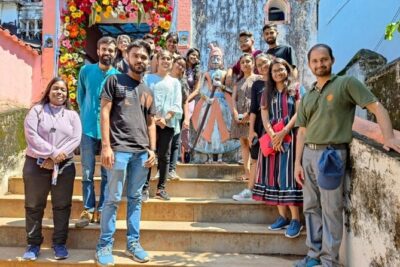
You’ll never see Mumbai the same after this walk. In a short 2–2.5 hours, Dharavi’s real-world industries and daily routines come into focus, guided in English and shaped by the kindness of Ruqaiyya.
Two things I really like are the small-group pace (you can actually ask questions) and the way the tour connects what you see in workshops to how people earn a living every day.
One consideration: this is a working neighborhood with tight paths and lots of walking, so bring shoes you trust and a headspace that can handle close, candid realities.
In This Review
- Key Things to Know
- Meeting at Third Wave Coffee and Hitting the Ground Running
- Dharavi Streets: Narrow Lanes, Daily Life, and Road-Safety First
- The Work You Can Actually See: Recycling, Garments, and Craft Industries
- Homes Up Close: Rooftops, Apartments, and Tight-Space Living
- Markets and Pottery Workshops: The Street Economy in Action
- A Visit to Local Schools: Education as a Future Plan
- What the 2–2.5 Hours Feels Like on the Ground
- Price and Value: How $9 Makes Sense Here
- Who This Dharavi Slum Community Tour Fits Best
- Should You Book This Dharavi Tour or Skip It?
- FAQ
- How long is the Mumbai Dharavi Slum Community Tour?
- Is the tour guide available in English?
- Does the tour offer pickup and drop-off?
- What is included in the tour price?
- Is there free cancellation?
- Where does the tour meet?
Key Things to Know
- A guide like Ruqaiyya brings empathy plus practical local context, including patient answers to questions.
- Small-group touring means you’re not getting herded, and road-crossing is handled with real care.
- Recycling plus craft work shows how industries run side-by-side with homes.
- You’ll see homes and rooftops and how families make space work when space is scarce.
- Markets and pottery workshops connect the street economy to hands-on craftsmanship.
- A school visit adds perspective on why education matters for the future.
Meeting at Third Wave Coffee and Hitting the Ground Running
Most people want to start their day with minimal friction, and this tour is built around that. You meet at Third Wave Coffee, though the exact meeting point can vary depending on the option you book. From there, the experience is designed to move at a comfortable walking rhythm for about 2 to 2.5 hours.
If you choose pickup and drop-off, you’ll use a car for the ride to and from the neighborhood, plus there are complimentary water bottles. That matters because Dharavi’s streets are not the kind you casually sprint through, and being hydrated helps you stay present instead of distracted.
The tour is led by a live English-speaking guide, and there’s also an option for a private group, which can be useful if you’re traveling with friends and want a calmer pace.
You can also read our reviews of more tours and experiences in Mumbai.



Dharavi Streets: Narrow Lanes, Daily Life, and Road-Safety First
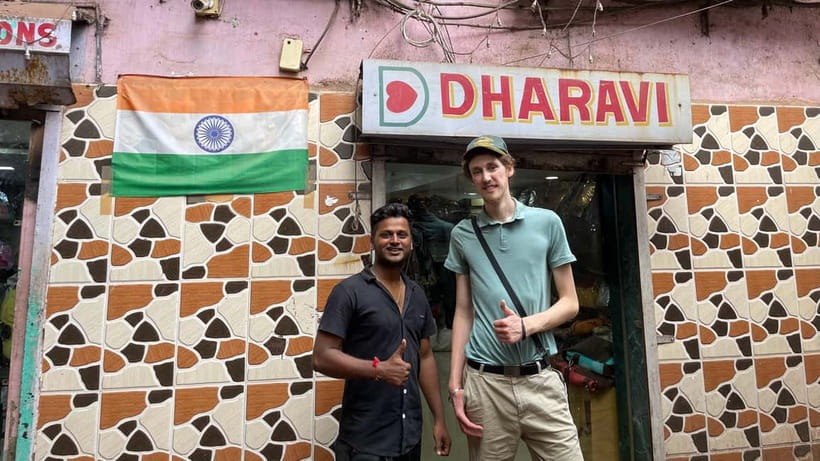
The walk is the backbone of this tour. You move through narrow streets and alleys where daily life plays out right next to the route. Instead of treating Dharavi like a stop on a photo itinerary, the guide helps you understand what you’re seeing: how people move, how work happens in small spaces, and how community rhythms shape the day.
One thing I’d flag based on the way the guide handled the group: crossing roads is taken seriously. You’ll likely feel well looked after, and the guide’s priority is that you stay safe while still getting a real view of the neighborhood. That balance is important. You’re going to be close to traffic and tight corners, so it helps when the guide is proactive.
Also, expect a tour that supports questions. The best moments are often the ones where you ask something you’re genuinely wondering about, and the guide answers in a way that adds context instead of shutting you down.
The Work You Can Actually See: Recycling, Garments, and Craft Industries
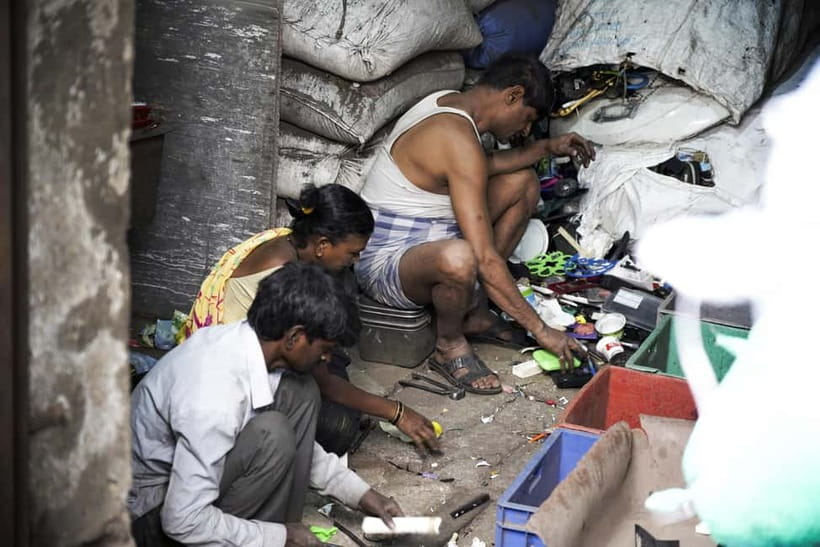
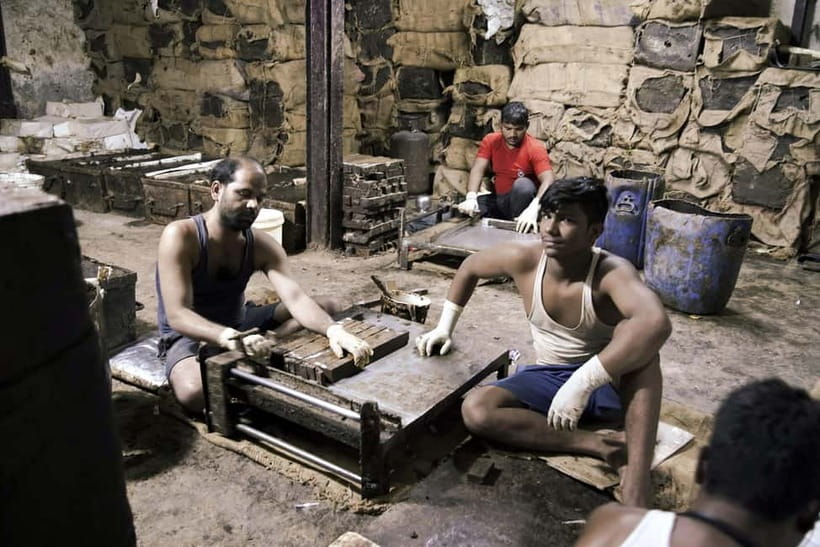
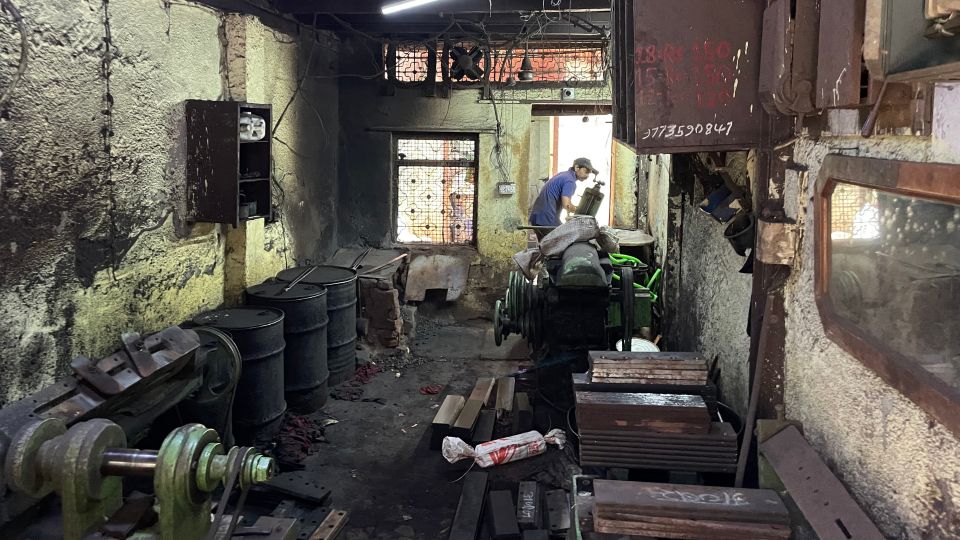
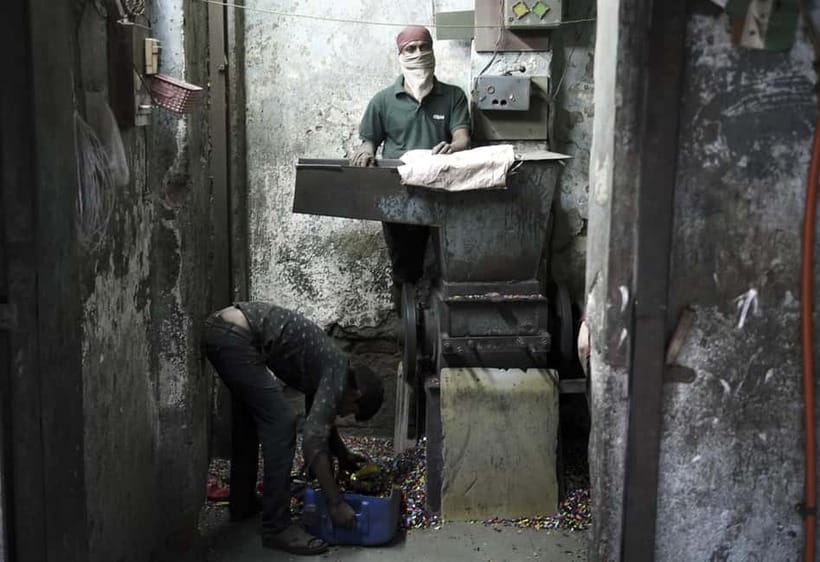
Dharavi is famous for how much business activity happens in small areas, and this tour shows that directly. A key stop is the cluster of industries you can walk past and observe: recycling centers for items like plastic, aluminum, and cardboard. This isn’t just a concept. It’s a working system, and you can see how materials flow into livelihoods.
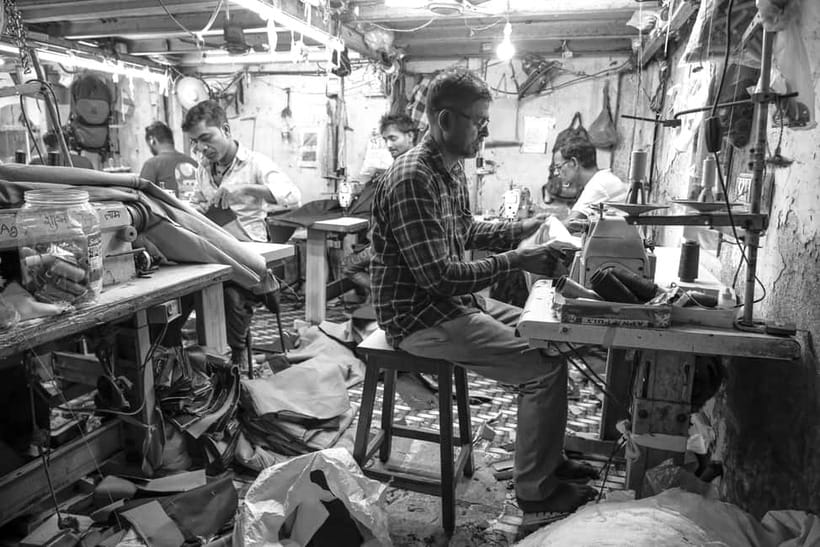
Then the tour shifts to the next layer: small-scale manufacturing units where you may see garment and leather-related work. The point isn’t just that people make products. It’s that many residents have built repeatable work patterns that keep income moving, even in tough conditions.
What I like about this section is how the guide connects the visuals to real life. You start to see Dharavi as an economy, not just a label. And once you start thinking of it that way, stereotypes get harder to hold onto, because your eyes are busy noticing how people create value with what they have.
Homes Up Close: Rooftops, Apartments, and Tight-Space Living
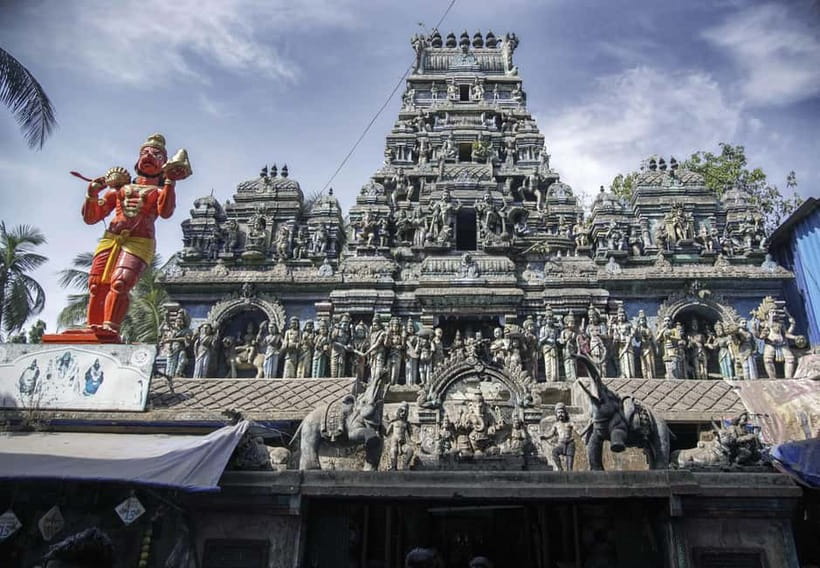
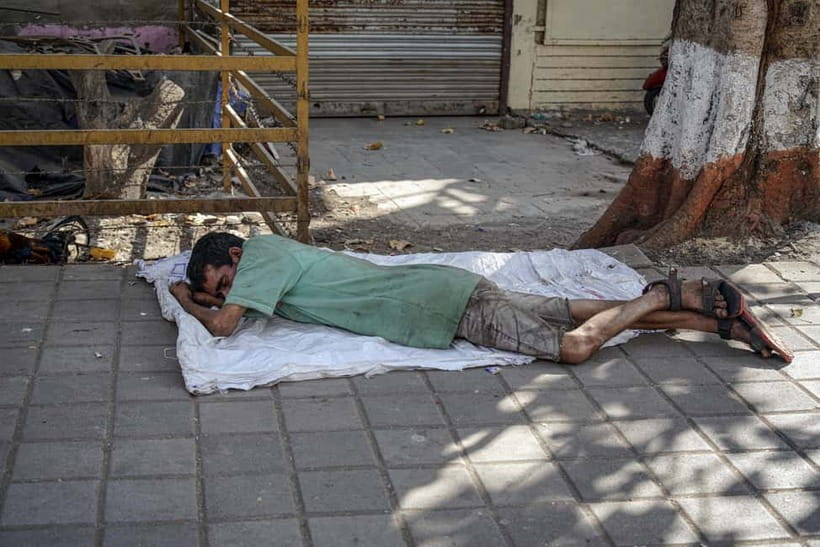
After the work areas, the tour turns to the residential zones. This is where the neighborhood feels most personal, because you’re no longer only watching production. You’re seeing where daily routines happen: cooking, resting, living, and managing limited space.
You’ll pass a mix of small rooftop houses and private apartment buildings. The contrast helps you understand that Dharavi isn’t one single type of housing. Different families have different arrangements, but the common thread is making life fit into space that isn’t generous.
For you, this part of the tour can be emotionally heavy, but it’s also the section that makes the whole trip more grounded. If all you saw were workshops and markets, you might leave thinking Dharavi is only work. By including housing, the tour reminds you that these industries are tied to families who go home at the end of the day, just like you do.
Tip: when you look at homes, try to notice what’s functional—how space is used, how rooms are arranged, and how daily needs shape the layout. It turns observation into understanding.
Markets and Pottery Workshops: The Street Economy in Action
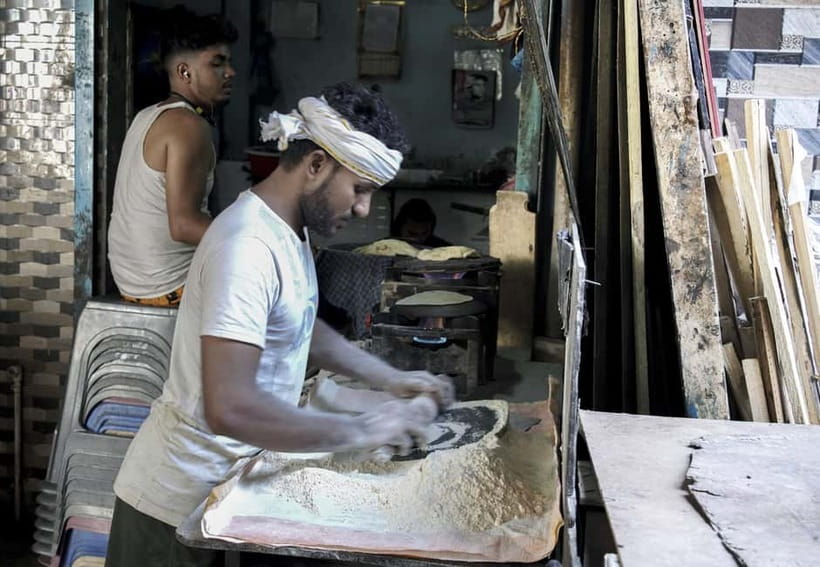
No tour like this feels complete without the places where everyday goods move. You’ll visit markets and workshops, with street activity that centers on practical items like fresh produce and handmade goods.
Markets here are more than shopping. They show trading relationships and the constant demand that keeps small businesses alive. The guide’s explanations help you see what goes where, why some items matter, and how commerce threads through daily life.
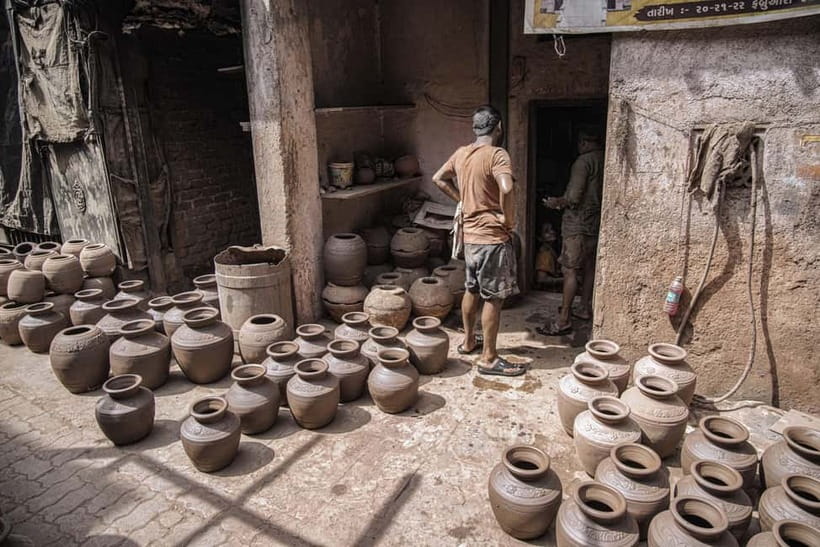
Then there’s a stop connected to craft: pottery workshops. You’ll watch artisans working and gain a sense of how skilled hands turn materials into detailed designs. This is a great moment to slow down, because it’s easy to forget how much time and practice craftsmanship requires when you’re used to quick, factory-made products.
If you decide to buy anything, treat it like supporting the maker, not like collecting a souvenir. Even a small purchase can feel meaningful when you know you’re keeping the local work cycle going.



A Visit to Local Schools: Education as a Future Plan
The final notable stop focuses on education. You’ll visit local schools, and there’s also time to interact with students.
This part changes the tone of the tour. It gives you something to connect to beyond work and housing: the idea that people are actively shaping what comes next. Education shows up as a practical pathway, not a slogan, and it helps your brain hold both reality and hope at the same time.
One reason this stop is valuable is that it prevents the tour from becoming only a lesson about hardship. The experience points out that aspirations live inside the community too. For you, it’s often the most memorable emotional pivot—less about observation and more about human connection.
What the 2–2.5 Hours Feels Like on the Ground
Time matters on a walking tour, and this one stays fairly tight at 2 to 2.5 hours. That’s long enough to see multiple parts of Dharavi—work areas, residential streets, markets, and a school visit—without dragging you into fatigue.
The pacing is also influenced by the small group size, which you’ll feel immediately. Fewer people means the guide can keep track of everyone, and you can move without constantly stopping to reorganize the line.
It’s a smart setup if you want a focused experience. If you prefer “slow travel” where every street corner becomes a long sit-down moment, this may not satisfy every urge. But if you want a clear snapshot with context, the timing works.
Price and Value: How $9 Makes Sense Here
At $9 per person, this tour is priced for real accessibility. The value isn’t just the low cost. It’s what you get inside that time:
- a guided exploration led by a local guide
- a mix of industries, markets, workshops, homes, and a school visit
- entrance fees included
- optional car pickup/drop-off plus water bottles
That package is why the price feels so reasonable. You’re not just paying for walking. You’re paying for interpretation, safety support, and access to areas you might not understand on your own.
Now, a practical note: at this price point, the experience is unlikely to feel like a polished, staged show. It’s real neighborhood touring. If you’re expecting a theme-park version of culture, you’ll probably feel disappointed. If you want the kind of learning that happens when you ask questions and watch carefully, you’ll likely feel like you got a bargain.
Who This Dharavi Slum Community Tour Fits Best
This tour is a good match if you want street-level understanding of Mumbai’s economy and community life. It also works well if you like tours where the guide actively supports questions and takes safety seriously. The fact that the guide’s approach is described as kind and patient is a big plus, especially if you’re traveling solo or just don’t want to feel rushed.
It may be less ideal if you hate walking in crowded areas or you’re sensitive to realities that are harder to look at. That doesn’t mean you shouldn’t go. It just means you should mentally prepare: bring respect, stay alert, and keep your expectations grounded.
If you’re traveling with kids, the data here doesn’t confirm age suitability. In that case, you might consider asking the operator directly before booking.
Should You Book This Dharavi Tour or Skip It?
I’d book if you want a guided, English-speaking walking tour that connects industries to homes, includes markets and workshops, and ends with a school visit that reframes the whole experience. The small-group format and the guide’s focus on safety and patient answers are the kind of details that make a tour feel worthwhile, not just fast.
Skip it if you’re looking for a low-contact, air-conditioned experience, or if you’re not comfortable with tight lanes and the emotional weight that can come from seeing real life up close.
If you’re on the fence, think about your goal. If your goal is understanding Dharavi as a functioning community with work, creativity, and aspirations, this is a strong choice for the time and price.
FAQ
How long is the Mumbai Dharavi Slum Community Tour?
The tour runs for 2 to 2.5 hours.
Is the tour guide available in English?
Yes. The tour includes a live tour guide in English.
Does the tour offer pickup and drop-off?
Yes, there are two starting location options and two drop-off locations, and if you book the pickup and drop-off option, it includes a car ride and complimentary water bottles.
What is included in the tour price?
The price includes a guided exploration with expert local guides, entrance fees, and for pickup/drop-off options, the car ride and water bottles.
Is there free cancellation?
Yes. You can cancel up to 24 hours in advance for a full refund.
Where does the tour meet?
The meeting point may vary depending on the option you booked, but the tour’s starting point options include Third Wave Coffee.