REVIEW · MUMBAI BIKE & CYCLE TOURS
Best Bicycle Tour In Mumbai
Book on Viator →Operated by Young Tours And Travel · Bookable on Viator
Morning traffic, but on two wheels.
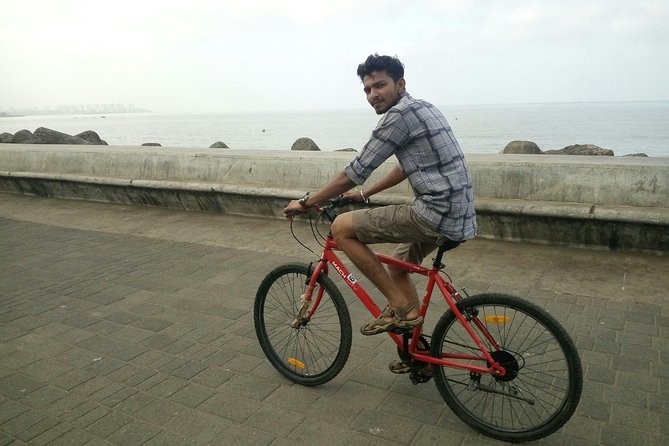
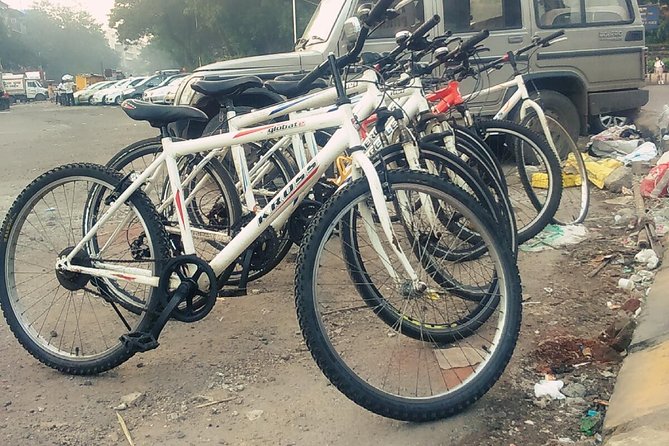
This is one of the more practical ways to see South Mumbai without spending your whole day in taxis. I like that it’s a focused 3-hour route packed with major icons like Gateway of India, Marine Drive, and the Chhatrapati Shivaji Terminus area, plus the guide fills the gaps with stories about everyday Mumbai life. I also like the small group size (max 12), which makes it easier to keep together when the city gets busy. One thing to consider: city cycling is still city cycling. Based on prior rider feedback, helmets may not be provided and some crossings can feel intense, so plan to ride confidently and consider bringing your own helmet.
The route runs early and stays in the southern zone, so you get landmarks when light is good and crowds are just starting to wake up. It’s priced at $39 per person, which is a big part of why this works as a “first taste” of the city rather than a long, expensive day. And yes, you’ll stop often—enough to look, learn, and take photos—without dragging the ride into a full-day marathon.
In This Review
- Key Things to Know Before You Pedal
- Why This Morning Bike Tour Is a Smart South Mumbai Starter
- Meeting at Colaba and Getting Positioned for a Smooth Ride
- Gateway of India at First Light: The Icon You Can’t Fake
- Taj Mahal Palace: Quick Looks at Big-Name Architecture
- Prince of Wales Museum Area: Vastu Sangrahalaya and Rajabai’s Clock
- Chhatrapati Shivaji Terminus Zone: The Train-Station Powerhouse
- Municipal Corporation Building: Heritage in Plain Sight
- Markets and Temples: Crawford Market, Mumba Devi, and Panjrapole
- Marine Drive: The Sea Promenade Finish
- Sassoon Dock: Old Harbor Energy Before You Roll Back
- Price, Value, and What the $39 Actually Buys You
- Who Should Book This Tour (and Who Might Want Another Option)
- Guide Energy: The Story Part Matters
- Should You Book This Best Bicycle Tour in Mumbai?
- FAQ
- How long is the bicycle tour in Mumbai?
- Where does the tour start?
- Do you get admission tickets included?
- Is pickup offered?
- What group size should I expect?
- What is the minimum age for the tour?
- Are helmets provided?
Key Things to Know Before You Pedal
- A tight 3-hour loop through Colaba and South Mumbai landmarks, made for efficient sightseeing
- Small group max of 12, so you’re not fighting for space or attention
- Pickup offered at a specific Colaba meeting point and you end back there
- Free admission tickets for most stops, with Panjrapole included
- Sunrise-to-city-energy timing that helps you see major sights while streets are calmer
Why This Morning Bike Tour Is a Smart South Mumbai Starter
Mumbai can be overwhelming. The trick is not trying to “see everything,” but seeing the right things in the right order. This tour does that by keeping you in one compact region of South Mumbai and stitching together a story line: imperial-era architecture, old transport hubs, major markets, and then a strong finish along the sea.
For $39, you’re not just buying motion—you’re buying orientation. The guide’s job is to connect what you’re seeing to why it matters, whether that’s the symbolism of cow protection in Indian culture or the working life around the harbor area. You’ll leave with mental maps that make the rest of your trip easier, like knowing which streets are where and what to look for when you’re walking later.
My one caution is the cycling reality. Even on a route that aims to be manageable, you’re still dealing with crossings, mixed traffic, and fast-moving moments. One past rider said it helped to be an experienced cyclist and noted helmets weren’t provided. If you’re not comfortable in traffic, I’d treat this as a “test ride first” style tour: go slow, stay alert, and don’t let the fun make you careless.
You can also read our reviews of more tours and experiences in Mumbai.

Meeting at Colaba and Getting Positioned for a Smooth Ride
The tour starts at Kailash Parbat Hindu Hotel N Restaurants, in Colaba (near Apollo Bandar). You meet there, you ride out, and the tour ends back at the meeting point. For me, that round-trip setup matters because it reduces stress. You don’t have to wonder how you’ll get back if you’re tired or if you’re carrying shopping bags from the markets later.
Pickup is offered, and the tour also uses a mobile ticket system. That’s useful if you’re juggling sightseeing plans and don’t want to deal with paper. The tour runs about 3 hours, and it’s set up for ages 6 and up—so it can work for families who can handle the ride pace.
The small group size (up to 12) is one of the quiet advantages here. With fewer people, you’re less likely to stretch into a long chain. That makes the stops feel more like guided walks plus a bike segment, instead of a chaotic caravan where everyone hears different information.
Gateway of India at First Light: The Icon You Can’t Fake
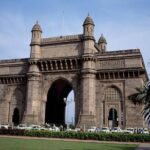
Your morning begins at the Gateway of India, one of Mumbai’s most instantly recognizable monuments. The big draw early is the light over the Arabian Sea. When you arrive in the morning, the waterfront feels less like a photo booth and more like a real place people move through.
This stop is brief—about 15 minutes with free entry—but it’s the kind of short stop that still works. You’ll get a clear view, you’ll be able to orient yourself around the waterfront area, and you’ll start building that “this is Mumbai” mental picture right away.
One practical tip: if you’re the sort of person who takes lots of photos, keep your time window in mind. You don’t want to be the person sprinting back to the group. Think of this stop as: get the key shots, then listen and move on.
Taj Mahal Palace: Quick Looks at Big-Name Architecture
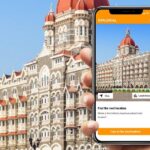
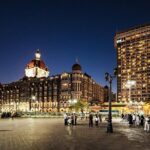
From Gateway, you roll toward the Taj Mahal Palace, Mumbai. You won’t be doing a deep interior visit here. Instead, you approach and take in the hotel’s architecture from afar, with a short history explanation.
This is the kind of stop that helps if you’re curious about what you see on postcards but don’t want to spend time booking separate attractions. The Taj is a centerpiece of South Mumbai’s visual identity, and the quick context from the guide gives the building more meaning than just pretty stonework.
Expect a short window—around 10 minutes—so it’s best for quick admiration and good street-level photos. If you’re a detail hunter, try to focus on one element at a time: the façade lines, the entry area, or the way it sits in the street scene.
Prince of Wales Museum Area: Vastu Sangrahalaya and Rajabai’s Clock
Next up is the Chhatrapati Shivaji Maharaj Vastu Sangrahalaya area (often called Prince of Wales Museum by many locals). This is where Indo-Saracenic architecture starts to feel like more than “a style.” It becomes a visual language for the city’s layers—British-era design mixed with Indian forms.
Then you catch the Rajabai Clock Tower from outside. The focus here is not climbing or ticketed visiting. It’s seeing the tower in context and hearing how the clock and surrounding buildings fit into the older Mumbai university area feel. Your stop times are short (roughly 5–10 minutes), but the guide’s role is to help you understand why the architecture looks the way it does.
Why I think this matters: these buildings sit in areas you might pass later while walking. If you understand the landmarks first, you’ll notice them again with way more confidence.

Chhatrapati Shivaji Terminus Zone: The Train-Station Powerhouse
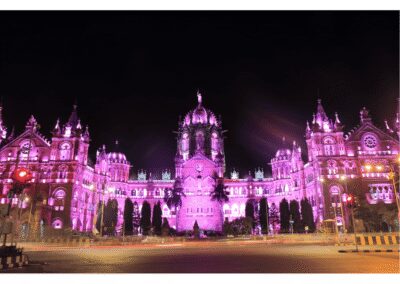
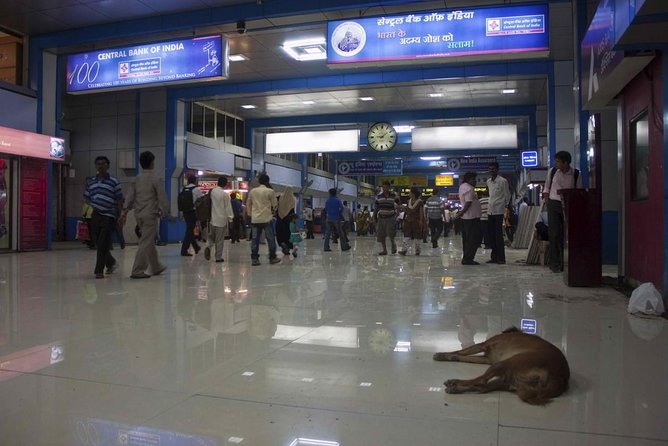
One of the strongest parts of the route is the Chhatrapati Shivaji Terminus area—formerly Victoria Terminus. This area can feel like a movie set if you’re visiting for the first time, but it’s also a real working hub.
You get about 15 minutes, with the stop centered on what makes the station an outstanding example of Victorian Gothic Revival architecture blended with Indian design themes. It’s also described as a UNESCO World heritage site, which should tell you you’re seeing more than a “pretty building.” You’re seeing an engineering-and-architecture statement that helped shape how Mumbai grew.
The practical downside? This is an area with a lot of movement. Even if you’re on a bike, be ready for pedestrians, traffic pulses, and quick transitions. Stay with the group and follow the guide’s cues.
Municipal Corporation Building: Heritage in Plain Sight
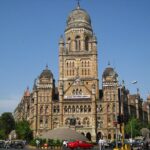
After the terminus zone, you’ll pass the Brihanmumbai Municipal Corporation building, a Grade IIA heritage building opposite the UNESCO-listed station area.
This stop is shorter (around 10 minutes) and works best if you’re the type who likes architecture but doesn’t want to sit around reading plaques. The value here is the framing. You’ll learn what the building is and why it’s part of Mumbai’s older administrative story, even if your own interest is mostly in what it looks like from the street.
A helpful mindset: treat these heritage stops like an art gallery tour—short viewing time, but the guide explains the “why.”
Markets and Temples: Crawford Market, Mumba Devi, and Panjrapole
Now the tour shifts from big monuments to human-scale Mumbai. You visit Mahatma Jyotiba Phule Market, widely known as Crawford Market. The building was completed in 1869, and it’s tied to the city’s history and trading culture.
This stop is about 15 minutes with free admission. It’s long enough to get a feel for the market vibe, but not long enough to trap you. That’s important because it keeps the whole route balanced; you’re cycling, not spending the day shopping.
Then you’ll head to Mumba Devi Temple, described as one of Mumbai’s older temples dedicated to the goddess Mumbai. Expect about 10 minutes and free entry.
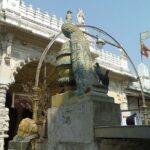
Next is Bombay Panjrapole. Unlike many other stops on the route, this one is marked as included. It’s part of the cultural thread of the tour: cow protection in Indian culture and how that idea shows up in local practices and institutions.
Why this works: markets and temples give you contrast. If the monuments are Mumbai’s “grand face,” these stops show the city’s routines. You start to understand how culture and commerce coexist in the same neighborhoods.
If you’re sensitive to crowds or noise, markets can be loud and busy. The tradeoff is you’re seeing the real “Mumbai day-to-day” texture rather than only photo-friendly landmarks.
Marine Drive: The Sea Promenade Finish
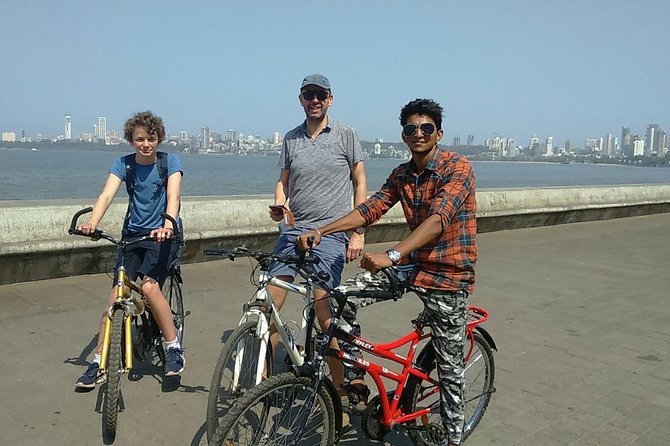
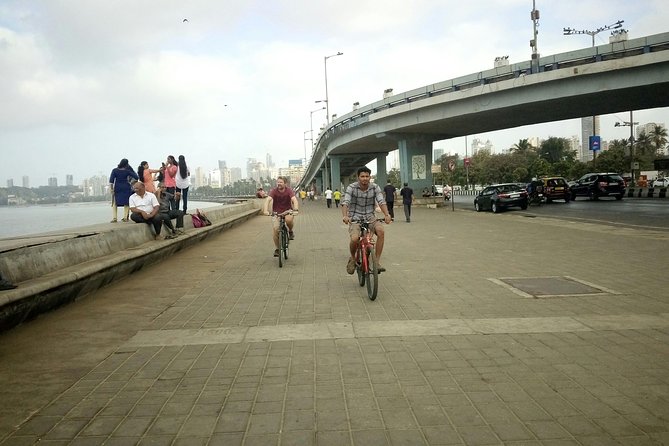
You end the landmark sequence with Marine Drive, the famous 3-kilometer-long promenade along Netaji Subhash Chandra Bose Road. The road and promenade were constructed by Pallonji Mistry, and the design is described as a C-shaped concrete road.
Your time here is around 15 minutes with free admission. It’s a great finish because the sea air and the open line of sight help reset your head after dense streets and stops. Even if you’ve been to waterfront promenades elsewhere, Marine Drive feels distinctly Mumbai because of the way people use it and the city’s skyline mood along the curve.
Practical suggestion: if you’re going to buy anything at a market stop, keep that in mind before you reach the sea promenade. You don’t want to reach Marine Drive with heavy bags and fewer places to stow things.
Sassoon Dock: Old Harbor Energy Before You Roll Back
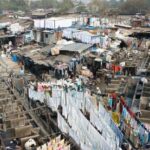
The final significant stop is Sassoon Dock, built in 1875, described as one of the oldest docks in Mumbai and the first wet dock constructed in Bombay.
This is a historically grounded way to end a tour that otherwise feels like architecture and street culture. You get about 15 minutes and free admission. And because it’s a working harbor-type area, it can add a “real city” ending note. It’s not just scenery; it’s the city’s motion continuing behind your sightseeing lens.
Then you ride back to the meeting point at Colaba, so the tour ends cleanly without forcing you to plan transportation right after you’ve worked up a little cycling fatigue.
Price, Value, and What the $39 Actually Buys You
At $39 per person, this tour competes with a lot of “one-off attractions” that cost more and don’t connect the dots. Here, your money goes into three things:
- a guided route through major South Mumbai landmarks in about 3 hours
- a tight loop that makes sightseeing efficient
- multiple stops with free entry (plus Bombay Panjrapole included)
Also, the booking pattern suggests it’s popular (it’s often booked around 53 days in advance on average). That’s a polite hint to book sooner rather than later, especially if you’re traveling during a busy season or on a specific date.
Group discounts are mentioned too. If you’re traveling with friends or family, it can make the price feel even more reasonable for a guided, structured morning.
Who Should Book This Tour (and Who Might Want Another Option)
This bicycle tour fits well if you:
- want a first-time South Mumbai orientation
- like mixing landmark sightseeing with market and temple texture
- prefer an early start and a guided pace
- enjoy cycling but still want frequent stops for photos and explanations
It might be less ideal if you:
- are very new to bike riding in traffic
- dislike busy intersections and quick transitions between stops
- expect helmets to be provided automatically (one past rider flagged that helmets weren’t provided, so I’d plan to bring your own if that matters to you)
If you’re an experienced rider, this can feel like a fun way to “get your bearings fast.” If you’re unsure, consider your comfort level honestly. You’ll likely have control if you stay attentive and ride defensively, but you won’t be in a traffic-free bike path fantasy.
Guide Energy: The Story Part Matters
The guide is the reason this tour feels more than a sightseeing checklist. In earlier departures with guides named Roy and Kurtin, the common theme was clear: you get stories that make the buildings and institutions feel tied to real life.
That’s especially helpful in a city like Mumbai, where architecture, street life, and cultural meaning all overlap. Without the guide, some stops could feel like “we’re standing here because it’s famous.” With the guide, those same stops become stepping stones to understanding the city’s habits and priorities.
Even the cultural note about cow protection shows up as more than trivia. It’s a thread that helps you read the city’s moral and social values through places you can actually see.
Should You Book This Best Bicycle Tour in Mumbai?
Book it if you want a small-group, guided way to cover South Mumbai in a morning without exhausting yourself. The route hits major icons (Gateway of India, Marine Drive, Chhatrapati Shivaji Maharaj Vastu Sangrahalaya/area, Rajabai, the terminus zone), then balances them with markets and cultural stops like Mumba Devi Temple and Bombay Panjrapole. That mix is exactly what makes a short tour feel like more than a drive-by.
Skip or rethink it if you’re not comfortable riding around traffic or you rely on safety gear being provided. If helmets are a must for you, bring your own and ride with extra caution, especially around intersections.
If you’re simply trying to enjoy Mumbai early, learn a lot fast, and return to your hotel feeling like you understand the neighborhood better than when you left—this is a strong choice.
FAQ
How long is the bicycle tour in Mumbai?
The tour lasts about 3 hours.
Where does the tour start?
The meeting point is Kailash Parbat Hindu Hotel N Restaurants, Sheila Mahal Society Shop no 5, 1st Pasta Ln, Colaba (Apollo Bandar, Colaba), Mumbai 400005, India.
Do you get admission tickets included?
Most stops list admission tickets as free, and Bombay Panjrapole is marked as included.
Is pickup offered?
Yes, pickup is offered.
What group size should I expect?
The tour has a maximum of 12 travelers.
What is the minimum age for the tour?
The minimum age is 6 years.
Are helmets provided?
A past rider noted that no helmets were provided, so I’d consider bringing your own if you prefer to ride with one.