
REVIEW · DHARAVI SLUM TOURS
Mumbai: Dhobi Ghat & Dharavi Slum tour
Book on GetYourGuide →Operated by Mumbai with Locals · Bookable on GetYourGuide
A slum tour with real access. This 3-hour walk-and-ride combo takes you from Dharavi, Asia’s largest slum, to Dhobi Ghat, the world’s largest open-air laundry, guided by people who know the neighborhood up close. It’s designed with privacy and respect in mind, so you get context instead of spectacle, plus an actual local train ride that makes the whole thing feel like Mumbai, not a staged museum.
I especially like two things: the chance to see Dharavi as a working community, with small industrial workshops and everyday routines, and the way the guides connect it all into clear, human stories. You’ll also come away stunned by Dhobi Ghat—row after row of hand-washed clothes, made real by your short viewing moment at the viewing deck.
One thing to consider: timing and access can vary. On one tour, the visit stretched to about 90 minutes and the pottery stop (Kumbharwada) didn’t happen because a bridge was down, so you should plan to be flexible if circumstances limit certain lanes or workshops.
In This Review
- Key Things You’ll Notice on This Tour
- Entering Dharavi With Guides Who Actually Belong Here
- Dharavi’s Two-Scene Walk: Workshops First, Daily Life Next
- Kumbharwada and Potter’s Community: What It Adds, and What Can Go Wrong
- The Local Train Ride to Mahalaxmi: A Mumbai Detail That Matters
- Dhobi Ghat: What the Open-Air Laundry Really Feels Like
- Price and Value: Why $13 Can Actually Make Sense
- Meeting Point Near Mahim: Easy to Find, Still Don’t Overlook It
- What I’d Pack and How I’d Prepare
- Who This Tour Suits Best
- Should You Book This Mumbai Dhobi Ghat & Dharavi Tour?
- FAQ
- How long is the Dhobi Ghat & Dharavi slum tour?
- What are the main stops on the tour?
- What’s included in the ticket price?
- Is hotel pickup included?
- Where do I meet the group?
- What languages will the guide speak?
- Is there flexibility if I need to cancel?
Key Things You’ll Notice on This Tour
- Local guides from Dharavi who speak English and Hindi and keep the focus on respect
- A realistic Dharavi walk through industrial areas and residential life
- A 30-minute local train ride to Mahalaxmi station, part of the experience
- Dhobi Ghat photo time plus a viewing deck stop for the big laundry view
- Kumbharwada pottery is included but can be affected by access
Entering Dharavi With Guides Who Actually Belong Here
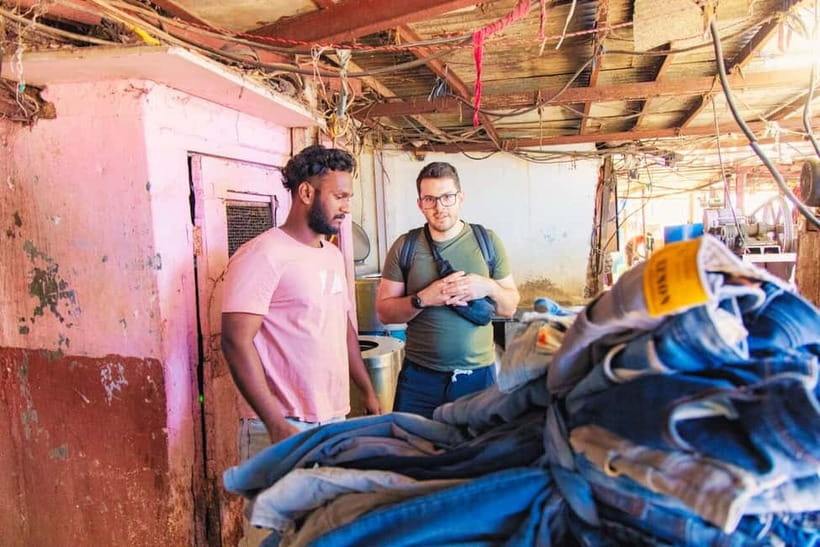
Dharavi can feel like a contradiction the first time you hear about it: a place people often label as poor, yet it runs on skills, trades, and constant motion. What I like about this tour is that it doesn’t treat Dharavi as a headline. You walk with guides from inside the community, the kind of people who can explain what you’re seeing without turning it into a performance.
You’re also told up front that the tour is handled with privacy and respect. That matters. In a place where people live and work, it’s easy for outsiders to become intrusive. Here, the goal is simple: understand how daily life and small industries work in the same streets, and do it without crossing lines.
English-language storytelling is a big part of the value, too. In the reviews, guides like Sajid and Jay came up for professionalism, competence, and clarity. That’s what turns a route into a real visit.
You can also read our reviews of more tours and experiences in Mumbai.



Dharavi’s Two-Scene Walk: Workshops First, Daily Life Next
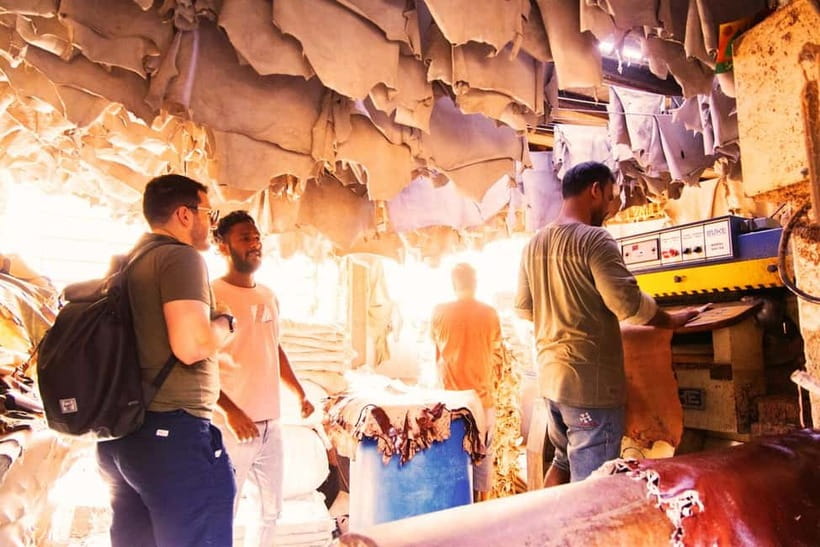
The Dharavi portion is about 2 hours on foot, and it has a deliberate rhythm.
First, you move through the industrial side where you’ll see small factories and workshops at work. This is where Dharavi’s “how does this place function?” question starts to make sense. You’ll get a sense of how people use space and skill to produce goods, repair items, and keep businesses going—even when conditions are tough.
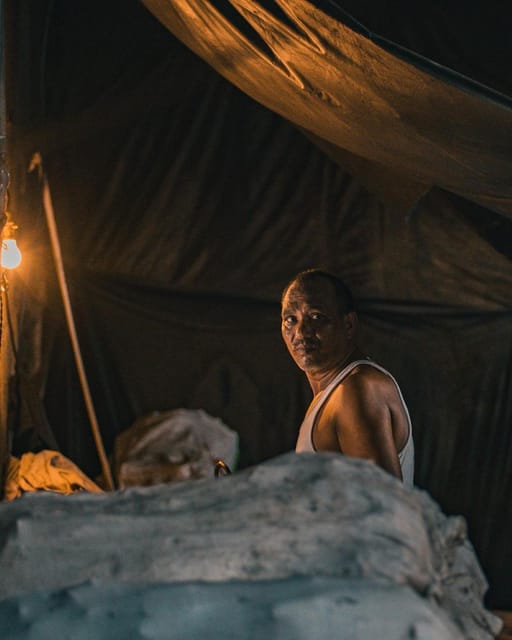
Then the route shifts toward residential areas. This isn’t just a change in scenery; it’s a change in pace. You’ll talk more about family life, traditions, and the challenges people face day-to-day. I like that balance because it prevents the common mistake of only seeing either industry or poverty. Here, you see both woven together.
Be ready for a walking tour that feels close and real. You’re not just looking at buildings. You’re moving through a living neighborhood where trade, home, and routine share the same lanes.
Kumbharwada and Potter’s Community: What It Adds, and What Can Go Wrong

Kumbharwada is the pottery community stop, and it’s one of the highlights for a reason. Pottery is craft-work you can see with your eyes: materials, hands, shaping, finishing—skills passed down and repeated with care. Even if you’re not a pottery person, this kind of stop gives you a different layer of understanding. It shows that Dharavi isn’t only about surviving; it’s also about making.
That said, plan for the possibility that this part might not happen on your specific day. One tour experience ran about 90 minutes instead of the full 3 hours and the pottery stop didn’t happen because a bridge was collapsed. It’s not the kind of detail you want to discover last-minute, so I’d go in knowing that some access points can be affected by the local situation and that the guide will do their best with what’s possible.
If Kumbharwada is available, it’s a great moment to slow down and watch how craft ties into community identity.
The Local Train Ride to Mahalaxmi: A Mumbai Detail That Matters
After Dharavi, the tour transitions to the city at large with a local train ride. You spend about 30 minutes on the train, and you’ll get off at Mahalaxmi station.
This part feels small on paper, but it’s a big part of why the tour works. Mumbai isn’t just Dharavi and it isn’t just Dhobi Ghat. The train ride puts you back in motion with the city, and it helps you connect the dots between neighborhoods rather than treating them like separate postcards.
Also, train tickets are included. That’s a practical win because it removes one more task from your day. For a short 3-hour tour, reducing friction is part of the value.
Dhobi Ghat: What the Open-Air Laundry Really Feels Like
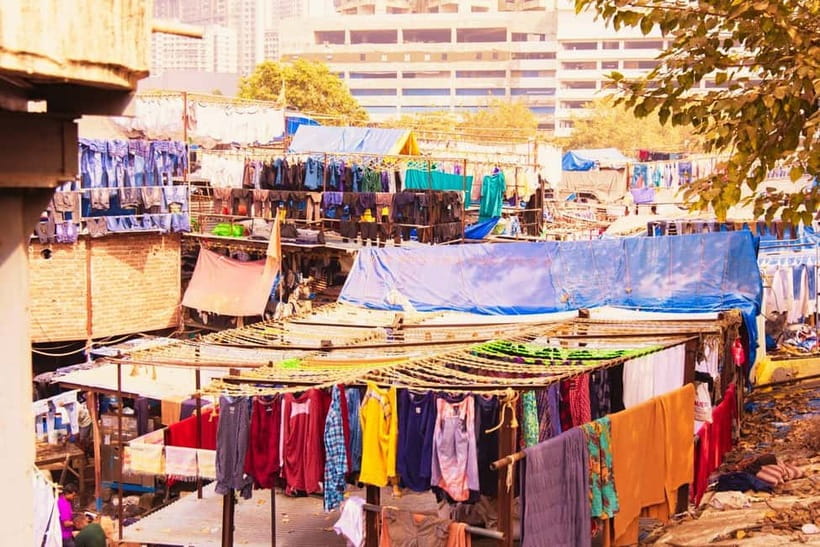
Dhobi Ghat is iconic for a reason. It’s described as the world’s largest open-air laundry, and when you see it, you understand the scale instantly. Clothes line up in rows. Washing happens with handwork and steady precision. This is not a behind-glass attraction. It’s a working environment, and that changes your perspective fast.
You get a short photo stop (around 15 minutes) and then you finish at the Dhobi Ghat viewing deck. That viewing deck matters because it gives you a wider angle than standing at street level. You’re looking down at the operation, so you can take in the layout and the sheer number of garments being handled.
If you’re the type who likes to travel with your camera, bring it. But also bring patience. You’re working around people who live and work there. The respectful approach from Dharavi should carry into Dhobi Ghat too.
One practical note: this is the part where you’ll likely want to plan your time for pictures. The laundry scene is visually busy, so if you don’t set yourself up for it, 15 minutes can disappear fast.





Price and Value: Why $13 Can Actually Make Sense
At around $13 per person for a 3-hour tour, the pricing is surprisingly reasonable for what’s included.
Here’s what you’re getting for that money:
- A live guide in English and Hindi
- Entry fees at Dhobi Ghat
- Train tickets for the ride
- A packaged bottle of water
Those items add up. Many short tours in big cities charge low headline prices but then pile on entry fees, transit costs, and guide fees later. This one bundles core pieces. For a first-time Mumbai visit, it’s also an efficient way to see two very different sides of the city without spending half a day in transit planning.
To make the value even sharper, think about your own priorities. If you want a guided explanation and you’re okay with a short schedule, this is a cost-effective way to get a lot of context in a few hours.
If you want slow, deep access—like extended stops inside Kumbharwada or extra time at Dhobi Ghat—you may feel slightly rushed. That’s the tradeoff of a 3-hour format.
Meeting Point Near Mahim: Easy to Find, Still Don’t Overlook It
The meeting point is at Third-wave Coffee Shop, in the Ram Mahal building, opposite Mahim railway station on the west side.
That location is helpful because it’s tied to a major station. Still, don’t treat meeting time like a suggestion. The day moves quickly—Dharavi walk, train ride, then Dhobi Ghat—so arriving late can compress the experience for you and the group.
Also note: there’s no hotel pickup or drop-off included. If you’re staying far from Mahim, you’ll want to plan your own route ahead of time.
What I’d Pack and How I’d Prepare
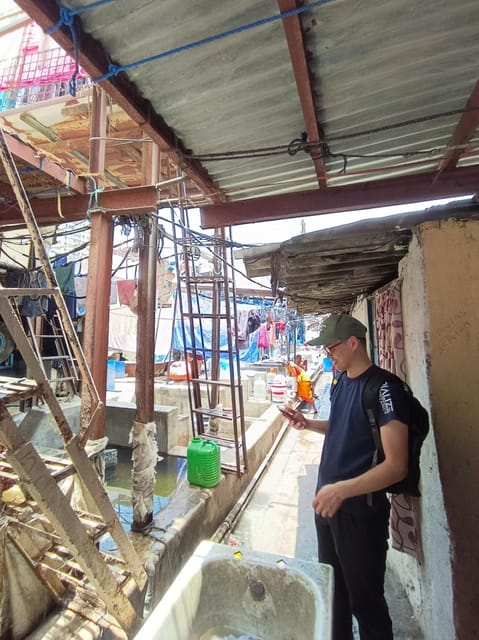
Because this is a walking-and-working-neighborhood tour, come ready for real streets, not theme-park comfort.
Bring:
- Comfortable shoes (you’ll be on your feet through Dharavi lanes)
- A camera (Dhobi Ghat is a big visual moment)
- Light layers, depending on the weather
- Any essentials you normally carry for short city trips
And keep your expectations grounded. This isn’t a tour where the goal is to stay detached and watch from far away. You’ll be close enough to learn how people live and work, which is exactly why the guides focus on respect and privacy.
Who This Tour Suits Best
This tour is a strong fit if you:
- Want a guided, human-scale look at Mumbai’s realities instead of generic sightseeing
- Like understanding how trades and daily routines operate
- Are comfortable with a walking pace and a working-environment feel
- Want one afternoon that connects Dharavi and Dhobi Ghat in a single story
It may be less ideal if you need a guaranteed pottery stop every time, or if you’re the kind of traveler who becomes stressed when a schedule shortens slightly. Access issues can happen, and one experience included a missed Kumbharwada stop due to a collapsed bridge.
Should You Book This Mumbai Dhobi Ghat & Dharavi Tour?
If your goal is to see Mumbai as lived-in—not edited—you should book it. The guide-led approach matters, and the price is hard to argue with given that train tickets and Dhobi Ghat entry are included.
I’d book especially if you value story-driven explanations and you want to watch craft, industry, and daily life in the same session. And I’d choose this tour with the right mindset: keep respect first, go in flexible about timing, and expect a short but meaningful sequence rather than a long, slow museum-style visit.
FAQ
How long is the Dhobi Ghat & Dharavi slum tour?
The tour duration is 3 hours.
What are the main stops on the tour?
You’ll visit Dharavi (with a guided walking tour), take a train ride, stop at Dhobi Ghat for photos, and finish at the Dhobi Ghat viewing deck.
What’s included in the ticket price?
Included are a packaged water bottle, train tickets, and entry fees at Dhobi Ghat.
Is hotel pickup included?
No, pick up and drop at hotels are not included.
Where do I meet the group?
You meet at Third-wave Coffee Shop in the Ram Mahal building, opposite Mahim railway station on the west side.
What languages will the guide speak?
The live tour guide speaks English and Hindi.
Is there flexibility if I need to cancel?
Free cancellation is available up to 24 hours in advance for a full refund. There is also a reserve now & pay later option.