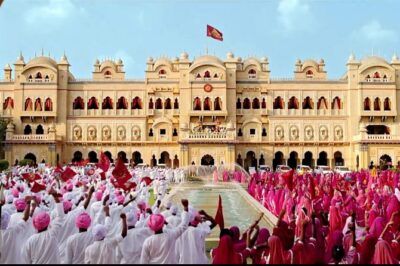
Mumbai holds stories in plain sight. This 7-hour Jewish heritage tour of Mumbai strings together synagogues, a storied library, and the harbor-side world of Sassoon Docks. You’ll also get a focused look at Kenneseth Eliyahoo and other key places tied to Jewish life in the city.
I like how the tour stays practical while still feeling deeply human. The guide’s explanations help you connect the buildings to real Jewish community life, and I especially love the blue look at Kenneseth Eliyahoo, plus the fact that it also sells books about Jewish culture. I also come away impressed by the view from the David Sassoon Library deck over the Fort District of Mumbai.
One thing to plan for: the dress code is formal, and lunch is not included, so you’ll want to sort out food timing before you go.
In This Review
- Key highlights you should care about
- A Jewish Heritage Tour That Mixes Synagogues With Mumbai’s City Icons
- Price and What You Actually Get for $135
- Getting Ready: Formal Dress and a Long Morning
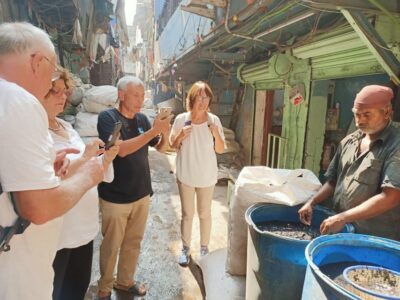
- Sassoon Docks: Fishing-Boat Mumbai and a Jewish Community Footprint
- Kenneseth Eliyahoo Synagogue: Blue Walls and Books for Sale
- David Sassoon Library Deck: Fort District Views That Feel Like a Bonus City Tour
- Shaar Harahamim (Gate of Mercy), Built in 1796
- Magen David Synagogue and the Sassoon Children’s School
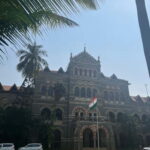
- Driving Past Victoria Terminus, Crawford Market, and Dhobi Ghat
- The Guide Factor: Clear Explanations With Room for More Depth
- Who This Tour Fits Best (And Who Might Want to Think Twice)
- Should You Book This Jewish Heritage Tour of Mumbai?
- FAQ
- What time does the tour start?
- How long is the Jewish heritage tour of Mumbai?
- How much does it cost per person?
- Does the tour include pickup and drop-off?
- Is admission included?
- Is lunch included?
- What is the group size limit?
- What should I wear?
- Do I receive a mobile ticket?
- What is the cancellation policy?
Key highlights you should care about
- Sassoon Docks and the fishing-boat story: a dock village linked to the fishing industry that accounts for 40% of India’s fish.
- Kenneseth Eliyahoo Synagogue in striking blue with books for sale on Jewish culture.
- David Sassoon Library deck views over the Fort District.
- Shaar Harahamim (Gate of Mercy) built in 1796, described as Mumbai’s oldest synagogue.
- Magen David Synagogue plus the Sassoon Children’s school for a fuller sense of community life.
- Hotel or port pickup and drop-off, capped at 16 travelers.
A Jewish Heritage Tour That Mixes Synagogues With Mumbai’s City Icons
This tour is designed for people who want more than a quick photo stop. You start in the morning and spend the day moving between major Jewish sites in Mumbai, while also getting a sense of the city outside those walls.
What makes this route especially workable is the blend of purpose and atmosphere. You’re not only looking at architecture; you’re also seeing how the Jewish story connects to neighborhoods, the port area, and the long-standing “Fort” zone of Mumbai. And because the tour includes drives past other famous landmarks, you can link what you see in the synagogues and libraries to the wider city you’ll recognize later.
You can also read our reviews of more historical tours in Mumbai


Price and What You Actually Get for $135
At $135 per person for about 7 hours, the biggest value isn’t just the sightseeing. It’s that you’re paying for a professional guide plus pickup and drop-off, which saves you time and hassle in a big city like Mumbai.
You also get clarity on what you won’t be paying for separately: admission is listed as free, and the price includes all taxes, fees, and handling charges. The one clear missing piece is lunch, so if you’re the type who hates scrambling mid-morning, plan to grab something before the tour or carry snacks you can eat on the go.
I also like that the group is kept small, with a maximum of 16 travelers. That matters when you’re visiting places with rules and quiet spaces, like synagogues and libraries.
Getting Ready: Formal Dress and a Long Morning
The dress code is formal, so you’ll want to dress accordingly before you arrive. Since you’ll be inside multiple religious buildings, also be ready for you-know-what: standing, walking, and looking up at details that deserve your attention.
The start time is 8:30 am, and the day runs about 7 hours. That long stretch is totally manageable if you eat early and keep water on hand. The tour itself doesn’t include lunch, so treat food planning like part of the sightseeing, not an afterthought.
Sassoon Docks: Fishing-Boat Mumbai and a Jewish Community Footprint
Your morning begins around Sassoon Docks, a working dock area tied to fishing. The dock is described as a fishing boat village where 40% of India’s fish are caught, which gives you a grounding context for the day. Instead of picturing history only as museums and temples, you see how everyday industry sits next to community life.
This stop also sets the tone: Jewish heritage in Mumbai isn’t only about synagogues. It’s also about the port economy, the movement of people and goods, and the way communities formed near where livelihoods happened.
Practical note: a dock area can mean uneven surfaces and open-air moments, so wear comfortable walking shoes under your formal outfit. If you’re sensitive to sun or humidity, bring what you need because the dock area is less predictable than a controlled indoor space.
Kenneseth Eliyahoo Synagogue: Blue Walls and Books for Sale
If you want one stop that visually grabs you fast, make it Kenneseth Eliyahoo Synagogue. It’s known for an incredible blue interior and exterior, and the tour also points out that there are books for sale on Jewish culture.
I like this mix because it makes the visit more than a viewing experience. You can leave with something you can read later, which is handy if you want to keep the story going after the tour ends. It also helps you shift from seeing the synagogue as only an object to seeing it as a living place of culture and learning.
A quick strategy for this stop: don’t rush the building. Spend a few minutes letting the blue surfaces and design patterns register, then ask the guide to connect what you’re seeing to the people behind the community.

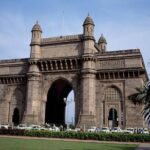

David Sassoon Library Deck: Fort District Views That Feel Like a Bonus City Tour
Next you move to the David Sassoon Library, where you’ll get access to the deck for a great view of the Fort District of Mumbai. This is one of those moments where the tour quietly upgrades your entire understanding of the city.
From a viewpoint like that, you can start noticing how the Fort District relates to everything around it: the density, the mix of old structures, and the sense of a long-settled urban core. Even if you only spend a short time up there, it helps your brain map what you’ll later recognize from drives and street-level sightseeing.
The deck stop also gives you a natural break in the day. Synagogues can be visually intense, so a viewpoint moment lets you reset before you move on.
Shaar Harahamim (Gate of Mercy), Built in 1796
Shaar Harahamim, also known as the Gate of Mercy Synagogue, is built in 1796 and is described as Mumbai’s oldest synagogue. That “oldest” detail changes how you look at the building, because it puts you closer to the long timeline of Jewish presence in the city.
I find these older synagogues more emotionally grounded than newer buildings. Even without needing extra background, the age alone gives you weight: this wasn’t a quick community stopover; it was something that lasted, adapted, and kept serving people.
The key here is listening closely. A building this old can feel like just stone and doors if you only treat it as a landmark. But with the guide’s stories, it becomes clearer why the community built here, how it endured, and what the synagogue meant beyond worship.
Magen David Synagogue and the Sassoon Children’s School
After the Gate of Mercy, you continue to the Magen David Synagogue and the Sassoon Children’s school. This part of the tour matters because it broadens the idea of heritage.
Religious buildings are central, yes. But schools and community education show a different side: continuity, identity-building, and the daily work of raising children within a tradition. When you add these stops, the tour feels less like a list of monuments and more like a snapshot of community life across generations.
If you like learning through human-scale details, this is the section that tends to linger in your memory. Even if you’re not expecting to do more than look around, the idea of the school makes the visit feel personal.
Driving Past Victoria Terminus, Crawford Market, and Dhobi Ghat
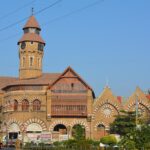
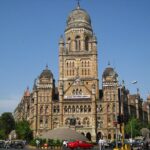
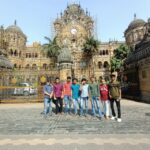
You’ll also drive past other notable Mumbai landmarks, including Victoria Terminus, Crawford Market, and Dhobi Ghat. Victoria Terminus is highlighted as an incredibly beautiful Saracenic building, which is the kind of architectural label that helps when you later see it from the street.
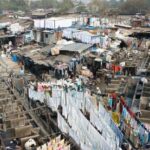
Crawford Market is another major city landmark that can help you connect the dots between heritage neighborhoods and the everyday life of Mumbai. And Dhobi Ghat is mentioned as the largest open-air laundry area, which is one of those visual reminders that Mumbai’s culture isn’t only indoors.
Heads-up: when you’re on a drive, you’ll see the landmarks from the road. That’s fine if your expectations match the format. Use the drive sections as your mental “orientation,” then go slower later if any building catches you.
The Guide Factor: Clear Explanations With Room for More Depth
The tour’s biggest strength is the guide’s ability to explain what you’re looking at. That’s not a small thing. Jewish heritage sites can include details that look straightforward until someone connects them to community stories, time periods, and local meaning.
One possible downside to consider: if you’re the type who wants very deep, extra layers on every stop, you might wish the guide had more time for extra details. The workaround is simple: ask questions as you go. A tour like this moves through multiple locations, so you’ll get the best experience if you use your questions actively rather than passively.
Who This Tour Fits Best (And Who Might Want to Think Twice)
This tour is a great fit if you want a structured, morning-start overview of Jewish heritage in Mumbai without the stress of figuring out logistics. I’d also say it suits you well if you like architecture but also want the human story attached to it.
It’s especially good for first-timers who want a manageable day: a focused set of sites, a few city-landmark drives, and professional guiding in a small group.
If you hate formal dress requirements, or if you need lunch included to feel comfortable, you may find the setup a bit inconvenient. With a little planning, though, those are easy fixes.
Should You Book This Jewish Heritage Tour of Mumbai?
I’d book it if your goal is meaningful heritage with practical help. For $135, you’re getting a pro guide, free admission listed for the stops, hotel and port pickup and drop-off, and a route that covers multiple synagogue and community sites in about 7 hours.
I’d hesitate only if you strongly prefer casual dress, want lunch included, or you expect a slower pace at each site. This is a steady, structured morning with a clear set of stops, so come ready to walk, listen, and ask questions.
FAQ
What time does the tour start?
The tour starts at 8:30 am.
How long is the Jewish heritage tour of Mumbai?
It runs for about 7 hours.
How much does it cost per person?
The price is $135 per person.
Does the tour include pickup and drop-off?
Yes. It includes hotel pickup and drop-off, and port pickup and drop-off.
Is admission included?
Admission is listed as free for this experience.
Is lunch included?
No, lunch is not included.
What is the group size limit?
The maximum group size is 16 travelers.
What should I wear?
The dress code is formal.
Do I receive a mobile ticket?
Yes, the tour includes a mobile ticket.
What is the cancellation policy?
You can cancel for a full refund up to 24 hours in advance of the experience start time. If you cancel within 24 hours, the amount is not refunded.