Kanheri Caves feel like studying history up close. I loved the guided walkthrough of Buddhist carvings and the way the park setting makes the whole experience feel anchored in place, not just sightseeing. The standout for me is also the expert, patient guidance from names like Pankaj and Madhu, who help you connect what you’re seeing to how monks studied there. One thing to plan for: it’s an all-day outing with a hike element, and it really depends on good weather.
You’ll spend your morning leaving Mumbai behind, then step into Kanheri, a major Buddhist learning center carved into the landscape over centuries. Between the 1st century BC and the 10th century AD, this “university” drew students from across Asia. With a guide, you don’t just look at stone—you learn what each meditation space, stupa, and carved panel was meant to do for the people living and studying here.
In This Review
- Key highlights I’d bet on
- Kanheri Caves in Sanjay Gandhi National Park: a Buddhist campus cut into stone
- Your guide on the ground: what makes the day click
- Inside the caves: Grand Chaitya, stupa focus, and what the carvings were for
- The sculptures, reliefs, paintings, and inscriptions
- The Grand Chaitya: the meditation gathering space
- The stupa and the idea of relics
- The 8-hour flow from 8:00 am pickup to cave time
- Weather matters more than usual
- Price and value: what $160 buys you in real life
- Who this tour suits best (and who should think twice)
- Should you book this Kanheri Caves guided tour?
- FAQ
- How long is the Kanheri Caves guided tour?
- What time does the tour start?
- Is pickup offered from hotels or cruise terminals?
- Is the admission ticket included?
- Is this a private tour?
- What type of ticket do I need?
- Is there a hike involved?
- Is the tour dependent on weather?
- What is the cancellation policy?
Key highlights I’d bet on
- Carvings with context: sculptures, reliefs, paintings, and inscriptions explained in plain language.
- Grand Chaitya + stupa focus: you’ll learn how meditation spaces worked, including the role of relics.
- National park setting (87 sq km): Kanheri sits inside Sanjay Gandhi National Park, so the trip feels bigger than the caves.
- A guide can make or break it: strong commentary from guides such as Pankaj and Madhu improves the whole day.
- Private group feel: only your group participates, so questions don’t get pushed aside.
Kanheri Caves in Sanjay Gandhi National Park: a Buddhist campus cut into stone
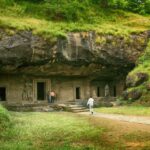
Kanheri Caves are inside Sanjay Gandhi National Park, and that matters. You’re not just going to a museum room and calling it a day. You’re entering a working natural environment—cooler air under stone, a sense of scale as you move through the park, and the feeling that the caves were part of daily life, not a stand-alone attraction.
Kanheri is often described as a 2000-year-old Buddhist university, and the dates matter because they explain why the site feels layered. The caves served as a major Buddhist learning center from roughly the 1st century BC through the 10th century AD. In other words, you’re walking through a campus that evolved over a long time, with different kinds of teaching and devotional practice happening across centuries.
And because the place is carved, you’ll notice how much design went into making it functional. A lot of visitors focus on the beauty. With a good guide, you also notice the practical engineering behind the caves’ layout—how spaces supported study, gathering, and meditation.
You can also read our reviews of more guided tours in Mumbai

Your guide on the ground: what makes the day click
This is the kind of place where the wrong guide can turn everything into random stone trivia. The right guide does the opposite: they help you read the site the way its students might have.
In this tour, guides like Pankaj and Madhu are repeatedly praised for knowledge and patience. I like that the guidance isn’t limited to the caves themselves. You can start learning during the drive from your hotel or cruise terminal, so by the time you arrive, the carvings and prayer spaces already make sense in your head.
Look for the style that encourages questions. In the caves, you’ll likely want to ask about Buddhism’s evolution in India and how the learning culture worked in a carved environment. When the guide is comfortable explaining, you get more out of every stop—especially when you’re staring at intricate reliefs and inscriptions that you otherwise wouldn’t know how to interpret.
There’s also a real practical angle here: one of the best parts of a day hike is having the guide adapt if someone isn’t feeling well. The tour is designed to be flexible on the ground, which gives me more confidence as a solo traveler—or as a group.
Inside the caves: Grand Chaitya, stupa focus, and what the carvings were for
Your main visit starts right away after pickup. You’ll head to Kanheri inside the park and spend the next several hours moving through cave areas designed for learning and spiritual practice.
The sculptures, reliefs, paintings, and inscriptions
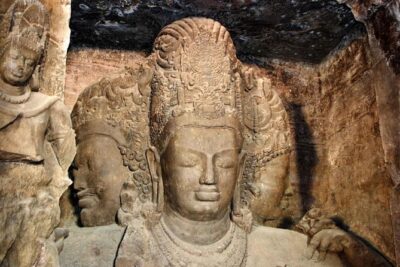
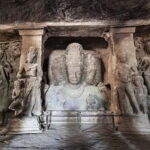
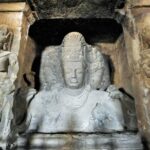
One of the best things you’ll notice is how much information is built into the art. You’re not only looking at statues. Expect sculptures and relief carvings, plus paintings and inscriptions that give clues about life and times at the university.
This is where guided interpretation really earns its keep. With carvings, it’s easy to miss the meaning if you only judge by aesthetics. A guide helps you see how the imagery related to Buddhist practice and why certain forms were used to teach and reinforce ideas.
The Grand Chaitya: the meditation gathering space
You’ll visit the Grand Chaitya, where monks used to gather to meditate. That detail is more than a factoid. It changes how you look at the architecture. Instead of asking what looks pretty, you start asking what the space was designed to make you feel—and what it helped people do together.



The stupa and the idea of relics
Next, you’ll see a magnificent stupa tied to concentration during meditation. The stupa usually contained a relic of a great teacher from the past. Even if you’re not a religious scholar, that’s the kind of information that makes the site feel human. It implies remembrance, continuity, and teaching that extended beyond any single lifetime.
If you’ve visited other Buddhist sites, you’ll recognize how stupa symbolism works. If you haven’t, this is a good place to learn the basics without getting overwhelmed.
The 8-hour flow from 8:00 am pickup to cave time
The tour starts at 8:00 am, with pickup from your hotel or cruise terminal. That early start is a practical advantage in Mumbai. You get to see the city in motion during the drive and arrive with enough time to explore without feeling rushed.
The cave portion is where the day becomes intense, in a good way. You’ll explore for about five hours with admission included, which tells you something important: you’re not doing a quick hit. You have time to move slowly, stop, and process what you’re seeing.
There’s also a hike element up to the caves. That doesn’t mean it’s an extreme trek, but it does mean you should wear shoes you can trust. If you’re prone to leg fatigue, plan for breaks and take the pace your guide sets.
Weather matters more than usual
The experience requires good weather. If conditions are poor, it can be rescheduled or refunded. That’s not a small footnote. Since the caves sit within an open national park environment, weather affects comfort and your ability to move.
My practical advice: check conditions the morning of and don’t pack a day-trip outfit you’d regret halfway up a slope.
Price and value: what $160 buys you in real life
At $160 per person, this isn’t a bargain-basement outing. But it’s not just a ticket to caves either.
Here’s where the value comes from:
- Guided access to a complex site: you’re paying for interpretation, not just entry.
- Pickup included, which saves you from figuring out transport early in the day.
- Admission ticket included, so you’re not adding costs on arrival.
- Private tour format (only your group participates), which often means you can ask more questions and move at a better pace.
- Local impact focus: the operator is recognized by the Ministry of Tourism and a member of IATO, with a mission to support local livelihoods through employment of local guides and supporting local businesses.
Is it worth it? If you care about understanding what you’re seeing—especially the carvings, meditation spaces, and inscriptions—yes. If you prefer to wander without structure and you already know a lot about Buddhist art, you might feel constrained by the timing.
But for most people, Kanheri is the kind of place that rewards a guide. The price is mainly the cost of getting the meaning right.
Who this tour suits best (and who should think twice)
This tour is listed for most travelers, and the meeting setup is near public transportation, which helps if you need alternatives. Still, the hike element matters.
I think it’s a great fit for:
- People who want a day trip with real context, not a checklist.
- Visitors who like art and want meaning behind the stone.
- Anyone interested in Buddhism and India’s teaching traditions, especially the way learning spaces were built into monastic life.
- Groups that want privacy and conversation, not a crowded scramble.
You might want to think twice if:
- You can’t handle a moderate hike or uneven walking for a few hours.
- You get stuck waiting when plans depend on weather. Since the experience requires good weather, you may need flexibility in your schedule.
Should you book this Kanheri Caves guided tour?
I’d book it if your goal is understanding. Kanheri isn’t hard to see, but it’s hard to read without help. A strong guide turns the Grand Chaitya, the stupa, and the carved panels into a story you can follow.
If you’re on the fence because of price, treat it like this: you’re paying for a guided interpretation session inside a major Buddhist learning site, plus transport from Mumbai and admission. For an 8-hour day that includes pickup and a long stretch of cave time, that’s a fair value when the guide is as good as the people you’ll likely meet.
If weather is stable during your travel window and you’re comfortable with some walking, you’ll get a memorable day that feels like you stepped inside an ancient campus—stone, symbolism, and all.
FAQ
How long is the Kanheri Caves guided tour?
The tour is about 8 hours.
What time does the tour start?
The start time is 8:00 am.
Is pickup offered from hotels or cruise terminals?
Yes, the tour offers pickup from your hotel or cruise terminal.
Is the admission ticket included?
Yes, the admission ticket is included.
Is this a private tour?
Yes, it’s a private tour/activity, and only your group will participate.
What type of ticket do I need?
You receive a mobile ticket.
Is there a hike involved?
There is a hike up to the caves, so you should be prepared for some walking.
Is the tour dependent on weather?
Yes. The experience requires good weather. If it’s canceled due to poor weather, you’ll be offered a different date or a full refund.
What is the cancellation policy?
You can cancel for free up to 24 hours in advance for a full refund. If you cancel less than 24 hours before the start time, the amount you paid won’t be refunded.