REVIEW · CITY TOURS
Mumbai City + Dabbawala aka Lunchbox + Train Ride Tour – The Unfeigned Mumbai.
Book on Viator →Operated by Young Tours And Travel · Bookable on Viator
Mumbai moves fast, and this tour moves with it. It’s built around the stuff you usually miss from a taxi window: a local train ride and up-close views of the dabbawala lunchbox system that keeps thousands of meals moving every day.
I especially like the way the tour mixes everyday work with big-name landmarks. You also get a calm, guided rhythm through stops like Mani Bhavan (Gandhi’s Mumbai base) and the seaside stretch at Marine Drive—without having to figure out transit and timings yourself. One thing to plan for: this is a tight, five-hour run, so you won’t have hours to linger at any one place, and lunch isn’t included.
In This Review
- Key highlights you’ll actually feel during the tour
- A five-hour Mumbai plan that doesn’t waste your energy
- Churchgate Station and the lunchbox system you can spot instantly
- Dhobi Ghat: laundry day in the open (no museum lighting required)
- Mani Bhavan Gandhi Museum: where ideas started getting organized
- Parks and viewpoints: Hanging Gardens to Kamala Nehru Park
- Marine Drive: the seaside promenade that’s easy to understand
- Gateway of India and the feel of old Mumbai at sea level
- Rajabai Clock Tower: quick sighting with real architecture credentials
- Chhatrapati Shivaji Maharaj Terminus: rail drama at historic scale
- Bombay High Court: British-era law, explained with dates
- Price and logistics: what $69.99 buys you (and what it doesn’t)
- Who this tour is best for (and who should adjust expectations)
- Should you book the Mumbai City + Dabbawala + Train Ride tour?
- FAQ
- How long is the Mumbai City + Dabbawala + Train Ride tour?
- What is the price per person?
- Does the tour include hotel pickup?
- Is lunch included?
- What does the tour include besides sightseeing?
- Do I get a mobile ticket?
- Is the local train ride included?
- Is this a private tour or shared with strangers?
- Are service animals allowed?
- FAQ
- Where does the tour start?
- Do all stops require admission?
- Can I cancel for a full refund?
- How far in advance is this tour commonly booked?
Key highlights you’ll actually feel during the tour
- Local train ride with a guide to help you read what’s happening around Churchgate Station
- Dabbawalas in action: the lunchbox delivery and return loop that runs daily at scale
- Dhobi Ghat laundry in the open so you see how hotels and hospitals get linens cleaned
- Gandhi’s Mani Bhavan gives context beyond photos and slogans
- Marine Drive to Gateway of India for classic Mumbai waterfront views
- Chhatrapati Shivaji Maharaj Terminus to round out the day with one of the city’s major rail landmarks
A five-hour Mumbai plan that doesn’t waste your energy
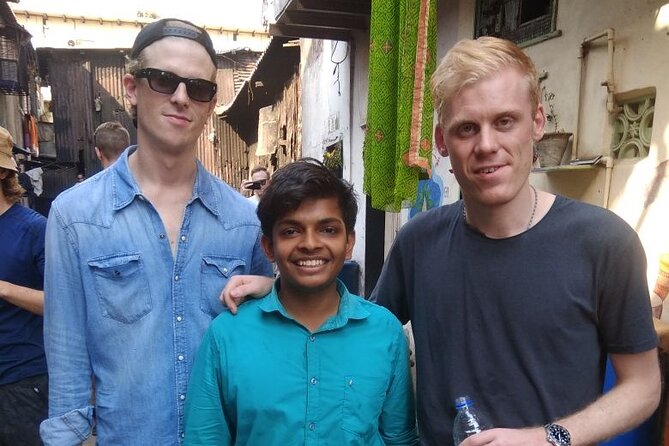
This tour is designed for people who want real Mumbai without turning the day into a self-guided logistics puzzle. You get pickup from select hotels and then travel by an air-conditioned vehicle, which matters in Mumbai’s heat and crowd levels. Bottled water is included, and the tour also provides coffee and/or tea—small comfort wins that help when you’re hopping between locations.
The pace is “see it, learn it, move on.” Stops are short (often 10–15 minutes), with a longer visit at Mani Bhavan (about 30 minutes). If you’re the kind of traveler who likes to sit with a place and read every plaque, you might feel slightly rushed. If you want a smart introduction plus memorable snapshots, this format works.
You can also read our reviews of more city tours in Mumbai


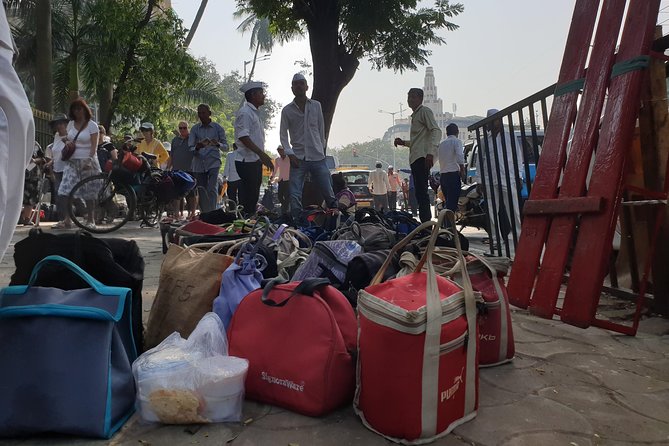
Churchgate Station and the lunchbox system you can spot instantly
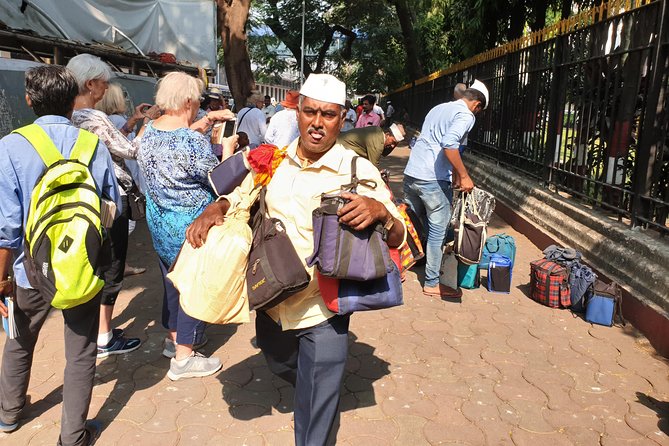
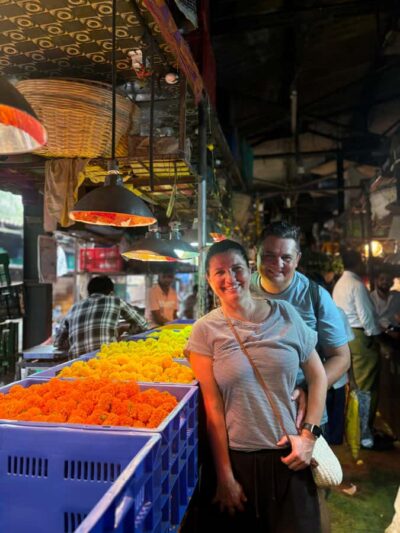
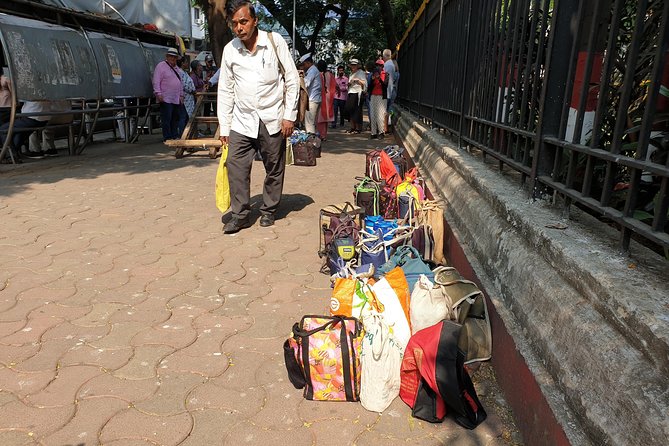
You start at Churchgate Railway Station, where the dabbawala operation becomes real, not theoretical. The dabbawalas run a lunchbox delivery-and-return system, moving hot lunches from homes and restaurants to the people who need them—then collecting the used containers for the next cycle. It’s one of those Mumbai systems that works at serious scale, yet it’s still made of people and handoffs you can watch.
What I like about this stop is how it frames Mumbai life as routine. You’re not only looking at a famous building; you’re observing a daily service that affects thousands of workers. Your guide’s role here is practical: helping you understand what you’re seeing and where to pay attention, so the experience doesn’t feel like you’re just standing near tracks.
Tip for your expectations: the station area can feel busy and loud. You’re there for a short, focused look and then you move on.
Dhobi Ghat: laundry day in the open (no museum lighting required)
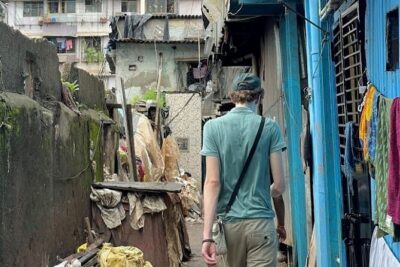
Next comes Dhobi Ghat (Mahalaxmi Dhobi Ghat), an open-air laundromat where dhobis work outdoors. These washers clean clothes and linens coming from Mumbai’s hotels and hospitals—so what looks like an old-school scene is tied to modern services behind the scenes.
This stop is valuable because it’s not staged. You see the work as work: people cleaning, rinsing, and handling laundry in an active outdoor setting. The tour time is about 15 minutes and the admission is free for this stop, so it doesn’t swallow your day.
Possible drawback to consider: it can be a sensory experience—sound, movement, and visual clutter are part of the deal. If you prefer quiet, controlled environments, you might want to mentally switch gears. I found it helps to treat it like a real-life “how things work” window rather than a sightseeing photo stop.
Mani Bhavan Gandhi Museum: where ideas started getting organized
Then you head to Mani Bhavan, Gandhi’s Mumbai headquarters from 1917 to 1934. The building served as his Mumbai base for about 17 years, and it belonged to Revashankar Jagjeevan Jhaveri—Gandhi’s friend and host during this period.
The tour gives you around 30 minutes here, which is enough time to grasp the core story without turning it into a marathon. What makes Mani Bhavan different from a generic monument visit is that it focuses on Gandhi’s base of operations. Instead of only seeing outcomes, you get a feel for where planning and conversation happened.
This stop also works well if you’re pairing it with the everyday Mumbai scenes earlier in the day. You go from street-level services (lunch delivery, laundry) to political and social organization. That contrast can make the whole trip click.
Parks and viewpoints: Hanging Gardens to Kamala Nehru Park
After Gandhi’s base, you get a breather with green-and-open-air stops. Hanging Gardens (also known as Pherozeshah Mehta Gardens) were first built in 1881, and there’s a commonly told story that the gardens were constructed over one of Bombay’s main water reservoirs to help protect it from getting polluted.
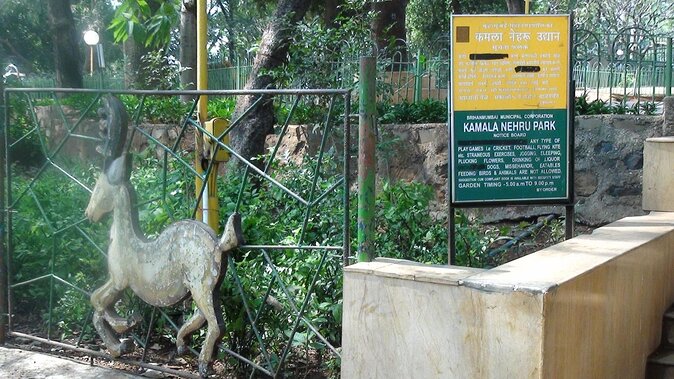
From there, you visit Kamala Nehru Park, named after Kamla Nehru, Jawaharlal Nehru’s wife. The shoe-structured play area in the park is inspired by a nursery rhyme, which gives the space a lighter, local-pop-culture feel.
These are short stops (about 10–15 minutes each), so they’re best for quick orientation and a change of pace rather than a long picnic moment. Still, I like including them in a day like this. They help you reset your senses before the waterfront.


Marine Drive: the seaside promenade that’s easy to understand
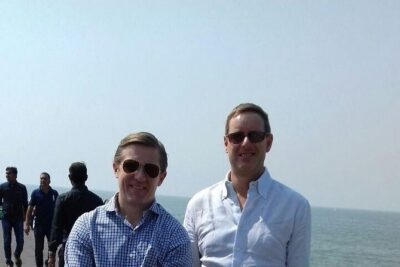
You then reach Marine Drive, the 3.6 km stretch along the waterfront that’s often used interchangeably with Netaji Subhash Chandra Bose Road. This is classic Mumbai viewing: a long promenade, people walking, and the sea side of the city doing its thing.
You only get around 10 minutes here, but that’s exactly why it’s worth doing on a half-day. Marine Drive is the kind of place where first impressions matter. If you’ve never seen it in person, even a short stop helps you understand why it’s such a recognizable part of the city.
What to watch for: the road-and-promenade layout. It’s easy to overlook how the city arranges itself around the coastline until you’re standing there.
Gateway of India and the feel of old Mumbai at sea level
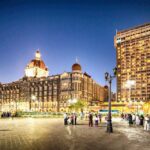
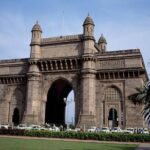
Next is the Gateway of India, erected to commemorate the landing of King George V and Queen Mary at Apollo Bunder in 1911. The structure is built in an Indo-Saracenic style, a blend that reflects the era when colonial-era architecture shaped the city’s public face.
You get about 15 minutes here. That’s enough time to get the monument in your head as a landmark and also to notice the surrounding bustle of a major waterfront area. Admission isn’t required for this stop on the tour, so you’re not waiting in lines just to reach the view.
One thought to keep in mind: this is also a photo magnet. If you’re traveling with a group, make sure you keep track of timing and meet back quickly so you don’t lose your spot.
Rajabai Clock Tower: quick sighting with real architecture credentials
The tour swings past Rajabai Clock Tower, a standout feature located on the University of Mumbai premises. It was designed by architect Sir George Gilbert Scott in 1878.
This is a short visit (about 10 minutes) and admission is free, so don’t expect a long, guided architecture lecture. Instead, think of it as a “name-and-form” stop: the kind of place where you leave remembering what you saw and having one or two key facts attached to it.
It’s also a good contrast point after the waterfront landmarks. You’re moving between civic and public-space landmarks—rail, government, sea, university—so your mental map of Mumbai builds faster.
Chhatrapati Shivaji Maharaj Terminus: rail drama at historic scale
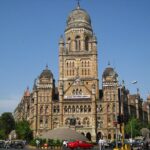
Then comes Chhatrapati Shivaji Maharaj Terminus (CSMT), previously known as something else before being renamed in 1996 by the Minister of Railways. It’s coded as CSMT or CST, and the tour frames it as the city’s most expensive structure at its time.
You’ll spend about 10 minutes here. The time is brief, but the building is dramatic enough that you can still absorb the main look: the massing, the monumentality, and the way the station functions as both transport hub and landmark.
If you’re a rail fan, this stop hits a sweet spot. Even if you’re not, it’s a powerful way to end a day that started with local commuting. You’ve seen trains on a human scale earlier; now you’re seeing the city’s big historic rail identity.
Bombay High Court: British-era law, explained with dates
The final landmark segment includes the Bombay High Court. The information shared includes that it was established on August 14, 1862, under the Indian High Courts Act of 1861 enacted by the British Parliament. The tour also notes that the court began functioning with 7 judges.
This stop feels different from the others because it’s not purely about a view—it’s about civic structure and how institutions formed under British rule. With a short stop, the goal isn’t to become a legal historian; it’s to give you anchors: when it started, and what the starting conditions were.
If you’re the kind of traveler who likes to connect dots, this is the “timeline glue” for the day.
Price and logistics: what $69.99 buys you (and what it doesn’t)
At $69.99 per person for about five hours, this tour is priced like a well-organized introduction: private guiding, pickup, air-conditioned transport, and core expenses covered. Bottled water and coffee/tea are included, and admission tickets are included where relevant (you’ll have paid admission at Churchgate and Mani Bhavan, plus free admissions at several other stops).
What’s not included is lunch. That’s the big practical gap. Since the day is tight and the stops are frequent, plan to grab food before the tour starts or be ready for a late meal after. If you skip food thinking you’ll find something on the way, you’ll feel it by the middle of the afternoon.
A small scheduling note from how these tours usually sell: this experience is commonly booked about a month in advance. If your dates are fixed, I’d plan to reserve early.
Also, it’s a private tour, meaning it’s just your group. You’ll have a guide and your vehicle time geared to your plan rather than a big multi-group shuffle.
Who this tour is best for (and who should adjust expectations)
This tour is a great fit if you:
- want a first-time Mumbai overview without spending your day decoding transit
- like mixing everyday systems (dabbawalas, dhobis) with major landmarks (Gateway, Marine Drive, CSMT)
- prefer a guided structure that keeps you moving but not frantic
It’s less ideal if you:
- want long museum-style stays or heavy reading time
- hate short visits and would rather slow down at fewer places
- plan your day around having lunch included as part of the package
Should you book the Mumbai City + Dabbawala + Train Ride tour?
If you want a one-day Mumbai orientation that teaches you how the city actually runs, I think it’s a smart booking. The strongest part is the combination: a local train ride plus views of the lunchbox delivery network that moves meals daily, then a clean set of landmark stops that help you connect Mumbai’s daily life to its famous civic spaces.
The only real watch-out is pace and food. Bring the right mindset—short stops, see-and-learn structure, and then handle lunch yourself. If that fits your travel style, this is a high-value way to get oriented fast and leave with a clearer mental map of the city.
FAQ
How long is the Mumbai City + Dabbawala + Train Ride tour?
It’s about 5 hours.
What is the price per person?
The price is $69.99 per person.
Does the tour include hotel pickup?
Yes, pickup is included from select Mumbai hotels.
Is lunch included?
No, lunch is not included.
What does the tour include besides sightseeing?
You get bottled water, coffee and/or tea, air-conditioned vehicle transport, all fees and taxes (for included stops), and private transportation.
Do I get a mobile ticket?
Yes, the tour offers a mobile ticket.
Is the local train ride included?
Yes, the tour includes a local train ride with your guide.
Is this a private tour or shared with strangers?
It’s a private tour/activity. Only your group will participate.
Are service animals allowed?
Service animals are allowed.
FAQ
Where does the tour start?
It starts at Churchgate Railway Station.
Do all stops require admission?
No. Some stops include admission tickets while others are free, based on the tour’s stop list.
Can I cancel for a full refund?
You can cancel up to 24 hours in advance for a full refund. Changes less than 24 hours before the start time aren’t accepted.
How far in advance is this tour commonly booked?
On average, it’s booked about 33 days in advance.