REVIEW · DHARAVI SLUM TOURS
Mumbai Slum Tour – Visit Dharavi Slum with Local Guide
Book on GetYourGuide →Operated by Mumbai Experiences · Bookable on GetYourGuide
A real Mumbai street lesson in two hours. This Dharavi slum tour takes you through working streets and everyday homes with local guides who still live there. You’ll see how a neighborhood this dense can also be highly organized, productive, and community-minded.
I especially love the hands-on route: narrow lanes, the local market, a school, recycling work, and trade factories like leather, garments, and pottery. I also like that the guides are not coming in from the outside; you may meet people such as Priscilla or Shivam, and you’ll hear stories in clear, practical English from long-time locals.
One thing to consider: this is a walking experience inside a crowded neighborhood with limited restrooms and some strict rules on clothing and photography.
In This Review
- Key things that make this tour work
- Why Dharavi feels different when your guide lives there
- Price and time: what you’re really buying for $5
- Getting there: pickup options and where you’re dropped off
- What to wear: the rules are simple and they matter
- Entering Dharavi: narrow lanes, tiny houses, and a real walking rhythm
- Market, recycling work, and the everyday economy at street level
- Leather, garments, and pottery: watching trades that keep moving
- School, community unity, and the sense of shared streets
- Safety, restrooms, and respectful behavior on crowded streets
- Who this tour suits (and who should think twice)
- Should you book the Mumbai Slum Tour with a Local Guide?
- FAQ
- How long is the Mumbai Slum Tour?
- Is the tour guide available in English?
- What’s included in the price?
- Is pickup offered?
- Where do you get dropped off?
- Can I take photos with any camera?
- Are restrooms available during the tour?
- Is the tour refundable if I cancel?
- Is the tour suitable for wheelchair users or visually impaired people?
Key things that make this tour work
- Local guides who live in Dharavi: you get street-level context, not textbook answers
- Industry + daily life in one walk: market, school, recycling, leather, garments, and pottery
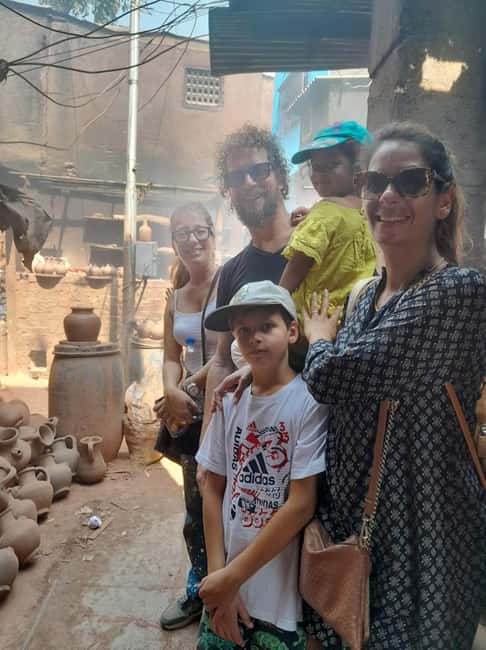
- Small-house scale you can actually see: the tight lanes and compact homes make the density real
- Flexible timing with a short overall duration: usually 2 to 3.5 hours
- Simple value at $5: bottled water included, and the focus stays on meaning, not extras
Why Dharavi feels different when your guide lives there
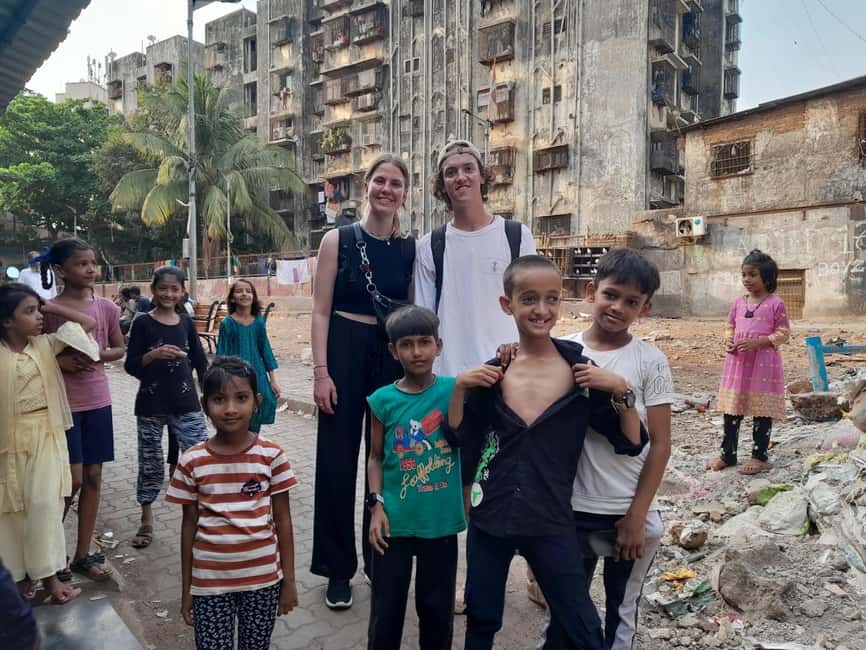
Dharavi can be described in a lot of ways online. On the ground, it’s more human than that. The big difference here is that your guide is part of the community, not a visitor to it. That alone changes the tone of the walk.
I like how the tour frames Dharavi as an active economy, not just a place people talk about. You’ll hear about how the area generates huge income through small-scale businesses, including recycling and manufacturing work. The “five-star slum” label may sound strange, but when you see the everyday flow of work and trade, it makes more sense.
And because families come from across India, you’ll also notice the mix of languages and backgrounds. Even without a lecture, you pick up the rhythm of a place where many communities share the same streets.
You can also read our reviews of more guided tours in Mumbai


Price and time: what you’re really buying for $5

At about $5 per person, the value is hard to beat. This price doesn’t buy you a long coach ride, fancy add-ons, or a staged show. It buys time with a local guide and access to parts of Dharavi you’d struggle to find safely or respectfully on your own.
The tour generally runs 2 to 3.5 hours. That’s long enough to see multiple types of spaces—workshops, market areas, and residential lanes—without turning into an all-day commitment. There’s also a break built in, so you’re not stuck walking nonstop.
A practical note: snacks are not included. You’ll get bottled water, but you should still plan for hunger. If you’re the type who needs a mid-walk snack, consider buying something small beforehand.
Getting there: pickup options and where you’re dropped off
Pickup is optional, and it depends on the option you select. If you choose pickup, you typically wait at your hotel entrance or lobby. Your driver arrives around the scheduled time and will call or WhatsApp you, usually about 10 minutes before pickup.
After the tour, you’ll be dropped at one of two areas connected to transit: Matunga Road Railway Station or Matunga Central Railway Workshop, and there’s also Hanuman Nagar as a drop-off option. That’s useful because Dharavi can feel far from the usual Mumbai tourist routes, and the drop-off points help you reconnect fast.
If you’re traveling light, you’ll like the structure: start in the neighborhood, finish near transit, and don’t lose half the day to repositioning.
What to wear: the rules are simple and they matter

Comfort wins here. You’ll want comfortable shoes because you’re walking through narrow lanes and active streets. Bring a sun hat and sunscreen, especially if you’re going during hotter hours.
Photography rules are clear. You’re not allowed professional cameras, and flash photography is also not permitted. That’s not just about policy—it helps keep the focus on people and daily work, not on someone filming like it’s a tourist attraction.
Clothing rules also exist: avoid short skirts and sleeveless shirts. If you’re unsure, dress in lightweight layers that cover shoulders and knees. It keeps things respectful and also makes sun protection easier.
Entering Dharavi: narrow lanes, tiny houses, and a real walking rhythm
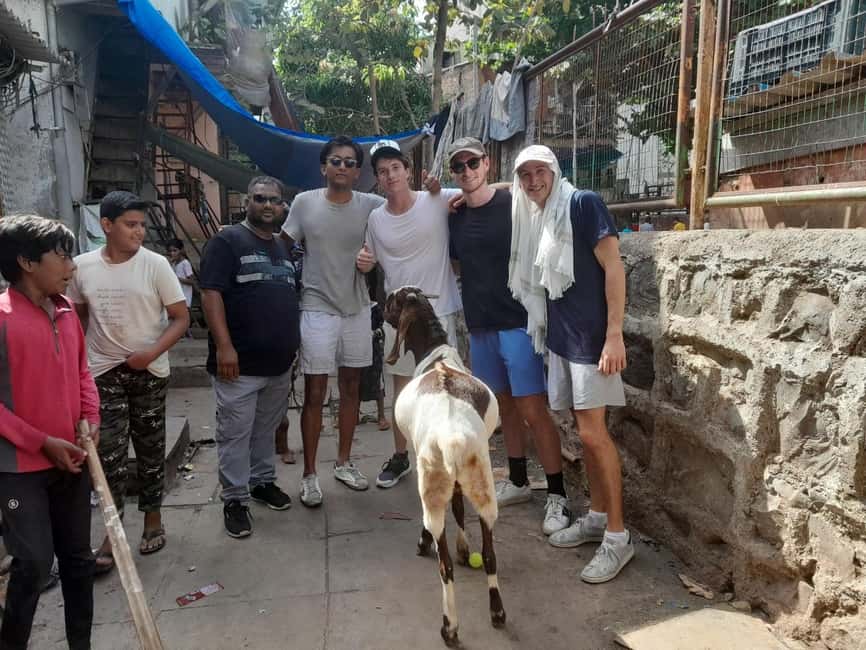
Once you start moving, you immediately understand why this tour is best on foot. The lane width changes constantly, and the small scale makes everything feel close—homes, doors, work spaces, and shared areas.
You’ll spend about two hours walking within Dharavi, and that walk is organized so you don’t just pass by buildings. You’re shown how people live and work in the same general zones. That’s the key: this is not a “look at buildings from outside” experience. It’s a guided walk through the layers of a functioning neighborhood.
Expect to see the smallest houses along the way, plus surrounding everyday spaces where families and businesses overlap. It can be emotionally intense in a way that’s hard to put into a single sentence. The good news is that your guide sets the tone—what to notice, what questions are okay, and how to move through crowded sections without getting in the way.



Market, recycling work, and the everyday economy at street level
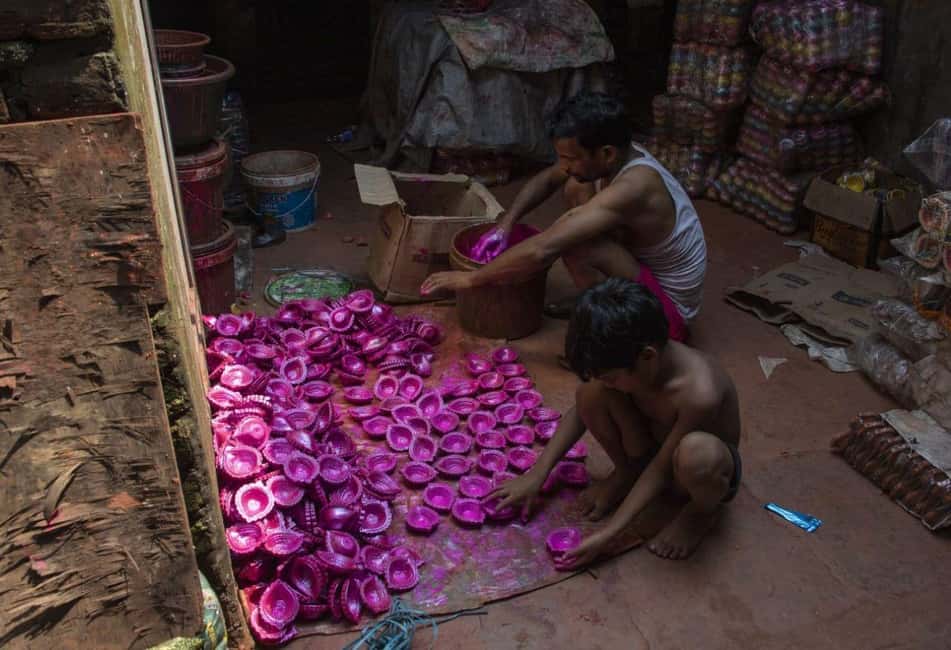
One of the most valuable parts is seeing the local market during the walk. Markets are where you understand demand, not just products. You’ll get a sense of how people buy, sell, and keep daily life moving despite tight space.
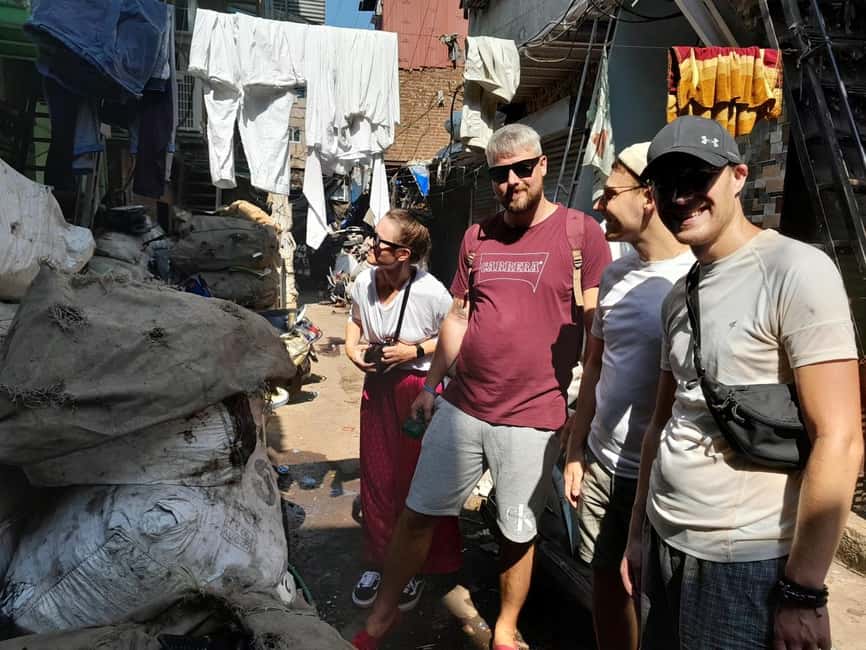
Then there are the work areas, including recycling industries. This is where Dharavi’s economy stops being a concept and becomes visible. You can see how materials flow through the neighborhood and how many small operations connect into something large.
Your guide’s explanations tend to focus on the systems people use—how work is organized, how families earn income, and how education and opportunity fit into the day-to-day. For example, one guide described the informal economy in a clear, honest way, including questions visitors usually ask about income, housing, and education.
Leather, garments, and pottery: watching trades that keep moving
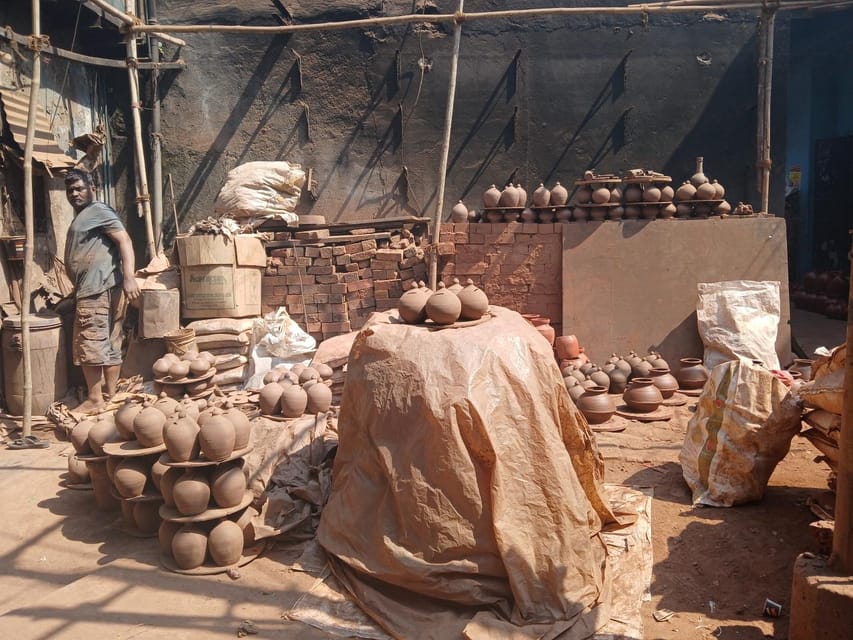
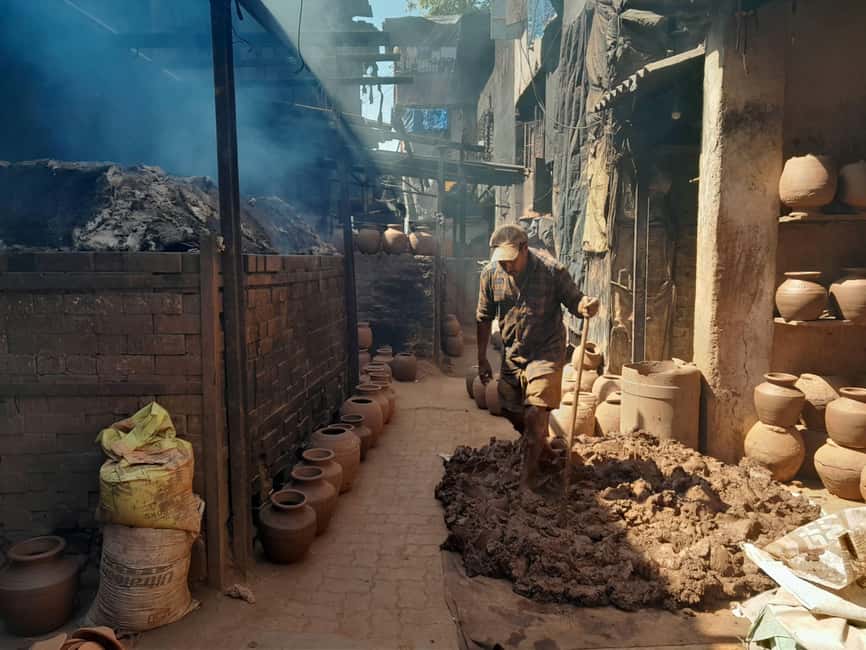
Dharavi is known for small-scale manufacturing, and this tour includes a mix of trades. You’ll visit areas tied to leather, garments, and pottery, not just generic “industrial” zones.
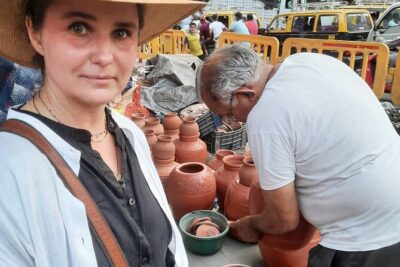
Each trade shows a different kind of skill. Leather work highlights craftsmanship and workflow. Garment production helps you understand how materials turn into finished items through repeated steps. Pottery makes the process feel almost tangible—hands, forms, and finished goods all in the same view.
The practical value for you: you’ll leave with a more accurate mental model of what “industry” looks like in real neighborhoods. It’s not a distant factory behind fences. It’s often close to homes and embedded in the streets.
And since this is a local-guided experience, you’ll have room to ask questions. Guides like Balaji and Siddesh are described as patient with queries and able to explain details at a group pace.
School, community unity, and the sense of shared streets
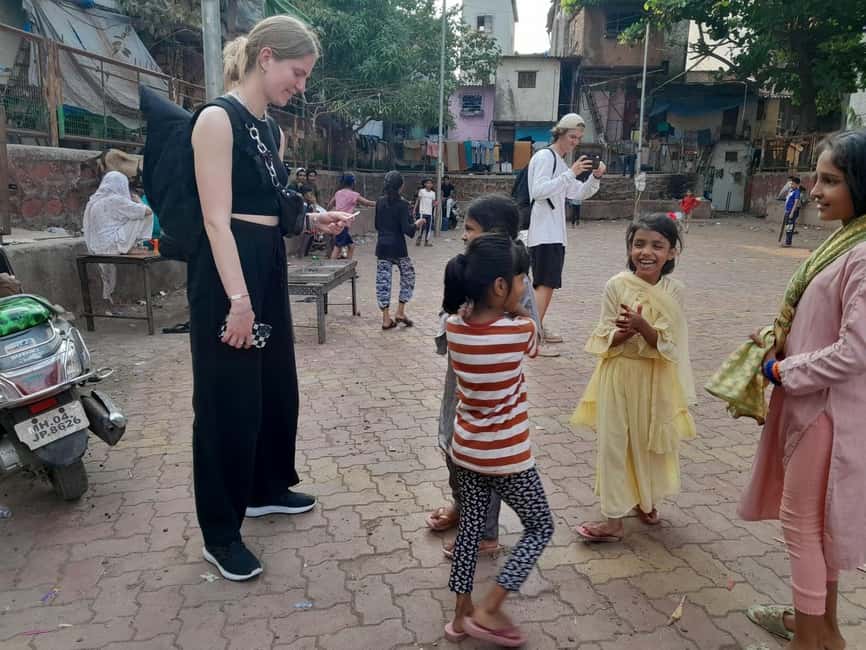
The tour doesn’t stop at work. You also see a school, which changes the emotional temperature of the walk. It’s a reminder that this is a lived-in place with kids, routines, and schooling happening alongside adult industry.
You’ll also notice the unity of diverse communities. Families from across India live here, and you may hear different languages spoken on the same route. That’s a key part of Dharavi’s story: not everyone is from the same place, but daily life still finds a way to organize itself.
Some guides lean into community stories to explain how neighbors coexist. The result is that the tour often feels less like a critique and more like a human inventory of how a neighborhood works.
Safety, restrooms, and respectful behavior on crowded streets
This tour is designed to be safe and enjoyable, and your guide helps you manage the crowd. Still, you should act like you’re walking through someone’s daily life—not a theme park.
A few things to keep in mind:
- Restroom facilities may be limited, so plan ahead and don’t assume there will be an easy stop.
- Keep valuables secure and stay aware of your belongings in crowded areas.
- Follow the guide’s instructions around movement and where you can stand or pause.
It’s also smart to carry a little extra water. Even though bottled water is included, your guide will appreciate that you’re hydrated for the walk.
Who this tour suits (and who should think twice)
This is a strong match if you want real neighborhood context in a short window. You’ll get the most out of it if you’re curious about how cities function beyond the postcard version.
It’s especially good for people who like to ask questions and want answers from the people living it. Guides such as Priscilla, Shivam, Balaji, Siddesh, and Sufiyan come up often in the guide roster, and the common thread is clear communication and local perspective.
It may not fit everyone. The tour is not suitable for wheelchair users and not suitable for visually impaired people, and the walk-heavy nature means you should be comfortable with uneven, crowded routes.
Should you book the Mumbai Slum Tour with a Local Guide?
If you’re visiting Mumbai and you want to understand the city as a working system—where industry, housing, school, and markets overlap—this is a smart booking. For $5, the value is exceptional because the focus is on local insight and a guided walk that takes you to multiple types of spaces.
Book it if:
- You’re comfortable walking for a couple of hours in a dense neighborhood.
- You’re respectful about rules like clothing and no flash/professional cameras.
- You want to learn from people who live in Dharavi, not just hear secondhand opinions.
Skip it if:
- Limited restrooms and the walking route would genuinely stress you out.
- Your needs are not supported by the accessibility limits stated for this tour.
If you go in with the right expectations—this is a real neighborhood first—you’ll get something that sticks: a clearer, more accurate view of Mumbai’s everyday economy and community life.
FAQ
How long is the Mumbai Slum Tour?
The tour lasts about 2 to 3.5 hours, depending on the starting time option you choose.
Is the tour guide available in English?
Yes, the live tour guide speaks English.
What’s included in the price?
The tour includes a tour guide and bottled water. Snacks are not included.
Is pickup offered?
Pickup is optional. If you select it, you wait at the hotel entrance/lobby and the driver contacts you shortly before arriving.
Where do you get dropped off?
You’ll be dropped off at one of these places: Matunga Road Railway Station, Matunga Central Railway Workshop, or Hanuman Nagar, Mumbai.
Can I take photos with any camera?
Professional cameras are not allowed, and flash photography is also not permitted.
Are restrooms available during the tour?
Restroom facilities may be limited along the route, so it’s smart to plan ahead.
Is the tour refundable if I cancel?
Yes. There is free cancellation up to 24 hours in advance for a full refund.
Is the tour suitable for wheelchair users or visually impaired people?
No. It is not suitable for wheelchair users and not suitable for visually impaired people.