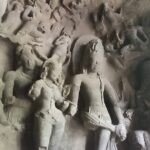
Mumbai has stories you can read—if you know where to look. This private half-day focuses on the city’s Jewish communities, from older Orthodox synagogues to the Bene Israel route, then ties it all back to major Mumbai landmarks like Chhatrapati Shivaji Terminus (UNESCO).
I love how the route doesn’t treat synagogues like museum stops only. It frames them as living institutions connected to Mumbai’s changing neighborhoods. I also like the practical pacing: pickup, an air-conditioned vehicle, and guided time set aside for each location. The main drawback to plan for is that entry is not included at most synagogue stops, so you should expect some extra ticket costs depending on what’s required at the moment you arrive.
In This Review
- Key Highlights You’ll Notice Fast
- Why Mumbai’s Jewish Heritage Stops Feel Like One Big City Story
- The Communities Behind the Buildings: Bene Israel, Malabar Jews, Iraqi Jews
- Keneseth Eliyahoo Synagogue: A Sephardic Anchor in Downtown
- Magen David Synagogue and Tiphereth Israel: When Heritage Makes the Community Visible
- David Sassoon Library and Chhatrapati Shivaji Terminus: Heritage Beyond Synagogue Walls
- Gate of Mercy (Shaar Harahamim): Bene Israel Beginnings You Can Trace
- Share Rason Synagogue and Magen Hassidim: How a Split Becomes a New Landmark
- Chabad India at Nariman House: A Modern Stop With Real Purpose
- The Most Practical Part: How the Private Format Works for You
- Price and Value: $86 for Up to 2 People, What You’re Actually Paying For
- Who This Tour Suits Best
- Should You Book This Half-Day Jewish Heritage Tour?
- FAQ
- FAQ
- What time does the tour start?
- How long is the half-day tour?
- Is this tour private?
- What’s included in the tour price?
- Are admission tickets included for every stop?
- What if the weather is bad?
Key Highlights You’ll Notice Fast
- A private group of up to 2 means you’re not squeezing past other people at fragile, working religious sites.
- Multiple synagogue traditions, including Sephardic-era and Bene Israel landmarks, show the community’s different roots in one run.
- A UNESCO sight (VT) fits the same afternoon, so you get both Jewish heritage and Mumbai’s big-city architecture.
- Tight, guided stop times (often 30 minutes, plus shorter focused visits) help you see more without feeling rushed.
- Chabad India at Nariman House includes admission, but several other stops do not, so you can budget.
- Air-conditioned comfort and bottled water keep the day manageable in Mumbai traffic and heat.
Why Mumbai’s Jewish Heritage Stops Feel Like One Big City Story
Mumbai’s Jewish heritage isn’t one chapter. It’s several smaller stories that overlap across neighborhoods, languages, and migrations. This tour’s strength is that it treats the synagogues as part of the city’s daily geography. You’ll move through different districts and then connect the dots—why certain buildings sit where they do, and how community groups shaped what you see today.
You’ll also notice something important: the Jewish population in India has shrunk over time, but the physical landmarks remain. So the tour doesn’t just point at old stone. It explains how communities preserved memory through places of worship and heritage institutions, even when the numbers changed.
And since this is a half-day format (about 5 to 6 hours), you won’t get lost in a long museum marathon. You’ll get the core stops, with enough context to understand what you’re looking at when you’re standing right there.
You can also read our reviews of more guided tours in Mumbai

The Communities Behind the Buildings: Bene Israel, Malabar Jews, Iraqi Jews
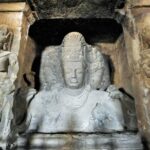
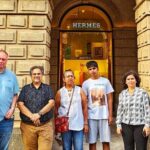
The Jewish community in India is often described as having distinct groups: Bene Israel, the Malabar Jewish community, and Iraqi Jews. The tour frames their origins as going back more than 2,000 years, with evidence linked to Hebrew on cemeteries.
Here’s why that matters for you on the ground: when you visit a synagogue, you’re not only seeing an architectural style. You’re seeing how a specific group carried its traditions, leadership, and community identity into a changing city.
By the time you reach the Bene Israel route of synagogues—starting with older institutions and moving to later splits and additions—you’ll understand that community history can be seen in the buildings themselves. Management differences created new congregational centers over time, and that shows up in the way the sites relate to each other.
Keneseth Eliyahoo Synagogue: A Sephardic Anchor in Downtown
Your first stop is Keneseth Eliyahoo Synagogue in downtown Mumbai. It’s an Orthodox synagogue and is described as the city’s second oldest Sephardic synagogue.
This is a good opening move because it sets the tone for the whole day. You get an early sense of continuity: older worship spaces weren’t built in isolation. They were planted in the heart of the city, where Jewish life could remain connected to broader Mumbai life.
Plan for about 30 minutes here. That’s enough time to take in the atmosphere, understand what makes it distinct, and get the basic background before the route shifts into other synagogues and neighborhood stories. You’ll also want to keep your pace respectful. These are active religious sites, so quiet attention beats speedy sightseeing.
Magen David Synagogue and Tiphereth Israel: When Heritage Makes the Community Visible
Next you visit Magen David Synagogue in Byculla. It’s described as a heritage point and a famous tourist place, and it’s one of the largest synagogues of the Jewish community in India. Expect about 30 minutes.
A larger synagogue stop like this does more than add variety. It helps you see the scale of community life at different moments. When the building is bigger, it often signals community density, institutional stability, and public presence in the neighborhood.
Then you head to Tiphereth Israel Synagogue, and the day also brings you near the Gate of Mercy area through the surrounding stops. This cluster matters because “older” in Mumbai can mean more than age. It can mean survival. Some synagogues remain tied to small congregations today, so the experience feels less like a historical reenactment and more like a live thread.
Like the first stop, you get about 30 minutes in this general area. Use that time to notice what looks consistent across the day—because when the guide explains the differences, the comparisons start to click.
David Sassoon Library and Chhatrapati Shivaji Terminus: Heritage Beyond Synagogue Walls
The tour then adds two non-synagogue anchors that help you understand Mumbai as a whole.
First is a stop at the David Sassoon Library, described as a famous library and heritage structure. Even if you don’t spend ages inside, it’s an important reminder that Jewish heritage isn’t only about worship. It also shows up in education and public life—places meant for learning and preservation.
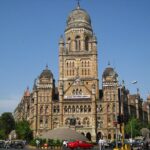
After that, you visit Chhatrapati Shivaji Terminus (formerly Victoria Terminus). It’s a historic railway station, a UNESCO World Heritage Site, and you get about 30 minutes. Admission is listed as free for this stop.
This is a smart contrast point for your itinerary. Synagogues communicate religious and community history. A major station communicates how the city moved people, goods, and ideas. You’ll often end up with better overall context for Mumbai when you see how transport infrastructure and cultural institutions sit in the same urban system.
If you like photography, this is your moment—VT’s architecture is the type of subject that makes you stop, look up, and forget you were rushing.
You can also read our reviews of more private tours in Mumbai




Gate of Mercy (Shaar Harahamim): Bene Israel Beginnings You Can Trace
Now the tour moves into the heart of the Bene Israel story.
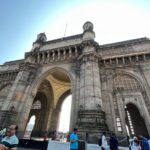
You’ll spend time at Shaar Harahamim, also known as the Gate of Mercy Synagogue. It’s stated to have been built in 1796, and it’s described as one of the oldest synagogues in Mumbai. The information ties its founding to the Bene Israel community, with the narrative reaching back to the time of the Second Temple era.
Even if your stop time is short—listed as 5 minutes—this site works like a bookmark in the day. It helps you connect the larger community timeline to something specific and dated, and it explains the name itself as part of the identity of the place.
For a short visit like this, focus on what you’re being taught rather than trying to cover every visual detail. A good rule: look once to absorb, then listen for what makes it significant.
Share Rason Synagogue and Magen Hassidim: How a Split Becomes a New Landmark
The tour continues to Share Rason Synagogue, described as the second-oldest Bene Israel synagogue in Mumbai and built in 1843. It’s explained as having been established because of a split in management of an earlier synagogue—Shaar Harahamim.
That detail matters because it turns “history” into cause-and-effect. You’re not just collecting old buildings. You’re seeing how governance and community organization shaped physical locations. When people disagree about leadership or administration, those choices can create new institutions, new meeting points, and a new architectural legacy.
You’ll also visit Magen Hassidim Synagogue, described as the largest of the Bene Israel buildings in Mumbai. It remains operational with a small congregation.
This one gets about 15 minutes. I like that you’re not only looking back. You’re also seeing how the community continues to function today, even at reduced size. If you’re interested in living heritage, this is one of the more meaningful stops.
Chabad India at Nariman House: A Modern Stop With Real Purpose
To close the Jewish heritage thread, the tour includes Chabad India at Nariman House in Colaba (South Mumbai). The Nariman House building is described as a five-storey landmark that served as a Chabad house—an outreach center for the Hasidic Jewish community.
Admission is listed as included for this stop, and you’ll spend about 30 minutes.
This stop changes the feel of the day in a helpful way. After spending time with long-established synagogues and older heritage sites, you get a snapshot of ongoing outreach and community presence. It’s also a practical place to learn how modern Jewish life shows up in Mumbai now, not only in the past.
The Most Practical Part: How the Private Format Works for You
This is a private guided tour for up to 2 people, which changes the experience in a real way. When you’re in religious buildings or heritage spaces, smaller groups help you keep a respectful tone, ask questions without feeling rushed, and get quicker answers to the things you notice.
The guide provides local English-language interpretation, and you get pickup & drop, toll and parking fees, an air-conditioned vehicle, and bottled water. For a half-day in a city where routes can be unpredictable, this is not a small detail. It protects your time on-site and keeps the day from turning into pure transit.
You also get a mobile ticket, which is a convenience factor you’ll appreciate once you’re on the move.
Price and Value: $86 for Up to 2 People, What You’re Actually Paying For
The price is $86 per group (up to 2), running about 5 to 6 hours. If you’re traveling as a pair, the effective cost lands around $43 per person.
Here’s the value logic I’d use if I were deciding:
- You’re not paying only for a walking tour. You’re paying for pickup/drop, private transportation in an air-conditioned vehicle, and a local English guide for a set half-day window.
- You’re visiting a concentrated route of multiple synagogues plus landmark stops like the UNESCO railway station.
- You’re getting guidance that helps you understand what you’re seeing, especially around community splits, Sephardic vs Bene Israel identity, and why these specific sites matter.
The one cost caution is the admissions mix. Several synagogue stops are listed as not included, while Chabad India includes admission and Chhatrapati Shivaji Terminus is free. So your total day cost may rise a bit depending on the entry requirements at the synagogues. It’s not a deal-breaker, but it’s the one thing I’d plan for.
Who This Tour Suits Best
This tour is a strong fit if you:
- Want a focused introduction to Mumbai’s Jewish heritage without committing to a full-day or multi-day trip.
- Prefer a private format where you can ask questions calmly.
- Care about how community history shows up in real buildings, not just in general summaries.
- Like city context, since you also visit David Sassoon Library and Chhatrapati Shivaji Terminus.
It may feel like a lot if you hate moving between stops. But the pacing is structured, with time blocks (often 30 minutes) and shorter targeted moments for the oldest or most time-sensitive sites.
Also, the experience requires good weather. If conditions are poor, you may be offered a different date or a full refund.
Should You Book This Half-Day Jewish Heritage Tour?
Yes, you should consider booking if you want a compact, guided route through Mumbai that takes Jewish heritage seriously and connects it to the city’s major landmarks. The private size and included transportation make it feel smooth and considerate, and the stop mix gives you both community-specific context and wider Mumbai orientation.
I’d hesitate only if you strongly dislike planning for variable entry fees at religious sites. Since several synagogues list admission as not included, you’ll want to be mentally ready for that budget line. And if you’re traveling when weather is unpredictable, keep an eye on the day’s conditions.
FAQ
FAQ
What time does the tour start?
The tour starts at 9:00 am.
How long is the half-day tour?
It runs about 5 to 6 hours.
Is this tour private?
Yes. It’s a private tour/activity where only your group participates, up to 2 people.
What’s included in the tour price?
Included items are a local English-speaking guide, pickup & drop, toll tax and parking fees, air-conditioned vehicle, bottled water, and private transportation.
Are admission tickets included for every stop?
No. Some synagogue stops list admission tickets as not included, while Chabad India admission is included and Chhatrapati Shivaji Terminus is free.
What if the weather is bad?
The experience requires good weather. If it’s canceled due to poor weather, you’ll be offered a different date or a full refund.