REVIEW · MUMBAI MARKETS & BAZAAR TOURS
Magical Markets Tour in Mumbai with a local
Book on Viator →Operated by Yo Tours · Bookable on Viator
Mumbai markets hit fast: colors, smells, and places to shop with a guide keeping you oriented. I like that you get real context as you move from stall to stall, and I especially love the chance to see how different neighborhoods specialize in what people buy every day.
The one drawback is simple: 2 hours goes quickly. You’ll get a smart overview of several market zones, but you won’t have time to do deep, slow shopping in just one area.
In This Review
- Quick hits: what makes this tour worth your time
- What you get from a 2-hour Mumbai markets circuit
- Price and value: $12.44 for guide-led shopping time
- Starting at Shree Swaminarayan Mandir: the calm opener
- Bhuleshwar Market: fabrics, pooja needs, and rose petals in tight lanes
- Mumba Devi Temple: why the name Mumbai matters
- Zaveri Bazaar and Kalbadevi streets: gold, antiques, and the flower alley
- Mangaldas Market: silk and textiles with tailors and boutiques since 1893
- Crawford Market: fruits, cheese, and handcrafted chocolate
- Shopping tips you’ll use on the spot
- What to wear and how to time your visit
- Who should book this tour (and who might not love it)
- Should you book the Magical Markets Tour in Mumbai?
- FAQ
- How long is the Magical Markets Tour in Mumbai?
- What does the tour cost?
- Do you choose a morning or evening time?
- Where does the tour start and end?
- What’s included, and what should I bring?
- Can I cancel and get a refund?
Quick hits: what makes this tour worth your time
- A local guide built for conversations, plus practical shopping help as you walk
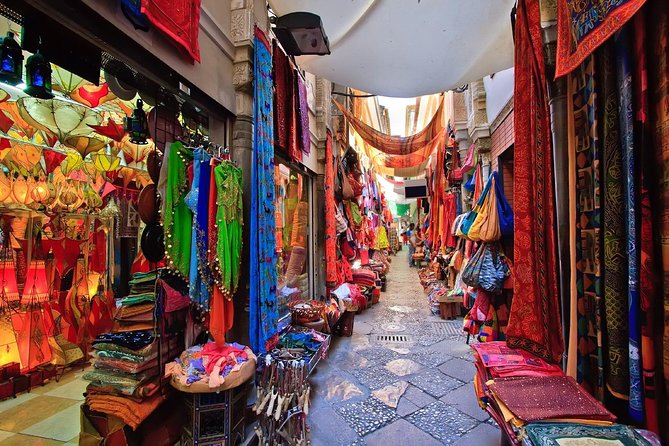
- Several major market areas in one short circuit (spices, textiles, jewelry, antiques, food)
- Temple stop with meaning: you’ll visit Mumba Devi Temple
- Zaveri Bazaar for jewelry lovers, including gold and stones
- Crawford Market for an easy food souvenir moment (cheese and handcrafted chocolate)
What you get from a 2-hour Mumbai markets circuit
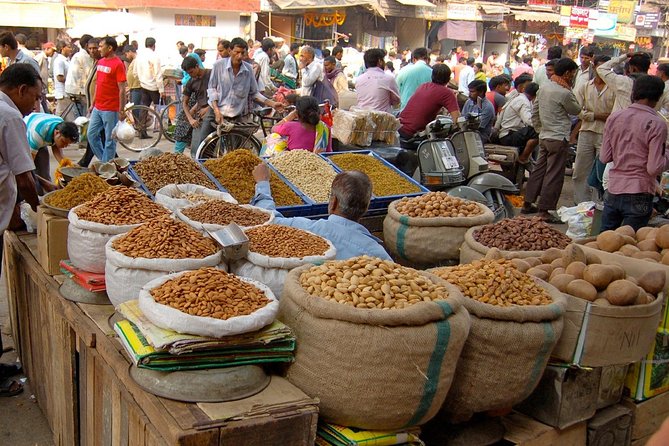
This is a compact, guided walk designed for getting your bearings in Mumbai. You spend around 2 hours moving through famous areas where locals shop for daily needs—everything from flowers and spices to linen, textiles, and jewelry.
With a maximum group size of 15 travelers, you’re not swallowed by the crowd in the same way you might be on a bigger tour. And because it’s a mobile-ticket setup with a local guide, it feels practical rather than overly choreographed.
Most of all, you’re not just looking. You’re learning how to look—what different markets are known for, and how the shopping culture connects to the city itself.
You can also read our reviews of more tours and experiences in Mumbai.



Price and value: $12.44 for guide-led shopping time
At about $12.44 per person, you’re paying for something more than a walk. You’re buying a guided route that strings together multiple high-demand market zones, plus a storyteller who helps you connect the dots while you’re there.
The guide is described as a friendly storyteller, highly trained by Yo Tours, with an emphasis on conversation and learning craft and art details. That matters because in markets, the difference between wandering and understanding can be huge.
Just keep expectations realistic: this is not a full-day market expedition. It’s a focused sampling that works best if you want a strong first look and a few targeted buys.
Starting at Shree Swaminarayan Mandir: the calm opener
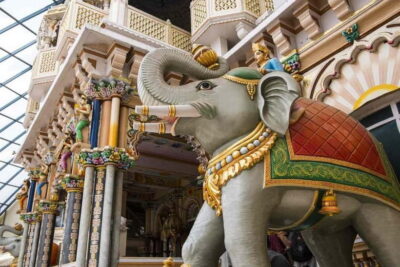
You begin at Shree Swaminarayan Mandir (Vadtal Gadi) near Charni Road East, and the tour starts there before you head into shopping areas. This first stop is useful because it gives you a grounded start—before the lanes get loud and crowded, you’re learning how the day’s route fits into Mumbai’s religious and cultural rhythm.
The tour format also encourages questions and conversation from the beginning. That’s where a guide like Nasir (named as an incredible resource in standout feedback) can really help, because you’ll start picking up what to notice as soon as you’re walking.
Think of it as your mental warm-up: you’ll be more patient in the market lanes once you understand what you’re seeing and why certain places matter.
Bhuleshwar Market: fabrics, pooja needs, and rose petals in tight lanes
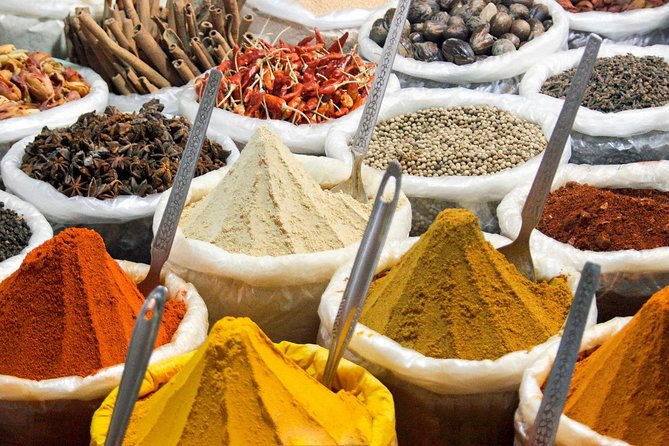
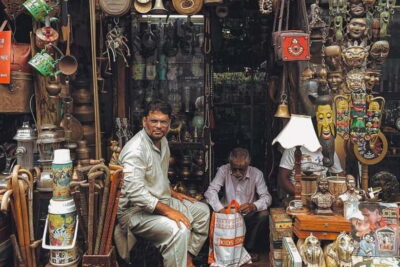
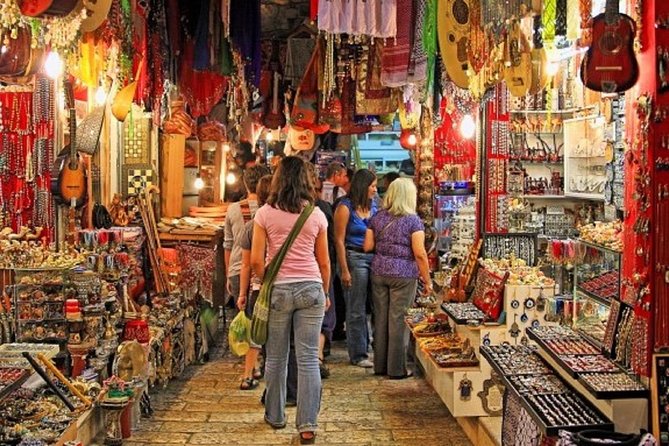
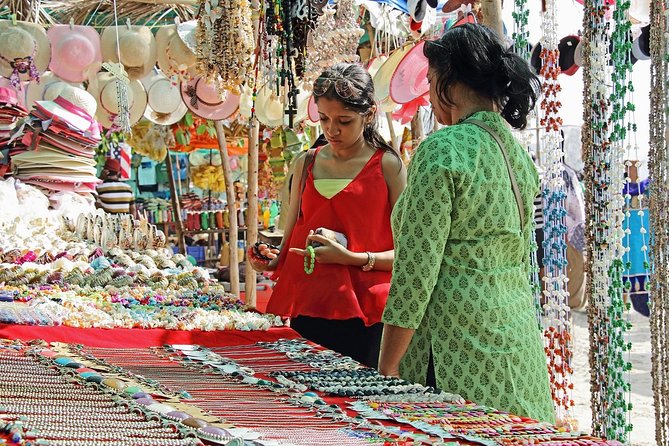
One of the best parts of this tour is how quickly it turns into sensory shopping. In Bhuleshwar Market, the small lanes feel enclosed, and that’s exactly where you’ll spot the range: fruits and vegetables, rose petals, spices, religious and pooja items, fabric accessories, home goods, and even fake jewelry.
This stop is ideal if you like markets that are practical, not just touristy. You can treat it like a living list of what Mumbai households need—then watch how vendors package and display it.
A realistic consideration: Bhuleshwar’s lanes can be tight and busy. Wear comfortable shoes and keep your shopping plan simple for this part—you don’t want to get stuck comparing every stall when you still have multiple markets ahead.
Mumba Devi Temple: why the name Mumbai matters
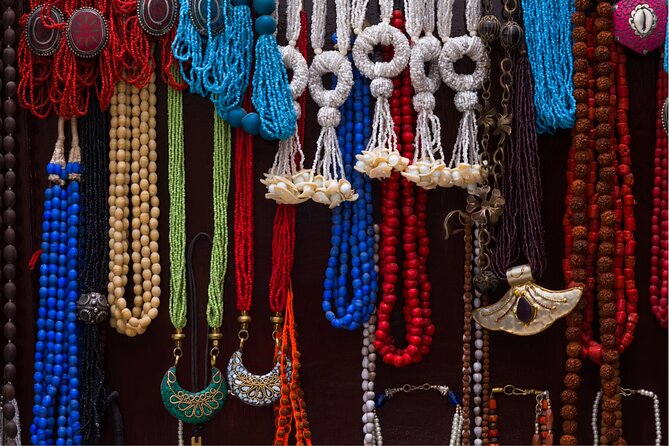
The tour includes Mumba Devi Temple, tied to the goddess Mumbadevi, and it’s the reason the city is called Mumbai. Even if you’re not a big temple person, this stop adds a layer you can’t get from a straight shopping trip.
What I like about including it in a market tour is that it stops you from treating markets like a theme park. You’re reminded that people shop, worship, and celebrate from the same local worldview, and that many purchases have religious and cultural use.
This is also a good moment to slow down. Markets move fast; temples give you a short reset before you head back into jewelry streets and more specialty shopping.





Zaveri Bazaar and Kalbadevi streets: gold, antiques, and the flower alley
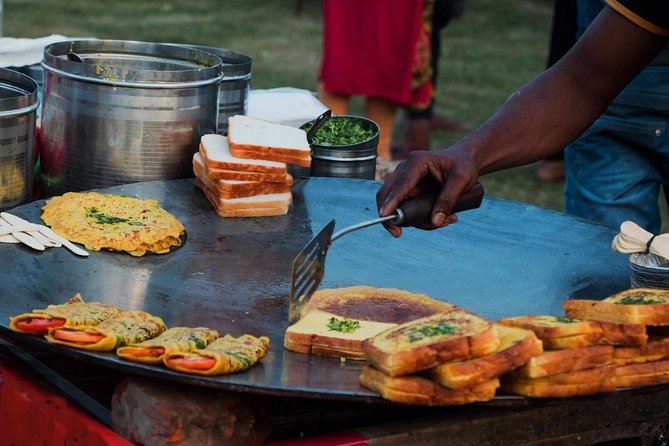
If you want a shopping contrast, this is where the tour delivers. Zaveri Bazaar is presented as Mumbai’s largest jewelry market, and the vibe here centers on ornamentation, gold, and glittering stones—perfect if jewelry is your thing.
Then you move through Kalbadevi’s streets and alleys, including the Chor Bazaar area, which is known for antiques and furniture. Add to that Mumbai’s flower alley, and you get a very practical mix: luxury shine beside older objects, and everyday beauty beside devotional purchases.
The trade-off is time. These areas are visually intense, and it can be tempting to buy everything just because it’s right there. Your guide’s shopping tips help you slow your decision-making without killing the momentum—so you leave with items you actually want, not just items you bought in a rush.
Mangaldas Market: silk and textiles with tailors and boutiques since 1893
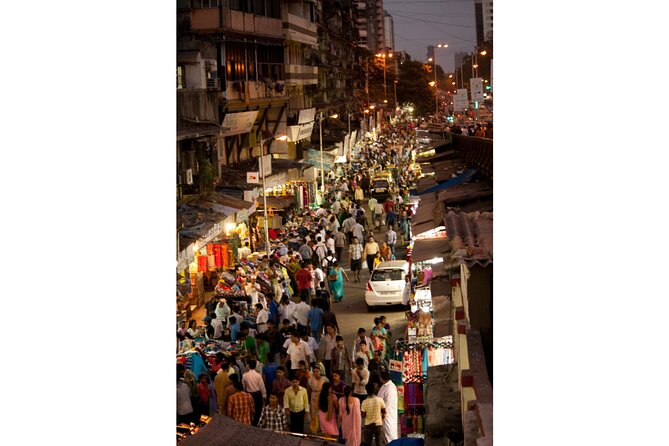
Next up is Mangaldas Market, noted for starting in 1893 and for being famed for silk and textile. This is the stop for people who care about fabric—where the shopping becomes more craft-focused and less purely price-driven.
You’ll see tailors and designer boutiques, and the market is described as producing clothing from what’s considered the best fabric. Even if you don’t plan to buy, it’s still valuable because you can learn what makes different textiles worth your attention.
Practical tip: if textiles are on your wish list, come in with one goal—fabric type, garment style, or budget range—so you don’t lose the thread while vendors show you options. This tour won’t linger long enough for endless comparisons, but it will set you up to know what to ask.
Crawford Market: fruits, cheese, and handcrafted chocolate
You’ll finish with Crawford Market, which is said to have opened in 1871. It’s known for fruits and vegetables, plus more “take-home” friendly items like imported cheese and handcrafted chocolate.
I like this stop because it gives you a way to bring Mumbai back with you that isn’t just clothing or jewelry. If you’re traveling light, food souvenirs can be the easiest win—especially when a guide helps you spot what’s worth checking.
Since this is still part of a tight 2-hour loop, treat Crawford Market as a quick tasting and scouting stop. If you find something you love, great. If not, you still get the payoff of seeing a classic South Mumbai landmark market environment.
Shopping tips you’ll use on the spot
This tour’s selling point isn’t only where you go—it’s how you shop while you’re there. The guide includes shopping tips, and the experience is set up to be a conversation, not a lecture.
Here’s how to get the most out of that:
- Decide what you’re shopping for before the tour starts (one category: jewelry, textiles, pooja items, or food).
- Ask questions about what you’re seeing—materials and use—because that’s where the craft-and-art learning comes in.
- Budget mentally. Markets move fast, and the time pressure is real on a tour like this.
One more thing: a local guide can help you distinguish “wow, it’s pretty” from “this is actually what I came for.” That’s how you end up happier with what you buy.
What to wear and how to time your visit
You can choose between a morning or evening tour time, and that affects comfort. Mumbai weather shifts across the day, and the tour specifically suggests dressing according to conditions.
A practical packing note: an umbrella isn’t included if rainy-season weather or summer heat shows up. And a scarf/jacket isn’t included if you feel cold between October and March.
Also, plan for walking in market lanes. Expect lots of narrow paths, crowds, and stop-and-go movement. Comfortable shoes will save you more than any souvenir does.
Who should book this tour (and who might not love it)
This tour fits best if you’re:
- New to Mumbai and want a guided orientation across several market neighborhoods
- Interested in shopping categories like spices, textiles, jewelry, antiques, flowers, and food
- Comfortable with a short, focused outing rather than a long deep-dive
You might not love it if you want hours to bargain in one specialty market, or if you dislike crowded shopping streets at close range. For people who want slow and spacious browsing, this schedule can feel tight.
That said, for a first visit, it’s a strong way to learn what each market is “for,” so your next independent shopping trip is smarter.
Should you book the Magical Markets Tour in Mumbai?
Yes—if you want a fast, guided taste of Mumbai shopping culture, this is a good value. For about $12.44 you get a local guide, market-focused route planning, a temple stop with city-name significance, and a path that touches multiple specialties in 2 hours.
I’d book it if you like learning as you walk and you want help making decisions in real time. Skip it only if you hate crowds or need a lot more time to shop than this tour’s short circuit allows.
FAQ
How long is the Magical Markets Tour in Mumbai?
It lasts about 2 hours.
What does the tour cost?
The price is $12.44 per person.
Do you choose a morning or evening time?
Yes, you can choose between a morning and an evening tour time.
Where does the tour start and end?
You start at Shree Swaminarayan Mandir (Vadtal Gadi) in Charni Road East, and the tour ends back at the meeting point.
What’s included, and what should I bring?
Included are a friendly storyteller/guide (highly trained by Yo Tours), plus chances to learn about art and craft work. You should bring an umbrella if you need one, and a scarf/jacket if you get cold (October to March only), since these aren’t included.
Can I cancel and get a refund?
Yes. You can cancel for a full refund up to 24 hours before the experience starts. If you cancel within 24 hours of the start time, the amount paid isn’t refunded.