Mumbai surprises you fast. One half-day can hit icons, architecture, and everyday life in one smooth loop—thanks to pickup, an air-conditioned car, and an English-speaking guide who explains what you’re seeing.
I especially love the mix of major landmarks and working-city scenes, from Gandhi’s early freedom-movement story at Mani Bhavan to the still-active hand-washing at Dhobi Ghat. Second, I like how the pacing works for a short trip: quick photo stops at the big visual hits (like CSMT and Marine Drive) without you feeling trapped for hours in traffic. One possible drawback: time at each stop is brief, and some sights are mainly viewed from the car, so plan your photos and questions fast.
In This Review
- Key highlights you’ll feel right away
- How this half-day Mumbai loop actually works
- Value for money: what you get for about $45
- Stop-by-stop: what each major sight is really for
- Mani Bhavan Gandhi Museum (quick start, big context)
- Chhatrapati Shivaji Maharaj Terminus (CSMT) for the architecture nerd moment
- Brihanmumbai Municipal Corporation building (Gothic governance at street level)
- Hanging Gardens (Malabar Hill viewpoints without the hike)
- Kamala Nehru Park and the Old Woman’s Shoe (photo moment with a viewpoint)
- Marine Drive (Queen’s Necklace lighting if your timing hits)
- Malabar Hill (why this neighborhood feels different)
- Oval Maidan (cricket ground and the city’s open-space center)
- Bombay High Court Principal Bench (Gothic justice building exterior)
- University of Mumbai Library (colonial-era academia sightline)
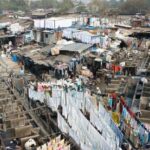
- Dhobi Ghat (Dhobi Ghat viewing deck: the stop people remember)
- The Taj Mahal Palace Hotel (luxury as a landmark)
- Gateway of India (the seaside monument that anchors the bay)
- The guide matters: what the best versions sound like
- Timing, pacing, and transport: the practical stuff that makes or breaks the day
- Food and downtime: what’s not included
- Who this tour suits best
- Should you book this Mumbai private sightseeing tour?
- FAQ
- How long is the Mumbai private sightseeing tour?
- How much does it cost per person?
- Does it include pickup and drop-off?
- What’s included in the tour price?
- Are admission tickets included for the stops?
- Is there a meal or snacks included?
- What kind of vehicles are used?
- Is this tour private?
- What is the cancellation policy?
- Does the tour require a minimum number of travelers?
Key highlights you’ll feel right away
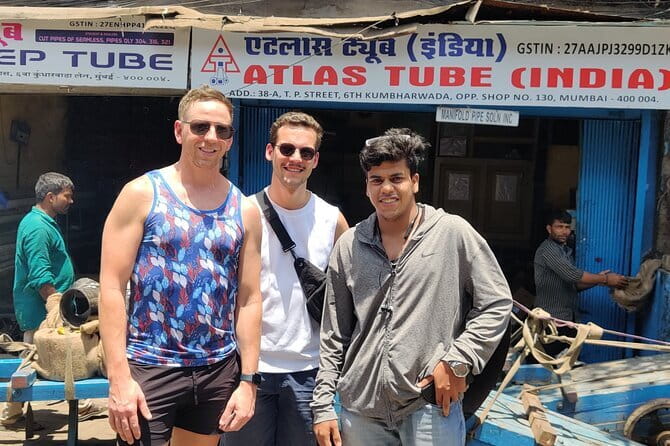
- Private, English-speaking guide in a comfortable air-conditioned vehicle, with bottled water included
- Landmarks plus the everyday: Mani Bhavan and CSMT right next to Dhobi Ghat’s open-air laundry scene
- Malabar Hill viewpoint time at Hanging Gardens and Kamala Nehru Park for Arabian Sea skyline views
- Marine Drive at the right mood: the crescent boulevard plus the famous Queen’s Necklace night lighting if your timing works
- Iconic architecture loop through Victorian Gothic and colonial-era building exteriors
- Known guide talent across recent tours, including Max, Arman, Farouk/Faruk, Samarth, Armaan, and Kaif
How this half-day Mumbai loop actually works
This tour is built for getting your bearings quickly. You’re picked up from your hotel, or from the port/airport area, and then you ride through key parts of South Mumbai in a private vehicle. That matters in Mumbai because “just going on your own” often turns into wasted time negotiating streets, directions, and crowd flow. Here, you focus on seeing, not managing logistics.
Most stops are short—often around 5–10 minutes at the exterior or viewpoint level. The upside is momentum. The trade-off is that you won’t linger like you would on a full-day walking tour. I’d treat it like a smart sampler platter: enough to understand the city’s big themes, then you can decide what deserves a return visit.
You can also read our reviews of more tours and experiences in Mumbai.


Value for money: what you get for about $45
The price is $45.39 per person for a 4–5 hour private tour, which is strong value if you care about guidance and transport. You’re not paying extra for the car and guide time, and bottled water plus parking fees are included.
A few things that quietly add value:
- You get professional English-speaking guidance, with university students serving as guides on recent tours under names like Max, Arman, Farouk/Faruk, Samarth, Armaan, and Kaif.
- The tour uses air-conditioned transport, which is huge in Mumbai’s heat and humidity.
- Admission is listed as free for each stop shown, so you’re not hit with surprise ticket costs at the main sights.
If you’re planning your day with strict timing (first visit, short layover, cruise stop, or a busy itinerary day), this format fits. If you want slow and deep, you’ll likely want a follow-up walk on your favorite streets afterward.
Stop-by-stop: what each major sight is really for
Mani Bhavan Gandhi Museum (quick start, big context)
You begin at Mani Bhavan Gandhi Museum, a museum tied to Mahatma Gandhi’s life and his role in India’s freedom movement. Even with the short time here, it sets the tone: Mumbai isn’t only about seaside views and trains—it’s also a place where major ideas took shape.
Practical take: If you’ve heard Gandhi’s name but not the personal story, this stop helps you connect the dots fast. Give yourself a minute to look around before you move on; the emotional weight of the museum is easy to miss when you rush.
Chhatrapati Shivaji Maharaj Terminus (CSMT) for the architecture nerd moment
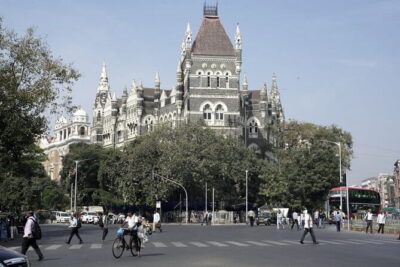
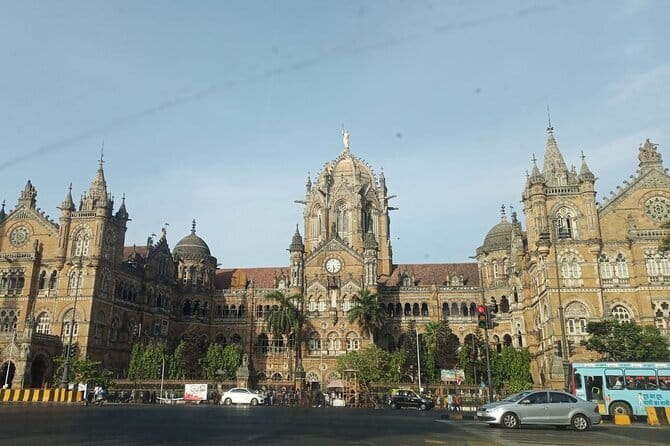
Next is Chhatrapati Shivaji Maharaj Terminus (CSMT), a UNESCO World Heritage railway station famous for its Victorian Gothic architecture. CSMT is one of those places where your camera tries to keep up with your eyes: details, angles, and the sheer scale of the structure.
Even if you’re not a train person, this stop gives you Mumbai’s architectural DNA. Think of it as a headline: the city can feel both historic and intensely functional at the same time.



Brihanmumbai Municipal Corporation building (Gothic governance at street level)
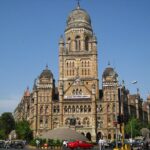
Then you pass by the Brihanmumbai Municipal Corporation building, an iconic Gothic-style structure tied to the city’s governance. It’s not just a pretty exterior—seeing it helps you understand how the colonial-era look influenced public buildings that still shape daily life.
If you like architecture, this is a good “pause and notice” stop. Look at the proportions and the building rhythm more than trying to capture every detail.
Hanging Gardens (Malabar Hill viewpoints without the hike)
At Hanging Gardens, you get terraced green space on Malabar Hill and city + Arabian Sea views. The time here is brief, but the payoff is scenery and a break from the street-level pace.
This is one of the easiest spots on the route to enjoy without needing to plan anything complicated. If you’re traveling with family members who prefer simple viewpoints over heavy walking, this stop is a strong fit.
Kamala Nehru Park and the Old Woman’s Shoe (photo moment with a viewpoint)
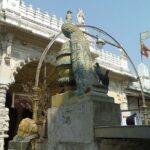
Kamala Nehru Park is known for the Old Woman’s Shoe structure and, more importantly, for panoramic views over Marine Drive and the skyline. It’s playful in a way that balances the more formal-looking architecture stops.
Practical take: Use this as your “overview” moment. Look out over the coastline and landmarks so the rest of the day feels connected, not like separate photo pull-offs.
Marine Drive (Queen’s Necklace lighting if your timing hits)
Marine Drive is the crescent boulevard along the Arabian Sea, and it’s famous for sunset views and the evening lighting called Queen’s Necklace. If your tour timing overlaps with night, the effect is exactly what the name suggests: a long glow across the curve.
Even when it’s daytime, Marine Drive helps you understand why the city has such a strong relationship with the sea. Mumbai isn’t only inland ambition—it’s also coastal rhythm.
Malabar Hill (why this neighborhood feels different)
Next comes Malabar Hill, an upscale residential area with green spaces, historic temples, and wide views over Marine Drive and the sea. This stop is short, but the shift in mood is real. You feel the change from busy street energy to a more landscaped, calmer perspective.
If you’re the kind of traveler who likes seeing how different neighborhoods “feel,” don’t rush your look here. A few minutes can be enough to make the mental map stick.
Oval Maidan (cricket ground and the city’s open-space center)
At Oval Maidan, you’re near the historic cricket ground surrounded by iconic Victorian and Art Deco buildings. Cricket here isn’t just a sport—it’s part of how public space works in Mumbai.
If you want to understand local culture beyond monuments, this is where you glimpse everyday identity. Even if no match is happening, the surrounding architecture and the location’s role in city life come through.
Bombay High Court Principal Bench (Gothic justice building exterior)
You also see the Bombay High Court Principal Bench, another striking Gothic-style building that’s one of India’s oldest major judicial institutions. This stop is all about exterior impact and context: public power, old-world styling, and the city’s legal spine.
I like using places like this as a memory anchor. When you later hear about Mumbai’s institutions, you’ll picture what the buildings look like, not only what they do.
University of Mumbai Library (colonial-era academia sightline)
Then it’s University of Mumbai Library, part of a prestigious institution known for colonial-era architecture. The key value here is visual atmosphere: academic buildings often show a different “face” of the city than stations and courts.
Even though your time is limited, it’s worth paying attention to symmetry and entry design. This kind of architecture becomes easier to recognize on later days in town.
Dhobi Ghat (Dhobi Ghat viewing deck: the stop people remember)
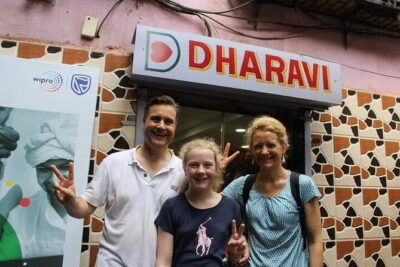
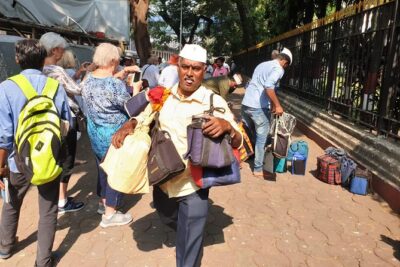
Then comes the most talked-about moment: Dhobi Ghat, the open-air laundromat where thousands of clothes are washed by hand. You’re taken to a viewing deck for about 20 minutes, which is long enough to watch the rhythm and absorb the scale.
This is the stop where the tour shifts from famous-outside-Mumbai sights to lived-in Mumbai. It’s active, visual, and human. If you only have one cultural “wow” moment to spare, make it this one.
Practical take: This is an intense scene. Go with calm expectations and give yourself a full moment of looking before you start photographing or moving on.
The Taj Mahal Palace Hotel (luxury as a landmark)
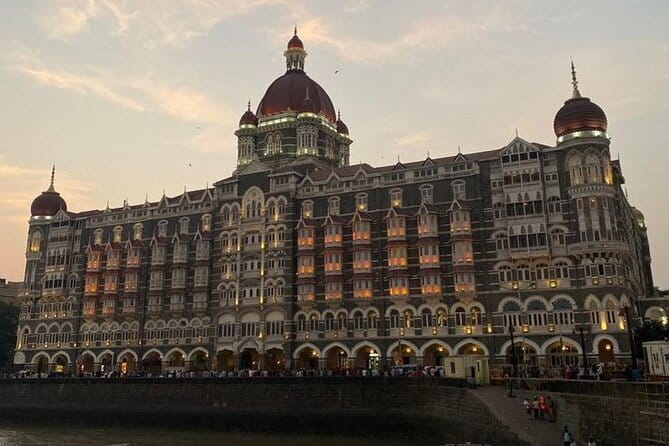
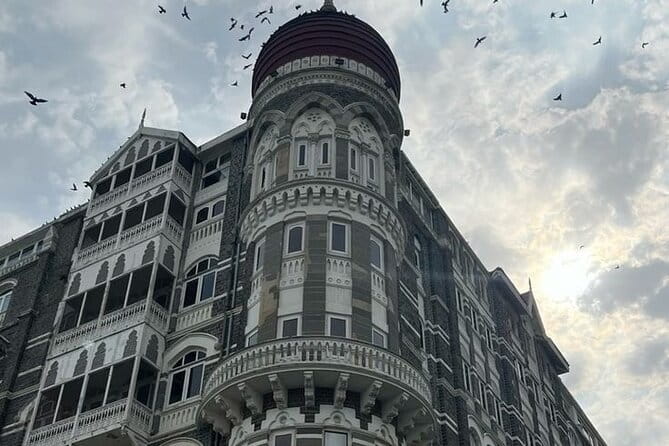
You pass by The Taj Mahal Palace Hotel, a famous luxury hotel with standout architecture and a long reputation. Even if you don’t go inside, seeing it from the street gives you a sense of Mumbai’s global-visitor pull and how major hotels act like city monuments.
This stop is more about the recognizable landmark energy than deep touring.
Gateway of India (the seaside monument that anchors the bay)
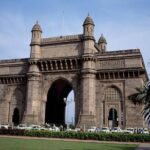
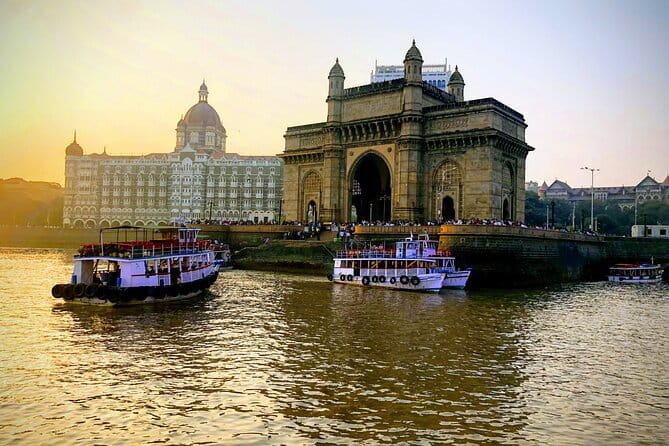
Finally, you see the Gateway of India, built to commemorate King George V’s 1911 visit and positioned with classic sea-facing views. This is the Mumbai postcard you’ve likely seen before—but seeing it in person helps it make sense. It’s a natural endpoint because it belongs to both history and the coastline.
When your half-day tour ends here, it feels like the city has a “main page.” After this, you can branch out with more confidence.
The guide matters: what the best versions sound like
A big reason this tour gets top ratings is the guide style. Recent experiences referenced guides such as Max and Arman (with detailed city explanations), Farouk/Faruk (for finding places people often miss), and Samarth (for storytelling that makes history feel personal). Another tour highlighted Armaan and the smooth-driving experience with Kaif, plus Ali as a driver.
What that tells me as a reader: you’ll get more than a checklist. You’re likely to hear small bits that help the stops connect—why the architecture looks the way it does, what institutions represent, and why Dhobi Ghat is so central to day-to-day city life.
Timing, pacing, and transport: the practical stuff that makes or breaks the day
The tour is about 4 to 5 hours, and most stops are designed to be quick. That’s ideal if you:
- want an efficient first visit
- have a tight schedule (including port/airport days)
- prefer a private ride over crowded transit
What to watch for:
- Traffic can stretch real time in Mumbai. A private driver helps, but you should still expect some street chaos.
- Short stop durations mean you should come with questions ready. If something interests you—architecture style, a temple, a historical detail—ask right away.
Your vehicle choice is flexible: Sedans, SUVs, or Mini Coaches depending on group size. The common thread is comfort: air-conditioned vehicle and bottled water.
Food and downtime: what’s not included
Snacks are not included. The tour provider notes they can arrange a meal add-on for extra cost. If you’re the type who gets hungry fast, plan to eat before you go or budget for a quick stop after. With only half a day, you don’t want hunger to steal your attention from the sights.
Who this tour suits best
This is a smart match for:
- first-timers who want a structured map of major Mumbai landmarks
- people who like architecture and civic buildings
- anyone who wants one “real life” stop that isn’t only polished monuments—Dhobi Ghat is that anchor
- couples, small groups, or solo travelers who value private comfort
It’s less ideal if you want a long, slow walk, deep museum time, or a day packed with meals and frequent stops off the route.
Should you book this Mumbai private sightseeing tour?
If you want a high-impact half-day that connects Gandhi-era context, Gothic architecture, coastal viewpoints, and the working city at Dhobi Ghat, I think this is worth booking. The price is reasonable for private transport + guide time, and the focus on a mix of landmarks and lived-in scenes is exactly the kind of “first Mumbai” experience that helps you plan smarter for the rest of your trip.
Book it especially if:
- you’re short on time
- you want pickup from your hotel/port/airport area
- you prefer air-conditioned comfort over street-level navigation
I’d only skip it if you’re hoping for long indoor museum visits, lots of downtime, or a slow neighborhood-by-neighborhood walking style. For everything else, it’s a strong sampler with real memorable punch.
FAQ
How long is the Mumbai private sightseeing tour?
The tour runs about 4 to 5 hours.
How much does it cost per person?
The price is listed as $45.39 per person.
Does it include pickup and drop-off?
Yes. Pickup and drop-off are offered from hotels, the port, and the airport areas.
What’s included in the tour price?
Included items are an air-conditioned vehicle, private transportation, bottled water, parking fees, an English-speaking tour guide, and the private tour experience.
Are admission tickets included for the stops?
For the stops listed in the route, admission tickets are shown as free.
Is there a meal or snacks included?
Snacks are not included, but the provider says a meal can be arranged for an extra cost.
What kind of vehicles are used?
The tour offers a range of options such as Sedans, SUVs, and Mini Coaches based on your group needs.
Is this tour private?
Yes. It’s a private tour/activity, with only your group participating.
What is the cancellation policy?
Free cancellation is allowed up to 24 hours in advance for a full refund.
Does the tour require a minimum number of travelers?
Yes. The experience requires a minimum number of travelers, and if it’s canceled for not meeting that minimum, you’ll be offered a different date or a full refund.