REVIEW · KANHERI CAVES & PAGODA TOURS
Mumbai: Buddhist Kanheri Caves & optional Pagoda Temple trip
Book on GetYourGuide →Operated by Amaze Tours · Bookable on GetYourGuide
Two temples, one ancient rock mountain.
This tour pairs Kanheri Caves with the Global Vipassana Pagoda for a day that mixes archaeology and living meditation in Mumbai’s own national park.
What I really like is how the caves connect you to long-ago Buddhist life through sculptures, carvings, and inscriptions. Another strong point is the guide quality: people I’ve spoken with (including Ganesh and Alam) consistently highlight clear storytelling, humor, and smart pacing at both the caves and the pagoda.
One caution: reaching the top areas of Kanheri Caves means 50+ steps, and the route isn’t suitable for mobility impairments. If you’re short on stamina or have knee issues, plan carefully.
In This Review
- Key things to notice before you go
- Sanjay Gandhi National Park: history in the middle of the city
- Kanheri Caves: Black Mountain Buddhist carvings worth the stairs
- Global Vipassana Pagoda option: a meditation hall that feels built for silence
- The guided format: what you actually gain in 3 to 7 hours
- Drivers, punctuality, and smooth coordination in Mumbai traffic
- Price and value: what $30 buys in real-world terms
- Practical tips: clothing, steps, and how to avoid discomfort
- Who this tour is best for (and who should skip it)
- Should you book the Kanheri Caves and optional Pagoda trip?
- FAQ
- How long is the tour?
- What does the tour cost?
- What’s included?
- Where do I meet the group?
- Is the Global Vipassana Pagoda visit optional?
- Will I need to climb stairs at Kanheri Caves?
- Is this tour suitable for mobility impairments?
Key things to notice before you go
- Kanheri Caves span centuries (from roughly 1st century BC to 10th century AD) carved into a basalt outcrop called Krishnagiri, or Black Mountain.
- You’ll get a guided walk, not just a self-guided circuit, with English commentary that brings out what you’re actually seeing.
- The pagoda option is a big engineering stop: the Global Vipassana Pagoda is a large stone dome built without supporting pillars and is described as the world’s largest meditation hall.
- Time stays realistic with a half-day style schedule (about 3 to 7 hours depending on options).
- Comfort matters because of the stairs and the no-shorts rule—come ready with sturdy shoes.
Sanjay Gandhi National Park: history in the middle of the city
Sanjay Gandhi National Park is one of Mumbai’s most visited nature escapes, and what makes it different is the setting. You’re not driving far into wilderness where you lose time and context. You’re still in Greater Mumbai, which means you can pair real outdoors and archaeology in the same outing.
That “city-meets-nature” feel is a big part of the value here. You get a park visit with an actual destination beyond viewpoints: Kanheri Caves, one of the signature heritage sites inside the park. It’s a smooth way to spend a few hours without building a full day plan around traffic and logistics.
Also, the tour format gives you a car ride in an air-conditioned vehicle (private transport). That’s not a small detail in Mumbai. The heat and congestion can drain your energy, and here it’s handled for you so you can focus on the site.
You can also read our reviews of more tours and experiences in Mumbai.


Kanheri Caves: Black Mountain Buddhist carvings worth the stairs
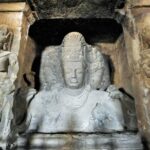
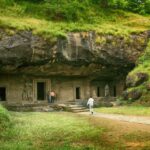
Kanheri is the centerpiece, and it’s unforgettable in the right way: it’s not a single monument you “check off.” It’s a complex group of caves and rock-cut monuments carved into a basalt outcrop.
The tour takes you into the heart of the Buddhist carving tradition, with key visuals like sculptures and relief carvings. You’ll also see paintings and inscriptions, and the timeline is part of the awe: the material is dated from the 1st century BC to the 10th century AD. That range matters because it shows the site wasn’t a one-off project; it developed over time.
Why a guide helps here (a lot)
Kanheri can be impressive even if you’re passing through casually. But with a good guide, it becomes clearer. People like Ganesh and Alam are praised for making the carvings understandable—explaining details you’d otherwise miss, and giving context that turns “stone walls” into a story of worship, teaching, and community.
What to expect at the caves
- You’ll do a guided tour of about 2.5 hours, which is enough time to actually look.
- The route includes climbing: you’ll need to climb more than 50 steps to reach the top of the Kanheri Caves.
- Comfortable shoes are a must, because this is a stone environment and the pace includes stairs.
A small reality check: if you’re hoping for mostly flat walking, this is not that kind of stop. Plan for effort. If you want the views and the higher cave areas, bring patience—and take your time on the steps.
Global Vipassana Pagoda option: a meditation hall that feels built for silence
If you choose the Pagoda add-on, you’ll head toward the Global Vipassana Pagoda after the caves. The transfer includes a short ferry ride, and it’s a good contrast after hours of stone carvings. Water time breaks the day, and it also changes the mood.
This is one of those sites where scale becomes part of your experience. The pagoda is described as:
- the largest stone dome built without supporting pillars
- the largest meditation hall in the world
What you take away depends on how you like to travel. If you enjoy architecture, you’ll notice the “how did they do that?” feeling created by a pillarless dome. If you travel for spiritual practice, you’ll likely appreciate the hall’s purpose-built silence.
And there’s another angle worth knowing: some guides connect the space back to meditation practices in the caves. One guest noted being able to meditate in the caves and understand how people practiced thousands of years ago, with Alam credited for making it smooth during monsoon conditions. That kind of link turns the tour from sightseeing into something more personal.
The guided format: what you actually gain in 3 to 7 hours
Tours like this can go two ways: either you move fast, or you get value from the explanations. This one leans toward value.
You’re not just dropped at a site and told to explore. You get an English language tour guide, plus the day is structured enough that you see both the heritage site and the optional meditation hall without burning half your time on route-finding.
A couple practical details that help the experience:
- Skip the ticket line means less queue time and more time on site.
- Hotel pickup and drop-off are optional (if you select that option). Even if you don’t, you meet at the entrance gate of Sanjay Gandhi National park.
- Drop-offs can include Andheri, Mumbai, and the park area (Borivali National Park). That flexibility can be useful depending on where you’re staying.
If you’re trying to keep your day efficient, this timing works well. You’ll be outside for hours, but you won’t feel like the outing is longer than it needs to be—especially when compared to piecing together taxis and tickets on your own.
Drivers, punctuality, and smooth coordination in Mumbai traffic
In Mumbai, a “good tour” isn’t only about what you see. It’s also about how you get there. The experience is set up with safe driving coordination, using a dedicated driver.
Names come up in the feedback for this part too. Muktar is praised for safe driving, and Ranjit is mentioned alongside strong guide work. That combination matters, because getting to Sanjay Gandhi National Park and back can be stressful if you’re managing it solo.
Also, guides like Ganesh and Alam are repeatedly described as professional and on time. That kind of punctuality turns a day trip from chaotic to calm, especially when you’re moving between caves, the pagoda option, and ferry transfer.



Price and value: what $30 buys in real-world terms
At about $30 per person, this tour sits in the mid-budget range for Mumbai day experiences. The real question is what’s included that you’d otherwise pay for or manage yourself.
Included items that add value:
- Air-conditioned vehicle
- English tour guide
- Entrance fees to Kanheri Caves and the National Park
- Ferry ticket (for the pagoda option)
- Hotel pickup/drop-off if you pick that option
- Skip-the-ticket-line service
What that means for you: you’re not spending your mental energy on ticket counters, separate transport bookings, and ticket timing. Even if you’re comfortable planning, this helps you use your limited time better—especially if you’re visiting during a busier season.
The optionality also helps value. If you mainly want Kanheri, you can focus there. If you want both architecture and meditation space, the pagoda add-on gives you the second major anchor.
Practical tips: clothing, steps, and how to avoid discomfort
This is where you can control most of the experience quality.
What to bring
- Comfortable shoes (plan for stone steps and uneven surfaces)
- Sunglasses (outdoor sun can hit hard)
- Passport or ID card
Rules you should know
- No shorts are allowed. Wear longer pants or clothing that covers your legs.
The big physical consideration
- Expect more than 50 steps on the route to the top areas of the Kanheri Caves.
- The tour is not suitable for people with mobility impairments.
If you’re the type who likes photos, remember: stone can look “samey” if you rush. A slower pace with a focus on carvings gives you better shots, too.
And if you’re visiting around monsoon season, here’s a useful insight: Alam is described as reading the clouds and keeping things smooth during that weather. That doesn’t replace common sense (bring appropriate rain gear if you own it), but it signals you’ll have a guide thinking ahead.
Who this tour is best for (and who should skip it)
This works best if you like any of these:
- Ancient archaeology that you can actually see and interpret
- Buddhist sites, especially rock-cut monuments and cave art
- A guided day trip where you want meaning, not just movement
- Travelers who want a structured few hours in and around Mumbai without over-planning
It may not be the right fit if:
- You need step-free access (the route includes 50+ steps and isn’t suitable for mobility impairments)
- You prefer very minimal walking
- You’re hoping to spend most of your day at just one site—this balances two stops if you choose the pagoda option.
Should you book the Kanheri Caves and optional Pagoda trip?
I’d book this if you want a well-organized Mumbai day that mixes Kanheri’s carved Buddhist heritage with the Global Vipassana Pagoda in a time frame that stays manageable.
Go for it if you value a guide who explains what you’re looking at—especially if you’re the kind of traveler who hates “random ruins” and prefers real context. The repeated praise for guides like Ganesh and Alam, plus the calm coordination with drivers like Muktar, points to a smoother experience than a DIY day.
Skip (or reconsider) if stairs are a deal-breaker for you. The steps at Kanheri are real, and the tour isn’t designed for mobility limitations. If you’re good on your feet, though, this is a strong value use of time in Mumbai—history plus meditation space, with tickets and transport handled so you can just focus on the sights.
FAQ
How long is the tour?
The duration is about 3 to 7 hours, depending on the selected option and timing.
What does the tour cost?
It’s listed at about $30 per person.
What’s included?
Included items are an air-conditioned vehicle, an English tour guide, entrance fees to Kanheri Caves and the National Park, and (if you select the pagoda option) a ferry ticket. Hotel pickup and drop-off are included only if you choose that option.
Where do I meet the group?
You meet at the entrance gate of Sanjay Gandhi National Park.
Is the Global Vipassana Pagoda visit optional?
Yes. The pagoda stop is included only if you select the option that adds it after the Kanheri Caves visit.
Will I need to climb stairs at Kanheri Caves?
Yes. You will need to climb more than 50 steps to reach the top of the Kanheri Caves.
Is this tour suitable for mobility impairments?
No. It is not suitable for people with mobility impairments.