REVIEW · DHARAVI SLUM TOURS
Dharavi Slumdog Millionaire Tour
Book on Viator →Operated by Dynamic Mumbai · Bookable on Viator
Dharavi is real life, not a movie set. This guided walking tour takes you into the world behind Slumdog Millionaire, where small workshops run alongside homes and schools. You’ll see how money is made day to day, from plastic recycling and leather manufacturing to color dyeing and recycling of everyday materials.
What I love most is the private, personalized guide attention, which keeps the pace human instead of rushed. I also like that the tour focuses on how people work—not just a list of poverty clichés—so you come away with a clearer picture of Dharavi’s industries.
One consideration: this is a living neighborhood, so parts of the walk can feel intense or overwhelming if you’re expecting something staged or sanitized.
In This Review
- Key Things You’ll Notice on This Walk
- Dharavi in Three Hours: What You’re Really Seeing
- Your Guide Matters: Nick, Nikesh, Dev, and the Team Approach
- Entering the Workshop World: Plastic, Leather, Dyes, and Recycling
- Small Alleys, Houses, and Schools: The Human Side You Can’t Skip
- Timing, Route, and Getting There Without Losing Your Day
- Price and Value at $39.63: What You Get (and What You Don’t)
- Ethics, Safety, and How to Be a Good Visitor Here
- Who This Tour Is For (and Who Might Want a Different Option)
- Should You Book the Dharavi Slumdog Millionaire Tour?
- FAQ
- How long is the Dharavi Slumdog Millionaire tour?
- Is pickup available?
- Is this tour private?
- What’s included in the price?
- Is there an air-conditioned vehicle?
- What industries and places will we see?
- Where do we meet, and where does it end?
- Is free cancellation available?
Key Things You’ll Notice on This Walk
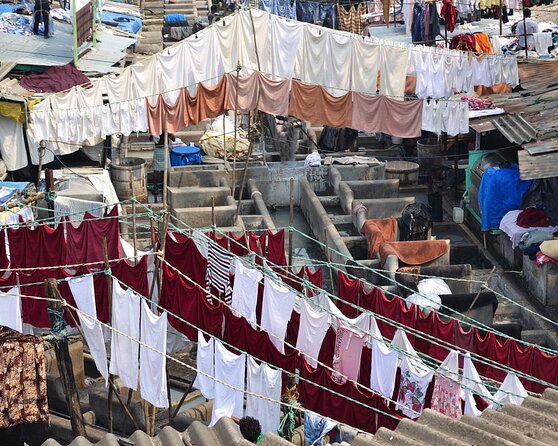
- Industries you can actually point at: plastic recycling, leather work, color dyeing, and more
- Private-guide feel: questions stay welcome, not shouted over the crowd
- You’ll move through everyday spaces like small alleys, houses, and schools
- Best for curious, respectful visitors who can handle real sights and sounds
- A short, focused visit (about 3–4 hours total, with around 2 hours inside the area)
Dharavi in Three Hours: What You’re Really Seeing
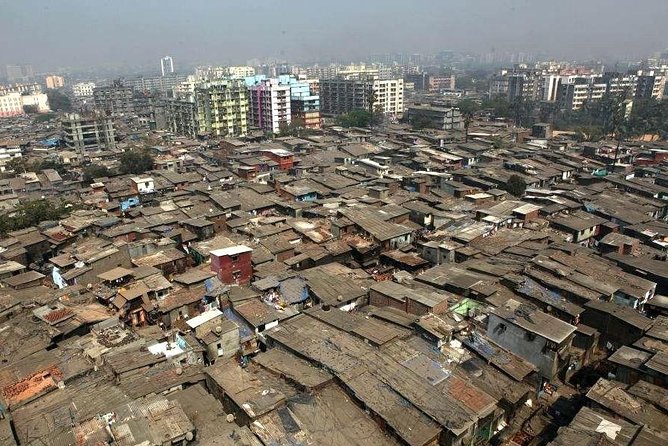
If you only know Dharavi from the movie version, this tour corrects the picture fast. The “slum” label is too simple for what you’ll experience on the ground. Dharavi is crowded, yes. But it’s also organized around practical work. Families live here, kids attend school nearby, and dozens of micro-industries keep things moving.
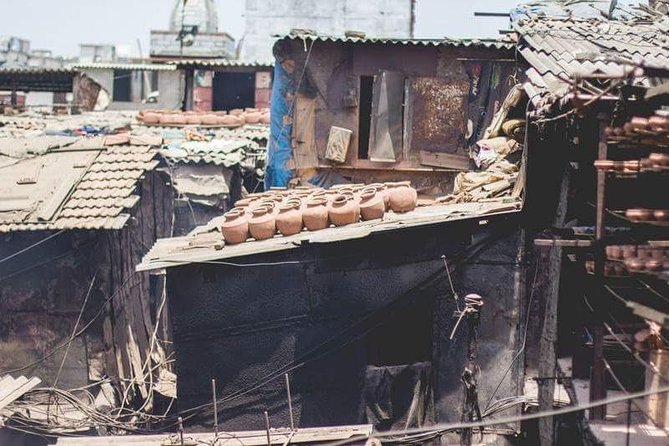
Your guide’s job is to give you context without turning it into a lecture. You’ll be walking through small lanes where you can see how materials become usable again. The tour’s strength is that it connects the dots between what you see and how people earn their living—plastic recycling, leather manufacturing, color dyeing, can recycling, cardboard recycling, and even pottery.
This is why the experience sticks in your head. Not because it’s “shock value,” but because you notice the logic of the place: raw materials come in, they’re processed, and saleable products go out.
You can also read our reviews of more tours and experiences in Mumbai.



Your Guide Matters: Nick, Nikesh, Dev, and the Team Approach
The guides are the difference between a confusing walk and a memorable one. In particular, Nick (also called Nikesh) stood out in the reviews for speaking strong English and knowing the area from growing up there. When your guide understands the neighborhood’s rhythm, you get better explanations and smoother transitions between scenes.
Other reviews also mention Dev and the wider team, which suggests the guiding style isn’t just one person doing it alone. You’ll feel that care in small moments: when you pause to ask a question, when the group needs a slower section, or when your guide tries to help you read what you’re seeing.
You should expect a tone that mixes facts with practical realism. You’re not just “touristing.” You’re learning how industries work in tight spaces, how residents manage daily life, and what makes Dharavi feel safe to walk with the right guidance.
Entering the Workshop World: Plastic, Leather, Dyes, and Recycling
The core of the tour is a guided walk through Dharavi’s working industries, and it’s easier to understand if you think in categories.
First, plastic recycling: this is one of the big economic engines people associate with Dharavi. You’ll get a sense of how plastic is sorted and repurposed—turning trash into usable inputs. If you’ve never seen recycling as an industry with jobs behind it, this part can feel like a reality check in a good way.
Next comes leather manufacturing and the materials workflow that supports it. Even if you don’t understand every step, you’ll likely notice the difference between raw material and finished goods. That “from start to sale” mindset is the point.
Then there’s color dye, which connects to the broader theme of processing. Dyes matter everywhere in textiles and finishing. Seeing dye work in a compact setting helps you understand how demand turns into daily labor.
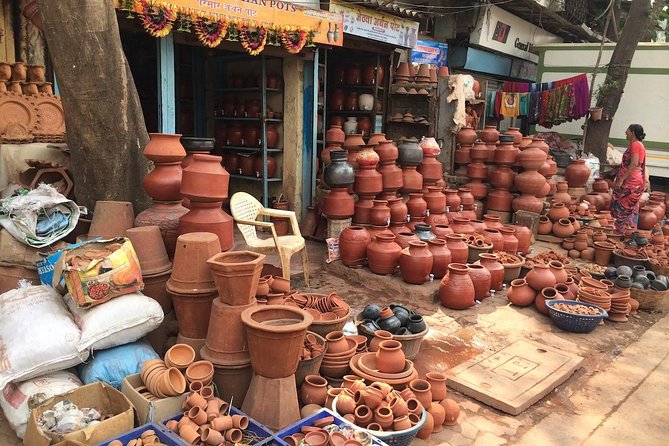
Your walk also includes recycling of cans and cardboard recycling, plus you may see other trades like pottery. The goal isn’t to memorize every process. It’s to realize Dharavi’s economy is made of linked steps—collection, processing, transformation, and resale.
A practical tip: keep your camera ready, but also look first. If you only film, you miss the small details that make the explanations make sense.
Small Alleys, Houses, and Schools: The Human Side You Can’t Skip
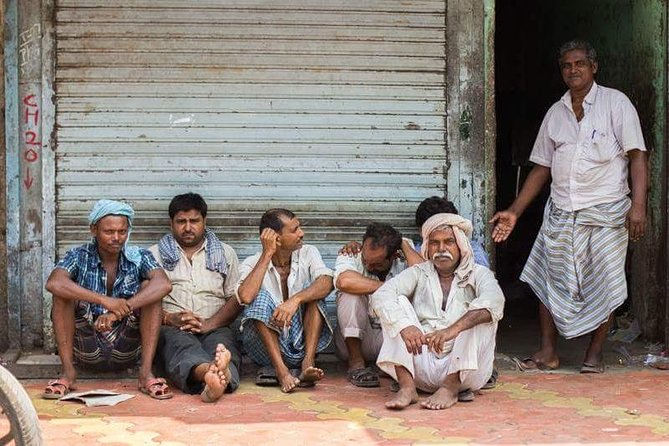
Many “slum tours” either focus only on buildings or only on factories. This one tries to show both. You’ll walk through small alleys and houses, which helps you understand how work and home life overlap.
You’ll also pass schools, and that matters more than people expect. It’s a reminder that this isn’t a permanent set with only one story. Kids live here now, and future work depends on what life is like today.
One of the most useful parts of the tour is how your guide talks about daily routines. You’ll start to see that Dharavi isn’t only about what’s lacking—it’s also about what’s functioning. The neighborhood’s dense layout doesn’t stop people from running businesses. It shapes how businesses operate.
That’s why I think this tour works better than a quick photo stop. Walking changes your sense of scale. It’s hard to grasp the place from pictures, but easier once you’re moving lane by lane.
Timing, Route, and Getting There Without Losing Your Day
The tour runs about 3 to 4 hours total. The Dharavi walk itself is around 2 hours, and the remaining time accounts for the lead-in and wrap-up.
If you choose a version with pickup from select hotels, that’s a real stress reducer in Mumbai, where traffic and route planning can eat your afternoon. You’ll also want to keep the rest of your day flexible. Even with a smooth guide, Dharavi is a busy place.
The meeting point is clear and specific: Café Coffee Day, Unit No. 58, Ground Floor, Ram Mahal Building, Senapati Bapat Marg, T.P. Road, Station, Marinagar Colony, Navjivan Society, Mahim, Mumbai, Maharashtra 400016, India. The activity ends back at the meeting point, so you’re not stranded halfway across the city.
Also note: it’s listed as near public transportation, which is helpful if pickup isn’t available for your hotel. You won’t need to master a long maze of transfers just to start the walk.




Price and Value at $39.63: What You Get (and What You Don’t)
At $39.63 per person, the value is tied to two things: the focused time in Dharavi and the guide’s role in translating what you’re seeing.
You’re paying for:
- A guided walking experience through real industries
- Personal attention from a private guide (only your group)
- Bottled water included
- A visit structure that’s long enough to learn but short enough to stay manageable
What you’re not getting is comfort transport. The tour notes no air-conditioned vehicle. That’s not a deal breaker, but it means you should plan for Mumbai weather with a hat, sun protection, and breathable clothing.
A small but smart detail: the tour uses mobile tickets, which saves time and keeps things simple right up front.
Ethics, Safety, and How to Be a Good Visitor Here
This kind of tour raises an honest question: Is it ethical to visit? Some people worry they’re turning hardship into entertainment.
What I’d tell you is this: show up with the right mindset, and choose a guide who can handle the social side, not just the route. Based on the experiences shared, the visitors who went in with apprehension felt safe and welcomed once they were walking with the right local guide.
In practice, that means:
- Keep your tone respectful and curious
- Ask questions, but don’t treat people like props
- Keep movement steady in narrow lanes
- Avoid blocking workspaces with cameras
- Remember this is someone’s neighborhood, not a theme park
If you can follow those basics, the tour’s goal becomes clearer. You’re learning how people create livelihoods inside a tight urban ecosystem.
Who This Tour Is For (and Who Might Want a Different Option)
This tour is a strong fit if you:
- Want more than a surface-level “poverty visit”
- Like hands-on explanations about work and local industry
- Prefer a private guide experience
- Enjoy walking tours and can handle crowds and close quarters
It can also work well for families, based on the reviews that mention a family of five with children ages 3, 8, and 10 enjoying both the food tour and the slum tour. That doesn’t mean every child will love it, but it suggests the guide can handle different group needs.
If you’re the type who needs calm, air-conditioned comfort every step, you might find parts of this walk uncomfortable. The tour doesn’t promise quiet. It promises real context.
Should You Book the Dharavi Slumdog Millionaire Tour?
I’d book it if you want an authentic, guide-led look at how Dharavi’s industries actually function. The combination of private attention, English-speaking guides like Nick (Nikesh), and a route that includes plastic recycling, leather manufacturing, color dyeing, and school-and-alley life gives you a rounded picture.
Skip it if you need a low-stimulation experience or you’re uncomfortable walking through a real residential and working area. Also, remember the tour isn’t trying to “fix” anything. It’s designed to help you understand.
If you want to leave Mumbai with something that actually changes how you think about cities and work, this one has a strong chance of doing that.
FAQ
How long is the Dharavi Slumdog Millionaire tour?
It runs about 3 to 4 hours total, with roughly 2 hours spent in the Dharavi area.
Is pickup available?
Pickup is available from select hotels.
Is this tour private?
Yes. It’s a private tour/activity, so only your group participates.
What’s included in the price?
Bottled water is included.
Is there an air-conditioned vehicle?
No, an air-conditioned vehicle is not included.
What industries and places will we see?
You’ll see plastic recycling, leather manufacturing, color dye, recycling of cans, pottery, cardboard recycling, plus small alleys and houses and schools.
Where do we meet, and where does it end?
Start is at Café Coffee Day, Unit No. 58, Ground Floor, Ram Mahal Building, Senapati Bapat Marg, T.P. Road, Station, Marinagar Colony, Navjivan Society, Mahim, Mumbai 400016. The tour ends back at the meeting point.
Is free cancellation available?
Yes. You can cancel for a full refund up to 24 hours in advance of the experience start time.