REVIEW · DHARAVI SLUM TOURS
Mumbai: Dharavi Slum and Dhobi Ghat Tour with Train Ride
Book on GetYourGuide →Operated by Tours By Walk · Bookable on GetYourGuide
Mumbai is a place where daily life has muscle.
In just 3 hours, this small-group tour connects Dhobi Ghat (Asia’s biggest open-air laundry) with a guided walk through Dharavi and an exhilarating Mumbai local train ride. I especially like how you get two very different windows into the city, and how the guide frames what you see with real stories from the community.
The main drawback is that you’ll be walking and seeing working neighborhoods up close, so it’s not the best pick if you want a relaxed, purely sightseeing style.
If you’re hoping for meaning in your photos, this one delivers.
In This Review
- Key Highlights You’ll Care About
- First Stop: Third Wave Coffee And The Local-Guide Setup
- Dhobi Ghat Open-Air Laundry: What You Actually See Up There
- The Mumbai Local Train Ride: The City’s Pulse In Motion
- Dharavi Walk: Work, Resilience, and Local Business Life
- Photo Stops And Respect: Getting The Shot Without Disrespect
- Price and Value: Why $26 Can Make Sense Here
- Duration, Pace, And What To Wear (Yes, Skirts Matter)
- Who This Tour Fits Best (And Who Might Want Another Option)
- Should You Book This Dhobi Ghat and Dharavi Train Tour?
- FAQ
- How long is the tour?
- What is the group size?
- Where does the tour start?
- Where does the tour end?
- Is the guide available in English?
- Are train tickets included?
- Does the tour include water?
- Are there any dress restrictions?
- What is the cancellation policy?
Key Highlights You’ll Care About
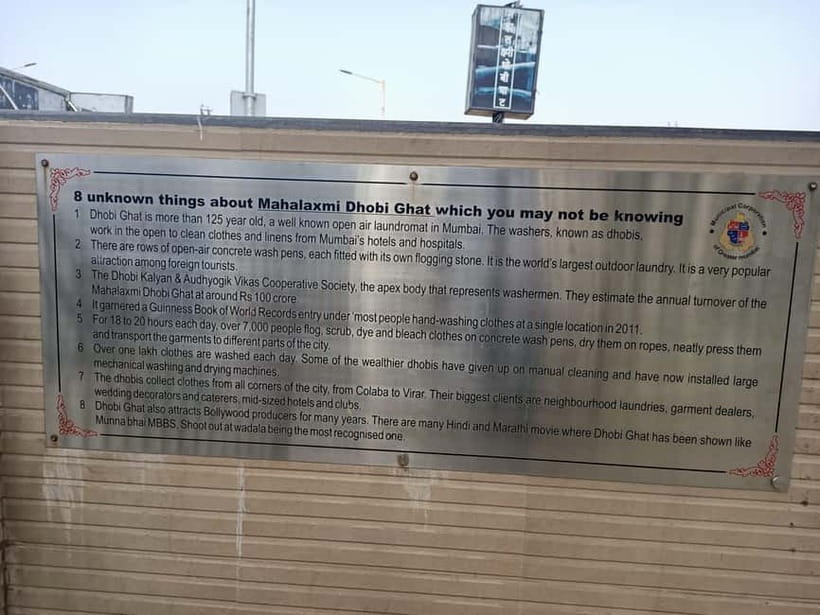
- Dhobi Ghat viewing deck moments: you can look down on laundry work in action and learn what you’re seeing
- A real Mumbai local train ride: open-door commutes, the pace of daily transit, and the feel of the city moving around you
- Dharavi on foot: guided alley walks focused on work, resilience, and local businesses
- Small group size (up to 10): easier questions and less crowd pressure in tight lanes
- Local guide energy: guides may include people with deep ties to Dharavi or firsthand familiarity (for example, guides like Bhaarti and Abhishek are mentioned in past experiences)
- Practical inclusions: train tickets and bottled water are part of the price
First Stop: Third Wave Coffee And The Local-Guide Setup
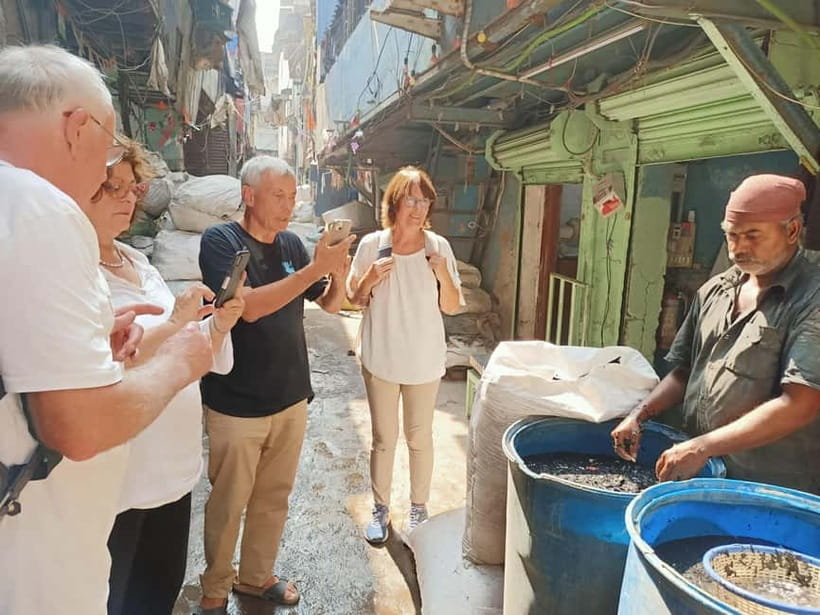
This tour starts at Third Wave Coffee, which is a nice practical choice. It gives you a clear meeting point in a city that doesn’t always make directions easy, and it’s the kind of spot where you can get your bearings before you switch gears into street-level Mumbai.
Once you meet your English-speaking guide, the tone becomes human right away. The best part of tours like this isn’t the landmarks. It’s the explanations that help you read the scene—what laundry work means here, how neighborhoods function, and why Dharavi’s story is more than a headline.
One more practical note: with only a small group of up to 10, you’re not fighting for attention. If you have questions about what you’re seeing—work, daily routines, or the mix of industries—you’ll usually get time to ask.
You can also read our reviews of more tours and experiences in Mumbai.


Dhobi Ghat Open-Air Laundry: What You Actually See Up There
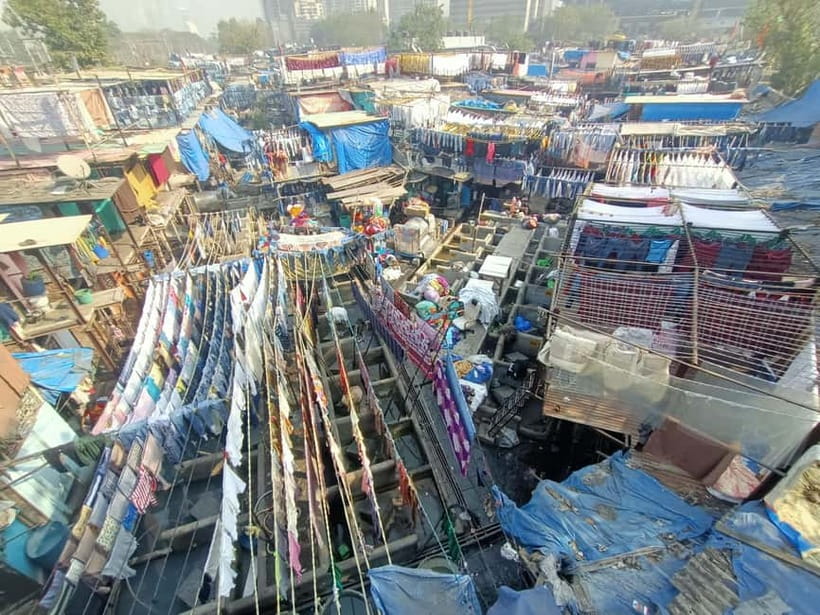
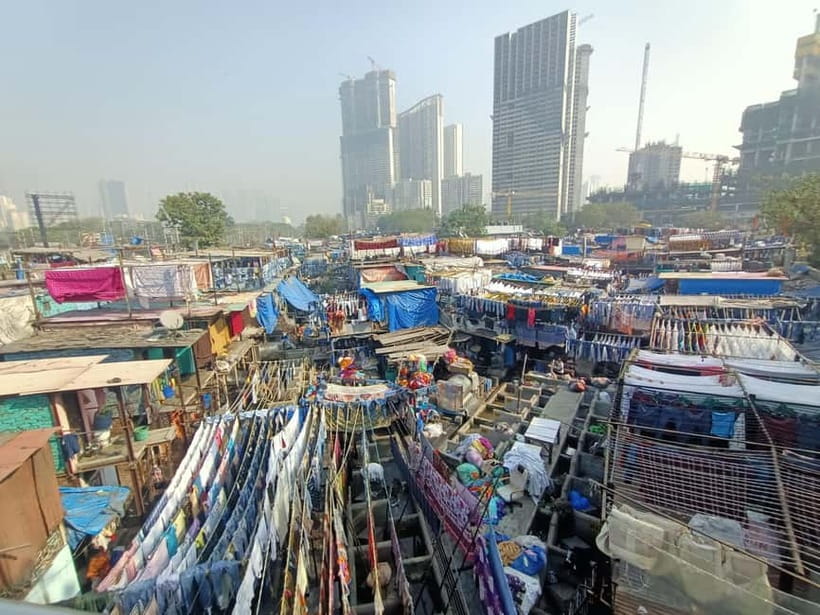
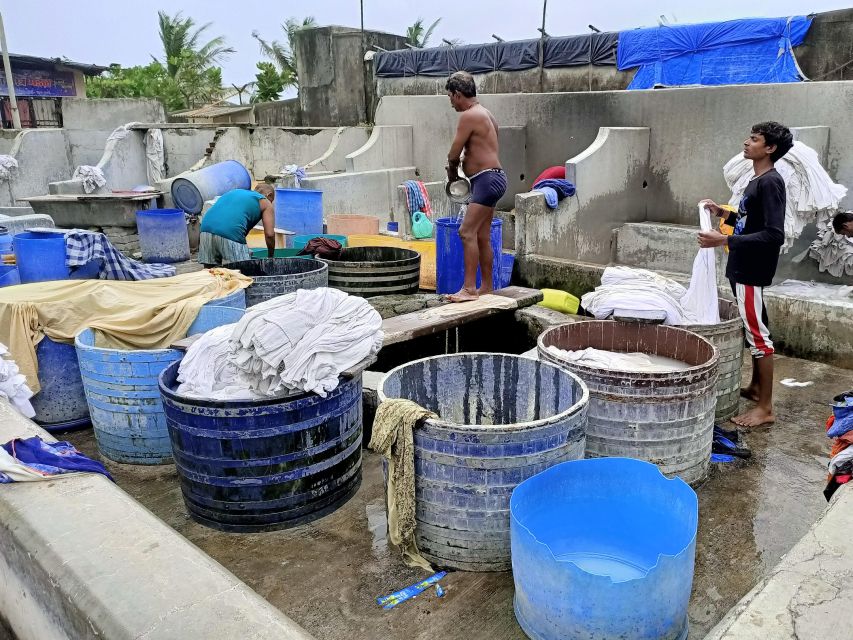
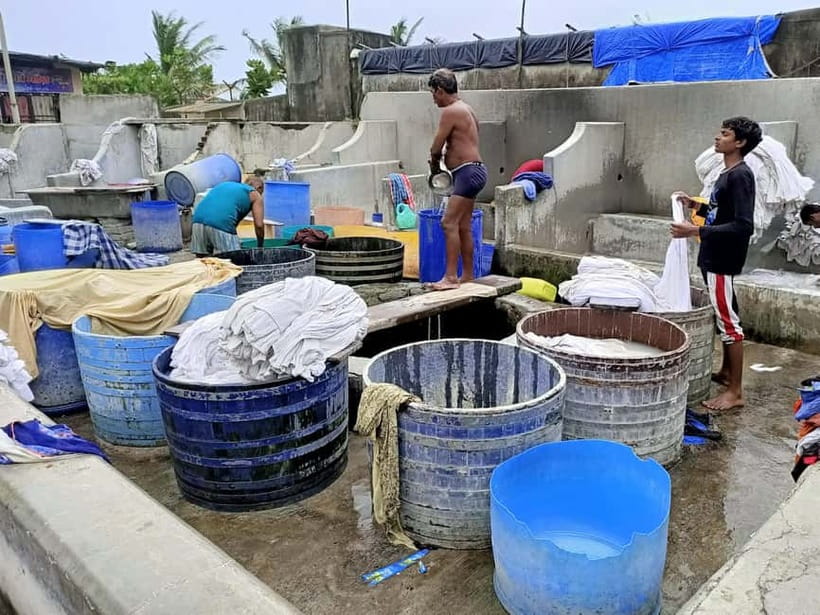
Dhobi Ghat is the kind of place that changes your understanding of “laundry.” Instead of a closed factory, you see the full workflow in public. Clothes are cleaned, handled, hung, and moved as part of a living system built around work and schedules—so it feels more like watching a trade than touring a monument.
I like how the tour emphasizes the idea of “laundry masters” doing something skilled. You’re not just looking at a big scene; you’re learning how the place works and why it matters to Mumbai. From the viewing deck, the viewpoint is ideal for photos, and the guide’s explanation helps your pictures make sense instead of looking like random activity.
What to keep in mind: this is an active working area. You might see lots of movement and lots of sound. If you’re sensitive to crowds or fast-paced activity, take a steady approach and keep your pace slow in tighter areas.
Also, since this is a working laundry zone, you’ll get the best experience if you treat it like a workplace. That means respectful distance when needed, asking before taking close-up shots, and staying aware that you’re a visitor in someone’s daily routine.
The Mumbai Local Train Ride: The City’s Pulse In Motion
The tour includes a ride on a Mumbai local train, which is a big part of why this experience feels real. This isn’t a fancy “train themed” detour. It’s a shortcut into how people actually move through the city every day.
The best way I can describe it is this: the train compresses Mumbai’s scale. You’re close enough to feel the rush of commuting, and you’ll notice the everyday logic—where people stand, how crowds flow, and how quickly everyone reorients once the train moves.
There’s also a sense of immediacy with the train’s open feel. Past participants highlighted the wind from open doorways and the quick energy of the ride. Even if you don’t love tight spaces, the train segment gives you a tangible context for everything else on the tour—how distance, time, and transit shape neighborhood life.
Practical consideration: trains can be crowded and there can be a lot of motion. If you’re prone to motion sickness or dislike squeezing in, plan to stay calm and follow your guide’s cues. This portion is exciting, but it’s still public transit.
Dharavi Walk: Work, Resilience, and Local Business Life

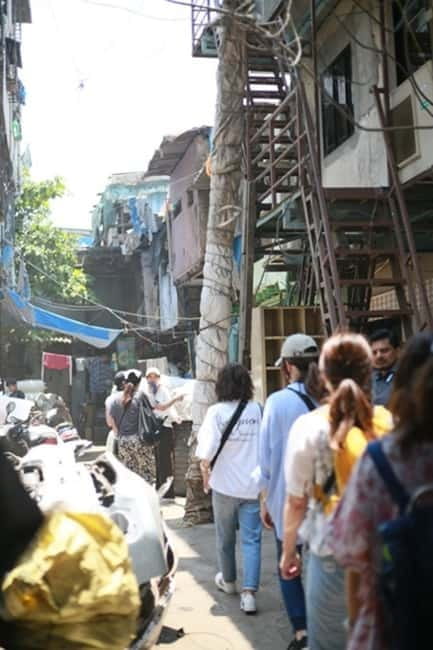
Dharavi is described as Asia’s largest slum, and that phrase alone doesn’t explain what you’ll experience on the ground. The guided walk focuses more on resilience, entrepreneurship, and community spirit—how people create livelihoods and run businesses in dense conditions.
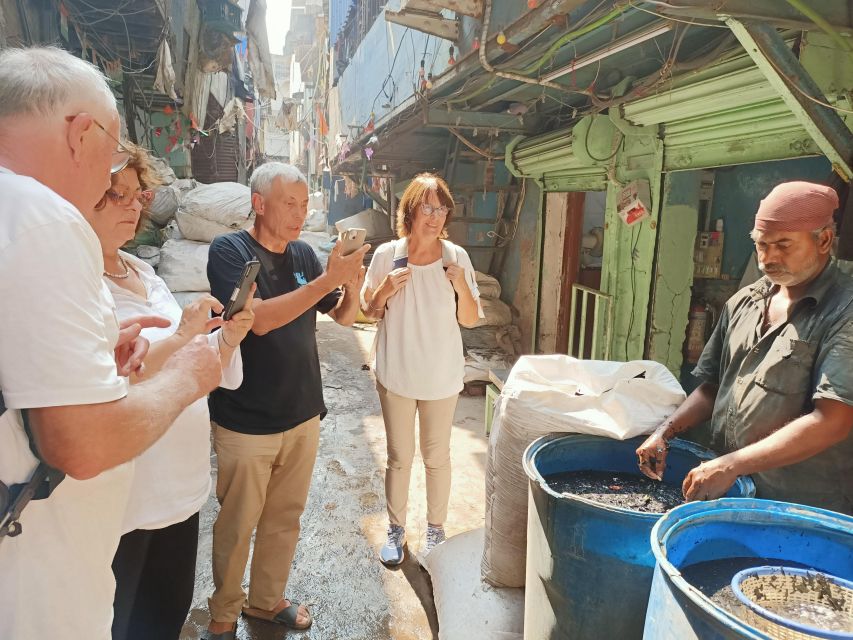
I think the value here is the guide’s ability to connect places to stories. Instead of treating Dharavi as a fixed image, you learn how daily life moves: the rhythms of work, the way people build income, and how community networks keep things running. When a guide has personal ties to the area, the explanations land differently—more grounded, less scripted.
Guides like Bhaarti, described as coming from the slums herself, and Abhishek, described as living in the slums, are examples of the kind of local authenticity that can make this walk feel less like a lecture and more like a guided conversation. Even if your guide isn’t from the area, the point remains: you’re walking with context, not just views.
What you should expect physically: tight lanes, close proximity, and a lot of visible labor and small-scale industry. This can be intense. If you want to keep the tone respectful and constructive, focus on listening and noticing details without staring.
Possible drawback: the experience can feel emotionally heavy. Some parts of Dharavi’s story are about hardship. If you’re traveling with limited emotional bandwidth, it helps to go in prepared—take breaks when your guide suggests it, and give yourself permission to process what you see.
Photo Stops And Respect: Getting The Shot Without Disrespect

This tour includes a strong photo element, especially with Dhobi Ghat’s viewing deck. From there, you can get a clear overhead view of laundry activity, and the guided history helps you understand what’s happening instead of just capturing motion.
But the real skill here is knowing where to point the camera and where to put it away. Because these are working spaces, it’s smart to:
- Keep your camera low when you’re passing through crowded areas
- Ask first if you want close-up photos of people or detailed work areas
- Stay aware of your footing in narrow paths
The goal isn’t to “perform” being respectful. It’s to avoid turning real labor into a spectacle. If you can do that, you’ll leave with photos that feel honest—and memories that feel earned.




Price and Value: Why $26 Can Make Sense Here
At about $26 per person for a 3-hour experience, the value comes from three things that are hard to replicate on your own.
First, you get an English-speaking guide who can explain what you’re seeing—big places are easy to visit, but understanding them is the tricky part. Second, train tickets are included, which matters because the local train ride isn’t just for fun; it’s part of the lived context of the neighborhoods. Third, you’re traveling in a small group of up to 10, which makes it easier to ask questions and move at a realistic pace.
You also get bottled mineral water, and the tour notes skip the ticket line—small details, but they add up when you’re moving through public spaces.
The one cost-related consideration is time and expectation. You’ll be spending part of your day in active working environments. If you’d rather spend your time on big-ticket monuments or long museum sessions, this might not be your best match.
Duration, Pace, And What To Wear (Yes, Skirts Matter)
This is a 3-hour tour, so it’s meant to be efficient. You’ll hit Dhobi Ghat, go on a guided walk through Dharavi, and ride the local train between them. Because the schedule is tight, it helps to keep your clothing practical and your mindset flexible.
You should also pay attention to the dress rules: short skirts and skirts aren’t allowed. So wear something practical that lets you walk comfortably.
Beyond that, I’d recommend you:
- Wear shoes that handle uneven or crowded paths
- Keep a light layer if you get temperature shifts near the train and outdoors
- Bring something simple for sun and dust if you’re sensitive
This isn’t a “pretty outfit” day. It’s a “good footwear and calm attention” day.
Who This Tour Fits Best (And Who Might Want Another Option)
This tour is a strong fit if you:
- Want Mumbai beyond the postcard lanes
- Like learning from a guide with direct community context
- Are excited by the local train ride as part of the story
- Prefer small groups so you can ask questions
It’s less ideal if you:
- Want a low-walking, low-intensity experience
- Dislike public transit crowding
- Prefer sanitized, museum-style viewing over real working neighborhoods
If you’re traveling with kids, you might find it depends on the child’s temperament. The content includes real working life in dense areas, so it’s better for families who can handle that with sensitivity.
Should You Book This Dhobi Ghat and Dharavi Train Tour?
If you want a Mumbai tour that connects places with people, I think this one is worth booking. The mix of Dhobi Ghat’s open-air laundry, a guided Dharavi walk, and a genuine Mumbai local train ride is a rare combo. And when your guide comes in with real familiarity—people like Bhaarti and Abhishek are examples—the explanations feel grounded rather than rehearsed.
Book it if you’re ready to see work and community life up close, and you can keep your attention respectful. Skip it if you want only relaxed sightseeing or you’re not comfortable with crowded transit and emotional subject matter.
Either way, go in with clear expectations: you’re not buying “a nice photo stop.” You’re buying a short, meaningful window into how Mumbai keeps moving—literally on trains, and practically in places like Dhobi Ghat and Dharavi.
FAQ
How long is the tour?
The tour duration is 3 hours.
What is the group size?
It’s a small group limited to 10 participants.
Where does the tour start?
The tour starts at Third Wave Coffee.
Where does the tour end?
The tour finishes at the Dhobi Ghat Viewing Deck.
Is the guide available in English?
Yes, the tour includes an English-speaking live guide.
Are train tickets included?
Yes, train tickets are included.
Does the tour include water?
Yes, you’ll receive bottled mineral water.
Are there any dress restrictions?
Yes. Short skirts and skirts are not allowed.
What is the cancellation policy?
You can cancel up to 24 hours in advance for a full refund.