REVIEW · DHARAVI SLUM TOURS
Mumbai: Dharavi Tour Including Car Transfer
Book on GetYourGuide →Operated by Reality Tours and Travel Private Limited · Bookable on GetYourGuide
Dharavi is where Mumbai shows its real pulse. I like the car-to-walk format that gets you in and out smoothly, and I like how the guide connects textile mills to the industries you’ll see today. The tradeoff is simple: there’s a strict no-photography policy while you’re inside the slum.
For 4.5 hours, you’ll move through narrow streets on foot, then pause at key places such as Dhobi Ghat and Kumbhar Wada, a pottery neighborhood with about 150 years behind it. You’ll also pass areas that reflect Mumbai’s ongoing social issues, which helps the whole visit feel more grounded than a checklist of sights.
In This Review
- Key things to know before you go
- From Colaba to Dharavi: the car transfer makes it doable
- The drive north: textile mills and Mumbai’s changing economy
- Dhobi Ghat and the city’s work culture in public view
- Walking Dharavi’s lanes for one hour: seeing industry, not stereotypes
- Reality Gives-Mumbai: a short stop that changes how you read the street
- Kumbhar Wada’s pottery neighborhood: 150 years of making
- Price and value at $39: what you get for a 4.5-hour tour
- How to prepare: shoes, modest clothes, and the no-photo rule
- Who should book this Dharavi tour with car transfer
- Should you book this tour, or pass?
- FAQ
- How long is the Dharavi tour with car transfer?
- What is the price per person?
- Is the tour guided in English?
- Where is the meeting point?
- Does the tour include hotel pickup and drop-off?
- What stops are included during the tour?
- Is food included?
- Are drinks included?
- Are photos allowed in Dharavi?
- What should I wear?
Key things to know before you go
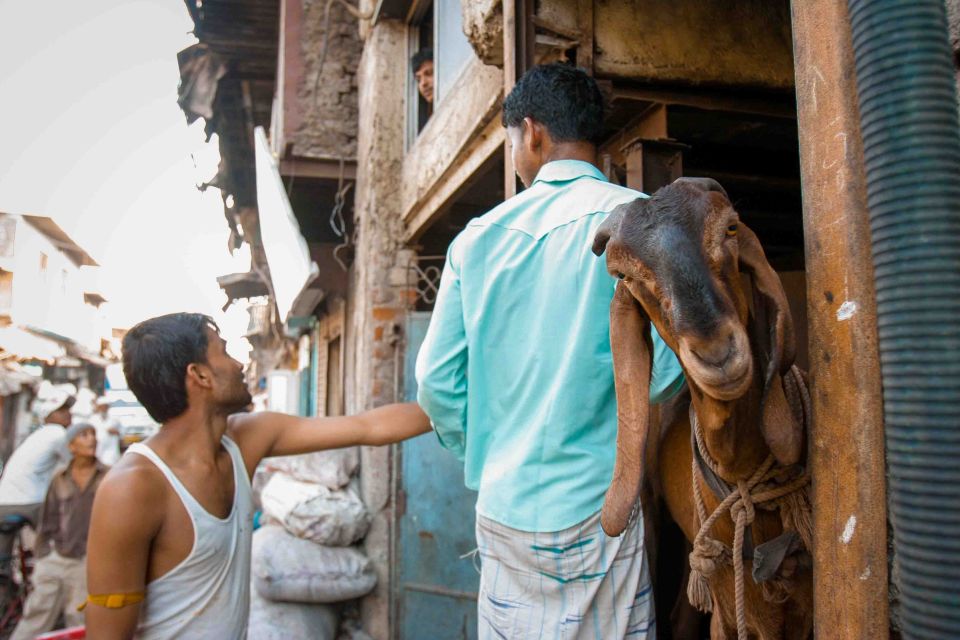
- Car transfer from Colaba saves you time and keeps the day moving
- History on the drive ties Mumbai’s textile era to what Dharavi does now
- Dhobi Ghat stop lets you see the scale of public laundry work
- One-hour lane walk focuses on real trades: recycling, pottery, embroidery, and more
- Kumbhar Wada pottery area gives you a close look at craft with long roots
- Modest dress and covered shoes keep the visit comfortable and respectful
From Colaba to Dharavi: the car transfer makes it doable
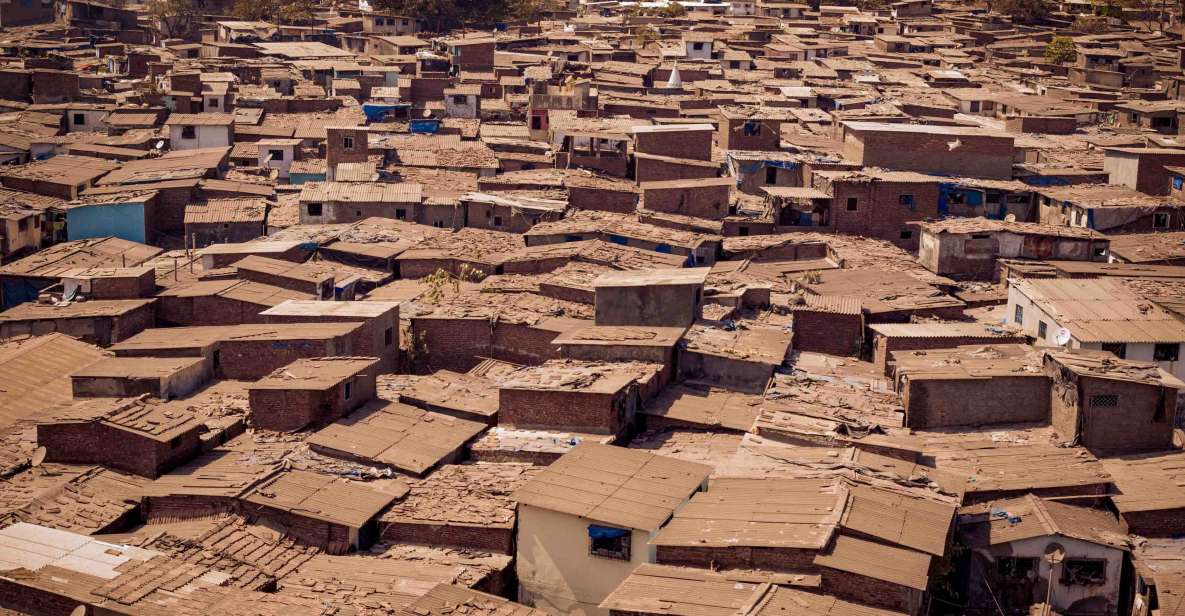
This tour starts in the Colaba area, with pickup depending on your option, and a meeting point outside Leopold Cafe on a side street off Colaba Causeway (Nowroji Fardonji Road). The big practical win is the first stretch is by car. You’re not dropped into traffic and sprinting for the right turns. Instead, you’re guided as you head north toward Dharavi.
That matters because Dharavi is not designed for visitors’ time. It’s a working place. The lanes are tight. The pace is local. When you arrive already oriented, the rest of the tour feels smoother and less overwhelming.
You’ll typically be dropped back at a Mumbai location, with Leopold Cafe listed as one of the possible end points.
You can also read our reviews of more tours and experiences in Mumbai



The drive north: textile mills and Mumbai’s changing economy

One of the most useful parts happens before you ever step out. While you ride, your English-speaking guide gives you a history lesson on Mumbai—starting with the once-crucial textile mill area you pass along the way.
Here’s why I think that context is valuable: it stops Dharavi from being treated like a single-note story. You start to understand how Mumbai’s economy changed over time, and how people adapted and built livelihoods in the spaces that remained. It also makes the later stops feel less random. When you see small-scale production and trading later, you already have the why behind it.
During the drive you also pass areas connected to Mumbai’s ongoing social issues, including Kamathipura, known for its red light area. The guide talks about it as context, not as shock value. That keeps the tour respectful and helps you understand how complex the city can be, all at once.
Dhobi Ghat and the city’s work culture in public view
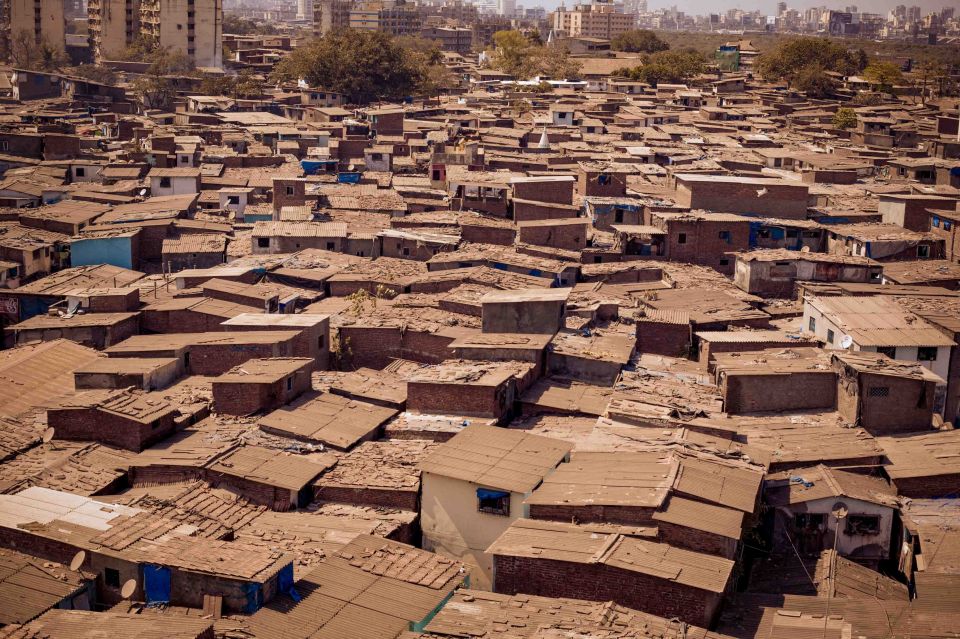
At some point during the tour, you stop at Dhobi Ghat, described as the largest open-air laundry in the world. You’re not just watching a scene. You’re seeing how everyday labor runs on scale.
This stop is a good mental bridge. Dharavi is full of small workshops and hands-on work. Dhobi Ghat shows another side of Mumbai’s working life—public, visible, and organized by people who do this every day. It also helps you notice something the tour is trying to teach: life here isn’t separate from the city. It’s part of the same system.
If you’re the type who wants clear, human-level understanding of a place, this is one of the more grounding moments.
Walking Dharavi’s lanes for one hour: seeing industry, not stereotypes
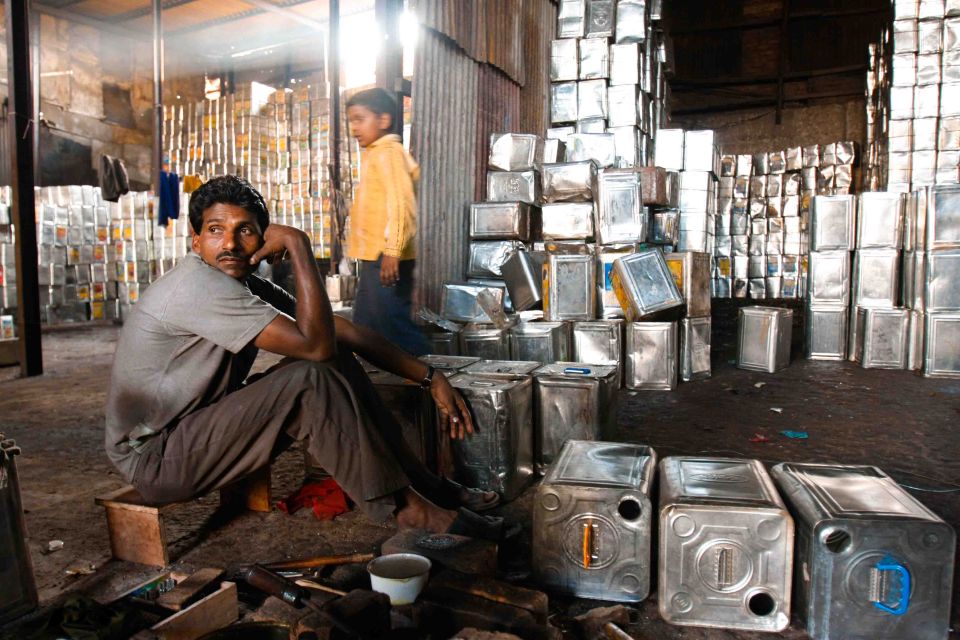
Then you get the core experience: a guided walking visit in Dharavi, about an hour on foot. This is the part many people come for, and it’s also the part that needs the right expectations.
I like how the tour frames Dharavi as Mumbai’s beating heart rather than a single label. The neighborhood is home to about one million people, and it’s also described as a major hub of small industries. You’re given numbers along the way—an annual turnover estimate of around US$665 million—so you can see that this is not just housing. It’s economic activity.
On the walk, you’ll hear about business activities such as:
- recycling
- pottery-making
- embroidery
- bakery work
- soap production
- leather tanning
- poppadom-making
…and more.
The practical takeaway for you: you should look for patterns. Watch what skills show up again and again. Pay attention to how production connects to daily life—where items move, who’s doing what, and how spaces are used efficiently. That’s the “real Dharavi” the tour wants you to notice.
One important note for comfort: the tour requests covered shoes, since some areas can be dirty. If you’re in sandals or thin sneakers with open sides, switch before you go.
Reality Gives-Mumbai: a short stop that changes how you read the street
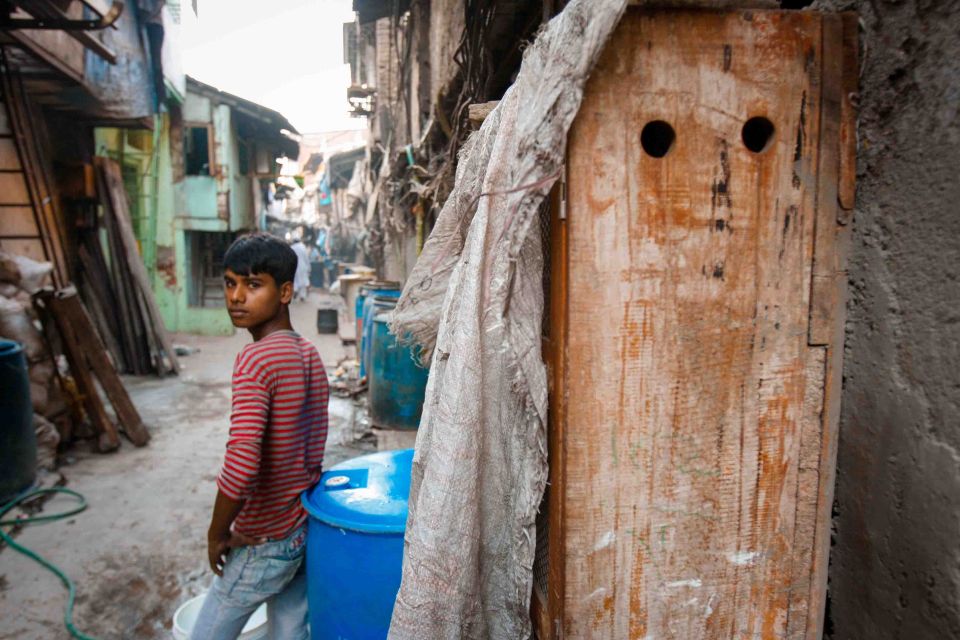
Between the longer moments, there’s a brief visit to a place called Reality Gives-Mumbai. It’s listed as a short stop—about 10 minutes—with a guided, sightseeing-style look.
With only a short time window, you won’t be asked to sit through a long talk. Instead, you get a quick orientation that can help you interpret what you’re seeing on the walk. Think of it as a pause button. You can reset your mind from “What is this?” to “What is happening, and why?”
If you like tours that keep explaining while you move, this short stop fits the flow.




Kumbhar Wada’s pottery neighborhood: 150 years of making
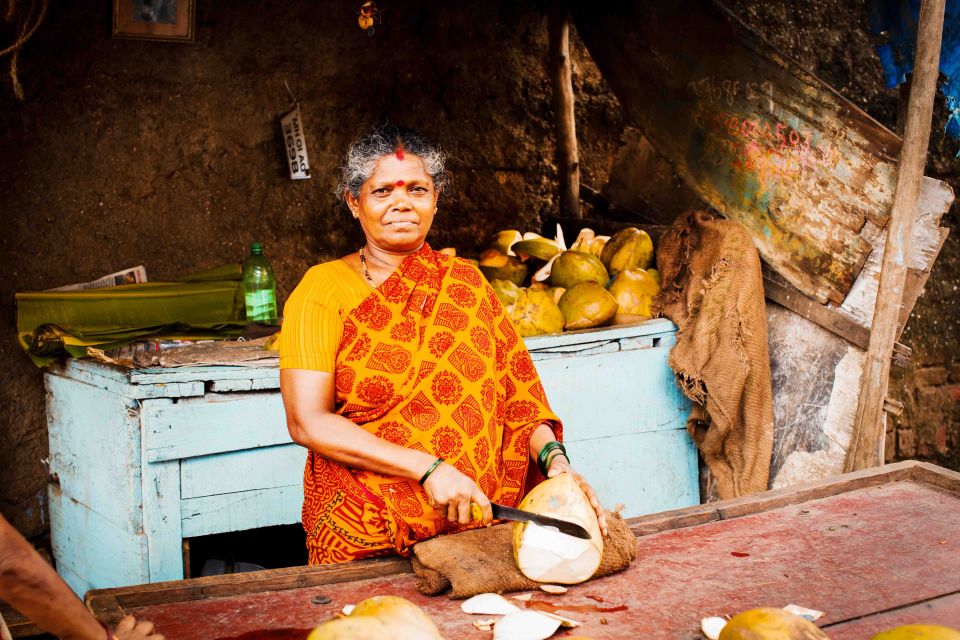
Next comes Kumbhar Wada, also spelled Kumbhar Wada, a pottery neighborhood described as around 150 years old. The stop is about 15 minutes, with guided touring and a short walk.
What makes this part special is the craft angle. Dharavi’s industries are many, but pottery is one of the most visually understandable. You can connect what you hear about production to what you can actually see—materials, process, and how a neighborhood becomes known for one trade over time.
This is the stop that tends to click for people who don’t just want stories. You’ll get something more tangible: a sense of continuity. People have made pottery here for generations, and that’s part of why the neighborhood has its identity.
If you’re someone who enjoys hands-on creativity, it’s one of the best uses of the limited time.
Price and value at $39: what you get for a 4.5-hour tour
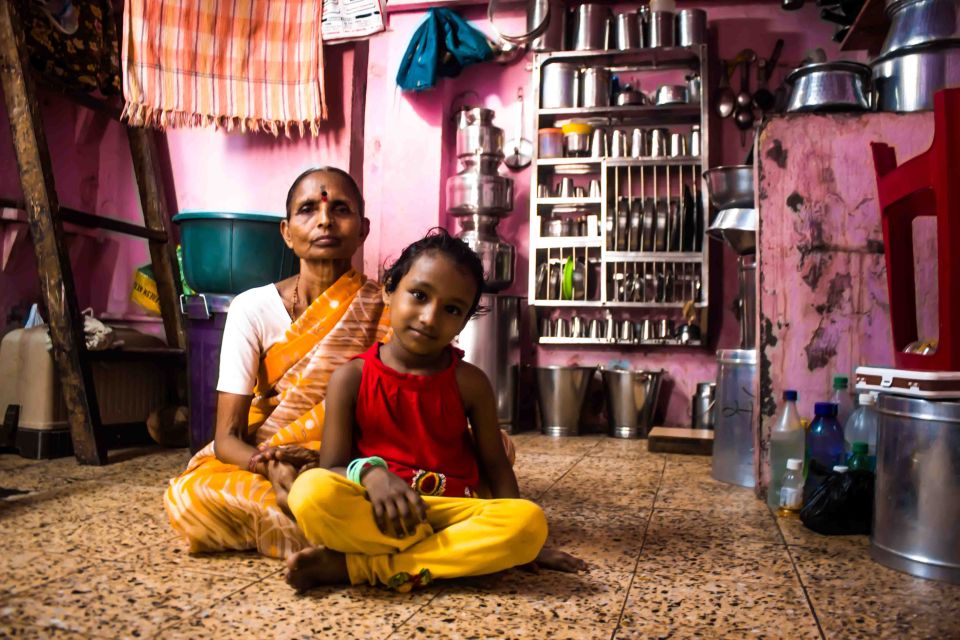
At $39 per person for about 4.5 hours, you’re paying for more than walking. You’re paying for:
- an English local guide
- hotel/residence pickup and drop-off
- water or cold drinks
- guided time through multiple Dharavi-area stops, including a car segment and short orientation visits
Food is not included, so plan your day accordingly. You’ll want a meal before you start (or after you finish) so you’re not hungry while you’re focused on learning and walking.
Is it “cheap”? It’s not a freebie, but it’s also not priced like a luxury day. For this kind of city-area tour—where logistics and guided context matter—I think it’s fair value. The guide time is the main cost driver, and you also benefit from car transfer help, which can be a big deal in this part of town.
How to prepare: shoes, modest clothes, and the no-photo rule
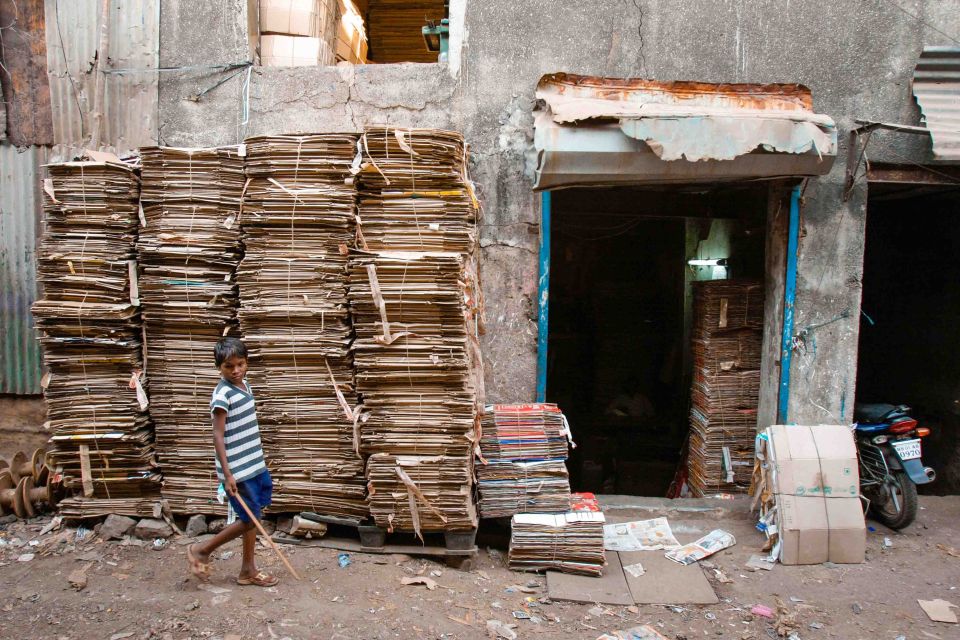
This is where you set yourself up for a smoother experience.
The tour has a strict no-photography policy while you’re in the slum. That’s for residents’ privacy. So leave the camera ready-but-off. Use your eyes instead. If you love documenting everything, that may feel frustrating at first, but it also keeps the atmosphere respectful and calm.
Dress modestly. The request is shoulders and chest covered, clothing below the knee, and nothing too tight or revealing. Add covered shoes too, because some areas can be dirty.
If you’re planning ahead, pack light. You’ll be walking through tight areas. A small day bag you can keep close and secure is usually the smart move.
Who should book this Dharavi tour with car transfer
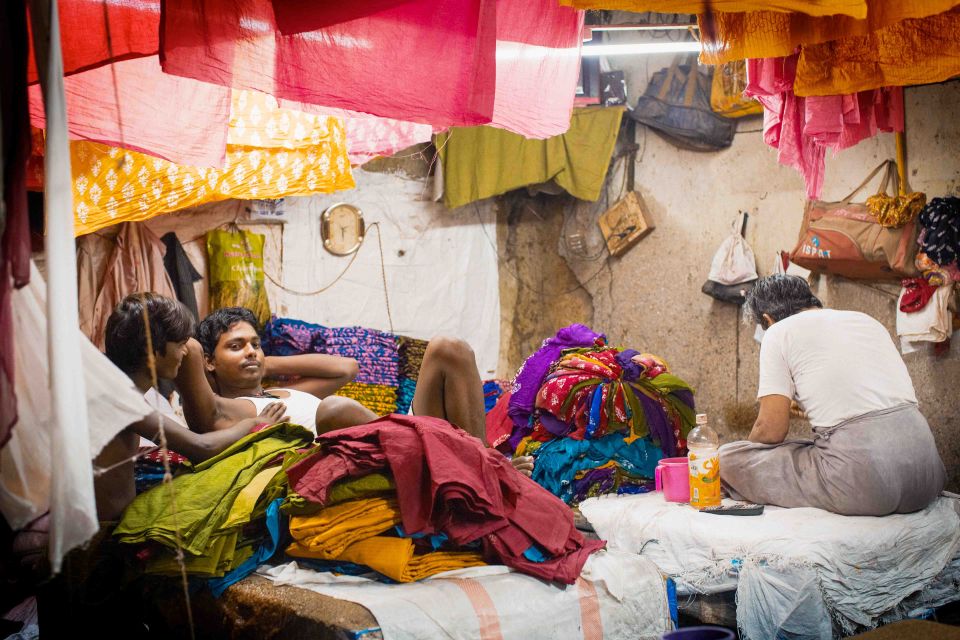
This tour fits best if you want:
- guided context, not just photos
- a respectful look at how a working neighborhood functions
- a mix of history (textile mill era) and present-day realities (Dharavi industries and social context)
- a structured route that includes Dhobi Ghat and Kumbhar Wada without you having to figure it out yourself
It’s also worth considering if you appreciate practical accessibility in planning. In one past booking experience noted in the feedback, the provider made an effort to support a deaf visitor by arranging a deaf guide resource when needed. That doesn’t mean every visit will be identical, but it signals the team tries to handle real needs rather than ignore them.
If you hate walking, you might find the hour on foot challenging. But with comfortable shoes and a steady pace, it’s doable for most people who can handle city streets.
Should you book this tour, or pass?
Book it if you want Dharavi explained in human terms: industry, daily work, and Mumbai’s changing economy—plus stops like Dhobi Ghat and Kumbhar Wada that make the story visible.
Consider passing if:
- you need to take photos during the visit, because the no-photo rule inside the slum is strict
- you’re not comfortable with modest-dress expectations and covered footwear
- you want a long, slow sightseeing day rather than a guided 4.5-hour route
If you’re ready to trade your camera for attention and you’re up for a respectful, guided walk, this is a strong way to understand Dharavi as more than a headline.
FAQ
How long is the Dharavi tour with car transfer?
The tour lasts 4.5 hours.
What is the price per person?
It costs $39 per person.
Is the tour guided in English?
Yes. You’ll have a live English-speaking guide.
Where is the meeting point?
You meet outside Leopold Cafe on the side street Nowroji Fardonji Road, off Colaba Causeway.
Does the tour include hotel pickup and drop-off?
Yes. Hotel or residence pickup and drop-off are included, with pickup optional depending on your selection.
What stops are included during the tour?
The tour includes a visit and guided walk in Dharavi, a short stop at Reality Gives-Mumbai, a stop/walk in Kumbhar Wada, and a stop at Dhobi Ghat.
Is food included?
No. Food is not included.
Are drinks included?
Yes. Water and cold drinks are included.
Are photos allowed in Dharavi?
No. There is a strict no-photography policy while in the slum.
What should I wear?
Wear comfortable clothes, dress modestly (covered shoulders and chest, clothing below the knee), and bring covered shoes.