Mumbai changes when you follow stories. I like the private pacing and the fact that the guide turns architecture and street scenes into a timeline you can actually picture. One thing to watch: if your guide runs late, the day can feel rushed, and you may not see every “hidden” stop promised in the description.
This is the kind of tour where you start at the big landmark everyone knows and then walk into the smaller places that explain how Bombay became Mumbai. I especially like when the guide drops names and details you can’t get from a signboard, like the work Nisar put into connecting colonial buildings to the city’s later independence-era energy, plus the practical photo stops along the way.
In This Review
- Key Highlights You’ll Feel on the Walk
- Why This Story-Driven Heritage Walk Works
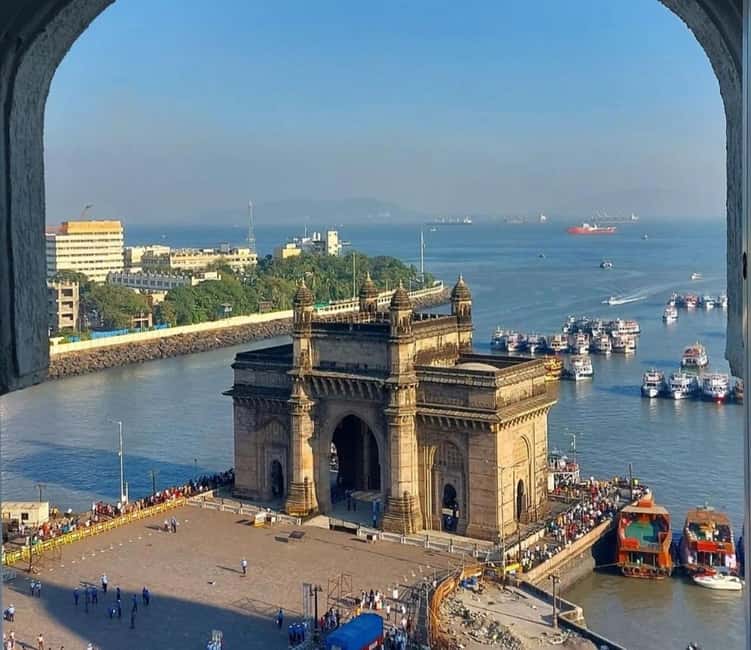
- The Gateway of India Start: British Arrival to British Exit
- Taj Mahal Palace, Yacht Club, and Colaba Causeway With Real Meaning
- Old Bazaars, Spice Markets, and Step Wells You Don’t Expect
- Hidden Colonial Courtyards and the Promise to Watch Carefully
- The Secret Parsi Café Stop and Why the Chai Matters
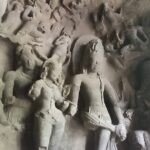
- The Ferry Ride and the Elephanta Caves Entrance Note
- Finishing at Marine Drive: A Quiet Reflect Moment
- Price and Value: What $10 Really Buys You
- How Long It Really Takes (2.5 to 6 Hours)
- Who This Tour Suits Best
- Should You Book This Mumbai Heritage Walk?
- FAQ
- What’s the duration of the Stories of Mumbai heritage walk?
- How much does the tour cost?
- Is it a private tour?
- Where does the tour start and where does it end?
- What’s included?
- Is the Elephanta caves entrance included?
- Is there an English-speaking guide?
- Do I need to buy tickets for the tour stops?
Key Highlights You’ll Feel on the Walk
- Gateway of India to Marine Drive: a story arc from British arrival and departure to the modern city view
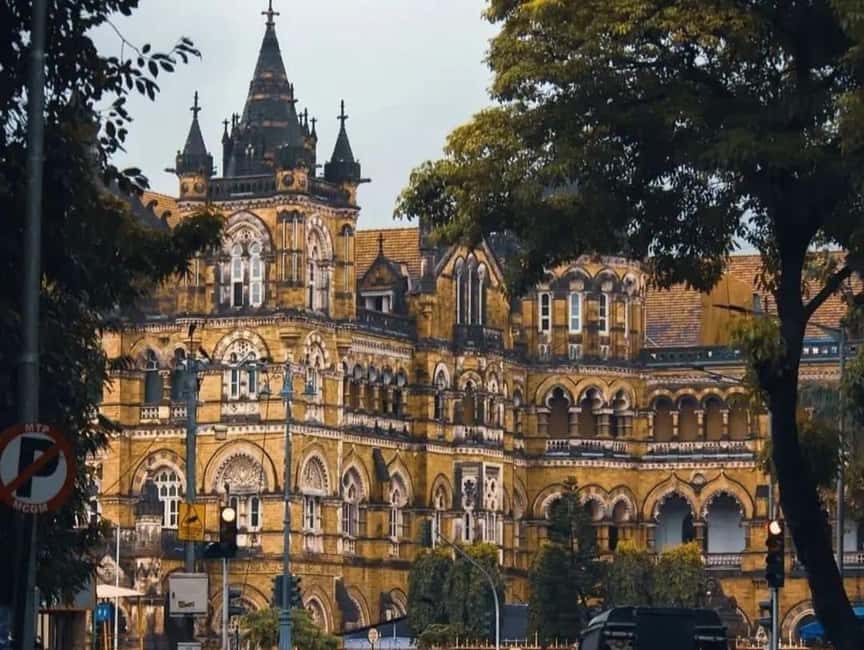
- Colonial landmarks with context: places like the Taj Mahal Palace Hotel, Royal Bombay Yacht Club, and Colaba Causeway explained in plain language
- Bazaars, spice markets, and step wells: street-level history that fits how you’d explore on your own
- A secret Parsi café moment with included chai that keeps the walk from feeling like homework
- A private group with flexible timing across a 2.5 to 6 hour window
- A ferry ride included, with an important note: Elephanta caves entrance isn’t part of the package
Why This Story-Driven Heritage Walk Works
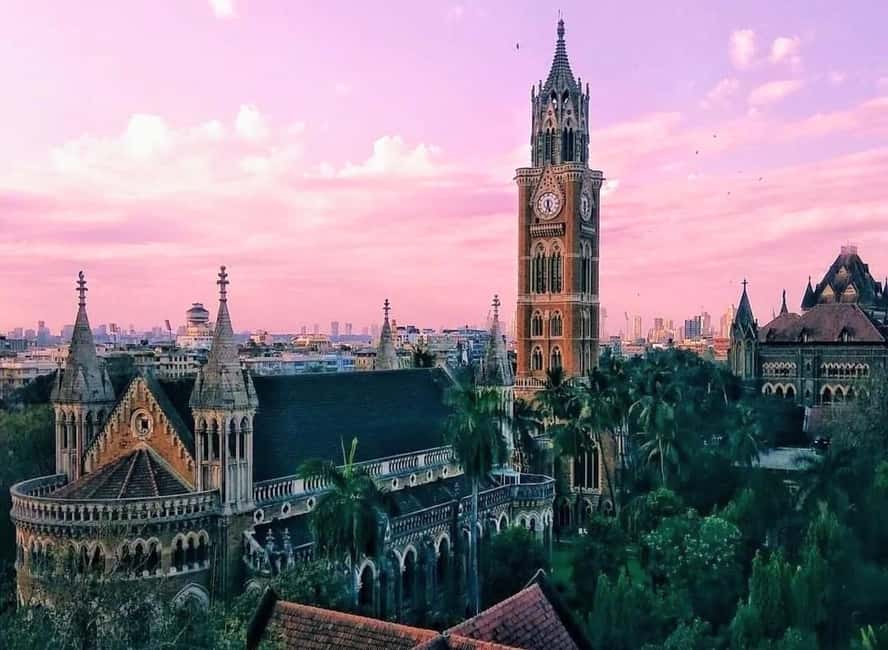
Mumbai is a city of layers. This tour’s strength is that it doesn’t treat those layers like a museum display. Instead, the guide connects changes over centuries—colonial Bombay to today—using what you can see on the street: buildings, markets, courtyards, and the way people move through the city.
I also like the format because it’s built for conversation. You’re not trapped in a rigid lecture. Since it’s a private experience, you can slow down for photos, spend extra time at a spot that grabs you, or ask why a place looks the way it does. That flexibility matters in Mumbai, where weather and crowd flow can change your walking rhythm fast.
The value angle is simple: you’re paying for a person who can turn landmarks into meaning. If you want architecture and street life with a human voice—plus practical stops for photos—this is the kind of walk that fits.
You can also read our reviews of more walking tours in Mumbai
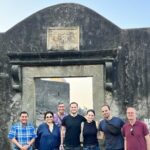
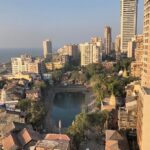
The Gateway of India Start: British Arrival to British Exit
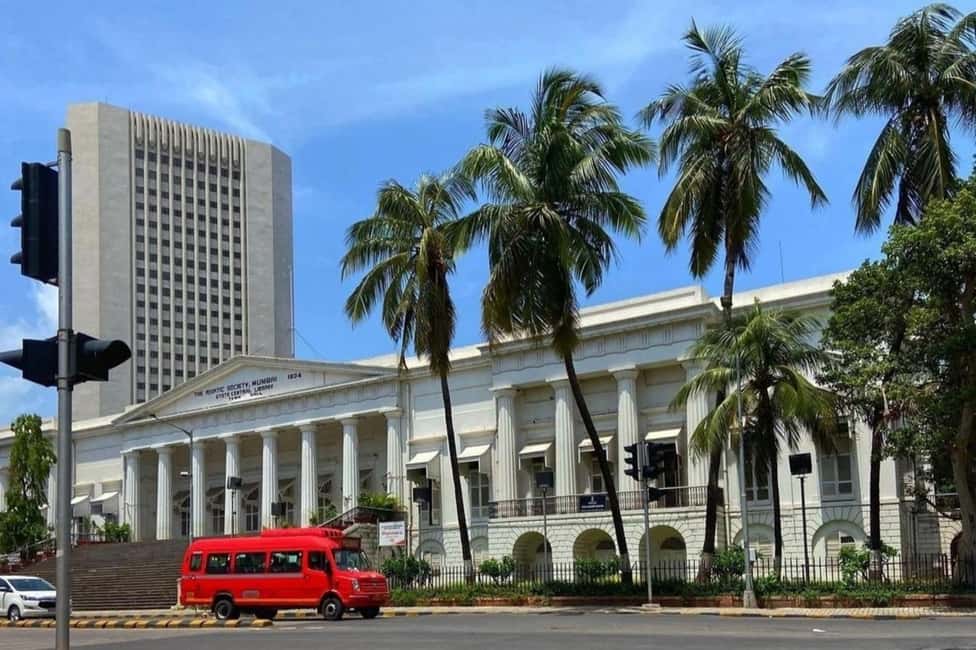
You’ll begin at the Gateway of India, a point that instantly sets the colonial-to-modern theme. The guide frames it as more than a monument: it’s where the British first landed, and later where they departed—basically the end of an era, not just the start of a photo session.
From there, the walk starts to feel like a chain of cause and effect. The story moves through Bombay as a mercantile port city—how trade shaped neighborhoods and architecture. This matters because Mumbai isn’t only “old versus new.” It’s old trade routes and new money layers sitting side by side.
Practical tip: bring your camera, but also take a moment to stand back from the crowds and orient yourself. The rest of the route makes more sense once you understand how Colaba and the waterfront connect.
Taj Mahal Palace, Yacht Club, and Colaba Causeway With Real Meaning
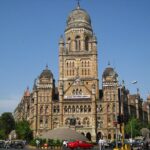
The next stretch focuses on heritage buildings and what they signaled about the city. You’ll pass or visit major landmarks such as the Taj Mahal Palace Hotel and the Royal Bombay Yacht Club, and you’ll walk through the area around Colaba Causeway.
What I like here is the translation. These are famous buildings, but the real value is the explanation of how they fit into Bombay’s role as a trade hub and how those networks later intersected with the independence movement. You’re not just seeing big names—you’re learning why they mattered to the city’s power and wealth.
A word of caution: in this part of Mumbai, you’ll likely deal with busy streets and frequent stops. If your guide is moving quickly, you may want to ask directly: Can we spend a couple extra minutes at this building so I can photograph details like entrances, facades, or signage? A good guide will slow down for that.
Old Bazaars, Spice Markets, and Step Wells You Don’t Expect
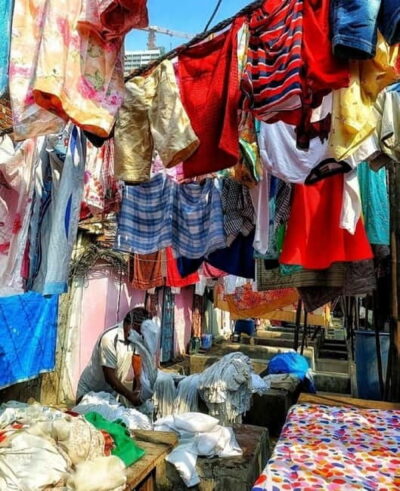
Then the tour shifts into places that feel less like a checklist and more like the way people actually live. You’ll head toward older districts and areas connected to trade, including old bazaars and spice markets.
The step wells are a highlight in a very specific way. Even if you know Mumbai is water-stressed like many cities, seeing old water architecture helps you understand how daily life shaped design. It’s history you can interpret with your own eyes: what people built to survive, store water, and manage the city’s rhythms.
Why this part is worth it: bazaars and water structures show you the city’s logic. They explain why certain streets developed as they did and how commerce left a physical imprint.
Practical tip for photos: shoot at different angles. From street level, you’ll miss architectural details. If the guide pauses, take 20 seconds and look up, then down, then across.
Hidden Colonial Courtyards and the Promise to Watch Carefully
The description emphasizes hidden stops and colonial courtyards rarely included in standard city tours. That’s exactly the kind of thing that makes a guided walk more valuable than going solo.
But there’s a real-world consideration. One disappointing experience reported a route that didn’t include the courtyards and “hidden gems” that were mentioned, plus the pacing felt rushed. That doesn’t mean this happens every time—but it’s enough to make me recommend a simple check before you book.
When you confirm your meeting point and starting time, ask what the core “courtyard” stops are. If you’re booking with the expectation of those quieter spaces, get clarity early so there are no surprises later.
You can also read our reviews of more historical tours in Mumbai



The Secret Parsi Café Stop and Why the Chai Matters
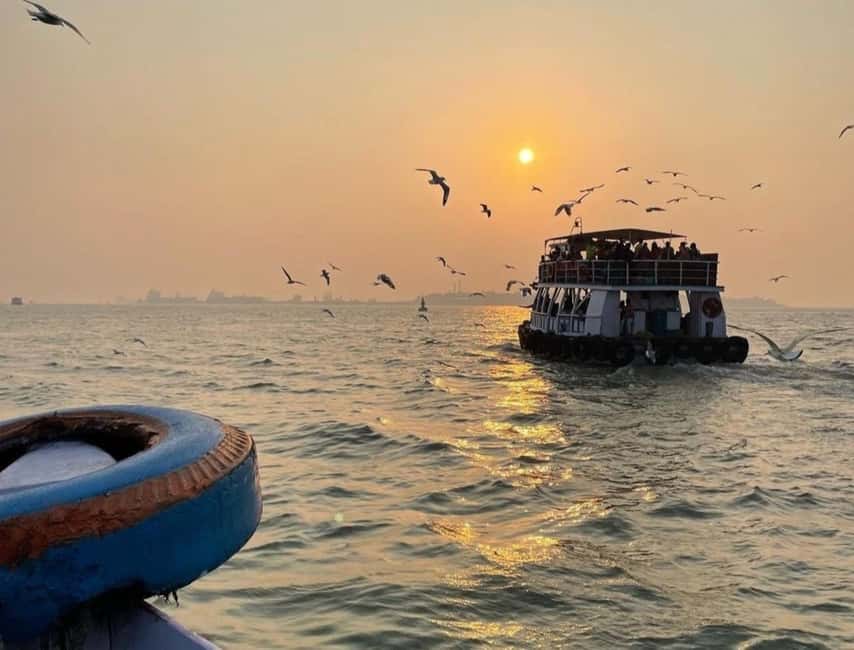
Mid-walk, you’ll stop at a café and get included chai. There’s something practical about this break in Mumbai: it turns a walking tour into a pause you can feel. It also supports the tour’s storytelling approach—because the guide can connect culture and community to the places where people actually gather.
You’re also told to expect a secret Parsi café stop. That’s a strong signal that the tour aims to go beyond monuments and into community spaces. If you’re the type who loves architecture but also wants to taste the city’s social life, this is usually the moment that makes the day feel personal rather than crowded.
Tip: if you’re sensitive to caffeine, pace yourself. Chai is included, so you’ll have plenty of time to recharge before the next walking segment.
The Ferry Ride and the Elephanta Caves Entrance Note
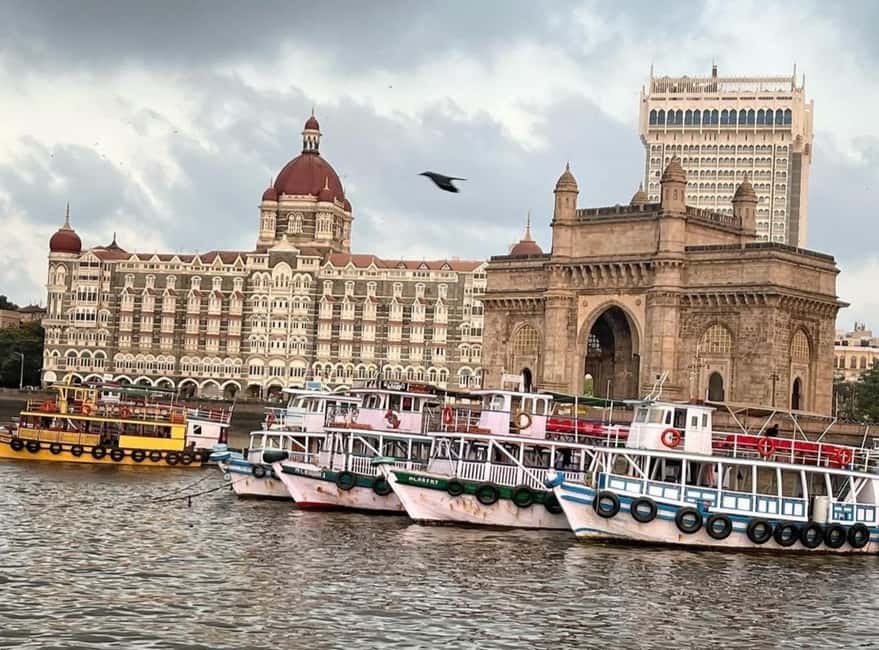
You’ll include a ferry as part of the tour. That’s important because it changes your perspective: coastal Mumbai feels different when you view it from water, and it helps connect the colonial waterfront story to the city skyline.
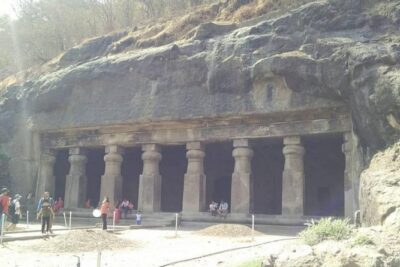
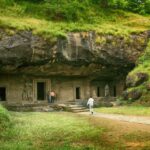
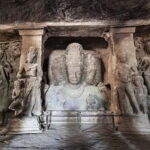
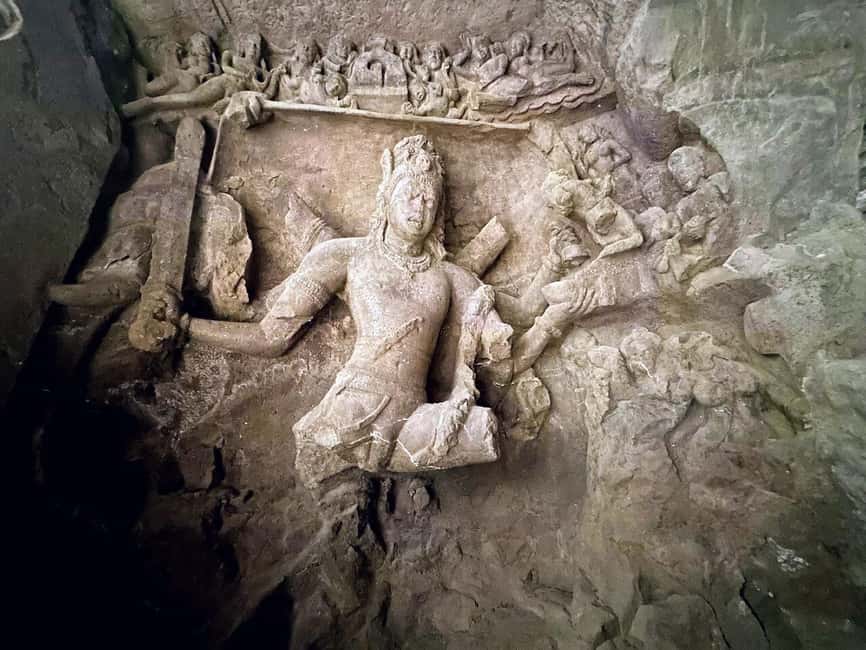
One key detail: Elephanta caves entrance isn’t included. That means the ferry component may be positioned as part of the harbor experience rather than a full cave visit package. If you specifically want Elephanta caves, plan for separate entrance arrangements.
Practical advice: if you’re aiming for the ferry segment, wear shoes you can manage on board and watch for wind around the water. Light winds can feel cooler than you expect.
Finishing at Marine Drive: A Quiet Reflect Moment
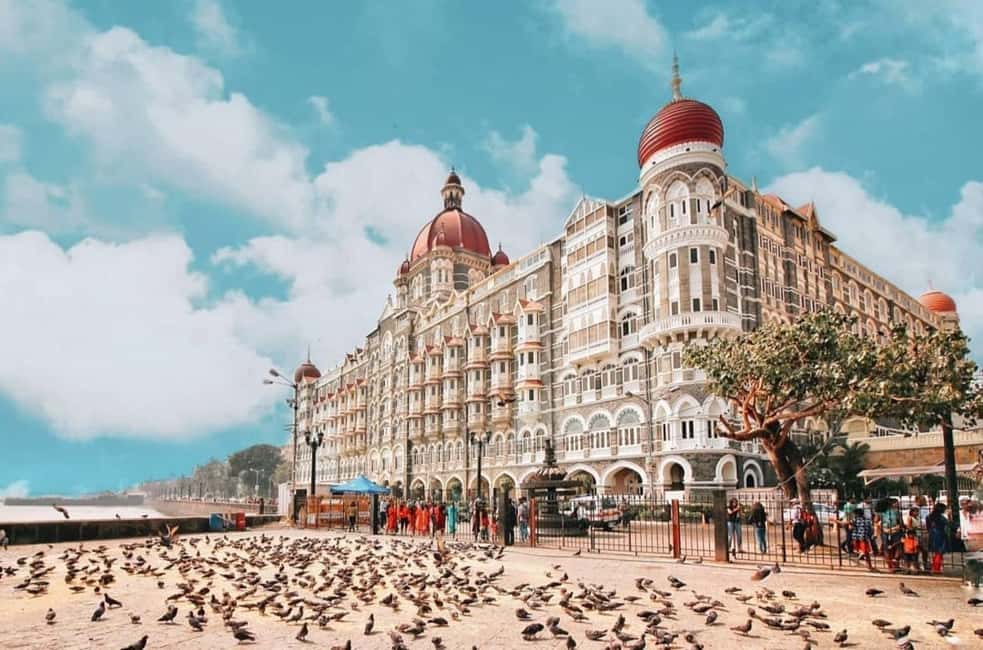
The tour ends with a reflective stop at Marine Drive. It’s a fitting wrap because Marine Drive is one of the places where Mumbai feels modern and cinematic, especially as evening light plays across the seafront.
The guide ties it back to the big arc: from a cluster of fishing villages to India’s financial capital. Whether you’ve been to Mumbai before or it’s your first time, that ending helps your brain file the city into one story instead of 20 disconnected sights.
Photo tip: come prepared for changeable weather. Clouds can make the waterfront dramatic; sun can make it glossy. Either way, take a few minutes to sit or stand quietly before you move on.
Price and Value: What $10 Really Buys You
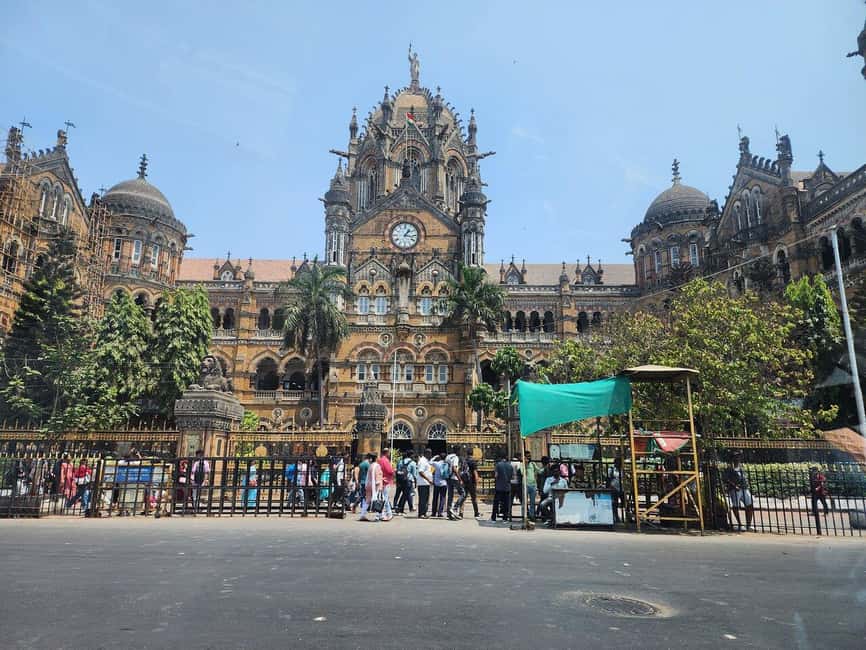
At about $10 per person, this tour is priced as an accessible heritage experience. For that price, you’re not just buying time at famous locations. You’re buying:
- a professional English-speaking guide
- pickup and drop-off for a private tour
- bottled water
- chai
- a ferry component
- local taxes
That’s why the value depends heavily on execution. When the guide delivers the intended pacing and hits the described stops, it becomes a very fair trade. When the guide is late or cuts corners, you can feel like the day is paying for movement rather than story.
My practical takeaway: treat this as a “guide quality + timing” purchase. If you can tolerate a slower pace due to weather and traffic, it’s a smart deal. If you’re on a strict schedule, build in a buffer.
How Long It Really Takes (2.5 to 6 Hours)
The tour runs 2.5 to 6 hours, and that range usually matters in Mumbai. Weather, crowd flow, and how long the guide spends at each stop can shift your day.
If you’re a photographer, the longer end of the schedule is worth it because you’ll want time for detailed shots at buildings and street-level textures at bazaars. If you’re more focused on storytelling and context, the shorter end might still feel complete—especially with the chai break and the Marine Drive finish.
Either way, wear comfortable shoes. You’ll be walking.
Who This Tour Suits Best
This is a good match if you want Mumbai through connections: colonial landmarks linked to trade, markets linked to daily life, and architecture linked to community memory. It also fits:
- history lovers who like their facts tied to place
- photographers who want a route with meaningful pauses
- culture enthusiasts who enjoy markets and café moments, not only monuments
It may be less satisfying if you only want quick scenic stops or if you’re strict about covering every listed type of “hidden” place. In that case, ask directly what’s included on your specific departure time and confirm priorities like courtyards and café stops.
Should You Book This Mumbai Heritage Walk?
I’d book it if you enjoy story-first walking tours and want a private guide who can connect the British-era frame to Mumbai’s present day. The chai stop, the ferry component, and the ending at Marine Drive make it feel like a full arc instead of a few photos and done.
I’d also book it with one condition: plan with flexibility. Mumbai timing can be unpredictable, and one account described a late guide and a rushed experience that didn’t match expectations about courtyards and storytelling. A small amount of flexibility on your side usually turns this into a memorable walk instead of a frustrating one.
If you’re comfortable asking your guide early about your top stops, you’ll get the best version of what this tour promises.
FAQ
What’s the duration of the Stories of Mumbai heritage walk?
It lasts between 2.5 and 6 hours, depending on the option and the starting time available.
How much does the tour cost?
The price is $10 per person.
Is it a private tour?
Yes, a private group experience is available, with pickup and drop-off.
Where does the tour start and where does it end?
It starts at the Gateway of India and ends at Marine Drive. The meeting point can vary depending on the option booked.
What’s included?
Included items are a professional English-speaking guide, pickup and drop-off, bottled water, chai at a local café, and a ferry, plus local taxes.
Is the Elephanta caves entrance included?
No. Elephanta caves entrance is not included.
Is there an English-speaking guide?
Yes, the tour guide speaks English.
Do I need to buy tickets for the tour stops?
The activity indicates you can skip the ticket line, but specific ticket costs for places like Elephanta caves are not included.
—
If you tell me your travel dates and whether you want the quickest route or the most photo time, I can help you choose the better duration window.