REVIEW · MUMBAI MARKETS & BAZAAR TOURS
Mumbai: Magical Markets Tour
Book on GetYourGuide →Operated by Yo Tours · Bookable on GetYourGuide
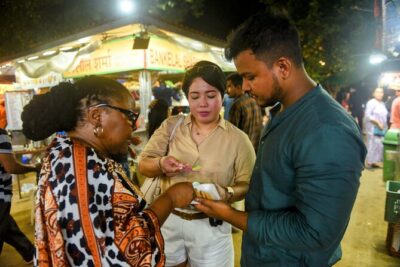
Markets tell Mumbai’s real story. This market-focused 2-hour walk ties temples, lanes, and trade streets into one route, guided step by step so you know what you’re actually looking at. I love Zaveri Bazaar for the jewelry glow, and I love the masala chai break in a clay cup, but the crowds mean you need to be comfortable with close, busy streets.
You’ll start at Café Coffee Day near Noor Fort, then move through older market areas and finish near Shri Mumbadevi Temple. The guide support is in English and Hindi, and the tour runs rain or shine—so bring sunscreen, a hat, and shoes you can handle on.
In This Review
- Quick hits
- How this Mumbai market walk gives you more than shopping
- Meeting at Café Coffee Day near Noor Fort, then heading into temple country
- Bhuleshwar Market: your crash course in what daily life buys
- Mumba Devi Temple: why the city’s name shows up in everyday worship
- Zaveri Bazaar and Kalbadevi lanes: jewelry first, then the side streets
- Chor Bazaar for antiques and furniture: slow wandering is the game
- Mangaldas Market and the silk-and-cloth feel
- Crawford Market: architecture + edible souvenirs in one place
- Price and logistics: why $18 for 2 hours can be a smart deal
- What to bring (so your chai doesn’t turn into a bad day)
- Who should book this (and who should skip it)
- A quick word on shopping and expectations
- Should you book the Magical Mumbai Markets Tour?
- FAQ
- How long is the Mumbai Magical Markets Tour?
- How much does the tour cost?
- Where do I meet for the tour?
- What languages does the guide speak?
- Do I need to bring anything?
- Is a water bottle included?
- Does the tour run in the rain?
- Can I bring luggage or large bags?
- Is this tour suitable for wheelchair users or pregnant women?
Quick hits
- Old-market “read the signs” guidance: you don’t just shop-sightsee; you learn what each aisle is for.
- Zaveri Bazaar: the largest jewelry market in Mumbai, where you’ll see gold, stones, and dazzling ornaments up close.
- Bhuleshwar Market stop: fruit and veg, pooja supplies, rose petals, imitation jewelry, and everyday household goods in one sweep.
- Chor Bazaar for antiques and furniture: the kind of place you wander slowly because you’ll spot something unusual every few turns.
- Crawford Market architecture plus food: Gothic and Romanesque design around stalls with produce, imported cheese, and homemade chocolate.
- Private-group pace: you can ask questions and get practical local tips without feeling rushed.
How this Mumbai market walk gives you more than shopping
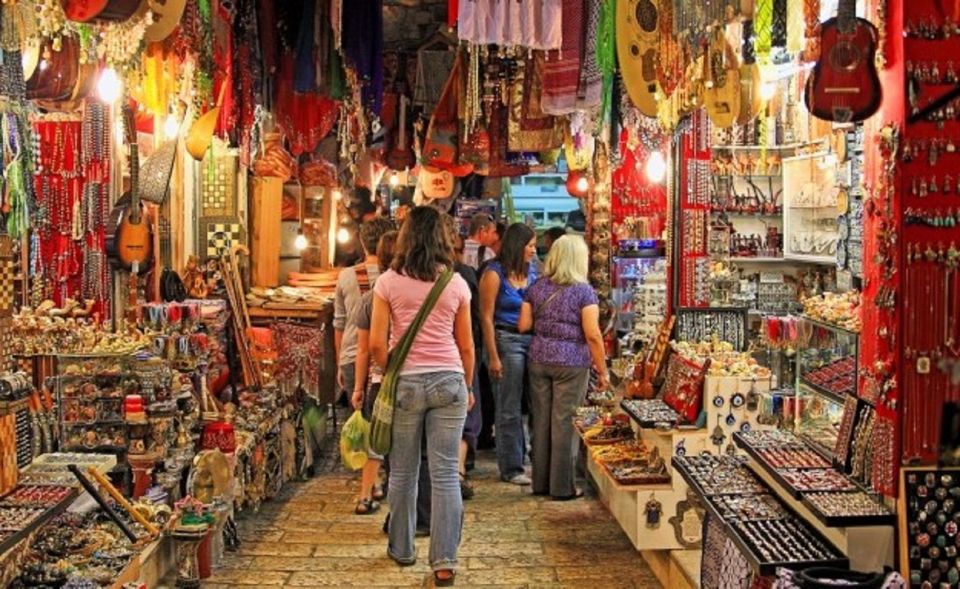
Mumbai markets are loud, crowded, and full of clues. The value here is that a guide helps you connect those clues to meaning—what people buy, why certain items are grouped together, and how temples and markets sit side-by-side in daily life.
This is a short outing by design. In two hours you’ll cover a lot of ground on foot, but the stops are close enough that you can actually look, ask questions, and move on without feeling trapped in one place.
One more note: this is not a museum route. You’re walking through working markets. That means smells, sounds, and quick interactions. If that makes you nervous, choose a calmer time of day and be ready to slow your pace just enough to keep your balance.
You can also read our reviews of more tours and experiences in Mumbai.


Meeting at Café Coffee Day near Noor Fort, then heading into temple country
You’ll meet at Café Coffee Day in the VT Capital Cinema Building, Noor Fort. It’s an easy anchor point, and it puts you close enough to central South Mumbai roads to keep the walk efficient.
From there, you begin at Shri Swaminarayan Mandir Vadtal, described as the headquarters of the Shri Laxmi-Narayan Dev Gadi. This matters because it sets a spiritual context early. Markets here aren’t separate from religion; they often feed it—think pooja items, flowers, and everyday offerings that people pick up on the way through.
Practical tip: start with patience. Even a short walk into temples can feel like a gear shift—less street shopping energy, more respectful pace. If you’re unsure about what to do, follow your guide’s lead on where to stand, how to move, and when photography may be limited.
Bhuleshwar Market: your crash course in what daily life buys
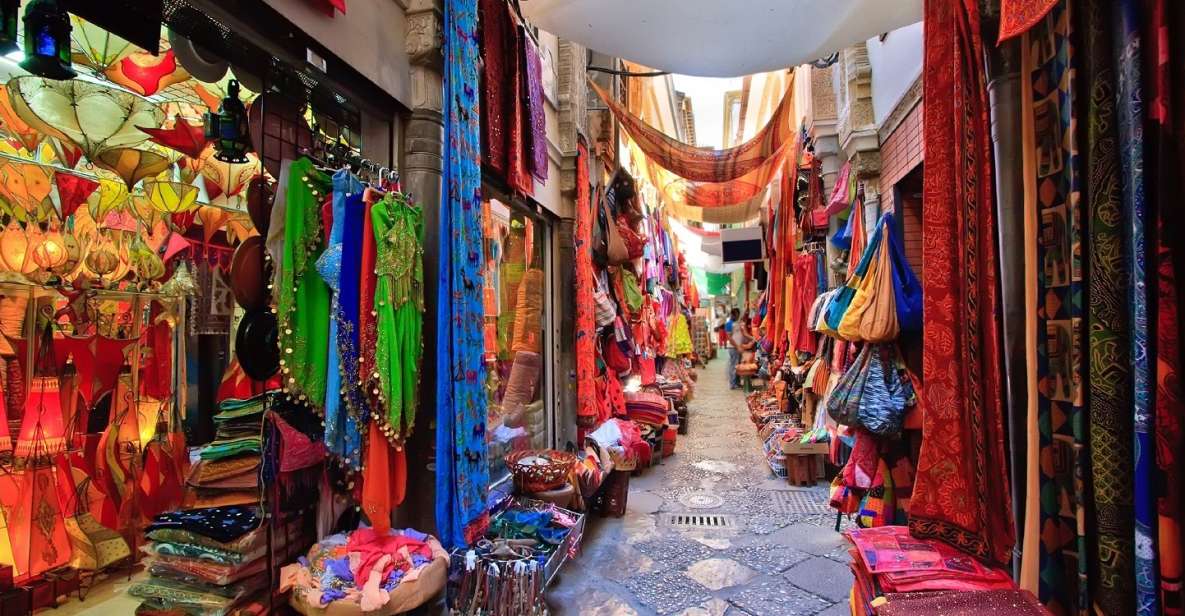
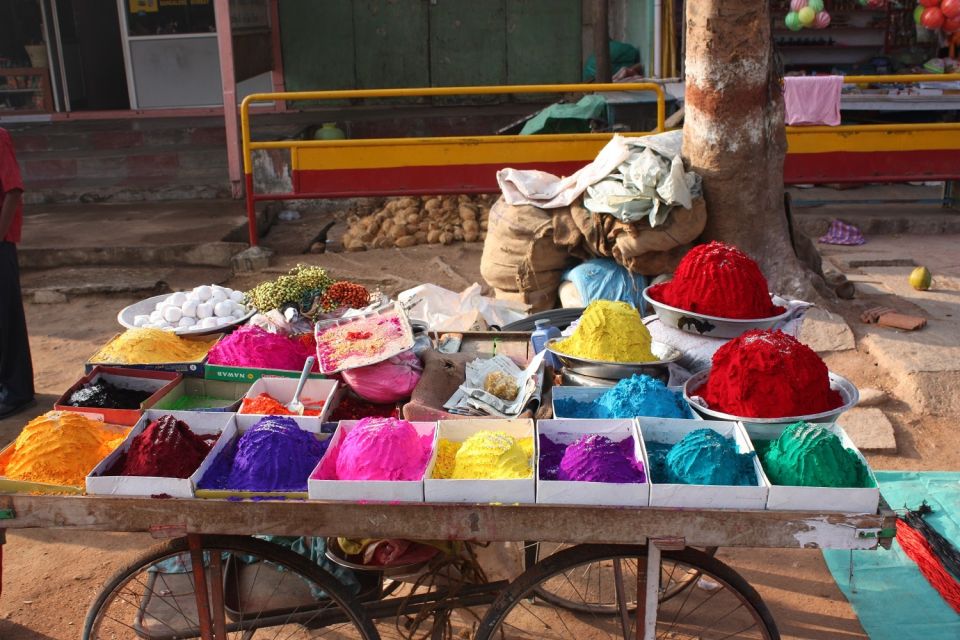
Next comes Bhuleshwar Market, and it’s exactly what it sounds like: a place with everything. You’ll move through lanes where you can spot fruits and vegetables, imitation jewelry, religious and pooja items, rose petals, household goods, and cloth accessories.
What I like about this stop is the way it teaches you to look past the surface. Instead of treating it like one big souvenir store, you start seeing how the market is organized around real needs—food, worship supplies, gifts, and home maintenance.
Things to watch for:
- Some shops only accept cash, so having smaller bills helps.
- Crowds can thicken during festivals, making navigation slower and tighter.
- If you need photos, remember that photography inside temples may be restricted, so ask your guide before you lift your phone.
Mumba Devi Temple: why the city’s name shows up in everyday worship
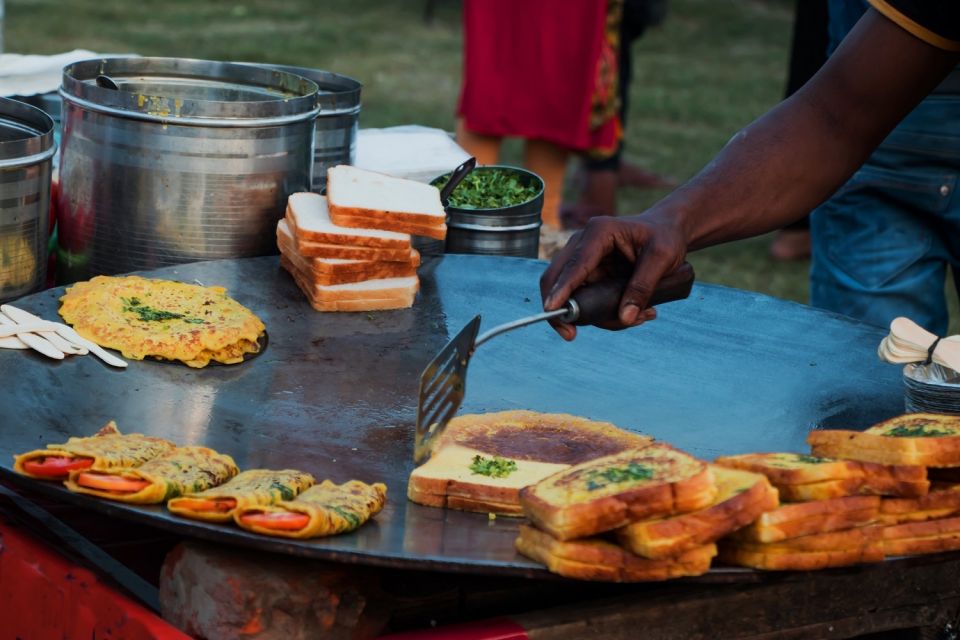
After the market energy, you’ll visit Mumba Devi Temple—the site connected to how the city got its name. This stop gives you a quick cultural foundation that makes the rest of the walk feel less random.
You’ll also end the tour near Shri Mumbadevi Temple, so the theme comes full circle. Even if you’re not a hardcore history person, it helps to have one human scale story you can carry with you while you’re surrounded by trade.
Tip: temples are where people slow down. Dress and behave accordingly, and be flexible with your timing. It’s a walking tour, but temple visits don’t always move at the same pace as market browsing.
Zaveri Bazaar and Kalbadevi lanes: jewelry first, then the side streets
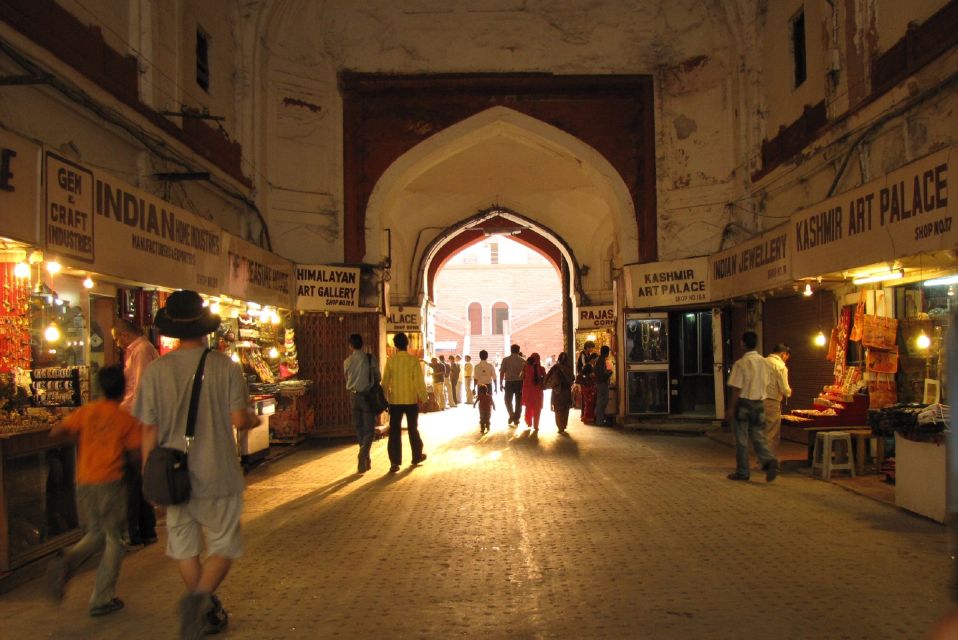
Then you hit Zaveri Bazaar, highlighted as the largest jewelry market in Mumbai. This is where you’ll see ornaments, jewelry, glittering gold, and stones in concentrated displays. If you’re into craftsmanship—or even just fascinated by scale—this is a big visual payoff.
Why it’s worth doing as part of a guided walk: a guide can explain what you’re seeing (and what to ask about if you’re curious). Without that, it can feel like a single long jewelry showroom. With it, you start noticing patterns—styles, materials, and how different stalls present their wares.
After Zaveri, you pass through Kalbadevi, including a short stretch for scenic views along the way. The point isn’t a long sightseeing detour. It’s a mental reset: one breather between heavy retail stops so your eyes can re-focus before the next market zone.





Chor Bazaar for antiques and furniture: slow wandering is the game
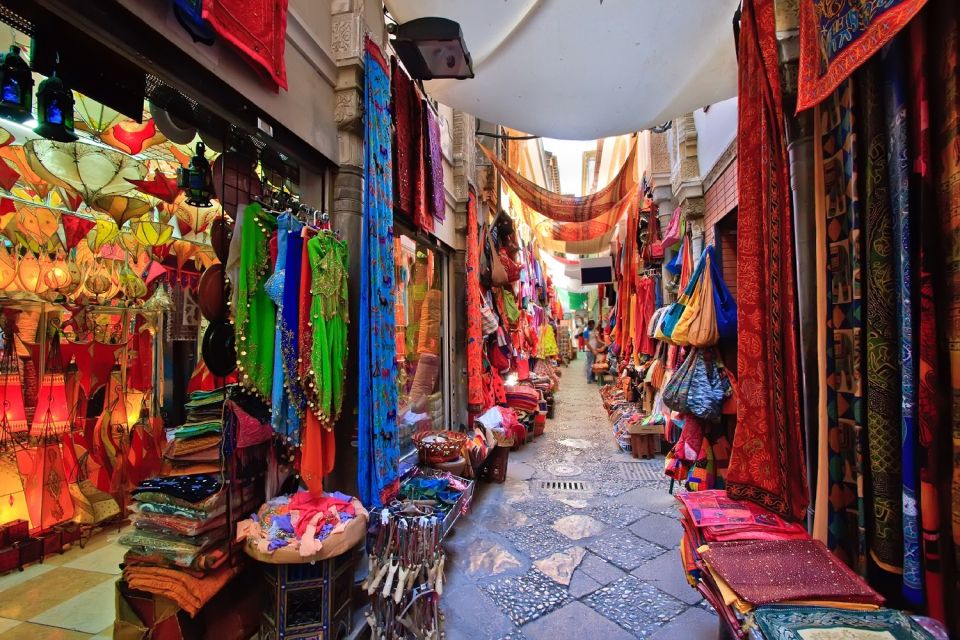
Next up is Chor Bazaar, famous for antiques and furniture. This is a different kind of browsing than jewelry or cloth. Instead of focusing on price tags and shiny objects, you’re scanning for character—old items, odd finds, and furniture that looks like it has stories.
This is also where a guide helps you avoid dead-end wandering. You’ll keep moving through the right lanes so you don’t miss the areas where interesting pieces show up.
If you’re sensitive to shopping pressure, be clear early. Keep your intent simple: browsing is fine. Ask your guide how much time you’ll spend just looking versus stopping inside specific shops.
Mangaldas Market and the silk-and-cloth feel
After Chor Bazaar, you’ll reach Mangaldas Market, known for silk and cloth and opened in 1893. The age of the place matters, because it signals continuity. This isn’t only about selling today—it’s about a long-standing trade route style of market life.
This stop works well if you like textures and details. Cloth markets are about touch and variety, and even if you don’t buy, you’ll see why people come back for certain materials, colors, and qualities.
Practical reminder: markets are not always the most comfortable environment for long pauses. Stay flexible, keep water/food needs in mind, and let the guide set the tempo so you finish before your energy drops.
Crawford Market: architecture + edible souvenirs in one place
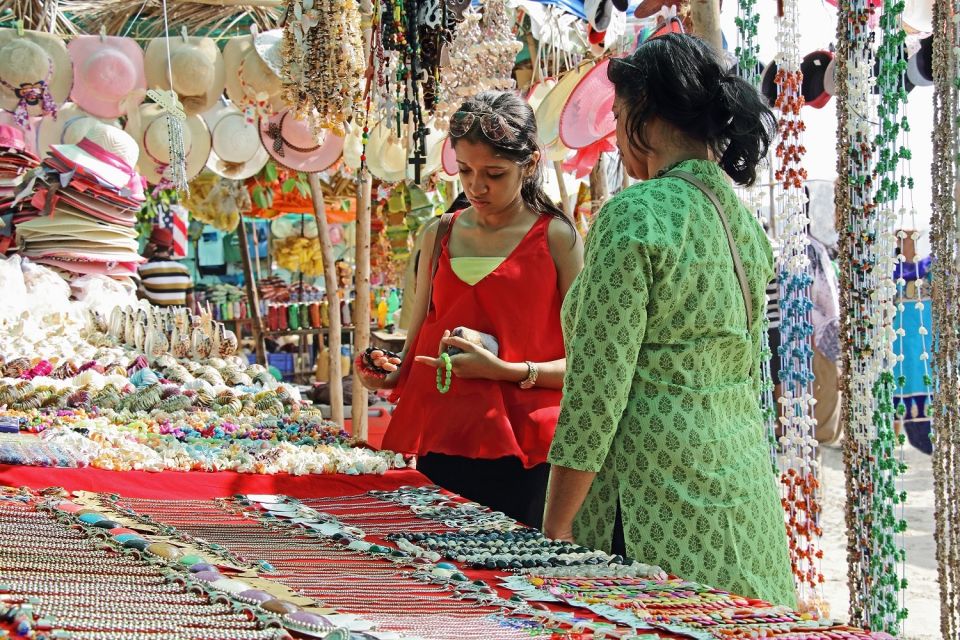
You’ll wrap up at Crawford Market, described as South Mumbai’s most famous market. This is a great finishing stop because it pairs visual beauty with easy, everyday food browsing.
The building is known for Gothic and Romanesque architectural style. Then inside and around it, the market choices turn practical and delicious: fruits and vegetables, imported cheese, and homemade chocolate.
This is your “I get it now” moment. Early in the walk you’re learning how markets function. By the end, you’re using that understanding to shop or snack like a local—without needing to memorize everything.
One more practical tip: if you want to try food items, ask what’s recommended and how fresh something looks. Your guide’s local tips and personalized recommendations are one of the main parts of the value here.
Price and logistics: why $18 for 2 hours can be a smart deal
At about $18 per person for a 2-hour walking tour, the best value is what’s included: a friendly, trained guide who speaks English and Hindi, access to hidden lanes and local markets, and local tips you can use even after the tour ends.
You’re also not paying for a private car or hotel pickup. That can actually be a plus in Mumbai, where traffic can waste time. The tour expects you to handle the walk, but you trade that for a tighter schedule and more time in markets.
What’s not included is worth noting:
- Water bottle (bring your own)
- personal expenses
- hotel pickup and drop-off
Also, no luggage or large bags are allowed. Keep it light: small day bag only, if that’s allowed by the provider’s rules.
What to bring (so your chai doesn’t turn into a bad day)
For a walking market tour, your comfort kit matters. Bring:
- comfortable shoes
- sunglasses and sunscreen
- a sun hat
Sunscreen sounds obvious until you realize how much time you can spend under direct light between temple entrances and market lanes. And because it runs rain or shine, plan for quick weather changes. Even one guide’s feedback points out handling wet conditions well, which is a good sign for you if the forecast looks uncertain.
Who should book this (and who should skip it)
This tour is a strong fit if you:
- like walking and want a focused market route
- enjoy learning how everyday supplies connect to local culture
- want a guide to help you choose what to look at and how to ask questions
It’s not suitable for:
- wheelchair users
- pregnant women
Also, if you dislike crowded places or can’t handle tight lanes, consider picking a less busy time. Markets can get crowded during festivals.
A quick word on shopping and expectations
The route includes real market areas—jewelry, cloth, antiques, and more. You may see shops that expect customers to buy. A guide can still help you keep it casual, but if you do not want any pressure, say so early and stick to browsing-only.
There has also been at least one reported case where a tour didn’t match the promised temple/market sequence and the experience was cut short. That doesn’t mean it’s common, but it’s a real reminder: if you care about temple stops and specific market timing, confirm those priorities at booking and ask your guide to stick to the full plan.
Should you book the Magical Mumbai Markets Tour?
I think it’s a good booking if you want a short, guided way to experience Mumbai’s market culture without getting lost in it. You’ll see the highlights people travel for—Zaveri Bazaar for jewelry, Chor Bazaar for antiques and furniture, and Crawford Market for architecture and food—while getting a guide who can explain what each area is really about.
Skip it if you need step-free access, you’re traveling with heavy luggage, or you hate crowded walkways. Also, if you’re very sensitive to shopping pressure, communicate your browsing style right away.
If you’re in that sweet spot—curious, comfortable walking, and ready to look at Mumbai through its daily commerce—this is one of the more cost-effective ways to do it.
FAQ
How long is the Mumbai Magical Markets Tour?
It lasts 2 hours.
How much does the tour cost?
The price is $18 per person.
Where do I meet for the tour?
Meet at Café Coffee Day, VT Capital Cinema Building, Noor Fort, Mumbai.
What languages does the guide speak?
The guide speaks English and Hindi.
Do I need to bring anything?
Yes. Bring comfortable shoes, sunglasses, sun hat, and sunscreen.
Is a water bottle included?
No. A water bottle is not included.
Does the tour run in the rain?
Yes. The tour operates rain or shine.
Can I bring luggage or large bags?
No. Luggage or large bags are not allowed.
Is this tour suitable for wheelchair users or pregnant women?
No. It is not suitable for wheelchair users or pregnant women.