REVIEW · MUMBAI
Mumbai: Public Transportation Tour
Book on GetYourGuide →Operated by Mystical Mumbai · Bookable on GetYourGuide
Mumbai moves fast, and this tour keeps up. You start with a ride to Victoria Terminus (CST), a UNESCO site tied to Slumdog Millionaire, then shift to train-and-taxi momentum through Mumbai’s daily scenes. I especially like how you get real public-transport time, not just quick photos, and I like the contrast of fragrant rose piles, open-air laundry work, and the bargain-noise of Chor Bazaar. One possible drawback: with only 3 hours, you’ll want to shop or linger less than you might on your own.
The best part is the guiding style. Guides like Aarti, Dave, and Dev are specifically praised for making the stops make sense, and you’ll get enough context to appreciate what you’re seeing rather than just passing it by. You also get tea and bottled water, which helps when you’re outside between stations.
Because the schedule is tight and you’ll be on foot for multiple stretches, this tour works best when you show up ready to move. Wear comfortable shoes and keep expectations realistic: this is a highlights-and-systems sampler of Mumbai, not a slow museum day.
In This Review
- Key points worth knowing
- Meeting at Regal Cinema and a 3-hour plan that works
- Victoria Terminus (CST): UNESCO architecture plus a movie-famous photo stop
- Dadar flower market: roses in every color and a fast taste of street life
- Dhobi Ghat in Mahalaxmi: open-air laundry you can watch in motion
- Chor Bazaar: the big flea-market hit in a short, guided window
- Churchgate and the dabbawalas: a lunchbox delivery system you can understand fast
- Price and value: why $38 can make sense for a 3-hour hit
- What you’ll really do on the ground (and what to watch for)
- Who this tour suits (and who might prefer a slower day)
- Should you book Mystical Mumbai’s Public Transportation Tour?
- FAQ
- Where is the meeting point for the Mumbai public transportation tour?
- What time does the tour start?
- How long is the tour?
- What is included in the price?
- Is food included during the tour?
- Does the tour include skip-the-ticket-line access?
- What is the cancellation and payment flexibility?
Key points worth knowing
- Public transportation mix: bus, train, and taxis in one short outing
- CST at Victoria Terminus: UNESCO stop plus a photo-friendly walk
- Dadar flower market: quick but colorful rose-and-garland overload
- Dhobi Ghat: open-air laundry you can actually see at work
- Chor Bazaar time: a proper flea market window with guided context
- Dabbawalas at Churchgate: the lunchbox delivery system on display
Meeting at Regal Cinema and a 3-hour plan that works
The tour meets at Regal Cinema, Colaba, near the Gateway of India area. You’ll want to arrive a bit early so you’re not rushing when the group gathers, because the day’s timing depends on starting right on schedule.
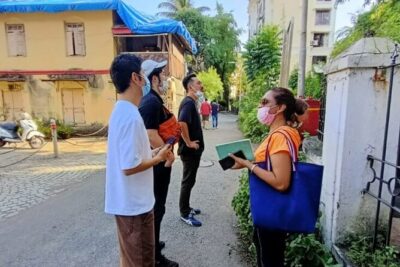
From there, the rhythm is simple: you’ll ride out to the rail hub areas, make short guided stops, then hop between districts by train and taxi. Even though it’s a private group, the pace still feels efficient, with photos and walking built into the plan.
A good way to think about this: you’re not trying to “collect” every sight. You’re learning how Mumbai connects its neighborhoods through trains, stations, and street movement—while hitting a few classic stops that visitors actually want to see.
You can also read our reviews of more tours and experiences in Mumbai.


Victoria Terminus (CST): UNESCO architecture plus a movie-famous photo stop
Your first real highlight is Victoria Terminus, also known as Chhatrapati Shivaji Maharaj Terminus (CST). It’s UNESCO-listed, and you’ll get a guided introduction plus time to walk and take photos.
If you’ve seen Slumdog Millionaire, this stop will feel extra recognizable because the film is tied to the location. That doesn’t mean you’re watching a scene replay in real time. It means the building becomes more than a postcard: it becomes a landmark with pop-culture familiarity that helps you pay attention to details.
The practical upside is the short walk window. You get enough time to orient yourself, spot good viewpoints, and enjoy the architecture without being stuck in a long queue or spending your whole morning just waiting around.
Dadar flower market: roses in every color and a fast taste of street life
Next, you’ll head to the flower market area in Dadar for a photo stop and a short guided walk. This is where the senses kick in fast: the market is described as flooded with roses—white, pink, red, yellow, and more—plus garlands and ready-made bouquets.
This stop is valuable because it’s not a staged performance. You’re seeing how flowers move through Mumbai’s street economy, and you’ll notice how quickly people shop for specific colors and bundles. Even in a short visit, the market gives you a feel for local rituals and everyday needs that go far beyond tourism.
One thing to consider: flowers can get heavy and warm, and markets can be crowded. This is a “look, photograph, and understand” stop, so if you plan to buy, go in with a clear plan and don’t expect a slow browsing pace.
Dhobi Ghat in Mahalaxmi: open-air laundry you can watch in motion
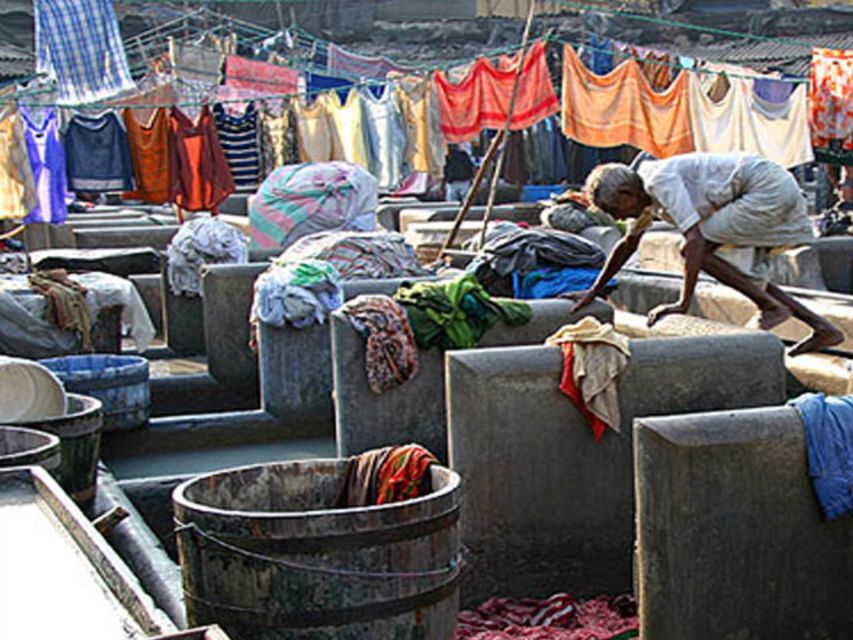
Then comes the stop that most people remember: Dhobi Ghat, in the Mahalaxmi area. You’ll spend time with a photo stop and guided sightseeing, and the key point is simple—clothes are washed in full view of the public.
This is fascinating because it shows labor as part of public space. Instead of laundry being hidden behind factory walls, you see the work process in the open, with people around and activity continuing in real time. It’s less about watching a “tour attraction” and more about witnessing a working neighborhood routine.
The drawback is also part of the charm. Open-air laundry areas are active, and your comfort level depends on how you feel about being near ongoing work. If you’re the kind of visitor who prefers polished, quiet sights, you might need a minute to adjust.
But if you want Mumbai as it actually happens—full of systems, work, and routine—this is the moment that delivers.
Chor Bazaar: the big flea-market hit in a short, guided window
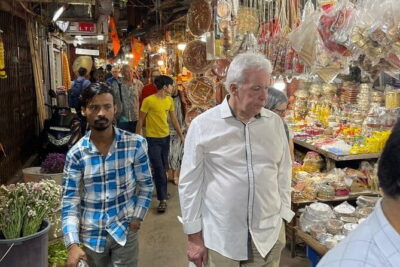
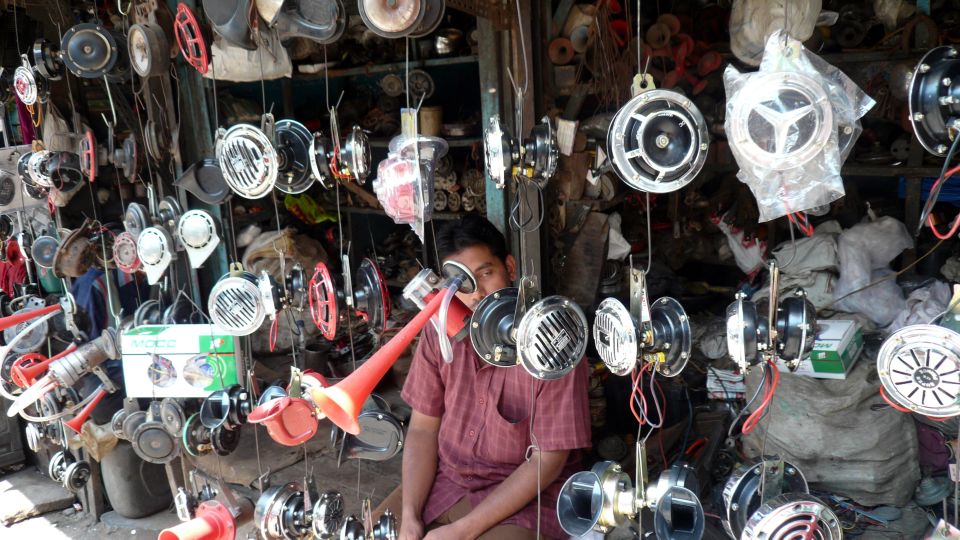
After Dhobi Ghat, you’ll take a taxi toward Chor Bazaar, one of the largest flea markets in India. You’ll get another short guided period plus time to shop and look around.
Chor Bazaar is where the tour leans into shopping energy. This is not a craft fair with neat stalls and curated signage. It’s a dense market scene where you’ll want to use your eyes and keep your expectations grounded.
The best way to handle this stop is to treat it like a scouting trip. You’re sampling what’s available rather than trying to find a perfect deal in 20 minutes. Ask questions, check quality quickly, and set a budget before you get distracted by everything you can buy.
If you enjoy negotiating and sorting through items, this portion can be genuinely fun. If you just want souvenirs, you’ll likely feel the time pressure. Still, the guided context helps you understand what makes Chor Bazaar different from smaller markets.





Churchgate and the dabbawalas: a lunchbox delivery system you can understand fast
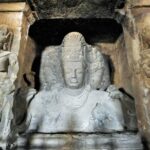
The tour ends at Churchgate for the Mumbai dabbawalas. This is described as a lunchbox delivery and return system that delivers hot lunches from homes and restaurants to people at work, especially in Mumbai.
This portion works because it explains a system, not just a place. Even if you don’t know anything about dabbawala operations ahead of time, you’ll leave with the core idea: food moving through the city on schedule, handled by a dedicated network.
Spending time at Churchgate gives you a sense of how daily life runs alongside the tourist sights. You’ll also appreciate the earlier transport choices more. The day isn’t random. The tour’s structure keeps pointing you toward the same truth: Mumbai works because movement is organized.
One more plus from the tour experience: a guide named Aarti was praised for offering an Elephanta Caves opportunity when someone missed it due to weather. That’s not something to plan around as a guarantee, but it does suggest the guides pay attention and try to make time when conditions allow.
Price and value: why $38 can make sense for a 3-hour hit
At around $38 per person for a 3-hour private group, the value comes from what’s included. Your price covers transportation fares for the bus, train, and taxi parts of the day, plus a local guide and tea and bottled water.
If you tried to replicate the route on your own, the costs can quietly stack up: transportation across districts, entry timing, and the added time you’d spend figuring out the best way to connect stations. Here, you’re paying for coordination and a guided flow that already knows where the “good short stops” are.
It also helps that the tour is in English and includes skip-the-line support. That last part matters in crowded rail-and-attraction contexts, where even a small wait can eat into a short schedule.
The only caution is simple: since you’re not getting a meal (food isn’t included unless specified), you’ll likely need to plan for water and a light plan for hunger after the tour.
What you’ll really do on the ground (and what to watch for)
Here’s the basic shape of the day, translated into what it means for your body and your attention. You start with a bus ride to the CST area, then shift to trains for quick connections, and you’ll top it off with taxi rides between districts.
You’ll have photo stops at CST, at the flower market, and at Dhobi Ghat, plus guided sightseeing/walking blocks at each. Chor Bazaar and the dabbawalas stop are also guided, and you’ll finish back near the starting area.
So what should you watch for?
- Plan for short walks and frequent transitions between vehicles and streets.
- Keep your camera ready, but don’t forget to look up—stations and workplaces have their own visual rhythm.
- If you want to buy at Chor Bazaar, keep one pocket for essentials so you can move fast.
Who this tour suits (and who might prefer a slower day)
I’d recommend this tour if you want a practical Mumbai intro that mixes major sights with the everyday systems behind them. It’s especially strong for first-timers who want to see CST, Dhobi Ghat, Chor Bazaar, and the dabbawalas without building an itinerary from scratch.
It’s also a good fit if you’re comfortable with the idea of watching real work happening in public spaces. Dhobi Ghat is the key test here. If that sounds compelling, you’ll likely love the day.
If you’re a slow traveler who wants long market browsing, detailed temple time, or multiple repeat visits, this may feel a bit rushed. Three hours means you’ll pick up highlights and move on.
Should you book Mystical Mumbai’s Public Transportation Tour?
Book it if you want a sharp, guided slice of Mumbai that uses the city the way locals do—bus, train, and taxis—while hitting recognizable landmarks. The UNESCO CST stop, the rose-and-garland flower market moment, the open-air laundry reality check at Dhobi Ghat, the flea-market chaos of Chor Bazaar, and the practical system of the dabbawalas add up to a full-feeling morning.
Don’t book it if you want lots of free time, deep shopping, or a relaxed pacing. This tour wins on efficiency and clarity, so come ready for a structured 3-hour route and short walking segments.
If you’re choosing between doing things alone versus having someone map the movement for you, this is one of those cases where guidance turns a confusing day into a smooth one.
FAQ
Where is the meeting point for the Mumbai public transportation tour?
The meeting point is Regal cinema, Colaba, near the Gateway of India area.
What time does the tour start?
The tour meets at 9:00 AM.
How long is the tour?
The tour duration is 3 hours.
What is included in the price?
The price includes fare for all transportation used as part of the tour, a local guide, and tea and bottled water.
Is food included during the tour?
Food and drinks are not included unless specified.
Does the tour include skip-the-ticket-line access?
Yes, skip the ticket line is listed as part of the experience.
What is the cancellation and payment flexibility?
Free cancellation is available up to 24 hours in advance for a full refund, and there is a reserve now & pay later option.