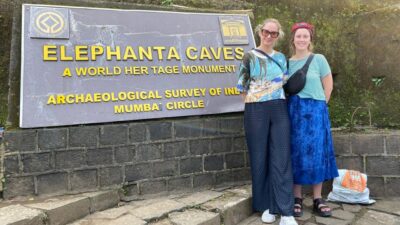
REVIEW · ELEPHANTA CAVES TOURS
Elephanta Caves & Island Guided Tour
Book on GetYourGuide →Operated by Linda Tour Mumbai · Bookable on GetYourGuide
Shiva lives in rock on a quiet island. I love how the English live guides explain what you’re seeing, and I love the photo-worthy focus in Cave 1 with its famous three-faced Shiva view. One thing to consider: the schedule is ferry-heavy, so expect a longer day than the cave time alone suggests.
You’ll leave from central Mumbai, ride out over water, and then spend a solid block walking through a layered mix of ancient rock temple spaces and island ruins. The island context matters here. It’s not just “look at caves,” it’s “understand why people chose this place,” with evidence of occupation stretching back to the 2nd century BC and major rock work dated to roughly the 5th–6th centuries AD.
If you go, come ready for stairs and uneven stone. You’ll get mineral water, but meals and drinks are not included, and the cave approach can feel slippery if your shoes are too smooth. Bring comfortable shoes and keep your focus on small details—how the sculptures are framed, and how the chambers are laid out.
In This Review
- Key things that make this Elephanta tour worth your time
- From Mumbai’s Gateway to the ferry: where your day starts
- Elephanta Island on foot: how long you really need
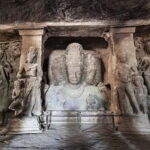
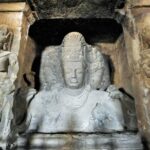
- Cave 1: the three-faced Shiva view and the design logic
- The rest of the caves: why the second layer matters
- Beyond the caves: Portuguese-era remains and conservation reality
- Gateway of India again: photo stop and the return flow
- Price and included value: what $39 buys you in practice
- The biggest drawback: time and stairs, not the caves
- Who should book this Elephanta Caves & Island guided tour
- Should you book this tour or not?
- FAQ
- How long is the Elephanta Caves and Island guided tour?
- Is an English guide included?
- What’s included in the price?
- Are meals or drinks included?
- Where do I need to meet the guide?
- What should I bring and wear?
- Is there a cancellation policy?
Key things that make this Elephanta tour worth your time

- A guided cave walk, not a self-stroll: you get a real explanation of Shiva iconography and the cave design.
- Cave 1’s main axis and famous three-headed Shiva view: the tour helps you time your angles for the best perspective.
- Elephanta Island beyond the caves: ruins from the second century BC onward, plus Portuguese-era remains like stupas on hillocks.
- Bundled value: entrance tickets, ferry tickets, an English guide, and hotel pickup/drop-off are included in the price.
- Photo help built into the experience: guides often know exact spots to frame the iconic faces of Shiva.
From Mumbai’s Gateway to the ferry: where your day starts
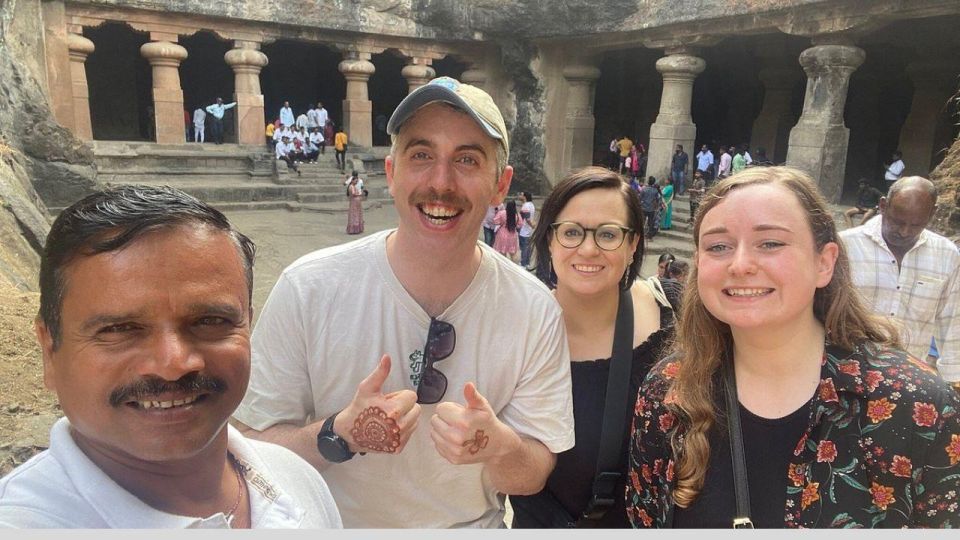
Most days begin with pickup depending on what option you choose, then a quick pass by the Gateway of India. This is a good warm-up. From there, you head to the ferry side and settle in for the first water ride.
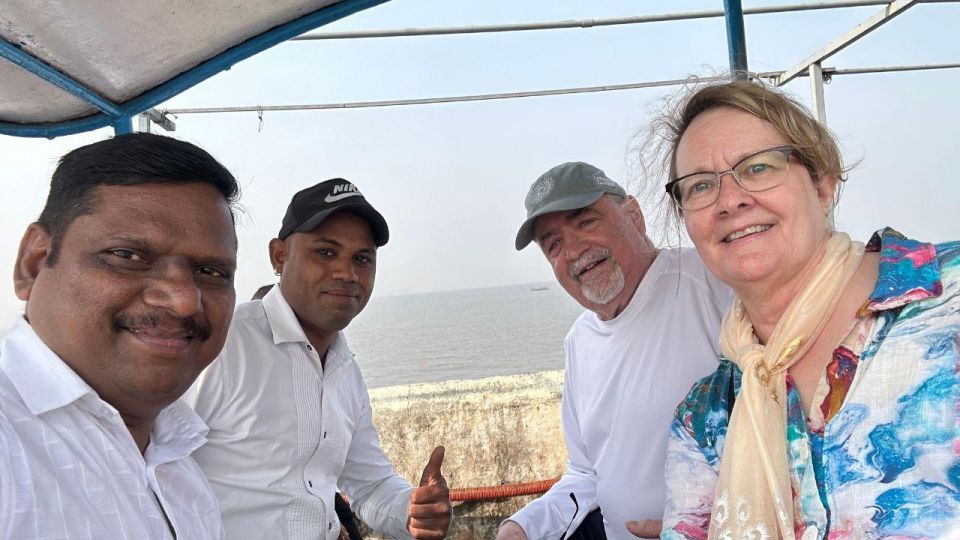
The ferry ride is about an hour each way, and it sets the tone. In practice, you’ll find it peaceful rather than hectic, even if it feels a bit long. I’d treat the ferry like part of the experience, not just transport. Use it to plan your day: which cave views you care about most, when you’ll want photos, and when you’ll need a restroom break before you start climbing.
You’re also heading out through Mumbai Harbor toward Elephanta Island (also called Gharapuri). The island is about 10 kilometers east of Mumbai, and the water crossing is what makes the trip feel like a true detour—quiet, separate, and deliberately different from the city.
You can also read our reviews of more guided tours in Mumbai

Elephanta Island on foot: how long you really need
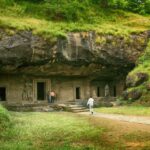
Once you arrive, you’ll get a guided tour on the island—about 1.5 hours of walking as part of the day. This isn’t a long hike, but it’s not flat either. You’re on an island with uneven stone approaches to the caves, plus steps that can be slippery when the rock is worn smooth.
Two practical points help your day go better:
First, wear shoes you trust. One traveler noted a bad fall on the way down and strongly recommended rubber-soled footwear. Even if you’re careful, the steps can be slick.
Second, be ready to use your guide’s local sense of timing. On this kind of site, a guide’s job is more than telling facts. It’s helping you avoid bottlenecks inside the cave and pointing out the spots where the sculptures line up with the best view.
You’ll also pass small clusters of island remnants before you fully enter the cave complex. That’s helpful, because it reminds you that Elephanta is an archaeological site on a whole island—not just a single room you check off.
Cave 1: the three-faced Shiva view and the design logic
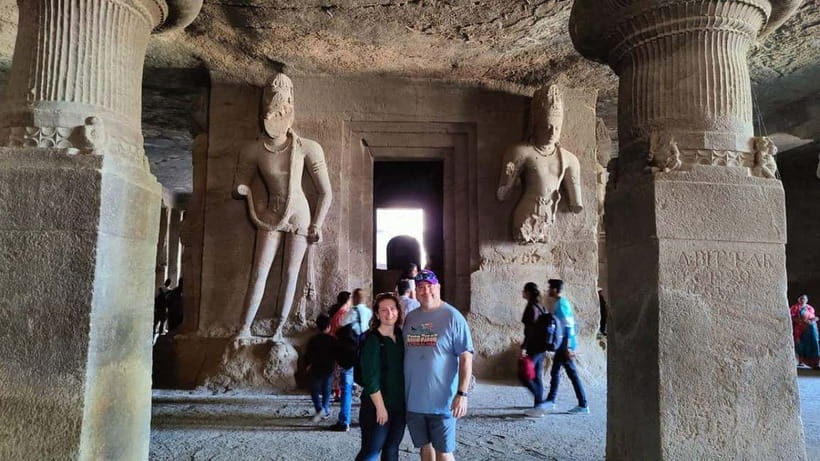
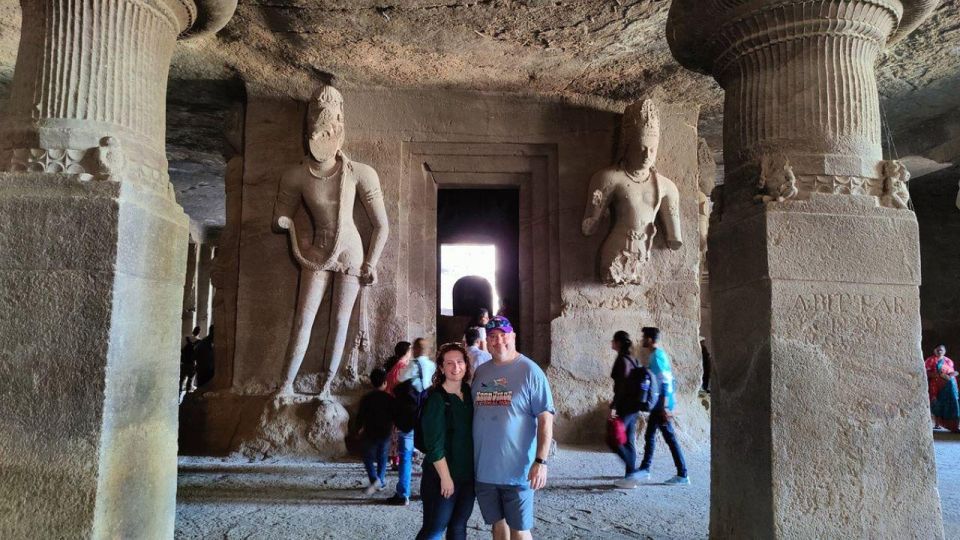
The star is Cave 1, the main chamber. It’s estimated around 39 meters from the front entrance to the back wall, and the cave’s core area is roughly 27 meters square. The chamber is supported by carefully set structural lines, arranged in repeating sections.
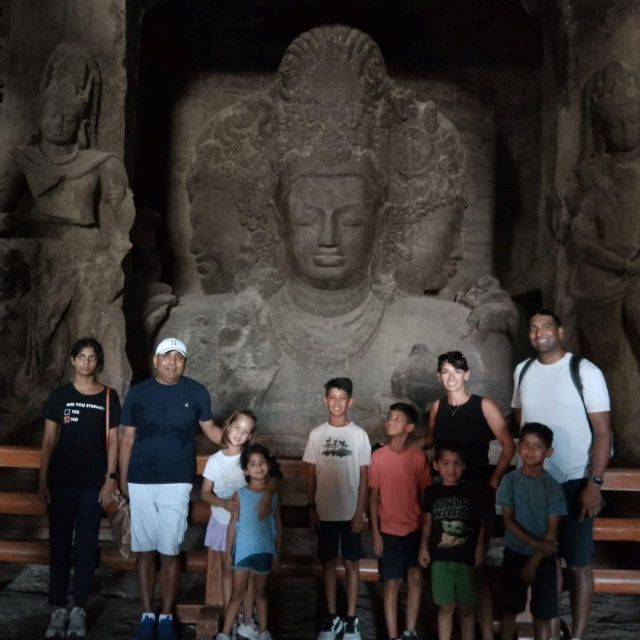
Why that matters for you: Cave 1 isn’t just impressive because it’s big. It’s impressive because the design creates a clear visual path. With the guide’s help, you’ll understand how the space is meant to pull your eyes toward the key iconography—especially the famous three-headed Shiva form that many people photograph.
If you want photos, this is the time to focus. Several bookings highlight guides helping with exact camera angles inside the cave so you can frame the symbolic heads properly. Even if you’re not a serious photographer, you’ll appreciate that someone is steering you away from the usual bad angles where the lighting or stone cuts ruin the composition.
You’ll also learn why Elephanta feels like part of a long cultural timeline. The rock-cut caves were built in the mid-5th to 6th centuries AD, but the island itself shows earlier occupation evidence dating back to the 2nd century BC. That layering is the reason this UNESCO site feels more meaningful than a typical temple visit.
The rest of the caves: why the second layer matters
Elephanta Island has multiple Hindu cave sanctuaries, plus Buddhist stupa sites on the hillocks. The main complex includes five Hindu caves and a couple of Buddhist stupa hillocks that date to the 2nd century BC. There are also smaller Buddhist cave elements with water tanks.
For you, this means you shouldn’t treat Elephanta as one simple stop. Even if Cave 1 is your priority, the other spaces give context. You’ll start noticing how the island’s religious landscape shifts over time, and how later work fits into an older island story.
This is where a good guide pays off. A guide can explain what you’re looking at beyond the big centerpiece. They’ll point out the hall logic, the sculpture placement, and the way different chambers emphasize different aspects of worship.
If you’re short on attention span, don’t worry—you won’t need to memorize dates. The simplest win is just realizing that you’re seeing a set of sacred rooms carved into stone, not a random collection of carvings.
Beyond the caves: Portuguese-era remains and conservation reality
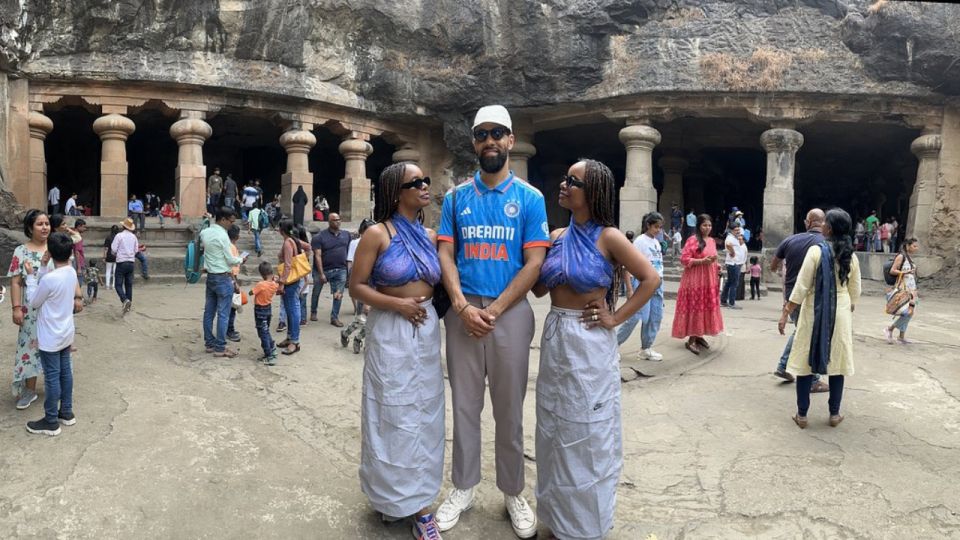
What makes Elephanta feel extra interesting is what’s around the caves, not just inside them. The island includes archaeological remains from the Portuguese period as well, including stupas on the eastern side of the hillock and another group at the top.
There’s also visible evidence of long-term site work: pathways and stairs leading up to the caves from the pier, fallen or broken support points preserved or stabilized, and ruined surfaces protected over time. The site even has a dedicated site information center and areas connected to the custodian’s quarters.
Now, here’s the balanced part: this is an active conservation challenge. The property’s long-term protection requires finishing and carrying out a Conservation Management Plan. The text notes issues like saline movement and decay of the stone surfaces, plus the need to protect the caves from nearby modern development. It also mentions the possibility of uncovering covered stupas later, and that some restoration work done in the 1960s may need removal and rebuilding where breaks have formed.
Why you should care: conservation efforts shape what you can see and how the site is maintained. If you notice supports, protections, or restricted areas, that’s not neglect—it’s ongoing work to keep ancient stone from breaking down faster than time already allows.



Gateway of India again: photo stop and the return flow

After your island time and guided cave visit, you’ll take the ferry back to the Mumbai side. The day typically includes a photo stop back around the Gateway of India area for about 15 minutes.
That return stop is short, so don’t count on it for sightseeing. Think of it as the easy victory lap: you’re already done with the cave climb, you’re on your way back, and you can grab a last view of Mumbai’s waterfront.
Then your group breaks into multiple drop-off locations—Dadar, Mumbai, Regal Cinema, and the Ballard Pier/Alexandra Dock/Green Gate area, depending on the pickup option chosen.
In real life, the “4–9 hours” duration range usually comes down to ferry timing, pickup location, and how your specific option handles transfers. Either way, plan to stay flexible.
Price and included value: what $39 buys you in practice
At around $39 per person, this trip is priced like a bundle, not just a ferry ride with an optional guide.
You’re getting:
- an English-speaking guide
- hotel pickup and drop-off (optional meeting at the hotel lobby)
- entrance fee to the Elephanta Caves
- ferry tickets
- a mineral water bottle
- skip-the-ticket-line access
Meals and drinks are not included. That’s normal for a day trip, but it’s a real planning item: you don’t want to be searching for food at the wrong time while the group is moving.
So is it good value? Yes, especially if you’d otherwise pay separately for ferry + entrance + guide. The biggest practical value is time saved. Skip-the-line entry and a coordinated ferry plan reduce the mental load.
Where you might spend extra:
- airport pickups cost an additional ₹2,000 for parking and toll fees
- snacks or drinks if you want them
- shopping along the steps, where cash may be useful (there are vendor stalls)
The biggest drawback: time and stairs, not the caves
If there’s one consistent consideration, it’s physical timing and movement.
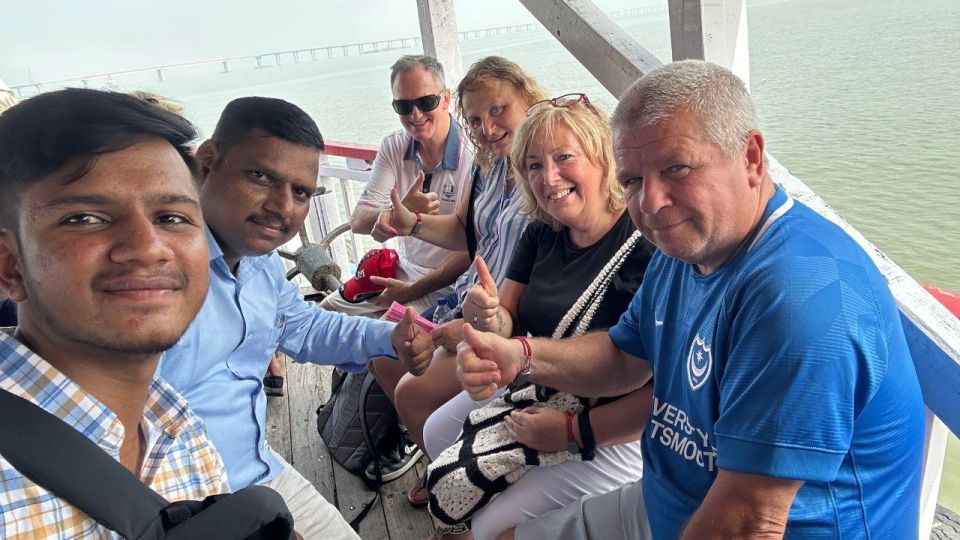
The ferry rides total around two hours, and that’s before you count walking on uneven stone and stairs to the caves. Even if the guided section is around 1.5 hours, your total time on site still depends on pace, photo breaks, and how long you spend studying the sculpture angles.
The second issue is safety. This is not a polished museum floor. One person specifically advised extra caution on the trip down because well-worn stones can get slippery. You can avoid problems with simple planning: sturdy shoes, slower footing, and trusting your guide’s guidance on when to move.
Finally, the rules are straightforward: no alcohol or drugs, and nudity is not allowed. If you’re coming with kids, you’ll appreciate that the restrictions are clear.
Who should book this Elephanta Caves & Island guided tour
This tour works best if you want:
- a structured visit to a UNESCO World Heritage site
- an English guide to make sense of the Shiva carvings and cave layout
- help finding the right photo angles inside the cave
It’s also a good choice for first-timers to Mumbai who don’t want to puzzle out ferry timing and ticketing. The guidance around the day’s flow matters—getting to the meeting point on time and keeping the group moving smoothly.
If you’re the kind of traveler who hates waiting, this could still be fine because skip-the-line entry is included. If you hate stairs or have mobility concerns, you might find it challenging. The tour requires walking and climbing uneven steps to reach the main cave areas.
Should you book this tour or not?
Book it if you want the most efficient way to see Elephanta’s main caves with an English guide and a coordinated ferry plan from Mumbai. The price is a bundle, and the guide’s role in framing the iconic Shiva view is a real part of the value—not just a bonus.
Skip it if you’re planning to travel at a hyper-slow pace, you have trouble with stairs, or you’d rather spend extra time exploring on your own. The ferry and cave approach create a “day-trip rhythm,” and you’ll either love that rhythm or feel trapped by it.
If you do book, go in ready for sturdy shoes, bring a plan for snacks, and treat the guided walk as the key to unlocking the meaning behind the carvings.
FAQ
How long is the Elephanta Caves and Island guided tour?
The duration is listed as 4 to 9 hours, depending on the selected option and schedule.
Is an English guide included?
Yes. The tour includes a live English language guide.
What’s included in the price?
Entrance fee to the Elephanta Caves, ferry tickets, hotel pickup and drop-off, a guide, and a mineral water bottle are included.
Are meals or drinks included?
No. Meals and drinks are not included.
Where do I need to meet the guide?
The meeting point may vary by option, but the guide notes Regal Cinema as the designated meeting point. Arrive at least 10 minutes early.
What should I bring and wear?
Bring comfortable shoes. You’ll be walking and climbing stone steps.
Is there a cancellation policy?
Yes. Free cancellation is offered up to 24 hours in advance for a full refund.