Punjabi cooking in Mumbai starts at home. I love how this class blends hands-on instruction with real meal-time conversation in a local neighborhood. You learn the traditional way to make classics like roti/paratha, plus dishes such as paneer makhni and dal, then you sit down and eat what you cooked. One thing to consider: the menu is seasonal, so if you have a specific dish in mind, you’ll want to message Shilpa ahead of time.
My other favorite part is the teaching style. Shilpa breaks down techniques step by step, and you get practical flavor guidance while you cook, not just after the fact. Expect details on spices, oils, and ingredient choices, and even a quick stop at a local grocery where she talks through what matters. A possible drawback: because this is an Indian vegetarian-focused class, it’s not the best fit if you’re hoping for a meat-centric menu (though vegan is available on request).
You also get a little bonus of comfort and value. Food and water are included, and you’re served a glass of local beer with the meal. With a private setup for your group, it feels like a real evening with a host, not a factory-style cooking demo, but you’ll still want to plan for a focused 2-hour schedule.
In This Review
- Key things you’ll notice
- Why Punjabi cooking in a Mumbai home feels different
- Getting to the meeting point without stress
- Meet Shilpa and get your pace set in the first minutes
- What you’ll cook: roti/paratha, paneer makhni, dal, and more
- The grocery stop that teaches you how Indian pantry logic works
- The sit-down meal: pairing flavors like a Punjabi thali
- Lunch vs dinner: how to choose the best session for you
- Price and value: what you’re really paying for
- Who this class is best for
- Practical notes that keep your experience smooth
- Should you book this private vegetarian Punjabi cooking class?
- FAQ
- Can I choose lunch or dinner for the cooking class?
- Is the class private?
- Is the menu vegetarian, and can it be vegan?
- What dishes will I learn to cook?
- What’s included with the class?
- How long is the cooking class?
- Can I request specific dishes or handle dietary restrictions?
- What is the cancellation window?
Key things you’ll notice
- Shilpa teaches Punjabi comfort food in a local home near Five Gardens in Dadar East
- You cook roti or paratha the traditional way, not just a quick bread hack
- Paneer makhni and dal come with rice and Indian breads for a proper plate of flavors
- A quick grocery trip helps you understand spices, oils, rice, tea, and ingredient choices
- Vegan is possible on request, but Shilpa’s base menu is vegetarian
- Food, water, and local beer are included, so the price goes farther than a typical class
Why Punjabi cooking in a Mumbai home feels different
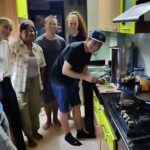
Mumbai cooking classes can be hit or miss: some feel staged, others feel like you’re watching someone else work. This one aims for the second kind of experience. The class is hosted in a local home near Five Gardens in the Dadar East area, so you’re not crammed into a studio. You’re in a lived-in setting where the food is part of everyday life.
The best part is that the session isn’t only about recipes. Shilpa is there to explain why certain flavors work together. She talks about Punjab and the way people in different parts of the region think about food, which makes the cooking feel more grounded than a list of instructions.
You’ll also appreciate the small but meaningful comforts: food, water, and a glass of local beer are included. That matters because it keeps the session from feeling like you’re just “learning” and then going hungry. You cook, you eat, and you learn how the dishes connect as a meal.
You can also read our reviews of more private tours in Mumbai



Getting to the meeting point without stress
The class starts at Indu Villa, Plot no Five Garden, 602-C, Lady Jehangir Rd, Matunga East, Mumbai, Maharashtra 400019, India. It ends back at the same meeting point.
This matters for two reasons. First, you’re not dealing with a chain of pickups or a long walk between locations. Second, the activity is listed as near public transportation, which helps if you’re juggling Mumbai traffic and timing.
You’ll also get a mobile ticket, and confirmation is received at booking. If you’re the kind of person who hates last-minute uncertainty, that’s a nice reassurance.
Meet Shilpa and get your pace set in the first minutes
Shilpa is the host and instructor, and you’ll start by settling in at her home. She’s excited to share not just recipes, but also food culture and everyday lifestyle from Punjab—her home region. That context is useful because Punjabi food has a certain logic: warm spices, hearty comfort, and breads that match the gravy or lentils.
The class is private, meaning only your group participates. That’s a big deal if you’re a couple, a small group of friends, or even solo (depending on how your booking is handled). It usually means you can ask questions without feeling like you’re competing with other people for attention.
One practical perk: Shilpa is flexible with start time. If you want to start early or later, you can inform her in advance via WhatsApp. That flexibility is helpful in Mumbai, where plans often shift.
What you’ll cook: roti/paratha, paneer makhni, dal, and more
You can expect a menu built around classic vegetarian Punjabi flavors. Across sessions, the core dishes include:
- Roti or paratha (flatbread), made traditionally
- Paneer makhni, which is fresh cheese in tomato gravy
- Dal, typically lentils, served with rice and Indian breads
In at least some sessions, the class may also include spiced potatoes and more than one type of flatbread. One review mentioned learning with two kinds of flatbread, plus yellow dal and paneer makhni. So while the exact seasonal menu can vary, the bread-and-gravy foundation stays.
Here’s why that matters to you as a cook. Roti/paratha is the backbone of a lot of Indian meals, but it’s also where beginners get stuck. If you only learn the final dish names and not the bread technique, you lose the whole point. This class focuses on making the bread the real way, and Shilpa’s step-by-step approach makes it easier to pick up the right feel and timing.
Paneer makhni is another great choice because it teaches technique and balance. Tomato-based gravies can go bland if you don’t build flavor layer by layer. You also learn how to work with spices so the dish tastes warm and rounded, not harsh or flat.
Dal sounds simple, but it’s a masterclass in seasoning and consistency. Lentils need time and attention. Learning dal in a structured class helps you understand how to reach a good texture and how the final seasoning ties into the rest of the meal.
The grocery stop that teaches you how Indian pantry logic works
One of the more memorable parts of the experience is a quick trip to a local grocery. It’s short, but it’s packed with useful info. Shilpa explains ingredients like vegetables, spices, oils, tea, rice, and other essentials—basically the building blocks behind the flavors you’re making.
This is more valuable than it first sounds. If you want to cook these dishes later, you’ll need to know what to look for. A lot of spices behave differently depending on freshness and what blend you’re using. Oils change texture and mouthfeel. Rice isn’t just rice—grain types and cooking methods matter for the final plate.
So even if you only have a few hours, you leave with practical shopping instincts, not just a recipe folder.
You can also read our reviews of more cooking classes in Mumbai

The sit-down meal: pairing flavors like a Punjabi thali
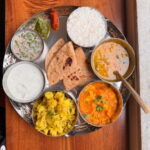
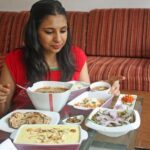
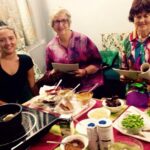
After cooking, you eat what you made. This is where the class stops being purely instructional and becomes a full meal experience.
Punjabi thali-style eating is about pairing. Shilpa explains how each dish supports the others—how the bread works with the gravy, how dal balances richness, and how flavors land on the plate in a satisfying order. You’re not just tasting food; you’re learning the logic behind the combination.
You’ll also notice that the meal includes rice and Indian breads alongside the gravies and lentils. That matters because it changes how you taste each component. Dal with rice is different from dal with bread. Paneer makhni tastes different when you scoop it with roti versus when it’s eaten in smaller bites with rice.
This pairing section is one of the reasons the class feels complete. By the end, you can explain to yourself why the meal works, not only what it includes.
And yes, the glass of local beer at meal time adds a relaxed, celebratory feel. It’s not required in your cooking success, but it makes the whole experience feel like hospitality, not classwork.
Lunch vs dinner: how to choose the best session for you
You can pick either a lunchtime or dinnertime cooking workshop. That choice affects your day more than you might expect.
If you choose lunch, the session can work nicely as an earlier anchor activity when you want something active without draining your evening. If you choose dinner, it can feel like your food plans are built around the class, and the meal lands at the right moment naturally.
The class lasts about 2 hours, so either option tends to fit cleanly into a short block of your itinerary. If your schedule is tight, message Shilpa early about timing. She’s flexible, and that can save you from Mumbai schedule chaos.
Price and value: what you’re really paying for
The price is $53.34 per person for a private vegetarian Indian cooking class in Mumbai.
On paper, that might look like a premium cooking class. In practice, it includes several things that most budget classes don’t always cover:
- You’re hosted in a local home (not a generic cooking studio)
- You get hands-on instruction rather than passive watching
- You cook and then eat a full meal, with food and water included
- You’re served a glass of local beer
- It’s private, so you’re not sharing instructor time with strangers
Also, there are group discounts, which makes it more cost-effective if you’re traveling with someone and want the experience to feel personal.
The main reason it’s good value for the price is that you’re not just learning dishes. You’re learning bread technique, gravy balance, and dal texture—plus ingredient context from the grocery stop. That knowledge transfers far beyond the one meal.
Who this class is best for
You’ll get the most out of this experience if you:
- Want vegetarian Punjabi cooking you can actually recreate
- Like instruction that’s step-by-step, especially for bread and dal
- Enjoy local hospitality and conversation alongside food
- Prefer a private class over a crowded group setup
- Are open to a menu that’s seasonal, with the option to request specific dishes in advance
If you’re strict about vegan only, you’re still covered: Shilpa can do a complete vegan meal on request. If you have allergies or dietary restrictions, you should inform her in advance so she can adapt the menu.
If you’re hunting for meat-heavy dishes, this probably won’t satisfy that goal. The instructor offers vegetarian food as the standard, and the cooking lesson is built around that.
Practical notes that keep your experience smooth
- Bring your appetite. You cook and then eat what you made, and the portions are meant to be a real meal.
- Plan to ask questions. The class style is designed for explanation while you cook, so use that time.
- If there’s a dish you specifically want, reach out early. The menu is seasonal, but Shilpa is flexible if you communicate your goal in advance.
- Be ready for an experience that’s mostly about technique, not just flavors. Bread and lentils require attention, and that’s the point.
Should you book this private vegetarian Punjabi cooking class?
If you want a Mumbai food experience that feels like being welcomed into a home, this is one of the better choices. The standout strength is Shilpa’s teaching: she focuses on technique and makes the steps clear. Add the fact that you cook, eat, and learn pairing logic, and the value goes up fast.
I’d book it if you’re vegetarian (or you’re comfortable with vegetarian food and want vegan options) and you care about actually learning how to cook Punjabi staples like roti/paratha, paneer makhni, and dal. The class also suits people who enjoy a small dose of ingredient education, like understanding spices, oils, and what you’re buying at the grocery.
I’d pause only if your schedule is too tight for a 2-hour session or if you’re counting on a specific non-seasonal dish without messaging Shilpa ahead. For everything else, it’s a practical, warm, hands-on meal lesson you can feel good about.
FAQ
Can I choose lunch or dinner for the cooking class?
Yes. You can choose between a lunchtime or dinnertime session.
Is the class private?
Yes. It’s a private tour/activity, and only your group participates.
Is the menu vegetarian, and can it be vegan?
Shilpa offers only vegetarian food. A complete vegan meal is available on request.
What dishes will I learn to cook?
You can expect to learn roti or paratha (flatbread), paneer makhni, and dal. You’ll eat them with rice and Indian breads.
What’s included with the class?
Food and water are provided, and you’ll also receive a glass of local beer.
How long is the cooking class?
It runs for about 2 hours.
Can I request specific dishes or handle dietary restrictions?
Yes. The menu is seasonal, so if you want to learn something specific, message Shilpa in advance. You should also inform her in advance about preferences, dietary restrictions, or allergies.
What is the cancellation window?
You can cancel for a full refund up to 24 hours before the experience’s start time. If you cancel less than 24 hours in advance, the amount paid will not be refunded.