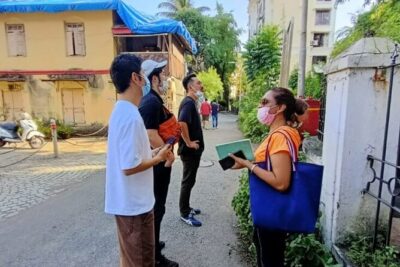
A guided walk through Dharavi changes your mental map. This private Dharavi slum tour is built as a step-by-step introduction to how people live and work in one of Mumbai’s most famous areas, with a guide steering you through both the busier commercial workshops and the quieter residential lanes.
I like the practical focus: you’re not just looking from the outside. You walk through working scenes tied to recycling, small manufacturing, and local trades, then you continue into neighborhoods with schools, colleges, pottery making, and everyday markets. I also like that the guide experience can be very personal—this is a private group, and they even note female tour guides (like Jaya, who gets praised for making the perspective feel human and powerful).
One possible drawback: this is not a soft-focus sightseeing route. The tour description frames Dharavi honestly, with tough topics in the mix, and you should be ready for the reality of poverty and street-level issues, even if the approach emphasizes safety with a guide.
In This Review
- Key things that make this Dharavi tour work
- Why a guided Dharavi walk beats solo wandering
- Commercial workshops: what you’ll see during the walk
- Residential neighborhoods: schools, pottery, markets, and daily life
- Guides in the spotlight: what makes Jaya and Sunil stand out
- Timing, route length, and how to plan your morning
- Price and value: what $29.94 buys you in Mumbai
- Safety, sensitivity, and the kind of traveler this fits
- What a successful tour day feels like (and what to do)
- Should you book this Dharavi slum walking tour?
- FAQ
- How long is the Dharavi slum tour?
- How much does the tour cost?
- Is this tour private or shared with other groups?
- Where does the tour start and end?
- Do I need to print a ticket?
- Will I see both work areas and residential areas?
- Is cancellation free?
- Is it only for certain fitness levels?
Key things that make this Dharavi tour work
- Private, guide-led walking route: only your group goes, and you follow your guide through both commercial and residential zones.
- Two-part experience: factories first, homes second: recycling and manufacturing up front, then schools, colleges, pottery making, markets, and narrow lanes.
- A guide you can actually question: the tour is designed so you can walk into places where people are working, not just glance past them.
- Female guides are available: Jaya is specifically mentioned in the feedback, and the company highlights women guides as an option.
- A short, manageable time window: about 3 hours, starting around 9:00 am, so you can fit it into a busy Mumbai schedule.
- Mobile ticket convenience: you receive a mobile ticket, which makes day-of logistics simpler.
Why a guided Dharavi walk beats solo wandering
The big question with a Dharavi visit is simple: do you have the right context? This tour is built around that idea. The provider’s message is clear—you can go on your own and they describe the area as safe, but you’ll get much more out of it with a guide to explain what you’re seeing and where to go next.
A good guide changes the feel of the walk. Without one, you might miss what matters: who works in which type of workshop, how the commercial side connects to daily life, and why the residential lanes look the way they do. With a guide, the route becomes a story told in the open, with the “why” attached to the “what.”
There’s also a respect angle. Dharavi is a real living space, not a staged attraction. A guide helps you move through communities with fewer misunderstandings and more care, especially when the tour talks openly about poverty and street-level problems.
You can also read our reviews of more guided tours in Mumbai


Commercial workshops: what you’ll see during the walk
This tour’s first half is about the commercial side of Dharavi, and it’s intentionally focused on work. You’ll see factory-style activity connected to recycling and small-scale production. Based on what the tour describes, expect stops where you can observe processes related to:
- plastic recycling
- aluminum recycling
- paper and cardboard recycling
- clothes manufacturing
- shrine making
- luggage bag manufacturing
- clothes dyeing
- leather industries
- plus additional local workshop activity
Why this matters: Dharavi isn’t just famous because it’s large. It’s known because of the density of work—many people earn income through highly practical trades packed into a tight urban space. Seeing the variety of recycling and manufacturing helps you understand how the “economic engine” of an informal settlement can function day to day.
The walking format matters too. A vehicle would make it easier to pass quickly, but it would also flatten the experience. Walking lets your guide point out details along the way—what each workshop does, what materials get processed, and how the business side connects to the people you meet later.
A realistic consideration: commercial workshops can be active. You’re walking near ongoing work, so keep your attitude grounded—quiet curiosity beats loud sightseeing, and you’ll get the best experience by treating it like a visit, not a photo safari.
Residential neighborhoods: schools, pottery, markets, and daily life
After the factory-focused portion, the tour moves into the residential area. This is where the tone typically shifts from production to everyday routine. The tour describes sights like:
- schools and colleges
- pottery making
- houses and narrow lanes
- local business and markets
- community life shaped by tight streets
This second segment is what makes the tour feel balanced. If you only see the commercial side, Dharavi can start to look like an industrial zone. If you only see the residential side, it can become too abstract—like a neighborhood without its economic context. This tour tries to give you both halves in one connected walk.
You’ll likely feel the difference in scale and pace as you enter narrower alleys and market areas. The guide’s job is to help you read the environment: where people gather, what local businesses provide, and how education and craft work fit into the wider picture.
Practical note: expect a compact, pedestrian-heavy setting. This isn’t a “wide sidewalk, easy strolling” kind of route. The reward is that you’ll see how life actually flows through the spaces people use every day.
Guides in the spotlight: what makes Jaya and Sunil stand out
Even with a good route, the guide can make or break the experience. The feedback highlights two names: Jaya and Sunil, each praised for a different but complementary kind of guidance.
Jaya is specifically described as a major highlight—winsome and funny, and powerful in the way she frames the walk. That matters because a slum tour can easily tilt toward shock value if the guide doesn’t manage the tone. A guide who can mix warmth, humor, and perspective can keep the experience respectful while still honest.
Sunil is praised for being on time, reliable, and passionate and knowledgeable (the feedback uses those exact themes). That style matters for logistics and comprehension. You want someone who can keep the pace smooth, explain clearly, and handle questions without rushing.
One more point the tour provider mentions is that female tour guides are available. If you prefer that comfort, it’s worth asking when you book and aligning your day’s expectations with the kind of conversation you want.
Timing, route length, and how to plan your morning
This is a 3-hour walking tour that starts around 9:00 am. For many people, that’s a smart slot: it’s early enough to get through a busy day, but long enough to actually see both work areas and residential neighborhoods.
The tour notes the experience is near public transportation, and it also says the guide can meet you at your place or at a meeting point. That flexibility helps if you’re staying in a neighborhood that’s not perfectly connected to the exact start point.
Since this is a walking itinerary, plan like you’re doing a neighborhood stroll with stops—not like you’re on a hop-on sightseeing bus. Wear comfortable shoes, and keep water and a snack plan in mind (the tour information doesn’t mention refreshments, so you’ll want to be prepared).
Also, keep your expectations aligned with the time. Three hours sounds short, but it’s enough when the route is designed well. You’ll spend meaningful time in both halves without feeling like the day is swallowed.
You can also read our reviews of more private tours in Mumbai





Price and value: what $29.94 buys you in Mumbai
At $29.94 per person, this tour sits in the “short and affordable” category for Mumbai experiences. The real value isn’t only the low price—it’s the structure.
You’re getting:
- a private group experience
- a guided walk through both commercial and residential zones
- a learning-focused route, not just a pass-through
- a mobile ticket that reduces day-of hassle
- a duration that’s long enough to make sense, but short enough to fit most schedules
Think of it as buying context. For many visitors, Dharavi is exactly the type of place where you’d otherwise feel uncertain about where to go and what you’re looking at. When you pay for a guide, you’re paying for interpretation, navigation, and the ability to ask questions without guessing.
Is it a luxury tour? No. It’s an on-the-ground, street-level experience. But at this price, you’re paying for access to a real working environment and the human explanations that make it meaningful.
Safety, sensitivity, and the kind of traveler this fits
The tour description frames Dharavi as safe when you go with a guide, and it specifically stresses that a guided approach is why the tour exists. That’s important: it tells you the provider’s philosophy is to guide you through the area rather than letting you roam without support.
It also flags tough realities in the area by name—poverty, prostitution, drugs, and mafia. That doesn’t mean the walk is only gloom. It means the tour is not trying to pretend the area is problem-free. The best way to get value from that honesty is to treat it with care: be ready for uncomfortable topics, and don’t expect a purely entertainment-based tour.
This tour fits best if you:
- want an authentic, real-world look at how people work and live
- prefer guided context over self-guided wandering
- like short tours that don’t eat half a day
- are comfortable with a walking route in dense urban lanes
It may be less ideal if you want a light, low-sensitivity sightseeing experience. This is closer to a social reality tour than a scenic photo stop.
What a successful tour day feels like (and what to do)
Here’s how to make the most of it. Go in with a respectful mindset. Ask questions about work and daily life, not just about poverty headlines. The commercial and residential split is there for a reason: use it to understand connections.
A simple practical approach:
- Listen first, then ask.
- Let your guide set the pace, especially if the group is moving through busy workshop areas.
- Keep your camera use thoughtful. If people are actively working, pause and follow your guide’s cues.
If you’re traveling with a flexible attitude, this kind of tour tends to stick with you long after Mumbai’s big landmarks fade into the background.
Should you book this Dharavi slum walking tour?
I’d book it if you want a short, private guided walk that focuses on the practical reality of Dharavi—workshops, recycling, manufacturing, schools, pottery, and local lanes—and you’re okay with a visit that acknowledges tough issues directly.
I’d think twice if you’re looking for a soft, comfortable, purely recreational city experience. This tour is built around real people and real conditions, and the tone matches that.
If you’re able to choose a guide, and you’re drawn to warmth and perspective, you may like the kind of guidance credited to Jaya. If you prioritize steady pace and reliability, the kind of experience credited to Sunil is a good match. Either way, the private format and the two-part route are the core reasons this tour earns its value.
FAQ
How long is the Dharavi slum tour?
It runs for about 3 hours.
How much does the tour cost?
The price is $29.94 per person.
Is this tour private or shared with other groups?
This is a private tour/activity, so only your group participates.
Where does the tour start and end?
The activity starts in Mumbai, Maharashtra, India, and ends back at the meeting point.
Do I need to print a ticket?
No. You’ll get a mobile ticket.
Will I see both work areas and residential areas?
Yes. The tour includes time in the commercial part with factories and workshops, then moves into the residential area with schools, colleges, pottery making, houses, narrow lanes, and markets.
Is cancellation free?
The tour lists free cancellation, with a full refund if you cancel at least 24 hours before the experience’s start time.
Is it only for certain fitness levels?
The info says most travelers can participate, but it is a walking tour, so comfortable walking shoes are a good idea.