REVIEW · COOKING CLASSES
Private Market Tour and Vegetarian Cooking Class in Mumbai
Book on Viator →Operated by Traveling Spoon · Bookable on Viator
A home kitchen in Mumbai teaches you to cook. This private class with Shilpa pairs a local covered grocery store visit with hands-on Punjabi basics, so you learn both ingredients and technique in one tight 3-hour block. I love the personal attention (it’s truly private), and I like that you’re shown how everyday staples like roti/paratha connect to the finished meal. One consideration: the menu is seasonal, so if there’s a specific dish you’re hoping for, you should ask in advance, and the “market” stop is not an open-air market.
You’ll also get a real sit-down payoff: a complimentary glass of beer, plus your choice of lunch or dinner. The trade-off is the pace can feel a bit fast for first-timers, so if you want something repeated, Shilpa is willing to slow down and explain again.
In This Review
- Key highlights worth your attention
- Matunga Five Gardens and meeting Shilpa at her home
- The 30-minute covered grocery store stop (and why it matters)
- Learning roti or paratha the traditional way
- Paneer makhni and dal: two flavors that teach you the system
- Vegetarian Punjabi menu, vegan on request
- The sit-down meal: beer plus lunch or dinner
- Private format: what you gain (and what to watch for)
- Timing and what 3 hours really means
- Price and value: is $64 a good deal for this format?
- Who should book this cooking tour
- Should you book Private Market Tour and Vegetarian Cooking in Mumbai?
- FAQ
- What dishes will I learn during the class?
- Is this class vegetarian or can it be vegan?
- Is the market stop an open-air market?
- What’s included with the meal?
- How long does the experience take?
- Is this a private group experience?
- Can I cancel for a full refund?
Key highlights worth your attention
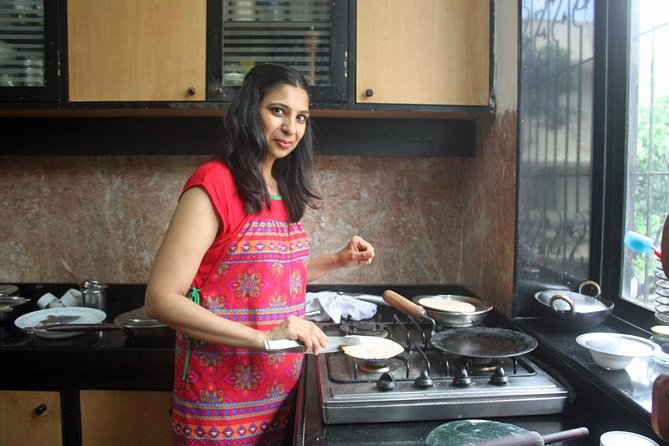
- Private, at-home format: only your group with Shilpa, not a crowd in a classroom
- Covered local grocery store: a realistic look at what Mumbai shoppers buy daily
- Roti/paratha taught the traditional way: you practice technique, not just watch
- Up to three Punjabi dishes: paneer makhni and dal are part of the core menu
- Vegetarian always, vegan on request: Shilpa can adapt the meal to your needs
- Beer plus lunch or dinner: you don’t just cook, you also eat together
Matunga Five Gardens and meeting Shilpa at her home
This experience starts in the Matunga East area, at Indu Villa (Lady Jehangir Rd), in the Five Gardens neighborhood. You’ll meet Shilpa at her place, then the plan is simple: a quick meet-and-greet, a grocery stop, then cooking in her home kitchen. Since this is a private tour/activity, it feels less like a ticketed attraction and more like you’re being invited into someone’s routine.
What makes this setting valuable is how practical it is. When you cook in a home environment, you see how recipes behave in real conditions: the rhythm of prep, how ingredients are handled, and how you move between stovetop and table. It’s also the reason the teaching style tends to land with people—Shilpa’s explanations are grounded in what you can actually replicate.
One small logistical note: the meeting point is near public transportation, which helps if you don’t want to rely on taxis for every move around Mumbai. Also, Shilpa is flexible with the start time—just ask via WhatsApp if you want an early or later start.
You can also read our reviews of more private tours in Mumbai



The 30-minute covered grocery store stop (and why it matters)
Your market tour runs about 30 minutes, but here’s the key detail: it’s not a traditional outdoor market. It’s a covered grocery store where Mumbai locals shop for produce and daily pantry items. That might sound less romantic than an open-air bazaar, but for cooking it’s often better.
In a covered store, you’re more likely to see what you can actually find at similar shops back home: familiar categories of vegetables, spices, grains, and other basics laid out for daily use. You also get a guided walkthrough of how Indian ingredients fit together—especially spices and grains, which are often the part that scares non-experts.
During the visit, Shilpa introduces local fruits, vegetables, spices, and grains. You might also choose to buy a few ingredients depending on what you want to cook later. If you’re vegetarian (or need vegan adjustments), this kind of shopping tour is useful because you learn what you should look for beyond just “the recipe name.”
If you’re thinking of bringing back a spice-shopping list, this is where you’ll want to pay extra attention. Ask what each ingredient does, not just what it is. That small shift helps you recreate the flavor at home without guesswork.
Learning roti or paratha the traditional way
Roti and paratha are not “optional extras” here—they’re central. In this class, you learn to make roti or paratha (flatbread) using the traditional method taught in Shilpa’s kitchen. And this matters because flatbread technique is usually where people get stuck when they try to recreate Indian cooking later.
Expect hands-on instruction focused on process: how the dough is handled, how you shape, and how cooking timing affects texture. The better you get at flatbread, the easier it is to enjoy the rest of the meal, since Punjabi dishes are often built to be scooped, torn, and eaten with breads.
I also like that the class doesn’t treat roti/paratha like a side stunt. In North Indian meals, bread is part of the serving rhythm. When you learn it properly, you’re not just cooking one recipe—you’re learning how a meal comes together in real Indian homes.
Paneer makhni and dal: two flavors that teach you the system
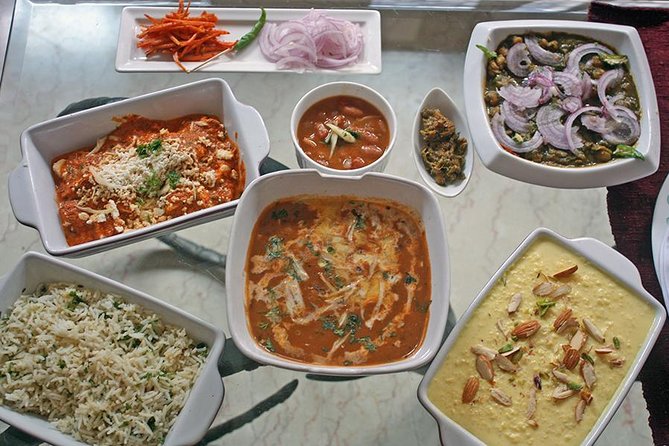
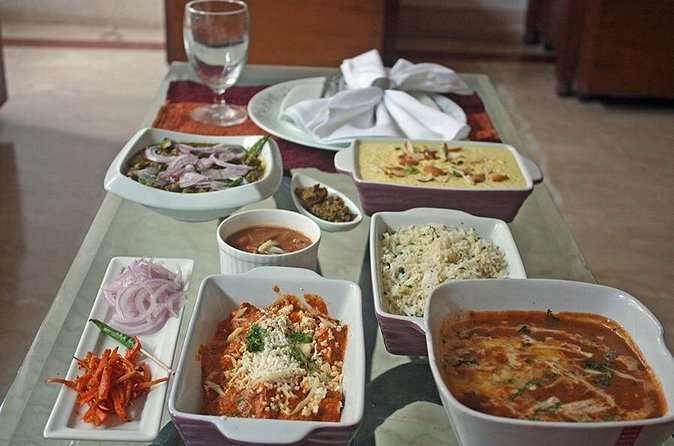
Your instruction includes paneer makhni and dal, and you’ll eat these with rice or Indian breads. This is a smart pairing for home cooks because it teaches two big building blocks of Punjabi-style vegetarian meals:
- Paneer makhni shows you how tomato-based gravies and spices create body and comfort. You’ll work through the steps that turn simple ingredients into a sauce that clings and tastes finished.
- Dal gives you the lens for lentils: texture, seasoning, and how to build depth without making the dish heavy.
Even if you don’t copy the exact dish perfectly on your first try, you’ll gain a feel for the method. That’s the real goal of a cooking class like this: you leave knowing what to watch for (consistency, seasoning balance, and how long components take).
You’ll be shown how to prepare up to three Punjabi dishes total. The specific combination is described as including roti/paratha plus paneer makhni and dal, with the overall menu being seasonal. If you want a particular dish style or variation, you should reach out in advance. The class is flexible on vegan needs, but seasonal ingredients can influence the exact menu.
Vegetarian Punjabi menu, vegan on request
Shilpa offers only vegetarian food, and she can also do a complete vegan meal if you request it. That’s helpful if you’re traveling with dietary restrictions and want one host to handle everything without awkward substitutions.
Because the menu is seasonal and subject to availability, vegan travelers should plan to message Shilpa before booking with your needs and preferences. You’ll get a smoother experience if she has time to adapt the plan and make sure you get an authentic Punjabi-style outcome rather than last-minute compromises.
Also, if you have allergies, the best move is to share them upfront. The class expects you to inform the host in advance about preferences, dietary restrictions, and allergies, which is exactly what you want from a private kitchen setting.
You can also read our reviews of more shopping tours in Mumbai



The sit-down meal: beer plus lunch or dinner
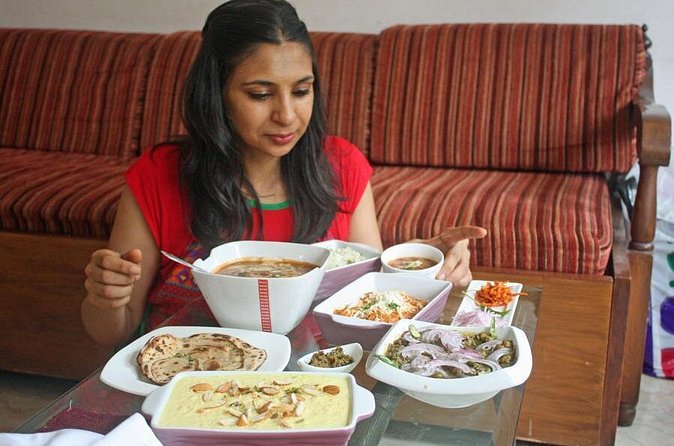
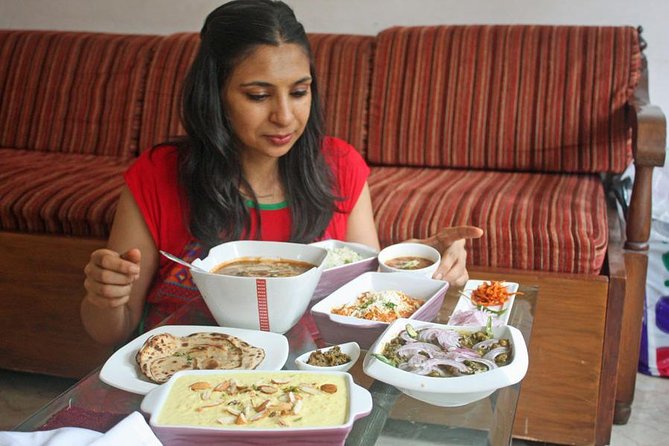
After cooking, you sit down for the meal. You get a complimentary glass of beer, and you can choose lunch or dinner. That choice matters because it affects your energy level: lunch classes can feel more like an afternoon activity, while dinner tends to be warmer and more relaxing.
Either way, the sit-down component is part of the value. It’s how you learn what “finished” should taste like and how the bread, dal, and gravy work together on the plate. If you’re the type who likes to understand food, eating your own cooking right away is one of the fastest ways to lock in flavor cues.
And since the class is vegetarian Punjabi focused, the meal structure is consistent: breads plus lentils plus a gravy dish. That makes it easier to recreate later with confidence.
Private format: what you gain (and what to watch for)
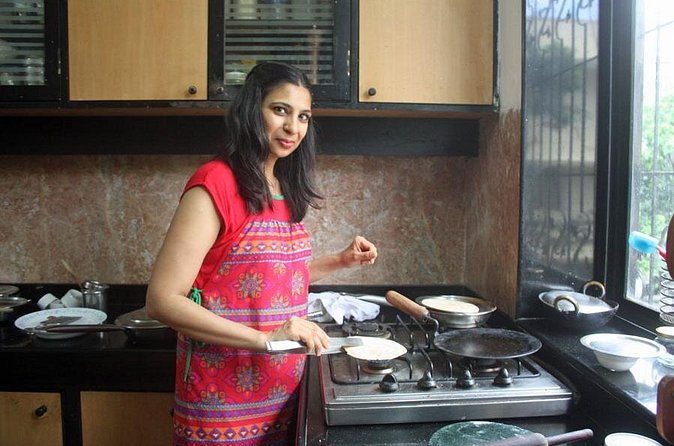
This is a private tour/activity, so only your group participates. That changes everything compared to larger cooking classes. You can ask questions without waiting your turn, and Shilpa can adjust explanations to your pace.
One thing to keep in mind: some people may find the steps move quickly at certain points. The good news is that Shilpa is willing to instruct again when needed. Still, if you’re nervous about timing—especially with flatbread—tell Shilpa early and ask for a slower walkthrough at the start.
For the best experience, come ready with one or two questions:
- Which step affects thickness or texture the most for roti/paratha?
- How do you know dal is done in terms of consistency?
- What makes the makhni gravy taste cohesive?
In a private setting, asking those questions early saves time and improves results.
Timing and what 3 hours really means
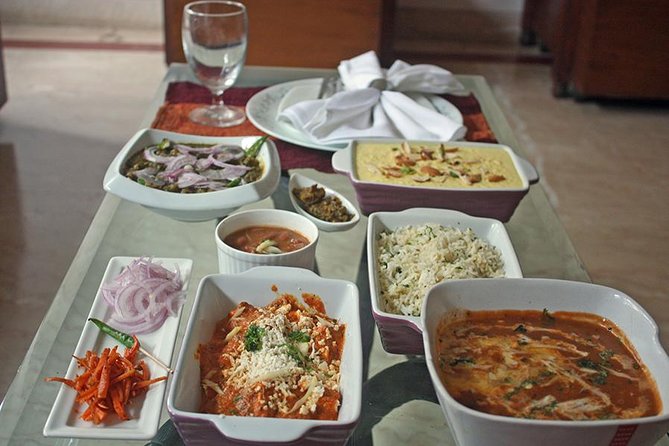
The class is listed at about 3 hours total. The itinerary is compact: grocery store for around 30 minutes, then back to the home for cooking instruction and the meal. That’s plenty of time to learn fundamentals, but it also means you won’t leave with a dozen complex recipes. The upside is focus—you’ll get practice and guidance on the core dishes rather than a chaotic sampling.
If you’re planning a full day in Mumbai, I’d treat this as a centerpiece activity. Plan your other plans around it so you’re not rushing to make it. Starting time flexibility helps, so if you’re trying to line this up with other sightseeing or transport, ask Shilpa directly through WhatsApp.
Price and value: is $64 a good deal for this format?
At $64 per person, this sits in a fair zone for a private, at-home cooking class in Mumbai—especially because you get:
- a private group experience
- a guided covered grocery store visit
- instruction on multiple core dishes (up to three Punjabi dishes)
- a sit-down meal with beer included
Where the value really comes from is the combination of instruction and context. Many cooking classes in big cities teach recipes but skip the ingredient choices. Here, you learn the produce and pantry thinking in the local store, then you cook those ingredients at home. That’s why the price feels more justified: you’re not just buying a meal—you’re buying a transferable skill set.
If you’re comparing costs, also factor in what you’d spend on dinner plus groceries plus a guided ingredient lesson. Even if you don’t cook again immediately, the ability to recreate roti/paratha and learn gravy + dal structure can turn the class into a long-term win.
Who should book this cooking tour
This experience is a strong fit if you:
- want a real home-kitchen class rather than a studio setup
- like learning ingredients and spices, not just following a recipe
- cook vegetarian (or need vegan options)
- prefer smaller, personal attention
It’s also a good pick for couples or friends who want a shared activity without the distraction of strangers. If you’re a confident cook, you may still enjoy it for technique and flavor logic, but your best payoff will come from asking questions and practicing the bread steps carefully.
If you need an outdoor bazaar vibe, note the market stop is a covered grocery store, not an open-air market. It may not feel as “street scene” as you expected, but it’s practical for food learning.
Should you book Private Market Tour and Vegetarian Cooking in Mumbai?
I’d book it if your goal is to learn Punjabi vegetarian cooking in a way you can actually repeat at home. The private format with Shilpa, the covered grocery store ingredient lesson, and the core dishes—roti/paratha, paneer makhni, and dal—give you both technique and taste structure. The meal payoff is included, and the vegan adaptation on request makes it easier to plan confidently.
Skip or reconsider only if you’re mainly chasing an open-air market experience or you’re demanding one very specific dish regardless of season. For everything else—especially if you want a friendly, family-style teaching experience—this is a solid use of your time in Mumbai.
FAQ
What dishes will I learn during the class?
You’ll learn roti or paratha (flatbread), and the class also includes paneer makhni and dal. The plan covers preparation of up to three Punjabi dishes, and the exact menu is seasonal.
Is this class vegetarian or can it be vegan?
Shilpa offers vegetarian food only, and she can adapt to a complete vegan meal on request.
Is the market stop an open-air market?
No. The market tour is at a covered grocery store where Mumbai locals shop for produce daily.
What’s included with the meal?
You’ll have a sit-down meal after cooking. The experience includes a complimentary glass of beer and your choice of lunch or dinner.
How long does the experience take?
The duration is approximately 3 hours.
Is this a private group experience?
Yes. It’s a private tour/activity, so only your group participates.
Can I cancel for a full refund?
You can cancel up to 24 hours in advance for a full refund. Changes made less than 24 hours before the start time aren’t accepted, and refunds won’t be available if you cancel within 24 hours of the start.