REVIEW · MUMBAI
The Mumbai by Dawn Tour
Book on GetYourGuide →Operated by Mumbai Dream Tours · Bookable on GetYourGuide
Morning in Mumbai has a job to do. This is a tight dawn-first tour that turns everyday city systems into something you can see, smell, and understand, from the fish auction to the markets people shop before sunrise.
I especially like the sensory hit at Dadar Market, where color and fragrance kick in early, and the human-scale reality at Dhobi Ghat, where thousands of washermen keep the city’s linens moving every single day.
One drawback: this tour runs on a very early start, and if you expect everything to be fully underway right at first light, you may end up waiting for parts of the schedule to really get going.
In This Review
- Key highlights worth waking up for
- Why a 4-hour dawn tour can feel like the real Mumbai
- Pickup, timing, and how to start your morning without regrets
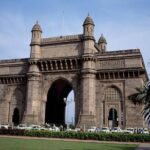
- Gateway of India at sunrise: the visual opener
- Chhatrapati Shivaji Maharaj Terminus: where the morning traffic includes newspapers
- Crawford Market and Marine Drive: quick guided breaks between big sights
- Dhobi Ghat: the laundry line that keeps Mumbai’s hotels and hospitals running
- Dadar Market and Flower Market Dadar: color, fragrance, and bargaining energy
- Sassoon Dock: wet docks, Koli fisherfolk, and the Bombay Duck auction
- The morning prayer moment and why it matters
- Skip-the-wait touring: what a live guide changes
- Who this private dawn tour fits best
- Price and value: is $89 per group up to 2 a good deal?
- Should you book the Mumbai by Dawn Tour?
- FAQ
- How long is the Mumbai by Dawn Tour?
- What is the price of the tour?
- Is pickup and drop-off included?
- What language is the tour guide?
- Is this a private tour or a group tour?
- What are the main stops on the route?
- What do you see at Sassoon Dock?
- Is morning prayer included?
- Is free cancellation available, and can I pay later?
Key highlights worth waking up for
- Fish auction at Sassoon Dock: You’ll see the arrival and grading of huge quantities, plus a one-of-a-kind auction for Bombay Duck.
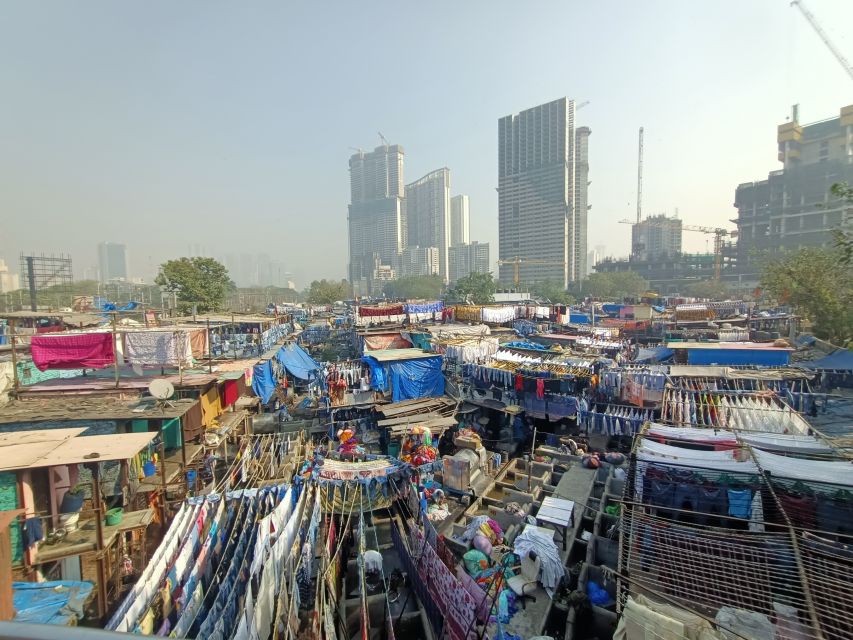
- Dhobi Ghat’s daily laundry operation: Concrete wash pens, thousands of dhobis, and the scale of linens handled every day.
- CST as a morning engine: Chhatrapati Shivaji Maharaj Terminus comes alive as both a massive station and a newspaper sorting hub at dawn.
- Market browsing before the crowd: Morning bargaining at wholesalers and the early color/fragrance you get at Dadar.
- A real-world chain from sea to city: The tour shows how trade and daily life restart before most people even think about breakfast.
Why a 4-hour dawn tour can feel like the real Mumbai
Mumbai at night is one kind of show. Mumbai at dawn is another. The whole point of this 4-hour morning plan is to catch the city while it’s working: sorting newspapers, moving produce, washing linens, and trading fish before the day’s rush takes over.
This tour also makes a promise that’s easy to understand even before you start: you’ll get an inside look at where food and even everyday items come from. It’s not about monuments for the sake of it. It’s about systems. And that matters because Mumbai’s pace is so strong that, without context, you just feel like you’re watching life go by. With this kind of early route, you learn what’s driving it.
Value-wise, the pricing is $89 per group up to 2. For a private morning with pickup, a live English guide, and a route that strings together multiple major “city engines,” that can be a sensible use of time—especially if you’re traveling as a pair.
You can also read our reviews of more tours and experiences in Mumbai.


Pickup, timing, and how to start your morning without regrets

Your tour pickup happens from Mumbai, with pickup included. You’re asked to wait in the hotel lobby about 10 minutes before the scheduled pickup time. From there, the route begins at Gateway of India, timed for sunrise with a short guided visit and sightseeing.
Two practical things I’d keep in mind. First, don’t plan a late night the day before. You’re committing to an early start, and Mumbai mornings don’t slow down just because you’re still sleepy. Second, treat this like a morning activity, not a relaxed stroll. It’s short stops, then movement again.
Also, this is described as a private group experience. That usually helps because your guide can keep the pace aligned with your group and explain what you’re seeing while you’re still looking at it.
Gateway of India at sunrise: the visual opener
You get a 20-minute sunrise moment at Gateway of India, with guided time and sightseeing. This is a good opener because it sets the mood. You’re seeing a famous landmark while the city is still switching on. It’s quick, but it does two useful things: it gets you oriented in the broader city geography and it gives your brain a “we’re up early on purpose” signal.
Don’t overthink it. This isn’t the long stop on the schedule. It’s the warm-up before the busier, more hands-on parts begin.
Chhatrapati Shivaji Maharaj Terminus: where the morning traffic includes newspapers
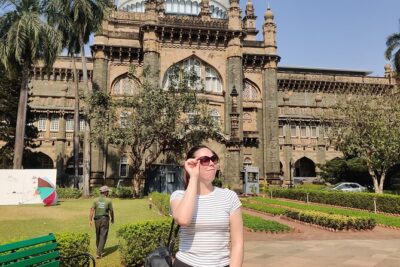
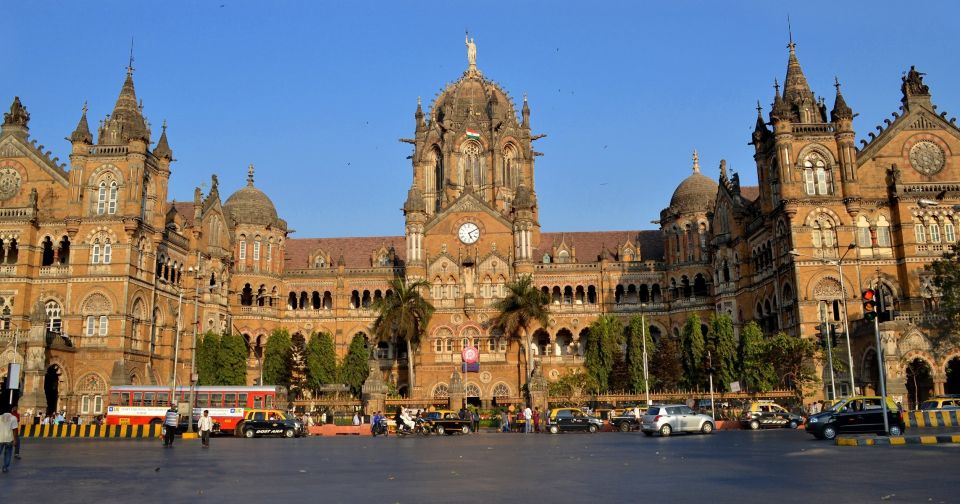
The largest concentration of meaning early in the day is at Chhatrapati Shivaji Maharaj Terminus (CST). The tour frames this station as a highlight with serious daily scale—around 660,000 footfalls daily—and it also notes that CST serves as the city’s largest newspaper sorting area at dawn.
That detail changes how you experience the building and the station. You’re not only looking at architecture and trains. You’re watching a logistics system that supports daily life beyond Mumbai’s borders: papers moving quickly enough to reach homes and businesses, after night-to-morning sorting.
In practical terms, you’ll get:
- Guided time and a short walk inside the morning rhythm
- A first interaction described as starting with a newspaper vendor
- Then a walk across the street to wholesalers dealing in produce like fruit, flowers, and vegetables
If you like travel that connects the dots—how a city functions—this stop is the anchor.
Crawford Market and Marine Drive: quick guided breaks between big sights
After CST, the tour keeps rolling with two additional sightseeing stops:
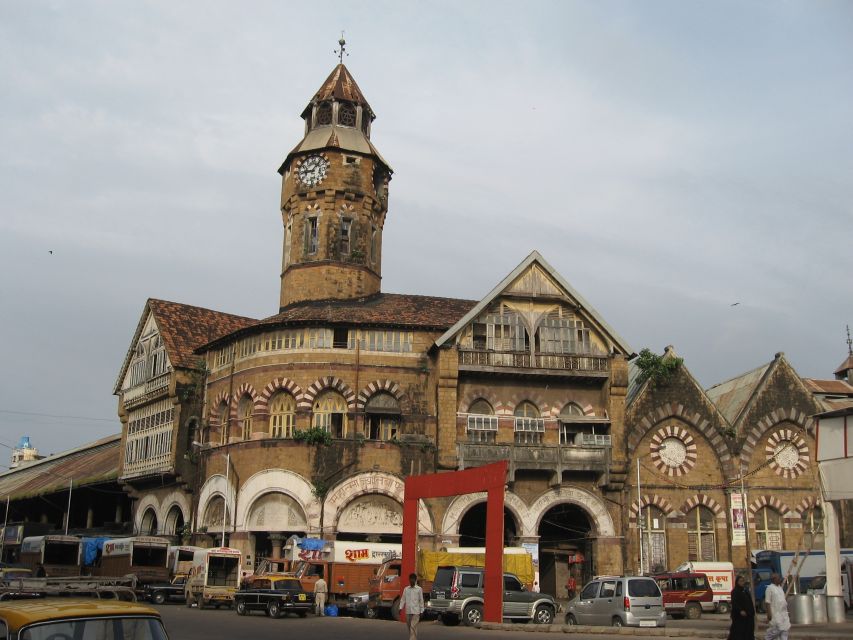
- Crawford Market (guided visit with a walk, about 30 minutes)
- Marine Drive (guided sightseeing, about 30 minutes)
These segments are shorter, and that’s not a mistake. They work like transitions. You move from the station’s morning machine to a market environment where trading and bargaining are part of the atmosphere, then to Marine Drive for a change of pace.
Since the day is about seeing trade and daily life, these stops help you understand Mumbai isn’t one-note. It has multiple “work zones” happening at once. And even if one stop is a bit more visually familiar than another, the early-morning context makes it feel different.



Dhobi Ghat: the laundry line that keeps Mumbai’s hotels and hospitals running
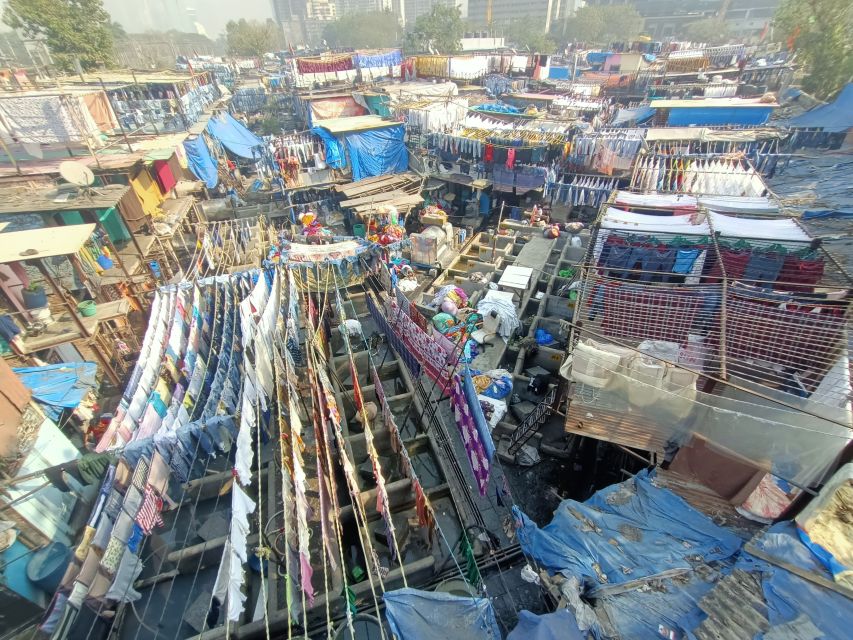
If you want one stop that explains Mumbai’s everyday life in a way that photos can’t quite do, it’s Dhobi Ghat.
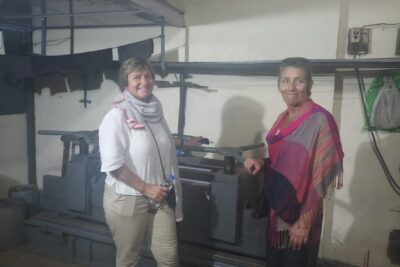
The tour describes rows of open concrete wash pens where thousands of dhobis scrub, flog, wash, and bleach clothes every day. The scale numbers are dramatic: more than 7,000 dhobis washing over 100,000 clothes daily. It also specifies the kinds of items being processed, including linens for hotels and hospitals, plus clothes from local laundries.
This is where the tour’s theme really clicks. You start thinking in supply chains. Not just where things come from, but how labor and time move through a city.
One word of caution: this is a place where you should be ready for strong smells and intense visuals. If odors are a problem for you, this may feel like too much early in the morning. If you can handle it, it’s genuinely eye-opening.
Dadar Market and Flower Market Dadar: color, fragrance, and bargaining energy

The route includes Dadar Market and then later Flower Market Dadar, each with guided sightseeing time (the flower stop is listed at about 30 minutes).
What I like about these market segments is that they’re not treated as side quests. They’re tied directly to the tour’s focus on fresh food and morning trade, with mornings being described as crucial for business in Mumbai because fresh supplies matter.
The tour specifically calls out Dadar Market as an early-morning scene with color and fragrance. That’s not a small detail. Markets like this are where you feel the city’s “wake up” energy.
Practical tips here are simple:
- Move slowly so you can watch bargaining and handling without getting swept up
- Keep your expectations flexible; morning markets can be busy in uneven bursts
- Expect lots of sensory input, including smells and close conversations
If you’re the type who likes street-level travel with real life happening around you, these market stops are some of the most rewarding parts of the schedule.
Sassoon Dock: wet docks, Koli fisherfolk, and the Bombay Duck auction
By the time you reach Sassoon Dock, the day becomes about sea-to-market reality. The tour describes Sassoon Dock as Mumbai’s first wet dock and notes it’s the only one open to the public.
It also frames the experience around the Koli fisherfolk, described as the original inhabitants of Mumbai. That context matters because you’re not just watching fish for sale. You’re watching part of a community’s working routine.
The tour highlights several specific things you’ll see at Sassoon Dock:
- The arrival and grading of 50 tonnes of fish
- A one-of-a-kind fish auction for the famous Bombay Duck
- A small distance train ride as part of the dock experience
This combination is why the tour feels different from many “morning market” options. You get scale, method, and the unusual auction format all in one place. It’s also the stop most likely to trigger strong reactions—because fish auctions are intense. Even if you’re not into seafood, the trading energy is the point.
The morning prayer moment and why it matters
At the end of the tour, you attend Morning Prayer at a famous place of worship, then you’re dropped back to your accommodation.
This part is easy to overlook in a schedule full of markets and working docks. Yet it adds something important: it reminds you this is a full day system, not just a trade system. People work, people sell, and people also pause for prayer.
For many visitors, this is the emotional landing. You finish with your brain still full of images, but your morning feels complete rather than just industrial.
Skip-the-wait touring: what a live guide changes
This is a guided experience with a live tour guide in English. It’s also listed as including pickup and drop, plus a skip-the-ticket-line option.
A live guide matters here because the tour isn’t only about what you see—it’s about what the city is doing. At CST, for example, the newspaper sorting fact makes the station feel purposeful. At Dhobi Ghat, the scale numbers help you interpret what you’re seeing rather than treating it like a random spectacle.
In other words, the guide helps you translate Mumbai’s morning into meaning.
Who this private dawn tour fits best
This tour is a great fit if you:
- Enjoy street-level travel that explains how cities function
- Like early mornings when the light is still soft and the city is in work mode
- Want a concentrated route instead of a DIY scramble across multiple locations
- Travel as a pair and can use the per-group pricing of up to 2 people
It may be less ideal if you:
- Hate early starts and can’t handle a very morning-scheduled day
- Prefer tours that focus more on relaxed sightseeing than on intense sensory stops like laundry and fish
One review concern in the provided feedback mentions confusion about how early the start feels if you expect major action later in the morning. That’s a fair consideration. This tour’s premise is that dawn is when the city’s engines turn on, but your personal tolerance for early-morning waiting will vary.
Price and value: is $89 per group up to 2 a good deal?
At $89 per group up to 2, you’re paying for a private, guided morning route that stacks multiple major stops into 4 hours. You’re also getting pickup and drop, English-speaking guidance, and the dock-related logistics (including a short train ride).
Where the value really shows is in time and coordination. Mumbai mornings spread out. Trying to stitch together CST, Dhobi Ghat, Dadar markets, and Sassoon Dock on your own can turn into a half-day of transit and guesswork. Here, it’s planned as one continuous morning.
For a pair, the cost is often easier to justify because you split the group price. If you’re traveling solo, the value still can work if the private guide and tight route matter to you, but the per-person economics depend on how your booking is structured.
Should you book the Mumbai by Dawn Tour?
Book this tour if you want the Mumbai that most visitors miss: the morning trade and labor systems that make the city run. I’d especially recommend it if you’re curious about how food, newspapers, laundry, and fish connect to daily life.
Skip it (or at least reconsider timing) if early mornings feel like a deal-breaker for you. Also think twice if strong smells are an issue for you, because Dhobi Ghat and the fish auction side of the day are not designed to be delicate.
If you’re the kind of traveler who likes practical authenticity over polish, this is the sort of tour that gives you real context fast.
FAQ
How long is the Mumbai by Dawn Tour?
The tour lasts 4 hours.
What is the price of the tour?
It costs $89 per group up to 2.
Is pickup and drop-off included?
Pickup is included. You wait in your hotel lobby about 10 minutes before the scheduled pickup time, and you’re dropped back at your accommodation at the end.
What language is the tour guide?
The live tour guide speaks English.
Is this a private tour or a group tour?
It’s listed as a private group.
What are the main stops on the route?
You’ll visit Gateway of India at sunrise, Chhatrapati Shivaji Maharaj Terminus (CST), Crawford Market, Marine Drive, Dhobi Ghat, Flower Market Dadar, and Sassoon Dock.
What do you see at Sassoon Dock?
You see the arrival and grading of 50 tonnes of fish, and you also witness an auction for Bombay Duck. The experience also includes a small distance train ride.
Is morning prayer included?
Yes, you attend Morning Prayer as part of the tour near the end.
Is free cancellation available, and can I pay later?
Yes. You can cancel up to 24 hours in advance for a full refund. There’s also a reserve now and pay later option, with pay nothing today.
If you want, tell me your travel dates and whether you’re going as a solo traveler or with a partner, and I’ll help you decide if this early schedule is a good match for your style.