REVIEW · CITY TOURS
Mumbai: 5 Hours Private City Sightseeing Tour with Guide
Book on GetYourGuide →Operated by Magical Mumbai Tours · Bookable on GetYourGuide
Mumbai can feel like sensory overload. This private, 4-hour loop helps you hit the key sights with an English-speaking guide and a car that keeps you moving efficiently. I especially like how the itinerary can be adjusted to what you care about, and how the stops mix famous landmarks with real-day Mumbai moments, like Dhobi Ghat.
The main thing to watch is that you will walk at several points. Wear comfortable shoes, plan around weather, and tell your guide about any mobility concerns early.
In This Review
- Key Highlights You’ll Actually Feel on the Day
- How the 4-Hour Private Format Works in Mumbai
- Meeting at Taj Mahal Palace and Getting Around With Less Friction
- Gateway of India and Colaba: The First Chapter of the City
- Marine Drive and the Hanging Gardens: Views That Don’t Need a Full-Day Ticket
- Chhatrapati Shivaji Maharaj Terminus and Oval Maidan: Architecture With a Story
- Dhobi Ghat: The Daily-Life Stop That Changes the Way You See the City
- Mani Bhavan: Gandhi’s Story in a Museum Setting
- Haji Ali Dargah and Malabar Hill: Faith on an Islet
- Crawford Market and Fort Mumbai: Color, Smell, and Practical Guidance
- How Much Walking Is Involved (and How to Prepare)
- Price and Value: What $40 Buys You in Real Terms
- Who This Tour Fits Best
- Should You Book This Private Mumbai Sightseeing Tour?
- FAQ
- What is the duration of this Mumbai private sightseeing tour?
- How much does the tour cost?
- Where do we meet our guide and driver?
- Is pickup and drop-off included?
- Is this tour private?
- What’s included in the price?
- Is food included?
- Do you skip the ticket line?
- Are there any dress or clothing rules?
Key Highlights You’ll Actually Feel on the Day
- Tailored pacing: your guide adjusts the route to match your interests instead of forcing a single rigid script
- Big landmarks, minimal stress: Gateway of India, Marine Drive, and Chhatrapati Shivaji Maharaj Terminus are all covered
- Daily-life stop included: Dhobi Ghat gives you a close-up look at open-air laundry routines
- Gandhi context beyond photos: Mani Bhavan is handled as a museum visit, not just a quick photo
- Market time with guidance: Crawford Market is part of the plan, so you have someone to explain what you’re seeing
How the 4-Hour Private Format Works in Mumbai
Mumbai rewards planning. But planning can also burn time. This tour is built around a simple idea: cover the important parts of the city in a short window, while your guide handles the why behind the landmarks and the practical flow between them.
You get a private group, so you’re not waiting for anyone else’s pace. And because the route can be customized, I like that you can steer the day. If you care more about architecture, you can linger longer around the UNESCO site area. If you’re more interested in everyday life and religion, you can lean into Dhobi Ghat and Haji Ali Dargah.
The tour is also time-aware. It’s planned for about 4 hours, which means you can still fit another activity the same day without feeling like you’ve booked your whole itinerary to one place.
You can also read our reviews of more guided tours in Mumbai


Meeting at Taj Mahal Palace and Getting Around With Less Friction
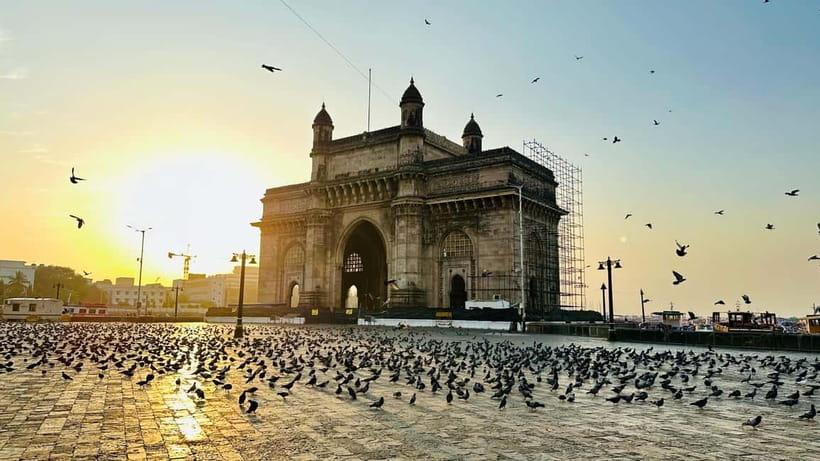
The meeting point is straightforward: you meet your guide and driver at the main gate of Taj Mahal Palace hotel near Gateway of India. If your option includes pickup from your hotel, you’ll meet them at your hotel’s pickup point instead.
You’ll travel in an air-conditioned vehicle with a driver, plus the price covers tolls and parking fees. For a city like Mumbai, that matters more than you might think. Even short distances can eat time, and sitting in traffic while the sun heats up your patience isn’t the way to spend your day.
You’ll also get bottled mineral water. It’s included, and in warm weather you’ll be glad it’s already there.
One practical tip: if you want photos, ask your guide where to stand before you shoot. With limited time, you want the best angles without wandering into spots where people are trying to pass.
Gateway of India and Colaba: The First Chapter of the City

Most first-timers start in the same place: Gateway of India. This tour begins with a guided visit there, and that’s a smart way to orient yourself. Gateway of India isn’t just a photo stop on this route; it’s treated with historical context, so you’re not guessing what you’re looking at.
From there, you head to Colaba, where you’ll get guided time in the streets around the markets. The goal here is practical: souvenirs and local delights, with your guide helping you interpret what’s where and what to prioritize if you only have a few hours.
Colaba can be crowded, and the weather can change quickly. If rain hits, you’ll want to keep moving and be ready to adjust your plans. In one experience, even very wet weather didn’t derail the day, thanks to a guide and driver who stayed flexible and kept the tour enjoyable.
Marine Drive and the Hanging Gardens: Views That Don’t Need a Full-Day Ticket
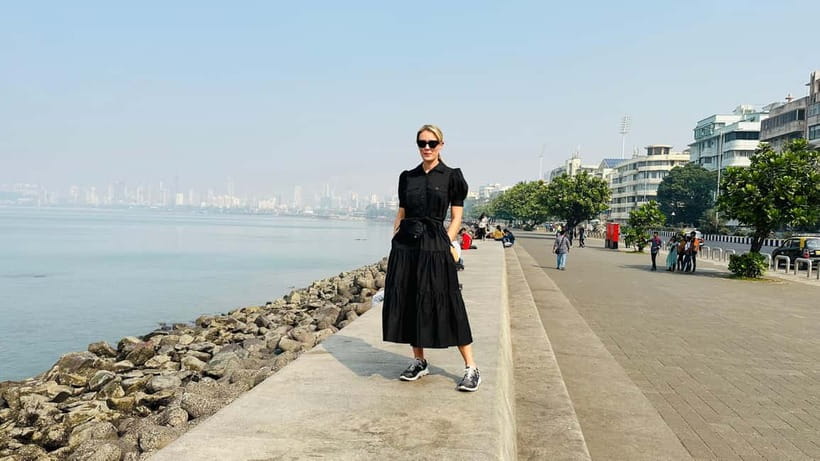
Next up is Marine Drive, known as the Queen’s Necklace. Your guide gives context, and you get time to enjoy the coastal views. This is one of those stops where you’re looking at the city, not just through it. If you like skyline moments and a sense of place, Marine Drive delivers.
Then you’ll visit Hanging Gardens at Malabar Hill, described as greenery with panoramic views. Even if you don’t spend ages taking photos, this stop works as a breathing point. It breaks up the denser market-and-streets feeling and gives you a chance to reset before you move into museums and daily-life areas.
Comfort matters here. You’re walking at some locations, so shoes that handle uneven pavement are worth the extra attention.
Chhatrapati Shivaji Maharaj Terminus and Oval Maidan: Architecture With a Story
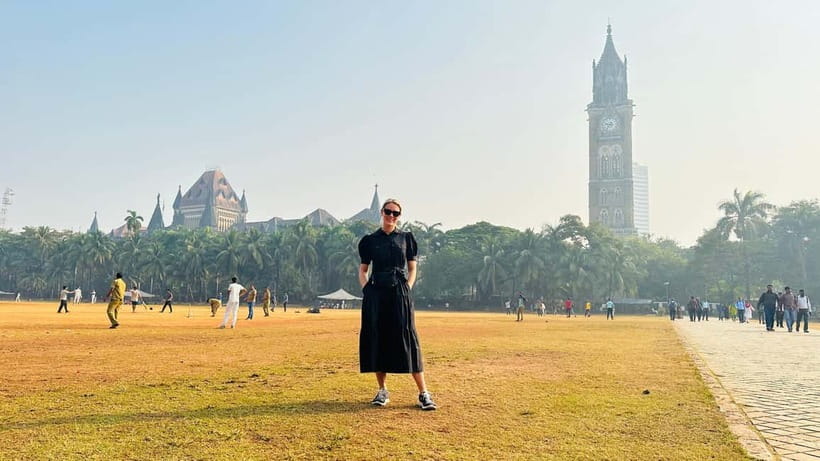
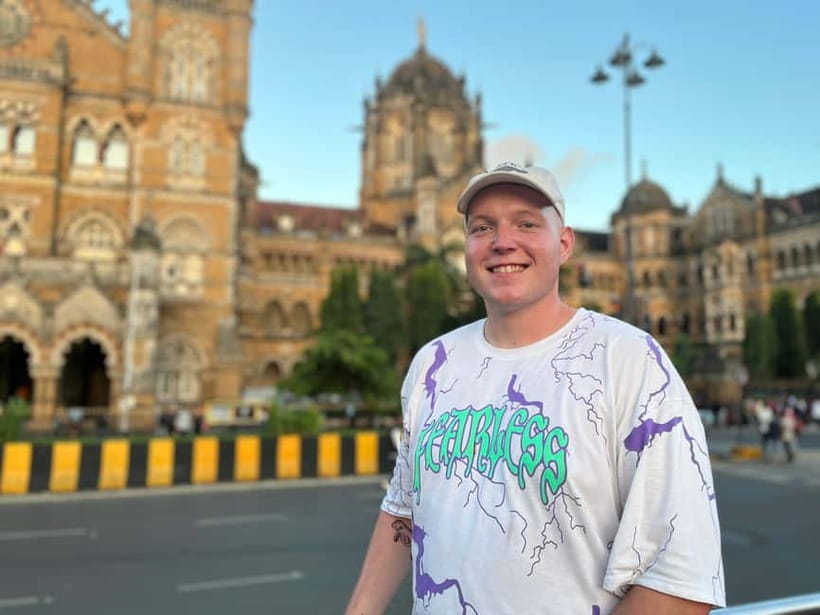
The tour includes Chhatrapati Shivaji Maharaj Terminus, a UNESCO World Heritage Site. You’ll get guided time focused on its Victorian Gothic architecture, and that framing helps a lot.
It’s easy to treat a famous building like a landmark checklist item. Having a guide explain what makes the style distinctive makes the building more memorable. Instead of just noticing the façade, you notice the details the guide is pointing out—and you start to understand why the site matters enough for UNESCO.
After that, there’s a stop at Oval Maidan. While this is a shorter moment compared to some other stops, it’s part of how the day is paced. It helps break up the heavier stops so you don’t feel like you’re sprinting from one attraction to the next.
If architecture is your thing, this is the section where you’ll appreciate having someone translating what you’re seeing into plain language.
You can also read our reviews of more city tours in Mumbai






Dhobi Ghat: The Daily-Life Stop That Changes the Way You See the City

Now for one of the most distinctive parts of this tour: Dhobi Ghat, the open-air laundry. This isn’t presented as a quick glance; your guide gives explanations and stories about daily routines in Mumbai.
This is where the tour becomes less about famous buildings and more about how people actually live around them. Even if you’ve seen photos, being there changes the scale and the feeling. You’re watching a working system in real time, not a staged scene.
Ethical note: treat this as a respectful observation. Your guide is there to set the tone, and you’ll get the most from the experience when you focus on learning rather than gawking.
If you’re sensitive to crowds or prefer quieter streets, tell your guide up front. The tour can be customized, and a good guide will help you manage pacing and expectations while keeping the core sights covered.
Mani Bhavan: Gandhi’s Story in a Museum Setting
Next is Mani Bhavan, Gandhi’s former residence now operating as a museum dedicated to his life and work. This stop adds a deeper layer to the day, especially if you came to Mumbai for both culture and history.
I like that this isn’t just a landmark name. Because it’s set up as a museum visit, you get time to process it as a story. Instead of rushing through plaques, you can absorb the context your guide shares.
If you’ve read about Gandhi before, this visit can feel like it adds texture. If you haven’t, it gives you a starting point that helps other parts of Mumbai’s identity click into place later.
Haji Ali Dargah and Malabar Hill: Faith on an Islet

The tour includes Haji Ali Dargah, described as a mosque on an islet. This is one of those stops that visually changes how the city looks. You’re not only seeing architecture or streets; you’re seeing spirituality placed into a specific, isolated setting.
Your guide explains the significance and helps you understand what you’re looking at. Even a short visit can feel meaningful because the location itself does the storytelling.
Dress and etiquette matter here. The tour information specifically notes no see-through clothing. If you’re unsure what counts as see-through for your outfit, it’s safer to choose something opaque and comfortable.
Crawford Market and Fort Mumbai: Color, Smell, and Practical Guidance
Then you shift into Crawford Market, where your guide helps you understand the energy of one of Mumbai’s famous bazaars. The description is specific: the market covers everything from fresh produce to exotic spices.
This kind of stop is where a guide earns their fee. Without help, markets can be overwhelming. With guidance, you can focus on what you actually want—say, produce samples, spice varieties, or just learning what each section is known for.
The tour also includes Fort Mumbai. That’s listed as a guided stop as part of the overall route. In practice, this tends to be a helpful change of scenery before your day wraps up, especially since you’re already covering major landmarks and then markets.
How Much Walking Is Involved (and How to Prepare)
This isn’t a wheelchair-optimized or zero-walking tour based on the information given. It explicitly says there is walking at some locations, so plan on footwear that can handle stairs and outdoor steps.
Also, be honest about your body. In one experience, a guide named Aryan was understanding with a guest who had knee surgery and helped them negotiate stairs safely. That doesn’t mean every situation is identical, but it does tell you something important: if you communicate your needs before you go, the guide can often adjust how you handle tricky areas.
Weather can be a factor too. One account highlights a rainy day where the guide and driver kept the tour enjoyable anyway. Pack with that in mind: a small umbrella or rain layer can make a big difference.
Price and Value: What $40 Buys You in Real Terms
At $40 per person for about 4 hours, you’re paying for three main things:
- Guide time in English, including stories and explanations that make the sights easier to understand
- Hotel pickup and drop-off plus an air-conditioned car and driver, which saves you time and stress
- Entry tickets included, plus bottled water and fees for tolls/parking
The value is strongest if you want to avoid the mental overhead of figuring out routes, ticket timing, and what matters at each stop. If you only care about one or two places, this might feel like more than you need. But if you like variety—landmarks, daily life, markets, and a museum—this price starts to look pretty sensible.
One thing to note: food and drink are not included, so you’ll need to budget for a snack or meal if the tour timing doesn’t line up perfectly with your hunger. The good news is that a market stop can make that easy.
Who This Tour Fits Best
This tour makes particular sense if:
- You want a private day with an English-speaking guide who can explain as you go
- You like mixing big sights (Gateway of India, Marine Drive, UNESCO CST) with smaller, more human moments like Dhobi Ghat
- You’re visiting for a short time and want a plan that covers a lot without feeling like you’re running around alone
It’s also a good pick for travelers who appreciate flexibility. The itinerary is customizable, so you can adjust the day toward history, architecture, religion, or local market energy.
If you prefer to self-explore with no schedule, you might find the structure limiting. But if you want momentum and clarity fast, this format is a strong match.
Should You Book This Private Mumbai Sightseeing Tour?
I’d book it if you want a guided, efficient first pass through Mumbai that includes both the famous postcard sites and real-day city scenes. The biggest selling points for me are the English-speaking guides who are praised for both knowledge and helpfulness, plus the way the route mixes different types of experiences in just 4 hours.
Skip it only if you hate walking, dislike guided structure, or you already know exactly which stops you want and you’re confident building the day on your own.
If you book, do two simple things: wear comfortable shoes, and tell your guide what matters to you most. Guides like Aaron with Jacob as driver, Shruti with Hassan, and Aryan with Sultan are being praised for making the experience smooth—even when weather turns—so your day should feel well-managed as long as you communicate clearly.
FAQ
What is the duration of this Mumbai private sightseeing tour?
The tour lasts 4 hours.
How much does the tour cost?
The price is $40 per person.
Where do we meet our guide and driver?
Meet at the main gate of Taj Mahal Palace hotel near Gateway of India.
Is pickup and drop-off included?
Yes. Hotel pickup and drop-off are included in the price, and the guide will meet you at your hotel’s pickup and drop-off point.
Is this tour private?
Yes. It’s a private group tour.
What’s included in the price?
Included are all entry tickets, an English speaking tour guide, hotel pickup & drop-off, air-conditioned car & driver, toll & parking fees, and bottled mineral water.
Is food included?
No. Food or drink is not included.
Do you skip the ticket line?
Yes. The tour includes skip-the-ticket-line.
Are there any dress or clothing rules?
The information notes that see-through clothing is not allowed. Comfortable shoes are recommended.