REVIEW · MUMBAI
Traditional Indian Immersive Cultural Experience
Book on Viator →Operated by The Sister Studio · Bookable on Viator
A small studio can teach you a lot fast. This two-part Worli visit is built around a private collection of about 300 dolls, masks, and figurines, plus a second stop of thematic drawings, with folk stories and cultural context that make everything feel alive. I love the way the pieces are explained in plain language—history, geography, social life, and even textiles are tied together. I also like the international mix (including dolls from Japan, Iran, Nepal, Bhutan, Indonesia, and Ukraine) that shows how craft traditions travel and transform. One possible drawback: the collection is fragile, so access is limited for kids under 10.
You’re not doing a big-ticket museum loop. Instead, you’re stepping into a resident-studio setting, looking closely at artifacts behind glass cabinets while your guide connects them to the cultures that created them. If you want quick photo stops and wide-open spaces, this may feel slow. If you like stories, symbolism, and why objects matter to daily life, you’ll probably have a great time.
In This Review
- Key points that make this studio tour worth your time
- A Doll-And-Mask Studio Tour In Worli: What You’re Really Paying For
- Stop 1 in Worli/Prabhadevi: Entering The Private Collection Of Dolls, Masks, And Figurines
- A realistic “what to expect” moment
- Why The Legends And Textiles Matter More Than You Think
- Stop 2: The Themed Drawings Room (Motherhood, Mind, Pandemic Isolation)
- Note on pacing
- How To Enjoy The Two-Part Format Without Feeling Rushed
- Location And Timing: Meeting At WeWork In Worli
- Value For $54: Is This Studio Tour Worth It?
- Who might feel it’s not for them
- Who Should Book This Studio Experience In Mumbai
- Should You Book This Studio Tour? My Practical Recommendation
- FAQ
- Where does the tour start and end?
- How long is the experience?
- What does the tour include?
- Is it a private tour?
- Is there an entry age limit?
- What ticket type will I use?
- When does it run?
- Is it near public transportation?
- How soon will I get confirmation after booking?
- What’s the cancellation policy?
Key points that make this studio tour worth your time
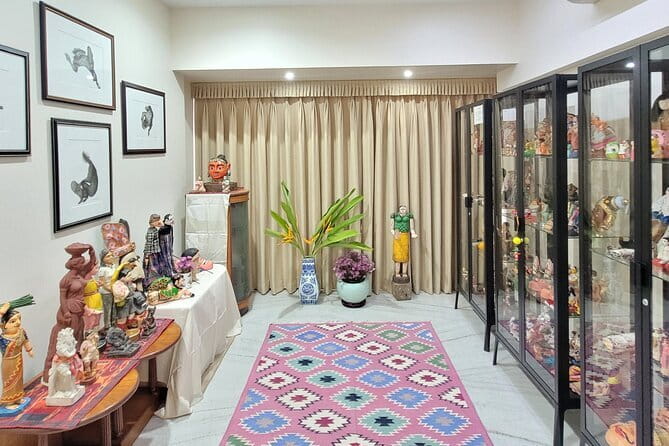
- About 300 artifacts on display in glass cabinets, including dolls, masks, and figurines
- Cultural context first: the tour connects craft forms to religion, society, geography, and history
- International and Indian craft links, with dolls from Japan, Iran, Nepal, Bhutan, Indonesia, and Ukraine
- Some pieces tied to endangered craft traditions, explained with care and context
- A second guided room of drawings on motherhood, mind intensity, pandemic isolation, and rural travel inspiration
- Strong storytelling quality, with folklore, legends, and trivia woven into what you see
A Doll-And-Mask Studio Tour In Worli: What You’re Really Paying For
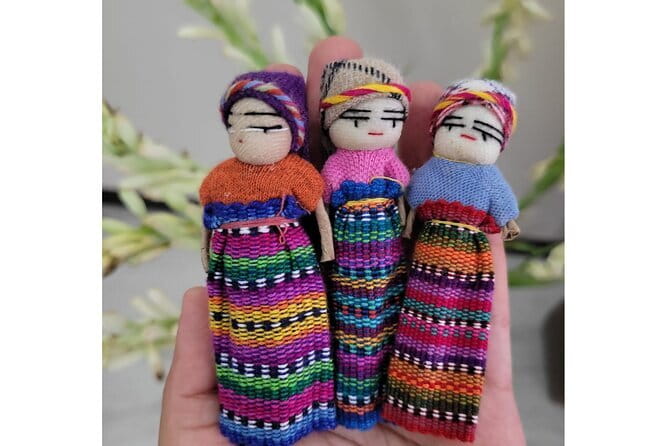
For $54, you’re buying time with a focused collection and a guide who talks through meaning—not just “what it is.” The whole experience runs about 3 hours, and it’s structured as two connected parts, both happening inside a small studio in a residential apartment area. That matters because you’re not competing with crowds, lines, or noise. You can actually hear the stories and think about what you’re looking at.
This is also a good value if you’re the type of traveler who likes “why” as much as “what.” The tour is designed around cultural craft forms—so you’ll learn how dolls, masks, and figurines can function in religious life, local identity, and community storytelling. There’s even mention that the collection has been recognized by the office of PM Narendra Modi and covered by leading Indian dailies, which adds credibility, even if the real proof is what you see and how it’s explained.
The price is fairly modest given the time and the access style (a private tour/activity where only your group participates). The main thing to know upfront: this is intimate. You should go in expecting a calm, story-driven visit rather than an “entertainment show.”
You can also read our reviews of more tours and experiences in Mumbai.


Stop 1 in Worli/Prabhadevi: Entering The Private Collection Of Dolls, Masks, And Figurines
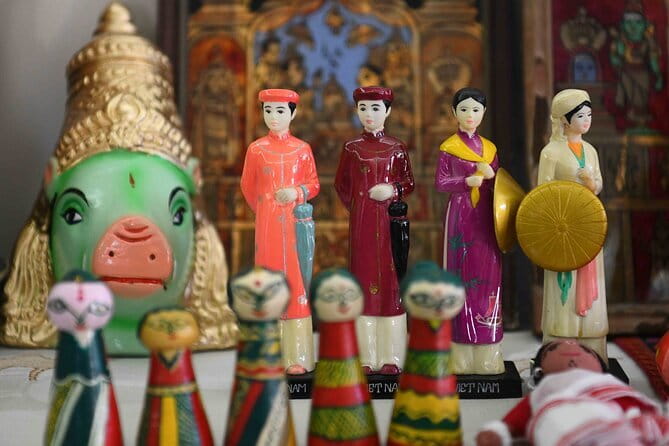
The first part starts in the Worli/Prabhadevi area, and it’s all about the studio display. About 300 pieces sit inside glass cabinets, which is both practical and necessary. Masks and figurines often have delicate surface details, and the studio emphasizes fragility, so you’ll likely be asked to handle the space quietly and respectfully.
What I like here is the breadth of what gets covered in a single stop:
- You’re shown craft forms originating across India.
- The tour explains how different pieces connect to religion and social life, not just aesthetics.
- The guide also brings in geography and history—how place shapes what a community makes and why.
- Textiles show up as a key thread, since clothing, patterns, and materials often carry identity.
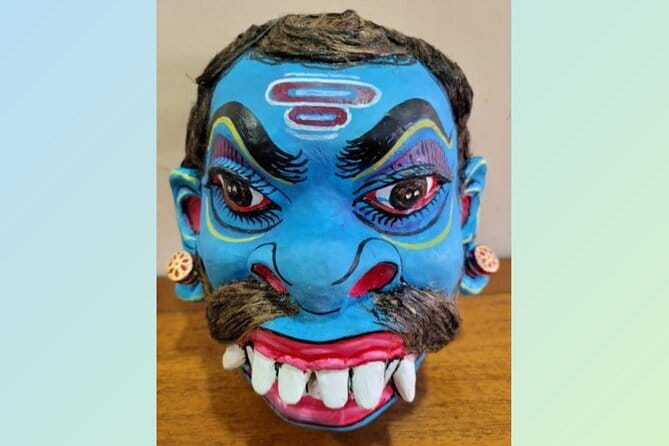
The tour also includes folk stories and legends tied to these objects. That’s a big deal because masks and dolls rarely exist only as decoration. In many traditions, they’re linked to ritual, character, moral lessons, or community memory. Even when you don’t know the background, the tour tries to translate symbolism into something you can follow.
Another strong plus: the studio doesn’t limit itself to Indian artifacts. You’ll see dolls from Japan, Iran, Nepal, Bhutan, Indonesia, and Ukraine among others. That international presence is useful because it quietly answers a common question you might have while looking at display cases: Did craft ideas stay put? The collection suggests that craft cultures cross borders—through trade, travel, and shared human themes—even if the styles and meanings differ.
One more detail that stands out from the experience description: the tour mentions that several craft traditions represented include pieces that are on the brink of extinction. That doesn’t mean every item is “lost forever” on the spot. Instead, it frames why documentation, preservation, and storytelling matter. You’re not just looking at artifacts; you’re looking at fragile cultural continuity.
A realistic “what to expect” moment
Don’t rush your eyes. You’ll get more out of this stop if you slow down and let the guide’s explanations attach to specific items. If you’re the kind of person who zooms past displays to grab photos, I’d switch gears. This studio works better when you stand still and listen.
Why The Legends And Textiles Matter More Than You Think
This tour spends time connecting craft objects to the larger cultural ecosystem: tribes, local customs, beliefs, and textiles. That sounds broad, but it pays off because it explains the logic behind what you’re seeing. When textile patterns and materials get tied to community identity, the objects stop feeling like random collectibles.
It also helps that the tour isn’t treated like a history lecture. Folk stories and trivia show up as memory hooks. You might hear a legend tied to a mask-like figure, or a historical note explaining where a craft style traveled (or didn’t). These pieces of context help you build a mental map, so the collection doesn’t feel like a checklist.
And yes, it’s okay if you don’t know Indian regional traditions yet. The experience is set up so you can follow along from the basics to more specific details about social and cultural meaning.
Stop 2: The Themed Drawings Room (Motherhood, Mind, Pandemic Isolation)
After the artifacts, you move to a walkthrough of drawings based on different themes. This second part shifts from three-dimensional objects to visual expression on paper, which changes the way you experience the culture.
The themes include:
- motherhood
- the explosiveness of the mind
- isolation experienced during the recent pandemic
- drawings inspired by travels through rural pockets of the country
This part matters because it links tradition to contemporary emotional life. The objects in the first room connect to inherited craft knowledge. The drawings in the second room connect to lived experience—how people process identity, inner life, and hardship through art.
If you love symbolism, this room is a great payoff. You can look at how artists interpret ideas like isolation and mental intensity visually, then step back and ask a practical question: how do different cultures express inner experiences? The contrast between masks/figures and drawings makes that comparison feel natural.
It’s also a good option if you’re traveling with mixed interests. Even if someone in your group isn’t all-in on dolls and masks, drawings can feel more immediately relatable. From the overall feedback style of the experience—people mentioning the presentation and how the stories brought objects to life—you can expect the guide to keep explaining as you go, not just point and move.





Note on pacing
Because the whole visit is only about 3 hours, you’ll want to stay present. This isn’t a “stay all day” museum. Plan to absorb, ask questions when something grabs you, and accept that you won’t see every single object equally. That’s normal—and honestly, that’s the advantage.
How To Enjoy The Two-Part Format Without Feeling Rushed
Here’s the simple advice I’d follow: treat this like a guided conversation with a visual anchor. You’ll enjoy it more if you:
- choose 5–8 items you’re curious about and focus your attention on them
- listen for the connections to tribes, customs, and textiles
- ask follow-up questions if a story sparks you
The studio-style setup also rewards calm behavior. Exhibits are fragile and behind glass cabinets, and the experience restricts entry for children under 10 due to fragility. That’s not just a rule for safety—it also helps the environment stay quiet enough to hear the explanations.
This also makes the tour a strong match for people who like culture with context. If your idea of travel is “I only want the main sights,” you might feel stuck in a room. If your idea is “I want to understand how people live and believe,” you’re going to be in the right place.
Location And Timing: Meeting At WeWork In Worli

The meeting point is WeWork, 1st floor, 264-265, Dr Annie Besant Rd, Municipal Colony, Worli Shivaji Nagar, Worli, Maharashtra 400025. The activity ends back at the meeting point. The tour runs during the studio’s opening hours, listed as 11:00 AM to 5:00 PM, Monday through Sunday, within the stated operational dates.
It’s described as near public transportation, which is useful in Mumbai where travel time can swing depending on traffic and exact route. My practical tip: build in a little buffer. Even if the tour itself is structured, Mumbai transit can be unpredictable.
Also, remember this is a studio experience, not a big museum building. Dress comfortably enough to stand and look closely, and keep your movement gentle near display areas.
Value For $54: Is This Studio Tour Worth It?

At $54 for about 3 hours, the value depends on what you want from Mumbai.
If you want the city’s big sights, you may feel like you’re paying for a quiet room. But if you’re specifically interested in Indian craft traditions—dolls, masks, figurines, folklore, and textiles—this is a concentrated experience that can save you hours of research and museum hopping.
The best part is the combination:
- a deep look at about 300 artifacts with cultural explanations
- a second stop in drawings tied to motherhood, mind intensity, and pandemic isolation
- a focus on symbolism and storytelling, not just visuals
And yes, the collection has been recognized by the office of PM Narendra Modi and covered by major Indian outlets. That doesn’t replace your own judgment, but it signals the collection isn’t random. It’s been noted publicly, which usually means more effort went into documentation and presentation.
Who might feel it’s not for them
Skip this if you’re looking for high-speed sightseeing, constant movement, or lots of photo opportunities. This is thoughtful and quiet. Some people love that. Some people don’t.
Who Should Book This Studio Experience In Mumbai
This tour fits best for:
- culture lovers who want craft traditions explained clearly
- travelers who enjoy stories, legends, and meaning behind objects
- families with kids 10+ (since entry is restricted below age 10 due to fragile exhibits)
- anyone interested in textiles and how materials connect to identity
- small-group travelers who like a private, quieter experience
Because it’s a private tour/activity where only your group participates, it can also work well if you’re traveling with friends who all share similar interests. You’ll have an easier time asking questions and staying engaged if the space is small and the pace is guided.
Should You Book This Studio Tour? My Practical Recommendation
Book it if you want more than surface-level sightseeing. This is the kind of experience where objects become stories, and stories become understanding—especially around how craft traditions connect to religion, tribes, customs, and textiles. The strongest praise points—rare, interesting pieces plus strong anecdotes and folklore, and a presentation that brings the collection to life—line up with the structure of the two-part format.
Skip it if you’re traveling on pure “checklist energy.” No judgment. It’s just not designed for that. Expect a calm studio visit, close looking, and a guide who talks through meaning. If that sounds like your kind of day, this is a smart use of time in Mumbai.
FAQ
Where does the tour start and end?
The tour starts at WeWork, 1st floor, 264-265, Dr Annie Besant Rd, Municipal Colony, Worli Shivaji Nagar, Worli, Maharashtra 400025. It ends back at the same meeting point.
How long is the experience?
The duration is about 3 hours.
What does the tour include?
It’s a two-part guided experience. Part one focuses on a private collection of dolls, masks, and figurines. Part two is a walkthrough of drawings on themes like motherhood, mind intensity, pandemic isolation, and rural travel inspiration.
Is it a private tour?
Yes. It’s listed as a private tour/activity, and only your group will participate.
Is there an entry age limit?
Yes. Due to the fragile nature of the exhibits, entry is restricted for children below age 10.
What ticket type will I use?
You’ll use a mobile ticket.
When does it run?
The listed opening hours are 11:00 AM to 5:00 PM, Monday through Sunday, within the stated operational dates.
Is it near public transportation?
Yes, it’s described as being near public transportation.
How soon will I get confirmation after booking?
Confirmation is expected within 48 hours of booking, subject to availability.
What’s the cancellation policy?
Cancellation is free. You can cancel up to 24 hours in advance of the experience start time for a full refund. If you cancel less than 24 hours before, the amount paid is not refunded.