REVIEW · ELEPHANTA CAVES TOURS
All inclusive Elephanta Caves Guided Tour
Book on Viator →Operated by Amaze Mumbai Tour · Bookable on Viator
Stone gods, one stair climb. I love the guided explanations that make the cave art click, and I love seeing the three-headed Shiva and other carvings up close. The main drawback is the physical effort: you climb about 120 steps to reach the plateau, and it can feel hot and long once you add the ferry time.
This is a straightforward, well-managed way to visit Elephanta Island from Mumbai’s Gateway of India without wrestling with tickets or timing. It’s also a small group cap (20 travelers), which helps the guide keep the experience moving and answer questions while you’re in the caves.
If you hate walking in sun or heat, plan carefully and bring water. And if air quality is poor or the weather is gray, the ferry ride views can be less dramatic than you hoped—but the caves themselves are still worth the trip.
In This Review
- Key things to know before you go
- Gateway of India to Elephanta Island: ferry ride, first impressions, and why this matters
- The 120-step climb: what to expect and how to make it easier
- Inside the UNESCO caves: three caves, Hindu and Buddhist sculptures, and the Shiva centerpiece
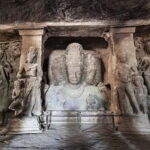
- The big moment: the three-headed Shiva
- The architecture: pillars and the “room-like” feeling
- Cave context: it’s not just statues
- How long the trip actually takes: 4 to 5 hours, plus real-world timing
- Guide makes the difference: what you’re really paying for
- What’s included (and what’s not) so you can budget like a grown-up
- Photo, timing, and crowd tips that actually help
- Should you book this Elephanta Caves guided tour?
- FAQ
- How much is the Elephanta Caves guided tour from Mumbai?
- How long does the tour take?
- What does the tour include?
- Are cave entrance fees included?
- Do I need to bring a paper ticket?
- Where do I meet the group?
- What is the walking involved like?
- What’s not included in the price?
- How many people are in the group?
- Can I cancel and get a refund?
Key things to know before you go
- Ferry + cave entry included: you get round-trip boat transport from Mumbai and the caves are covered
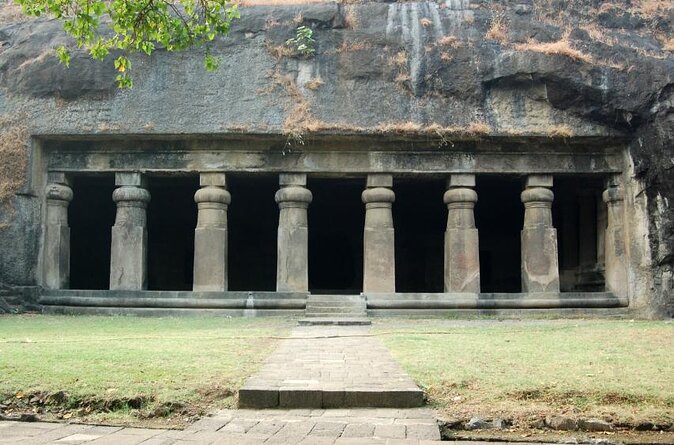
- Three caves on the guided route: you see major religious sculptures and key excavation areas
- 120 steps to the plateau: moderate fitness helps, and you’ll feel it after the ferry ride
- Mobile ticket: no need to hunt for paper tickets
- Under-15s entrance is free: the tour notes free entry for children under 15
- Small groups (max 20): easier pacing inside the caves and less chaos at handoffs
Gateway of India to Elephanta Island: ferry ride, first impressions, and why this matters
The day starts at Gateway of India area. Your meeting point is outside PizzaExpress Dhanraj Mahal, opposite the Royal Bombay Yacht Club in Colaba. From there, your group heads toward the ferry, and you’re on the water for about 1 hour each way.
This part is more than “getting there.” It sets expectations. You’ll see Mumbai’s coast from the water, and it also acts like a buffer before the real climb. A few practical notes that match what I’d tell a friend:
- Wear something you can sweat in. You’ll likely feel warmer once you step off the boat.
- Bring a small layer if it gets breezy—depending on wind, the ride back can feel cooler.
- If fog or smog rolls in, the scenic payoff of the ferry can drop. Still, the structure of the tour holds steady because the payoff is the caves.
This tour also uses a guide who helps at the ferry handoff on Elephanta Island, so you’re not standing around trying to match your group to the right departure.
You can also read our reviews of more guided tours in Mumbai

The 120-step climb: what to expect and how to make it easier
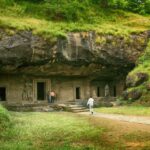
At Elephanta Island, you climb up to the plateau where the caves are entered. The tour notes 120 steps. People report it as taxing in heat, so don’t treat this like an optional “stretch.” The steps are part of the experience, but they can be the part that determines how much you enjoy the rest.
Here’s how to plan your comfort without overthinking it:
- Go slowly. Taking your time up the steps helps you arrive ready to look closely at the carvings.
- Aim to stop if you need to. The route has places to pause along the way.
- Bring water. Some visitors specifically call out needing hydration in the heat.
- If you’re taking photos, remember you’re carrying your camera up while passing stalls along the stairs, so secure your gear well.
One more thing: the island has monkeys that may try to grab items left unattended. Keep bags close, don’t place snacks where a clever little hand can reach, and be aware when you stop.
If you have moderate physical fitness, you’ll likely be fine. If you don’t like stairs or you’re sensitive to heat, consider going earlier in the day and moving at your pace.
Inside the UNESCO caves: three caves, Hindu and Buddhist sculptures, and the Shiva centerpiece
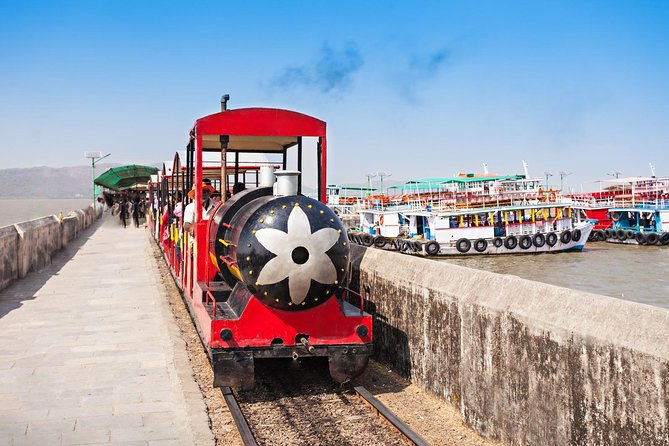
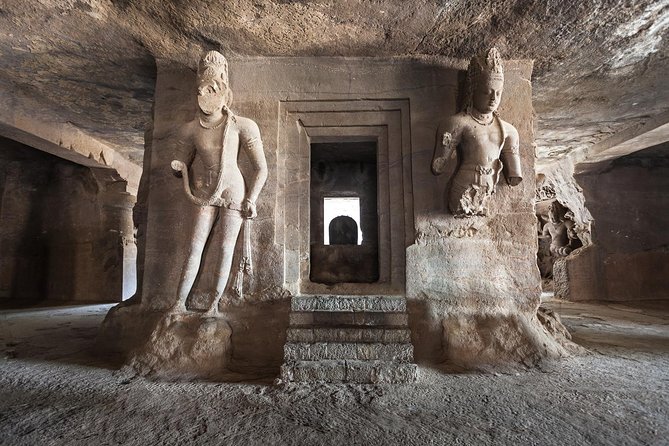
Once you reach the plateau, the guided portion really shines. Elephanta Caves are UNESCO-listed and are famous for major excavations with religious sculptures carved from rock over centuries.
The tour focuses on three caves and highlights both Hindu and Buddhist religious sculpture. Even if you’ve seen cave photos online, being there changes the scale. You’re not looking at a thumbnail—you’re standing in a stone room designed to carry meaning, light, and devotion.
The big moment: the three-headed Shiva
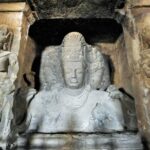
Your guide brings you to a huge, unusual three-headed Shiva sculpture. This is the star attraction, and the best way to appreciate it is with a human explaining what you’re looking at—different faces, symbols, and the way the space is organized around this focal point.
The architecture: pillars and the “room-like” feeling
You’ll also notice structural features that reflect the period when these caves were created (the tour describes the 6th and 7th centuries). There’s mention of a spacious hall supported by huge pillars, which helps explain why these spaces feel less like outdoor ruins and more like intentional interiors.



Cave context: it’s not just statues
The guide’s job is to connect what you see to the wider story—how the carvings relate to worship, what certain figures represent, and why the caves’ layout matters. People consistently praise the way local guides turn stone into something you can understand quickly.
A practical photo tip: some visitors note lighting that works well for photography, including indirect light inside the caves. If you care about pictures, go a little slower than you think you need inside, because the best angles often come after you pause and let your eyes adjust.
How long the trip actually takes: 4 to 5 hours, plus real-world timing
The tour is listed at about 4 to 5 hours. In practice, it depends on timing and how you handle meals.
A few factors can stretch the day:
- The ferry ride is about 1 hour to the island and 1 hour back, so you’re already working with two long segments of transit.
- There’s a climb before you reach the main caves walk.
- If you add lunch right after the caves (instead of planning a snack and moving on), you can easily feel like you used most of the day.
That said, many people describe it as a good half-day experience, especially when you’re not over-scheduling afterward. If you want a clean, controlled timeline for your itinerary, plan for a travel window of most of the afternoon and treat it as a “morning-to-midday” or “late morning-to-evening” style trip depending on departure.
One other real-world note: some guidance mentions boats leaving when full. So don’t show up late at the start. The tour moves, and you should too.
Guide makes the difference: what you’re really paying for
At $50 per person, you’re not just paying for a boat ticket and entrance fee. The biggest value is the guided interpretation while you’re in front of the carvings.
That shows up in the consistent praise for local guides. Names that have been highlighted include:
- Harish, praised for stories and cave context
- Dave, praised for enthusiastic storytelling
- Krupesh, praised for friendliness and tailoring to the group
- Dhaivat/Daivat, praised for history and design context (and even photo opportunities)
- Samir, praised for deep local knowledge
- Others named in feedback include Dinesh and Said (at Vishnu Patil)
You don’t need to memorize those names to book well. The takeaway is: with a guide, you get answers while you’re standing in the space. Without that, Elephanta can still be beautiful, but it’s harder to connect the sculptures to meaning quickly.
So when you’re considering whether you should do a guided tour versus wandering on your own, here’s the honest trade-off: the caves demand patience, and the guide helps you use that patience wisely.
What’s included (and what’s not) so you can budget like a grown-up
This is described as all-inclusive in the practical sense: you get the essentials to make the day work.
Included:
- Tour guide
- Ferry tickets and Elephanta caves entrance fees
- Entrance free to the caves for children under 15
Not included:
- Food and drinks
For me, that means you should plan to carry water at minimum, and decide whether you want snacks for the boat. Some people buy snacks onboard, and others simply wait until later for food.
Also remember that the tour is small (max 20), so if you have dietary needs, don’t assume someone else will manage them for you once you’re on the island.
Photo, timing, and crowd tips that actually help
Elephanta can get busy. One tip that keeps coming up is to go early so you’re not fighting crowds around 11:00. If you can choose timing, earlier departures tend to make both the climb and the cave viewing feel easier.
Inside the caves, pace matters. The carvings reward looking, and the guide helps you choose where to spend time. If you rush, you’ll miss the details that make Elephanta feel like more than a famous landmark.
For photos:
- Bring your camera gear with straps or secure storage.
- Expect some lighting that’s good for shots inside, but plan to pause and reframe.
- If you’re photographing the three-headed Shiva, give yourself time at a few angles because you’ll naturally want to move closer and also step back to understand the whole composition.
Finally, with monkeys around, treat snacks and loose items like open invitations.
Should you book this Elephanta Caves guided tour?
I think you should book this if you want the easiest “works-every-time” way to visit Elephanta from Mumbai with less stress on ferry timing and cave entry. The price makes sense because it bundles ferry transport, cave entry, and a guide who helps you understand what you’re seeing right where it matters—inside the UNESCO caves.
You might skip or switch to a lighter plan if you:
- strongly dislike stairs and aren’t comfortable with about 120 steps outdoors
- want to spend lots of time wandering independently without a structured route
- are traveling during a time you can’t control weather. The tour notes it requires good weather, and if it’s canceled due to poor weather, you’ll get a different date or a full refund.
If you’re excited about religious art, ancient architecture, and guided storytelling, this is one of the most practical ways to experience Elephanta. And once you’re staring at that three-headed Shiva in the cave hall, it’s easy to see why guides get praised for turning stone into a story you can actually follow.
FAQ
How much is the Elephanta Caves guided tour from Mumbai?
The price is $50.00 per person.
How long does the tour take?
It runs about 4 to 5 hours (approx.).
What does the tour include?
You get a tour guide plus ferry tickets and Elephanta caves entrance fees. Entrance is free for children under 15.
Are cave entrance fees included?
Yes. Entrance fees to the caves are included as part of the tour.
Do I need to bring a paper ticket?
No. The tour uses a mobile ticket.
Where do I meet the group?
Meet outside PizzaExpress Dhanraj Mahal, opposite Royal Bombay Yacht Club, Colaba (Chhatrapati Shivaji Maharaj Marg, Apollo Bandar, Mumbai).
What is the walking involved like?
The tour requires moderate physical fitness. You climb around 120 steps to reach the plateau and enter the caves.
What’s not included in the price?
Food and drinks are not included.
How many people are in the group?
The tour has a maximum of 20 travelers.
Can I cancel and get a refund?
Yes, you can cancel for free up to 24 hours in advance for a full refund.