REVIEW · MUMBAI SIGHTSEEING TOURS
Best Mumbai Group Sightseeing Tour
Book on Viator →Bookable on Viator
Mumbai moves fast. This tour helps you keep up.
You’ll hit iconic South Mumbai landmarks with a guide who ties the sights to everyday life, not just dates and statues. I like the balance here: big-name photo stops (Gateway of India, Marine Drive, CSMT) plus hands-on cultural moments like the open-air laundry at Dhobi Ghat. With a small group limit of 15, the pace feels manageable even when the city traffic doesn’t.
I especially love how much is packed into a short 4-hour window without rushing you through every place like a stampede. And I really like the practical inclusions: a professional guide, a tour escort/host, round-trip shared transfer, and an air-conditioned vehicle. That means you spend more time looking out the window (and taking photos) and less time figuring out transport.
One possible drawback: you’ll spend mostly short visits at many stops (some are 10–20 minutes). If you want deep time inside multiple buildings, you may feel a bit “photo-and-go,” especially at places where your interest might want longer.
In This Review
- Key things that make this Mumbai group tour worth your time
- Getting Your Bearings: South Mumbai in One Tight, High-Impact Pass
- The $69 Price: What You’re Really Paying For
- Colaba to Mahalaxmi: Gateway of India and the Work of Dhobi Ghat
- Stop 1: Gateway of India (Colaba)
- Stop 2: Dhobi Ghat (Mahalaxmi Dhobi Ghat)
- Stop 3: Taj Mahal Palace Hotel (quick exterior time)
- Civic Mumbai: University of Mumbai and Bombay High Court
- Stop 4: University of Mumbai (Vidya Nagari)
- Bombay High Court
- Art, Museums, and Kala Ghoda’s Creative Streets
- Chhatrapati Shivaji Maharaj Vastu Sangrahalaya (formerly Prince of Wales Museum)
- Kala Ghoda area (art and culture zone)
- Marine Drive and Chowpatty: The Sea Meets the City
- Stop: Marine Drive
- Stop: ISKCON Chowpatty (Sri Sri Radha Gopinath Mandir)
- Mani Bhavan Gandhi Museum: The Tour’s Most Focused Story Stop
- Stop: Mani Bhavan Gandhi Museum
- Malabar Hill Gardens: Hanging Gardens and Kamla Nehru Park
- Hanging Gardens (Pherozeshah Mehta Gardens)
- Kamla Nehru Park (Old Woman’s Shoe area)
- CSMT and the BMC Building: The Tour’s Grand Finale
- Stop: Chhatrapati Shivaji Maharaj Terminus (CSMT)
- Brihanmumbai Municipal Corporation (BMC) Building
- What I’d Do to Make This Tour Feel Like More Than a Checklist
- Should You Book This Mumbai Group Sightseeing Tour?
- FAQ
- How long is the Mumbai group sightseeing tour?
- What does the $69 per person price include?
- Are any admission tickets included?
- Is food or lunch included?
- What about tips?
- What’s the group size limit?
- Will I need a printed ticket?
- Can I cancel for a full refund?
- Is there a luggage limit?
Key things that make this Mumbai group tour worth your time
- Small group size (max 15) keeps it personal enough for questions without turning into a private tour price.
- Mixed sights: architecture (Gateway of India, CSMT), working Mumbai (Dhobi Ghat), and culture (ISKCON Chowpatty, Mani Bhavan).
- Included entries at Mani Bhavan Gandhi Museum and Chhatrapati Shivaji Maharaj Terminus (CSMT) save time and hassle.
- Air-conditioned transport + round-trip transfer helps on hot days and when traffic stretches your schedule.
- Museum time with a guide’s story at Chhatrapati Shivaji Maharaj Vastu Sangrahalaya (formerly Prince of Wales Museum) turns artifacts into context.
Getting Your Bearings: South Mumbai in One Tight, High-Impact Pass
If this is your first trip to Mumbai, you’ll appreciate the structure. The route focuses on South Mumbai’s most recognizable “anchor points”—the places you’ll keep hearing about, then you’ll see with your own eyes.
The tour also hits a smart mix of what Mumbai does best: empire-era architecture, public life, spirituality, and the city’s work culture. Even though you’re moving, the guiding thread is clear—Mumbai isn’t only monuments. It’s daily routines happening next door to big landmarks.
One practical point: because it’s designed as a group circuit with shared pickup/drop-off, timing can shift with time of day and traffic conditions. That’s normal in Mumbai, so I’d mentally plan for quick stops and use them like a “city sampler.”
You can also read our reviews of more tours and experiences in Mumbai.

The $69 Price: What You’re Really Paying For
At $69 per person for about 4 hours, this isn’t just paying for seats on a bus. Your ticket includes:
- taxes, fees, and handling charges
- fuel surcharge
- professional guide + tour escort/host
- round-trip shared transfer
- air-conditioned vehicle
What’s not included is also important: food and drinks, lunch, and tips. So if you’re the type who needs a snack break to stay human (fair), plan to eat before or after. The tour itself is built around sightseeing blocks, not meals.
In value terms, the best part of the price is the combo of included transport and the guided storytelling. Mumbai is big and confusing if you’re moving independently. Here, you’re outsourcing navigation and interpretation while you’re on the clock.
Colaba to Mahalaxmi: Gateway of India and the Work of Dhobi Ghat
Stop 1: Gateway of India (Colaba)
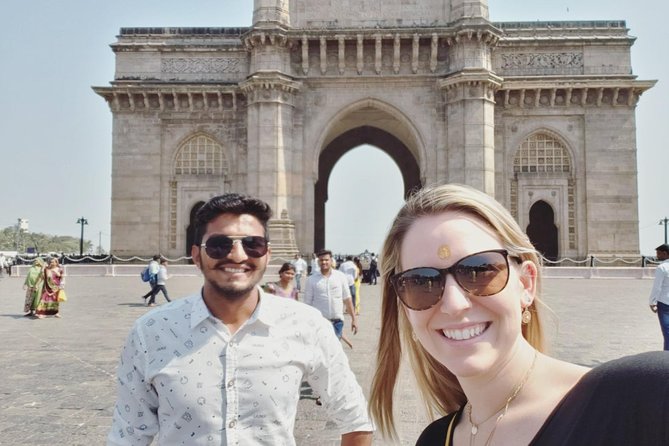
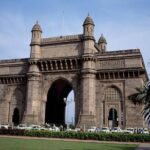
You start at the Gateway of India, built in 1924, near the Arabian Sea. It’s a classic first stop because it gives you an immediate sense of Mumbai’s scale and ocean-facing identity.
What to expect: a short photo-and-look moment and a quick orientation to the Colaba area.
Potential drawback: with only 15 minutes, you’ll want to decide early what you want—wide shots of the monument, or closer framing.
Stop 2: Dhobi Ghat (Mahalaxmi Dhobi Ghat)
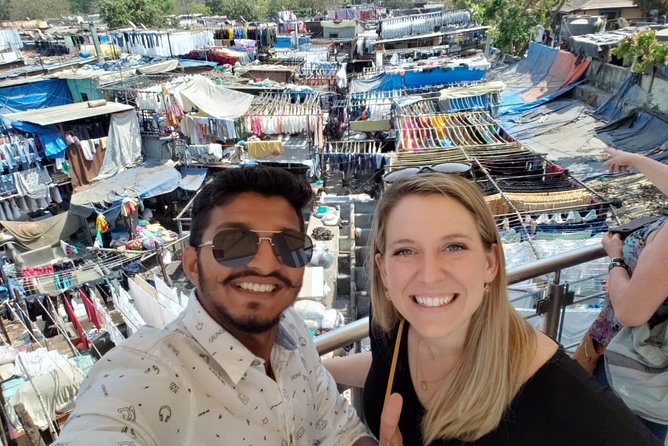
Next is Dhobi Ghat, one of the largest open-air laundry areas in India. Clothes are washed by hand in communal spaces—very different from the polished postcard view of Gateway.
What to expect: a real glimpse of ongoing daily work, not a staged performance.
Potential drawback: because it’s an active area, your visit can feel more “observational” than “comfortable tourist stroll,” so keep your expectations grounded.
If you like travel moments that explain how people live, this stop is one of the most meaningful on the whole route. It’s the kind of scene that makes you look around Mumbai a little differently afterward.


Stop 3: Taj Mahal Palace Hotel (quick exterior time)
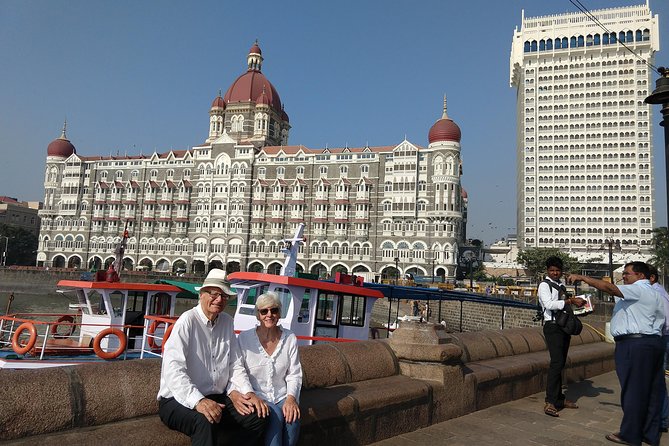
Then you pass by the Taj Mahal Palace Hotel, a luxury landmark opened in 1903. The point here isn’t a hotel stay—it’s architecture, history, and that strong visual pull South Mumbai is famous for.
What to expect: a brief look and photos.
Potential drawback: ten minutes goes quickly if you want to linger.
Civic Mumbai: University of Mumbai and Bombay High Court
After the sea-and-landmarks start, the tour shifts into “institutions that shaped the city” territory.
Stop 4: University of Mumbai (Vidya Nagari)
You’ll spend about 15 minutes at the University of Mumbai, established in 1857. Even if you’re not a student, it’s worth a quick stop because you’ll see how older Mumbai’s educational and administrative presence shaped the neighborhood.
What to expect: a short, guided orientation to an important public institution.
Potential drawback: if you expected a deep museum-style visit, this is more exterior-focused.
Bombay High Court
You’ll also stop at the Bombay High Court, established in 1862. It’s one of the oldest high courts in India and handles legal matters for Maharashtra and Goa—a tidy fact set that helps you understand Mumbai’s civic weight.
What to expect: architectural and historical context rather than a long walkthrough.
Potential drawback: the route timing doesn’t promise extra time here, so don’t expect long photo sessions.
Art, Museums, and Kala Ghoda’s Creative Streets
This is where the tour becomes more reflective instead of purely architectural.
Chhatrapati Shivaji Maharaj Vastu Sangrahalaya (formerly Prince of Wales Museum)
The guide meets you at the entrance and walks you through the museum sections with stories tied to what you’re seeing. The galleries include ancient artifacts, sculptures, and artworks from Indian dynasties—plus details like miniature paintings and weaponry.
What to expect: guided explanation that turns objects into context.
Potential drawback: the tour format is still time-boxed, so you’ll need to pick what you care about most if you’re an art-history hunter.
Kala Ghoda area (art and culture zone)
Then you’ll get time to explore Kala Ghoda, an area known for galleries, museums, boutiques, and cafés, plus the Kala Ghoda Arts Festival.
What to expect: a short cultural pause in a neighborhood that feels made for walking and browsing.
Potential drawback: without much time, you’ll probably want to focus on one or two places rather than trying to “do the whole district.”
I like this part because it gives you a break from monuments and lets Mumbai’s creative scene show up in your photos.
Marine Drive and Chowpatty: The Sea Meets the City
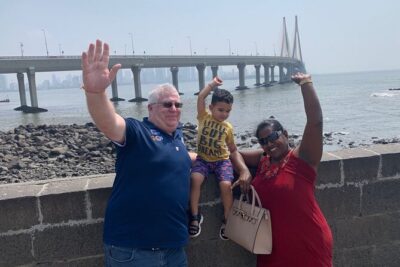
Stop: Marine Drive
You’ll see Marine Drive, a 3.6 km boulevard along the Arabian Sea. It’s often called the Queen’s Necklace because of the streetlights at night.
What to expect: sea views, art deco surroundings, and a quick sunset-style vibe if your timing lines up.
Potential drawback: the stop is only about 10 minutes, so you’ll be grabbing your ideal shots fast.
Stop: ISKCON Chowpatty (Sri Sri Radha Gopinath Mandir)
Next is the ISKCON Chowpatty temple, a spiritual stop in South Mumbai dedicated to Lord Krishna. It includes daily prayers and kirtans (devotional singing), and there’s also a vegetarian restaurant and gift shop.
What to expect: calm contrast to the louder streets outside the temple.
Potential drawback: if you’re not interested in religious programming, you may treat it more as a quiet, atmospheric break than a full experience.
This pairing—sea promenade then temple—works because it changes your pace without adding extra travel time.
Mani Bhavan Gandhi Museum: The Tour’s Most Focused Story Stop
This is one of the most “you’ll remember this later” stops.
Stop: Mani Bhavan Gandhi Museum
You’ll spend about 30 minutes here, and admission is included. Mani Bhavan served as Mahatma Gandhi’s residence from 1917 to 1934, and now it’s a museum and memorial with photographs, documents, personal items, and a preserved room.
What to expect: a structured slice of India’s freedom struggle and Gandhi’s ideas, delivered through exhibits you can actually look at.
Potential drawback: because it’s only half an hour, you’ll get an overview rather than a deep research visit.
This is also where the guide’s storytelling matters most. When the museum is explained clearly, you leave with meaning—not just images.
Malabar Hill Gardens: Hanging Gardens and Kamla Nehru Park
After the museum, you shift from “history inside” to “green space with views.”
Hanging Gardens (Pherozeshah Mehta Gardens)
You’ll visit Hanging Gardens on Malabar Hill for about 15 minutes. It’s known for terraced layout, manicured hedges shaped like animals, and sea/city views.
What to expect: a calmer pocket with great skyline and water angles.
Potential drawback: gardens are best with unhurried time, and this stop is short.
Kamla Nehru Park (Old Woman’s Shoe area)
Then you’ll see Kamla Nehru Park, also about 15 minutes, famous for the playful Old Woman’s Shoe structure and viewpoints over Marine Drive and the Arabian Sea.
What to expect: a relaxed, family-friendly break and fun photo spots.
Potential drawback: if you’re chasing strict monument photography, the charm here is more quirky than grand.
These garden stops give you a reset right before the final big-ticket architecture and rail landmark.
CSMT and the BMC Building: The Tour’s Grand Finale
Stop: Chhatrapati Shivaji Maharaj Terminus (CSMT)
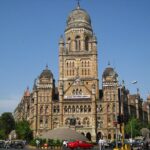
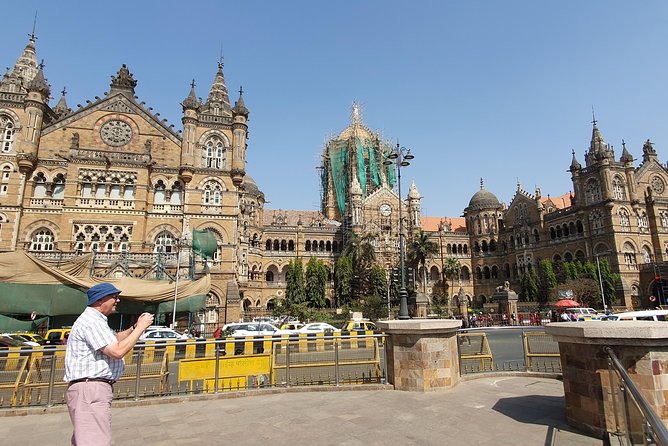
Your final major landmark is CSMT, formerly Victoria Terminus, a UNESCO World Heritage Site. It was built in 1887 and blends Victorian Gothic Revival with traditional Indian styles. This is also the stop where admission is included, and you’ll have about 15 minutes.
What to expect: a stunning façade with intricate carvings and that central dome effect that makes the building feel alive.
Potential drawback: CSMT is a major transport hub, so it can be busy and your “time to look” depends on movement and crowd flow.
Brihanmumbai Municipal Corporation (BMC) Building
Opposite CSMT, you’ll get about 10 minutes at the BMC Building. It was completed in 1893 and is Gothic Revival too, with domes, turrets, and a central tower. It’s the civic-administration headquarters for the greater Mumbai area.
What to expect: a strong “colonial-era architecture still in official use” contrast with the railway’s bustle.
Potential drawback: short stop means you’ll mostly appreciate the exterior.
This finale is satisfying because it shows Mumbai at two speeds: ceremonial stonework on one side, real commuter motion on the other.
What I’d Do to Make This Tour Feel Like More Than a Checklist
Because the timing is tight, your best strategy is to choose your personal priorities before you start. If you care most about architecture, focus your photos at Gateway of India, CSMT, and the BMC building. If you care most about human life, Dhobi Ghat is the moment to slow down mentally.
Also, keep an eye on comfort basics. You’re riding in an air-conditioned vehicle, but you’ll still walk between viewpoints and entrances. Since food and drinks aren’t included, plan your day around that so you don’t feel stressed when hunger hits.
If you want a guide who can add real texture to what you see, the guide quality is a key part of why people rate this kind of tour highly. One past guide name that came up in feedback is Pooja, known for showing the underbelly of Mumbai and micro-industries—exactly the kind of extra context that turns “famous stops” into lived understanding. Another guide name you may encounter is Rahul, who has been praised for guiding people around the city, explaining key sights, and helping with photos.
Should You Book This Mumbai Group Sightseeing Tour?
Book it if:
- you want a 4-hour, first-time-friendly hit of Mumbai’s major South Mumbai icons
- you like guided context (especially for museum time at Chhatrapati Shivaji Maharaj Vastu Sangrahalaya and Gandhi at Mani Bhavan)
- you prefer small group pacing over public transport guessing
Skip it if:
- you want long stays inside multiple buildings
- you’re the type who needs an unbroken hour in one place to feel satisfied
- you’re hoping the tour includes meals or a lunch break (it doesn’t)
My take: at $69, the included transport and the guided entry stops make this a smart value for seeing a lot of Mumbai without turning your day into logistics.
FAQ
How long is the Mumbai group sightseeing tour?
It lasts about 4 hours (duration of transfers is approximate and depends on traffic/time of day).
What does the $69 per person price include?
The price includes a professional guide, tour escort/host, round-trip shared transfer, air-conditioned vehicle, and all taxes/fees/handling plus fuel surcharge.
Are any admission tickets included?
Yes. Mani Bhavan Gandhi Museum admission is included, and CSMT (Chhatrapati Shivaji Maharaj Terminus) admission is included. Other listed stops show admission free.
Is food or lunch included?
No. Food and drinks and lunch are not included.
What about tips?
Tips are not included.
What’s the group size limit?
The tour has a maximum of 15 travelers.
Will I need a printed ticket?
You’ll use a mobile ticket. Confirmation is typically received at booking time unless booked within 1 day of travel.
Can I cancel for a full refund?
Yes, free cancellation is available if you cancel at least 24 hours in advance of the experience start time.
Is there a luggage limit?
Yes. Each traveler is allowed 1 suitcase and 1 carry-on bag. Oversized or excessive luggage may have restrictions, so it’s best to ask in advance.