REVIEW · CITY TOURS
Mumbai: Full Day Private Mumbai City Tour by Car
Book on GetYourGuide →Operated by MadExplorers · Bookable on GetYourGuide
Mumbai turns into a day plan fast. This private 8-hour car tour strings together the city’s key landmarks, from Gateway of India and Taj Mahal Palace to UNESCO Chhatrapati Shivaji Terminus, plus Gandhi at Mani Bhavan and views from Malabar Hill, all with an English guide and hotel pickup.
I like that the route mixes postcard icons with real city life: Crawford Market for color and local flavors, then Marine Drive for sea views that earn their nickname. I also appreciate that entrance fees are handled and your guide can connect the dots between colonial-era architecture and what you’re seeing today.
One thing to watch: it’s a fast-moving day. If you want long, slow museum time at every stop, you may feel a little rushed when the schedule shifts to the next highlight.
In This Review
- Key Things That Make This Tour Worth Your Time
- Mapping Out Mumbai: How an AC Car Keeps the Day Real
- Gateway of India to Taj Mahal Palace: The Start of the Mumbai Story
- Kala Ghoda Art District: Colonial Architecture With Real-World Museums
- Oval Maidan and Rajabai Clock Tower: Gothic Revival in the Middle of Town
- Horniman Circle and the Asiatic Society Library: The Thoughtful Pause
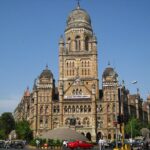
- Chhatrapati Shivaji Terminus (CST): UNESCO World Heritage in Full Technicolor
- Crawford Market to Marine Drive: Street Life and Sea Views in One Sweep
- Mani Bhavan: Gandhi’s Mumbai Residence and What It Teaches
- Malabar Hill and Banganga Tank: Views Plus a Dose of Calm
- Antilia and Dhobi Ghat: Big Contrast, Seen From the Road
- What the Best Guides Do: Mr. Anas and Mr. Abdul Shaikh in the Spotlight
- Price and Value: Is $82 for an 8-Hour Private Tour a Good Deal?
- Who This Tour Suits Best (and Who Might Feel Hemmed In)
- Should You Book This Mumbai Private City Tour?
- FAQ
- How long is the Mumbai city tour?
- What does the tour cost?
- Do you get hotel or airport pickup?
- Is the tour private?
- What language is the tour guide?
- Is transportation included?
- Are entrance fees included?
- Is bottled water included?
- Can I cancel, and is there a refund?
- Should You Book This Mumbai Private City Tour?
Key Things That Make This Tour Worth Your Time
- Hotel or airport pickup, then you get an AC car for the whole loop
- English live guide who explains what you’re looking at, not just where to stand
- UNESCO Chhatrapati Shivaji Terminus (CST) plus nearby Gothic Revival landmarks
- Gandhi at Mani Bhavan paired with skyline views from Malabar Hill
- Dhobi Ghat and Antilia passed by the car, so you see them without long detours
Mapping Out Mumbai: How an AC Car Keeps the Day Real
Mumbai is big, busy, and full of sudden turns. The biggest value of this tour is that you don’t spend half the day figuring out transport or negotiating traffic. You get hotel pickup, an air-conditioned vehicle, and a guide who’s already building the day like a route you can actually finish in one sitting.
You’ll also get a structured order that makes sense: start with major historic anchors, then move through the city’s arts and architecture zone, then hit the UNESCO site, and end with a mix of cultural stops and views. The pacing works best if you’re on a first visit and want to cover a lot without feeling like you’re sprinting.
And yes, you’ll still be outside for plenty of the day. This tour is about seeing Mumbai, not just passing it through a window. The trick is that the car covers the gaps while you focus on the stops.
You can also read our reviews of more city tours in Mumbai



Gateway of India to Taj Mahal Palace: The Start of the Mumbai Story
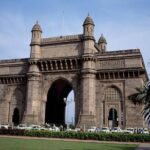
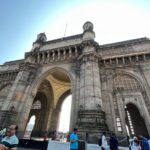
Most first-timers start with Gateway of India, and that’s for good reason. You’ll begin around this iconic harbor area and the historic Taj Mahal Palace Hotel nearby. Even if you’ve seen photos before, the location hits differently in person. You get that waterfront energy, the sense that Mumbai grew around global trade and a sea-facing city identity.
This is also a smart first leg for your photo planning. Early in the day you’re more likely to catch better light and fewer crowds than later. Your guide can point out details you might miss when you’re busy trying to get the perfect shot.
Tip: if you’re the type who likes to linger, give yourself a little time here before the car pulls away. It sets the tone for everything that follows.
Kala Ghoda Art District: Colonial Architecture With Real-World Museums
From the harbor you’ll head toward Kala Ghoda, a district known for colonial-era buildings, galleries, and museums. You’ll pass and visit key sites in the area, including the Chhatrapati Shivaji Maharaj Museum, the Sassoon Library, and the Jehangir Art Gallery.
Why this stop matters: Mumbai’s colonial architecture can look like set dressing in the background—until you actually see the buildings up close and learn what they housed (and how people used them). This is where the tour gives you context, not just sightseeing.
A practical note: “art district” can sound like a place to spend hours, but the benefit here is that your guide ties it to the rest of the morning. You’re not stuck searching for what’s worth your time. Instead, you get a focused slice of the neighborhood’s cultural side in the same day you see UNESCO CST and Gandhi’s museum.
If you care about architecture, this is one of the stops you’ll appreciate most—because you can compare styles as the day rolls on.
Oval Maidan and Rajabai Clock Tower: Gothic Revival in the Middle of Town
Next up is the Oval Maidan area and Rajabai Clock Tower. These buildings are part of the Gothic Revival layer of Mumbai’s identity, and they’re the kind of architecture that feels dramatic even from across an open space.
This is a tour highlight for a reason: the clock tower and surrounding structures are not just pretty facades. They’re landmarks that shaped how people navigated the city and what institutions looked like in the colonial period. Your guide can help you notice patterns, like symmetry and stonework details, so it stops being just a tall building and becomes a clue.
If you’re thinking, Okay, I’ve seen towers before, here’s the angle that helps: the tower works like a visual anchor. When you’re later standing near CST, you’ll have a better feel for why Mumbai mixes different time periods in the same urban frame.
Horniman Circle and the Asiatic Society Library: The Thoughtful Pause
After the open spaces and the bigger monument energy, you’ll swing by Horniman Circle and the Asiatic Society Library. These stops add a quieter, more intellectual feel to the day. The architecture and setting make it easier to slow down for a moment and focus on books, scholarship, and the kind of city institutions that formed during Mumbai’s earlier growth.
This is where you’ll likely appreciate having an English guide. Libraries and historic civic spaces often have details that are hard to interpret from a curb. A good explanation changes the visit from I saw a building to I understand why this place mattered.
Don’t worry if you’re not a museum person. This leg doesn’t force a long indoor commitment. It gives you a meaningful change of pace before the day’s major star attraction.
You can also read our reviews of more private tours in Mumbai



Chhatrapati Shivaji Terminus (CST): UNESCO World Heritage in Full Technicolor
Then comes Chhatrapati Shivaji Terminus, a UNESCO World Heritage Site and one of Mumbai’s most important sights. This is the moment where the day can shift from history talk to pure visual impact.
CST is both monumental and functional, which makes it feel alive. Even if you don’t know much about railway history, you’ll sense it the second you see the building’s scale and design. The architecture is ornate and purposeful, like it was built to impress and to last.
And here’s the practical advantage: skip-the-ticket-line is included for this type of sight where it applies. That matters because it reduces dead time and keeps your tour from bleeding into extra hours of waiting.
If you’re traveling with limited time, UNESCO CST is the stop that delivers the biggest “I’m really in Mumbai” feeling. It’s also a great place to take a step back and watch how people move around it.
Crawford Market to Marine Drive: Street Life and Sea Views in One Sweep
From CST, you’ll move toward Crawford Market and then Marine Drive. This section is where the tour connects the city’s formal landmarks with everyday Mumbai.
At Crawford Market, you’ll soak in the lively atmosphere and colorful local flavors. This is not a silent, photo-only stop. It’s where you get the sensory side of the city—sound, movement, and the energy of commerce. Even if you’re not planning to shop, it’s worth experiencing as a contrast to the museums and clock towers.
Then you’ll drive along Marine Drive, also known as the Queen’s Necklace, for views over the Arabian Sea. This is a classic Mumbai viewpoint: the long curve of the road and the waterfront light give it a distinctive look. Your guide can point out how the area changes across the day, but even without that, you’ll likely enjoy the shift from market bustle to ocean air.
If you want to make this leg work for you, do this: take photos from the road, then don’t rush. Let yourself stand for a few minutes and look back toward the coastline. It’s one of those city moments that feels better when you pause instead of snapping non-stop.
Mani Bhavan: Gandhi’s Mumbai Residence and What It Teaches
After the street and sea stops, you’ll visit Mani Bhavan, Gandhi’s historic Mumbai residence, now a museum dedicated to his life and legacy. This is a cultural and emotional anchor for many visitors because it shifts the day from architecture appreciation to personal stories and civic ideals.
The value here is the meaning. You’re not just touring another old house. You’re connecting Mumbai to a worldwide movement and learning how ideas traveled through real people living real lives.
This stop also helps balance the rest of your itinerary. You’ve spent the earlier part of the day with buildings and landmarks; Mani Bhavan brings the human scale back into focus.
Malabar Hill and Banganga Tank: Views Plus a Dose of Calm
From Gandhi’s museum you’ll move toward Malabar Hill, where you’ll see the ancient Banganga Tank and enjoy city views from the Hanging Gardens. This is a natural pairing: water heritage at Banganga, then a greener, elevated viewpoint.
Banganga Tank adds depth because it’s an older layer of Mumbai’s story, separate from the colonial-era blocks you saw earlier. You get a sense that the city’s identity has more than one timeline.
Then the Hanging Gardens give you what you can’t get from the dense streets below: an elevated perspective. This is where your day starts to feel like it’s “coming together.” You can look out over the spread of buildings and streets and understand how the landmarks fit into a much bigger picture.
If you’re a photo person, this is a great place to take a wide shot. If you’re not, it still works, because it’s one of the few moments where your eyes can rest after hours of detail.
Antilia and Dhobi Ghat: Big Contrast, Seen From the Road
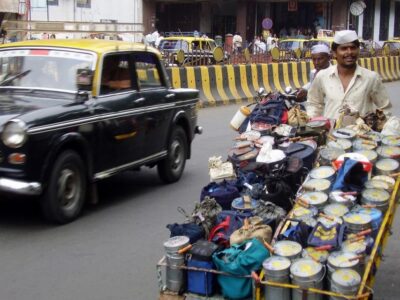
Toward the end of the tour, you’ll drive past Antilia, the 27-story private residence of business tycoon Mukesh Ambani. You’ll also witness Dhobi Ghat, the world’s largest open-air laundry.
This is a contrast-heavy section, and that’s the point. Antilia represents wealth and modern power, while Dhobi Ghat represents labor, routine, and the scale of daily work that keeps a city running. Even from a car, these sights can hit hard because you feel the difference instantly.
A small but real benefit: by seeing these from the road, you don’t waste time trying to coordinate the perfect moment. The tour keeps momentum, and you still get the shock-of-context that makes Mumbai memorable.
If you’re the type who likes to watch how people behave, Dhobi Ghat is one of the places where that curiosity naturally kicks in.
What the Best Guides Do: Mr. Anas and Mr. Abdul Shaikh in the Spotlight
A highlight that comes through clearly is guide quality. You might meet a guide like Mr. Anas, noted for professionalism and gentleness, or Mr. Abdul Shaikh, recognized for delivering a clear, detailed overview of Mumbai and showcasing key attractions in a way that makes the city click.
Here’s what matters for you: a good guide turns “I saw places” into “I understand what I saw.” With these kinds of stops—UNESCO CST, Rajabai Clock Tower, Mani Bhavan—your enjoyment depends on how well the explanations connect architecture, culture, and time periods.
If you care about context, this is the kind of tour where having a strong guide is the difference between okay and memorable.
Price and Value: Is $82 for an 8-Hour Private Tour a Good Deal?
At $82 per person for an 8-hour private city tour, the value comes from what’s included. You’re not just buying a driver. You’re paying for:
- hotel pick-up and drop-off
- an air-conditioned vehicle
- a live English guide
- entrance included
- bottled water
- parking fees, fuel, taxes, and tolls
That bundle is what makes this tour feel practical. In many cities, you’d piece it together yourself and still end up spending time and money on separate tickets, transport coordination, and random gaps. Here, the day is packaged to reduce friction.
The main thing to consider is your travel style. If you’re the kind of traveler who loves planning every stop and timing your own entry tickets, you might prefer to DIY. But if you’d rather use your energy to actually see Mumbai, the all-in approach usually pays off—especially on a first visit when you don’t yet know the best order to arrange sights.
Who This Tour Suits Best (and Who Might Feel Hemmed In)
This tour fits best if you:
- have limited time and want a strong overview of Mumbai in one day
- want major landmarks without handling ticket timing and entry details yourself
- enjoy history and architecture, but also want street-level Mumbai like Crawford Market
- like views and contrast, from Marine Drive to Malabar Hill
It may not fit perfectly if you:
- want long museum hours and slow wandering at each site
- dislike structured schedules and prefer making your own detours
The upside is that it’s private. That usually makes it easier to ask questions and adjust pacing slightly within reason.
Should You Book This Mumbai Private City Tour?
If you’re on a first trip and you want a high-value day built around the biggest Mumbai hits, I think this one is worth serious consideration. The combination of hotel pickup, AC comfort, an English guide, UNESCO CST, Gandhi at Mani Bhavan, and a final sweep through views and Dhobi Ghat covers a lot of ground without making you manage the mess.
Book it if you want an organized day that still shows you real Mumbai texture. Skip it only if your travel style is slow, independent, and museum-deep for hours at a time.
FAQ
How long is the Mumbai city tour?
It lasts 8 hours.
What does the tour cost?
The price is $82 per person.
Do you get hotel or airport pickup?
Yes. Pickup is available from your Mumbai hotel or the airport.
Is the tour private?
Yes. It’s a private group.
What language is the tour guide?
The tour guide is available in English.
Is transportation included?
Yes. You travel in an air-conditioned vehicle for sightseeing.
Are entrance fees included?
Yes. Entrance is included.
Is bottled water included?
Yes. Bottled water is included.
Can I cancel, and is there a refund?
Free cancellation is available up to 24 hours in advance for a full refund.
Should You Book This Mumbai Private City Tour?
Yes, if you want one solid day that covers Mumbai’s most important landmarks with minimal stress. It’s a strong fit for first-timers and anyone who values comfort plus smart sequencing.