REVIEW · DABBAWALA TOURS
Dharavi, Dhobighat, and Mumbai Dabbawallas
Book on Viator →Operated by Amaze Mumbai Tour · Bookable on Viator
Something about Dharavi changes your view.
This small-group tour strings together three places most visitors miss: Dharavi, Dhobi Ghat, and the lunchbox runners (dabbawallas) around Churchgate—so you understand how work, transport, and everyday needs actually run in Mumbai. I love the way the day is paced around local movement, not a sightseeing checklist, and the guide keeps the focus on real people and practical systems.
Two things I especially liked: the guided Dharavi walking tour (with help spotting how local industry fits into daily life), and the Dhobi Ghat inside visit—not just a quick look from the outside. Also, the local train ride between stops helps you get your bearings fast.
One consideration: the dabbawallas segment may be skipped if your date falls on a Sunday or a public holiday, and the Dhobi Ghat portion can feel short at about 20 minutes—so if you want lots of time to watch and ask questions, plan to follow up with your guide.
In This Review
- Key points before you go
- Why Dharavi, Dhobi Ghat, and dabbawallas belong in one tour
- Meeting at Churchgate: the smooth start (and the one thing to plan)
- Stop 1: Dharavi walking tour and what you’ll learn on the ground
- Stop 2: Dhobi Ghat inside the open-air laundry bay
- Stop 3: Churchgate railway station and the dabbawallas in action
- The local train rides: why the transport is part of the story
- Price and value: what $20 buys you in real experience
- How long it takes and how to prepare for the 3-hour plan
- Who should book this tour (and who should adjust expectations)
- Should you book the Dharavi, Dhobi Ghat, and dabbawallas tour?
- FAQ
- How long is the tour?
- Where do we meet and where do we end?
- What does the Dharavi part include?
- Is the Dhobi Ghat visit from the inside or outside?
- Will I see the dabbawallas?
- Do we use public transportation during the tour?
- What should I bring for comfort?
- What if I need to cancel?
Key points before you go
- Small-group size (max 15) keeps the pace manageable on foot and on public transit
- Dharavi walking with a local guide helps you connect the sights to everyday industry and community life
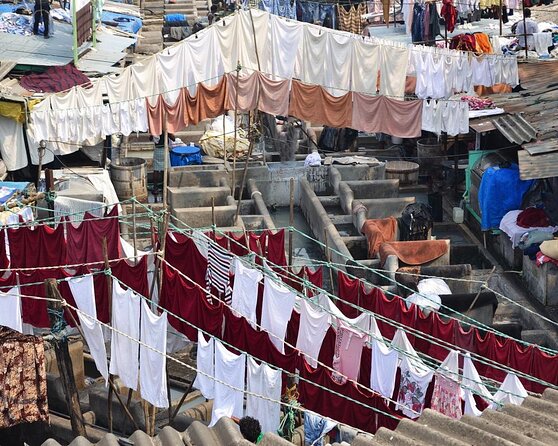
- Dhobi Ghat from inside shows how the open-air laundry bay functions, not just the front view
- Churchgate train-area timing gives you a chance to see dabbawallas working near the station
- Mobile ticket and centrally located meeting points make this easy to plug into your itinerary
Why Dharavi, Dhobi Ghat, and dabbawallas belong in one tour
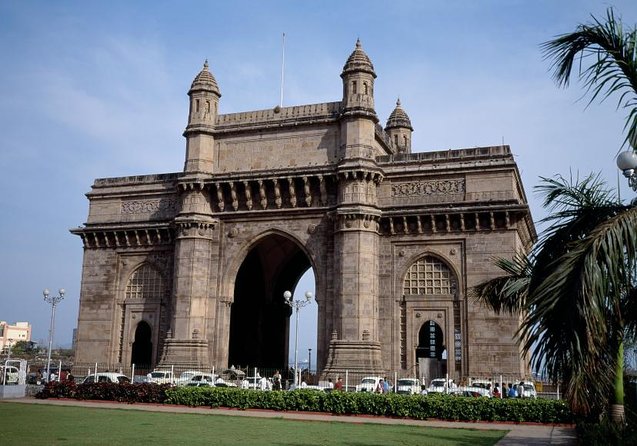
Mumbai is famous for glamour, billboards, and skyline photos. This tour goes the other direction on purpose. You’ll spend about three hours seeing how the city keeps moving at the street level: production in Dharavi, laundry power at Dhobi Ghat, and lunch deliveries that run like a system at Churchgate.
What makes the combo work is that each stop explains a different kind of “infrastructure.” Dharavi shows local enterprise and recycling linked to the wider city. Dhobi Ghat shows an open-air workplace where laundry cycles drive daily rhythm. Then Churchgate shows logistics in action—people moving food on tight timing using a network that’s built for accuracy.
And yes, the train rides matter. They’re part of the lesson. When you’re on local rails with a small group and a guide managing the flow, you stop thinking of Mumbai as just a set of attractions and start thinking of it as a place with public routines.
You can also read our reviews of more tours and experiences in Mumbai.



Meeting at Churchgate: the smooth start (and the one thing to plan)
The tour meets near Churchgate Railway Station, at Burger King Express inside the Railway Station area (the start point is described as Burger King Express Building, Railway Station, No 14E, IMC Marg, opposite Churchgate). You’ll end near the station as well, at Maharshi Karve Rd, with the meet-up location described as outside the entrance of Platform no. 4, Churchgate.
This setup is practical. You don’t waste half your morning on hotel pickup logistics, and you can jump back into Mumbai easily afterward. It also means you should plan to arrive a bit early and be ready to orient yourself around the station entrances.
Bring simple basics so you’re comfortable right away: comfortable walking shoes, and sunglasses plus a hat or cap. Dharavi and Dhobi Ghat are both “walk-and-look” stops, and Churchgate is outdoors and transit-heavy. One more practical note from experience-based feedback: don’t count on snacks or water being provided. I suggest you carry a bottle and something small to eat so you don’t end up hungry during the walking portion.
Stop 1: Dharavi walking tour and what you’ll learn on the ground
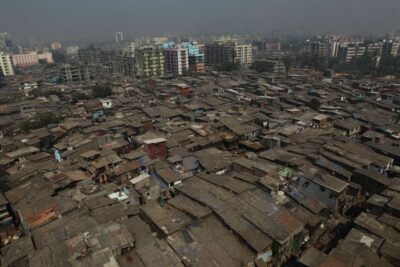
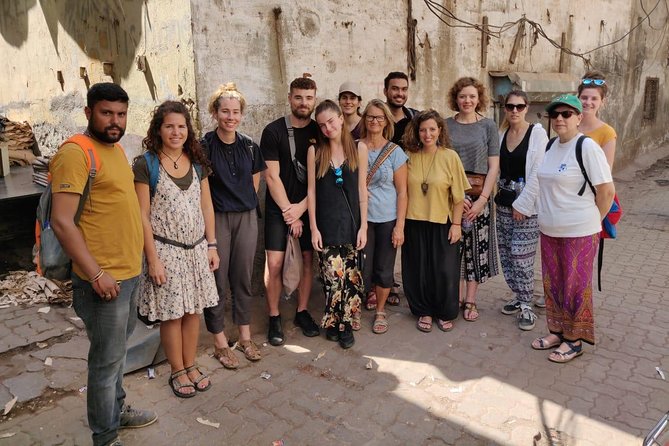
Your Dharavi portion is a guided walking tour inside the settlement, lasting about 1 hour 30 minutes. This is not a drive-by viewpoint. You’ll move through different areas and see how daily work and production shape the neighborhood.
The best part here is that you’re guided through what you’re looking at. Dharavi can sound like one big stereotype before you arrive. Walking with a guide flips that. You start noticing practical details: small workshops, recycling-linked activity, and the way goods and services connect people to customers and other parts of the city.
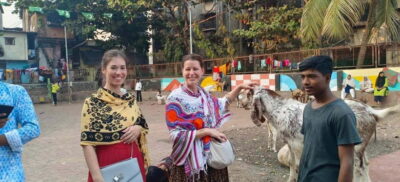
From guide names you may hear on this route—people like Lokesh (often called Loki) and Lucky have been highlighted as especially clear—what you’re aiming for is respectful context. A strong guide also helps you understand when photos are OK and when they’re not. In one account, the guide pointed out where photography was permitted in Dharavi, which is exactly the kind of local etiquette that makes your visit feel smoother and more respectful.
What to expect in your pace: you’ll be on your feet for real. There’s no promise of a “pretty trail” here; it’s streets and doorways, small spaces, and people continuing their normal day. If you come in with patience, you get more than photos. You get a sense of how communities and businesses operate under pressure, while still keeping life moving.
Potential drawback: Dharavi is emotionally intense, even with a good guide. If you’re the type who gets overwhelmed by crowded spaces or you need lots of quiet time, this might feel like a lot. The small group size helps, but your mindset has to help too.
Stop 2: Dhobi Ghat inside the open-air laundry bay
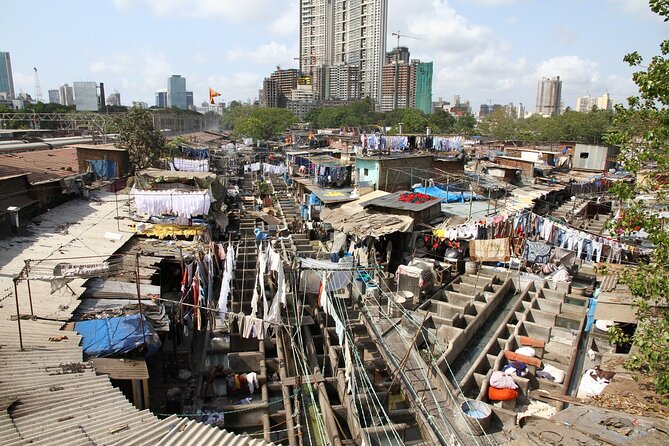
Dhobi Ghat is next, and the key difference is the angle. You’re not just seeing the outside view. You get an inside guided tour of India’s largest Dhobi Ghat (the open-air laundry bay), lasting about 20 minutes.
In practical terms, this stop is a lesson in workflow. You’ll see how laundry is handled in an open setting—washing, handling, and the constant motion of workers going through steps. It’s fascinating because it looks simple until you realize it’s actually organized labor at scale.
One detail that stood out in feedback: sometimes an on-site guide leads this part. If English clarity varies that day, expect the Dhobi Ghat explanation time to be shorter than your brain wants. A couple of accounts noted that the Dhobi Ghat guide wasn’t easy to understand in the moment, though people still walked away with a better grasp of how the place functions. The takeaway for you is simple: bring curiosity, not perfect comprehension. Use your guide to ask follow-up questions, even if the Dhobi Ghat segment is brief.
What I like about this stop is that it balances the heavier tone of Dharavi. Dhobi Ghat is intense too, but it’s about craft and routine. You’re watching work that has a visible rhythm. And it gives you a different kind of respect for “invisible jobs” that keep cities clean and functioning.
Stop 3: Churchgate railway station and the dabbawallas in action
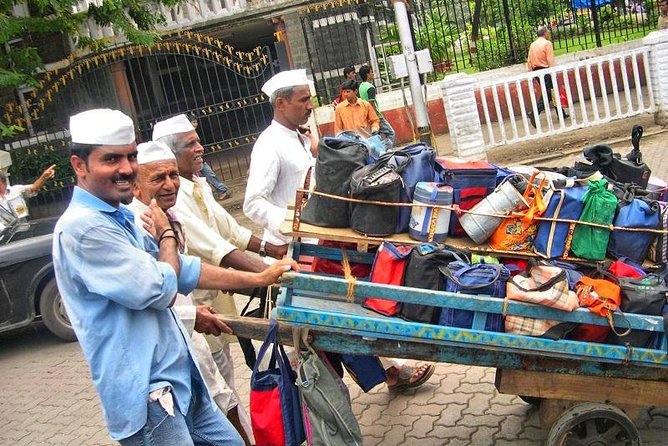
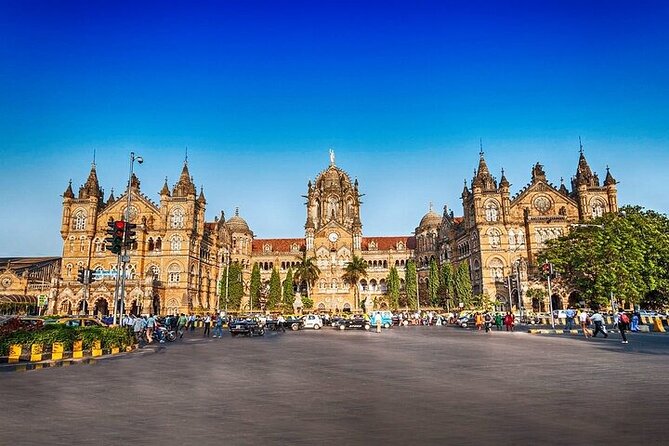
After Dhobi Ghat, the tour shifts into logistics mode. At Churchgate Railway Station, you’ll witness the dabbawallas—lunchbox delivery people—in action. This portion is about 10 minutes.
Even in a short window, you can learn the heart of the system: how lunch boxes move through a network with timing and sorting that has to be consistent. The value of this moment is that it shows delivery as a public service, not just a cute story. Lunch is a daily need, and the dabbawallas keep it moving through the station-area flow.
Timing note you should not ignore: dabbawallas are not available on Sundays and public holidays based on the tour information. Some tours can still run a reduced version, but you should plan your expectations accordingly. If your trip date is a Sunday, it’s smart to confirm what will happen on your specific day.
Also, you’ll be near the station complex, so you’re not looking at this from a far-off vantage point. You’ll be right where the system connects to the city’s commuting structure. That’s the difference between hearing about dabbawallas online and seeing their work in context.





The local train rides: why the transport is part of the story
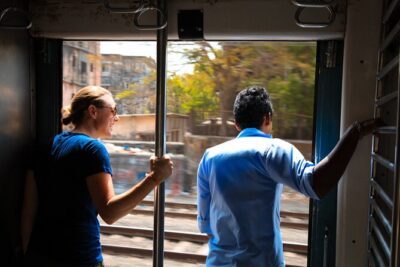
This isn’t a sit-in-a-coach tour. You’ll use public transportation during the experience, and the train is a big part of how you travel between sights.
I like this because it makes the visit feel like Mumbai, not a staged museum. When you ride local rails with a small group, you quickly learn how the city moves at peak rhythm. You also get a real sense of scale: the station isn’t just a backdrop, it’s a living hub where work, errands, and daily schedules collide.
One review-style theme that came up again and again: riding public transport felt like a “bonus treat.” That’s not luck. It’s because the route is practical. You’re not only being shown workplaces; you’re seeing the commute logic that links workplaces to neighborhoods.
If you’re new to India or worried about public transit, the group size and guide support reduce that stress. You’ll still need to stay alert, but you’re not doing this alone.
Price and value: what $20 buys you in real experience
At $20 per person, this tour is priced like a city-lesson, not a luxury experience. And honestly, you’re paying for the guide’s ability to connect three very different worlds into one coherent story—and to move you via public transit without you getting lost in the process.
Here’s why the value is unusually strong:
- Three key stops are included: Dharavi (walking), Dhobi Ghat (inside), and a Churchgate dabbawallas look
- You’re not paying extra for the guided components, since the local guide and transport are included
- You get entry handling built into the plan (Dharavi is described as free, Dhobi Ghat includes admission)
- The group cap at 15 travelers helps you actually interact with the guide instead of getting lost in a crowd
Is it perfect value? It depends on your expectations. If you want long, slow time in Dhobi Ghat or extra stops, 3 hours can feel tight. But for a first look that’s grounded in how Mumbai runs, $20 feels more than fair.
How long it takes and how to prepare for the 3-hour plan
The tour duration is listed as about 3 hours. That’s short enough to fit into a half-day, but long enough to feel like you actually did something meaningful.
Your preparation checklist is simple:
- Wear comfortable walking shoes (Dharavi is on foot)
- Bring sunglasses and a hat or cap for sun and glare
- Pack water and a light snack since those might not be provided
- Keep your camera ready, but remember photography rules can apply in Dharavi
Group size is max 15, which matters. It means you can keep up and your guide can do roll-call style organization when you’re near crowded transit points.
If you’re traveling with kids, note that children must be accompanied by an adult, and the tour is described as suitable for most travelers. Still, Dharavi can be emotionally challenging. If your child gets scared easily or you’re aiming for a “fun photo day,” you might find the tone tougher than expected.
Who should book this tour (and who should adjust expectations)
This tour is ideal if you want a grounded introduction to Mumbai’s working life. It’s also a good fit if you like tours where the guide explains systems—how deliveries get sorted, how laundry work functions, and how local industry operates in a dense environment.
It’s less ideal if:
- You want a relaxed, scenery-heavy day
- You prefer attractions with minimal street life and minimal human intensity
- You’re not comfortable with walking in busy areas
It can be a strong choice for first-timers who are worried they’ll miss the real city. Multiple guides mentioned in feedback—like Ganesh, Lucky, Loki, Dawood, and Maze—have been praised for making the experience feel safe and understandable. That’s a good sign: the operator is clearly investing in guides who know how to explain without turning the visit into spectacle.
Should you book the Dharavi, Dhobi Ghat, and dabbawallas tour?
If you want more than postcards, yes, I’d book it. The format is smart: public transport, a guided walk through Dharavi, an inside look at Dhobi Ghat, and a Churchgate stop tied to the dabbawallas. For $20 and a 3-hour schedule, it’s one of the easiest ways to get perspective fast.
I’d think twice if you’re going on a Sunday or public holiday and you specifically want to see the dabbawallas working, since that portion may be unavailable. Also, go in with a “respect and patience” mindset. This isn’t about gawking; it’s about understanding work and daily life.
If you’re ready for that, you’ll likely leave with a new mental map of Mumbai: not just where things are, but how they keep functioning day after day.
FAQ
How long is the tour?
The tour runs for about 3 hours (approximately).
Where do we meet and where do we end?
You start near Burger King Express at Churchgate Railway Station (opposite Churchgate). You end at Maharshi Karve Rd, Churchgate, near the outside entrance of Platform no. 4.
What does the Dharavi part include?
You’ll join a guided walking tour of Dharavi, exploring different areas inside for about 1 hour 30 minutes. Admission is listed as free.
Is the Dhobi Ghat visit from the inside or outside?
It’s described as an inside tour of Dhobi Ghat, including admission. The Dhobi Ghat portion is about 20 minutes.
Will I see the dabbawallas?
You’ll visit Churchgate Railway Station to witness the dabbawallas in action, but the dabbawallas are not available on Sundays and public holidays.
Do we use public transportation during the tour?
Yes. Public transportation is included, and the itinerary includes local trains between stops.
What should I bring for comfort?
Comfortable walking shoes are recommended, along with sunglasses and a hat or cap. It’s also a good idea to bring water or snacks since they may not be provided.
What if I need to cancel?
You can cancel for a full refund if you cancel at least 24 hours before the experience’s start time. If you cancel within 24 hours, the amount isn’t refunded.