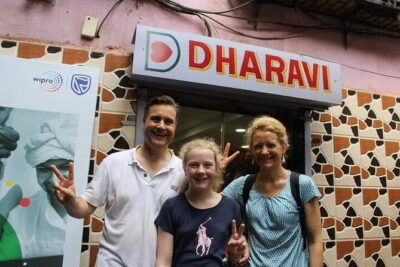
Dharavi makes Mumbai make sense. This small-group walk takes you through the work and daily rhythms of India’s largest informal settlement, with a guide leading you step by step through areas that are hard to reach on your own. I like that the tour is capped at just 15 people, which keeps things mobile and gives you real chances to ask questions.
What I really like is the focus on how Dharavi runs: you’ll see small-scale industries in action, from recycling and waste management to workshops where artisans work in their studios. The route also shifts from the Commercial side to the Residential lanes, so you get more than one kind of Dharavi in two hours.
One consideration: this is still a walking tour through dense areas, and the experience depends on good weather. If you’re sensitive to crowds or tight alleys, plan for a steady pace and take breaks when your guide offers them.
In This Review
- Key Things I’d Mark on Your Mental Map
- Why This Dharavi Tour Feels Different Than a Typical City Walk
- The Route: From Commercial Work to Residential Life in Two Hours
- Stop One: Dharavi, with a Work-First Introduction
- Commercial Area: Waste Management, Recycling, and Manufacturing
- Residential Area: Markets, Schools, Leather Work, Pot Making, and Alleys
- The 15-Person Group Cap: Small Enough to Feel Human
- Artisans, Studios, and the Economy You Can See
- Value for Money: What $8.95 Really Buys You
- Pickup, Transfers, and Getting There Without Stress
- Weather and Comfort: The Only Real Tradeoff
- Who Should Book This Tour (and Who Might Skip It)
- Should You Book the Mumbai Dharavi Slum Tour?
- FAQ
- How long is the Mumbai Dharavi Slum Tour?
- What does the tour cost?
- How big is the group?
- Is pickup offered?
- Is a mobile ticket used?
- Where is the meeting point?
- Where does the tour end?
- What areas will the tour cover in Dharavi?
- Are door-to-door hotel transfers available?
- Does the tour run in any weather?
- Can I get a refund if I cancel?
Key Things I’d Mark on Your Mental Map
- 15-person cap for manageable walking and questions
- Commercial-area stops focused on recycling, manufacturing, and waste management
- Residential-area route with markets, schools, leather work, pot making, and narrow lanes
- Studio access that helps you understand how people live and earn day to day
- Optional door-to-door transfers if you’d rather skip figuring out local pickup
Why This Dharavi Tour Feels Different Than a Typical City Walk
Dharavi isn’t a single “attraction.” It’s a living place where people work, learn, trade, and solve problems every day. That’s why I like this tour’s straightforward approach: you walk with a guide, you move through real working areas, and you don’t spend the whole time staring from a distance.
The big value here is context. You’ll connect what you’re seeing on the ground with how Dharavi’s small industries and entrepreneurial culture operate. It even links to the pop-cultural spotlight from Slumdog Millionaire, but the emphasis stays practical: how work gets done, how materials move, and how the local economy keeps rolling.
The pace matters too. You’re given time to ask questions, not just follow a line. With a group this size, you’re less likely to feel rushed or lost in the shuffle.
You can also read our reviews of more tours and experiences in Mumbai.



The Route: From Commercial Work to Residential Life in Two Hours
This is a two-hour walking tour that’s intentionally structured. You start with the Commercial side, then head into the Residential side. That matters because Dharavi’s story isn’t only about craft or only about hardship. It’s about systems—work systems, community systems, and everyday logistics.
Stop One: Dharavi, with a Work-First Introduction
You meet at Third Wave Coffee on Tip Road (Unit no. 58, Ground, Ram Mahal, Senapati Bapat Marg, Marinagar Colony, Station, Mahim), and the tour ends back at the same meeting point. The duration is about two hours, and it keeps you in motion without turning it into a marathon.
Starting out with the Commercial side is a smart move. It gives you an anchor for what you’re about to see later in the Residential lanes. When you understand waste management and manufacturing first, the leather industry, pottery work, and local markets in the residential area make more sense.
Commercial Area: Waste Management, Recycling, and Manufacturing
In the Commercial area, you’ll observe waste management and recycling, along with manufacturing activities happening in full swing. This portion is often what people remember most because it’s direct and concrete: you’re not just hearing about an economy, you’re seeing how materials are handled and turned into usable outputs.
This is also where the tour’s “behind the scenes” promise tends to pay off. You may get access to areas that are difficult to visit independently. Even if you’re already curious, a guide helps you navigate the physical layout and also the human context—what’s work, what’s training, what’s trade, and what’s routine.
A practical note: because this section involves active work zones, the experience can feel intense. That’s normal. Bring a calm mindset and be respectful of space and attention. If you go in expecting a neat sightseeing loop, you’ll miss what’s really happening.
Residential Area: Markets, Schools, Leather Work, Pot Making, and Alleys
After the Commercial segment, the tour shifts to the Residential area. This is where you start seeing how people live as well as work. You’ll explore local markets and schools, and you’ll also encounter craft and industry areas like the leather industry and pot making areas.
The narrow alleys are part of the point. Dharavi’s layout shapes daily movement, how people carry goods, and how life unfolds in tight spaces. A guided walk helps you get your bearings fast, which is especially important in a place that can feel confusing on your first pass.
If you’re the kind of traveler who likes meaning over just photos, this second half works well. You’ll come away with a clearer picture of how education, commerce, and hands-on production sit side by side.




The 15-Person Group Cap: Small Enough to Feel Human
A lot of tours say small-group. This one actually sets a maximum of 15 travelers. That matters more than you’d think.
With a cap like this:
- your guide can check in with the group as you move through tight lanes
- questions don’t get swallowed by a loud crowd
- you’re less likely to lose the thread of the story
One review highlight that keeps showing up is the tour’s organization and pace. I’d take that seriously when deciding. If you want an experience that stays structured without becoming stiff, this format is built for it.
Artisans, Studios, and the Economy You Can See
One of the most practical promises of this tour is that you’ll see artisans in their studios. That’s not a generic line. It connects directly to why a guided walk is useful: studios and workrooms aren’t always obvious to find, and they’re even harder to interpret without local context.
As you move through the tour, you’re basically following an informal supply chain in motion. Recycling and waste management feed materials into manufacturing. Then you’ll see how those materials connect to real products and services—leather work and pottery being two of the specific industries highlighted.
This is also where the Slumdog Millionaire reference can help, but only if you treat it as a starting point. The tour’s emphasis is on the entrepreneurial culture—people figuring things out, building skills, and turning work into income. In other words, it’s not just about survival. It’s about enterprise.
Value for Money: What $8.95 Really Buys You
At $8.95 per person, this tour is priced in a way that feels almost suspicious—until you focus on what’s included. You’re paying for:
- a guide to navigate and interpret a complex area
- access to places that would be difficult to visit independently
- a structured two-part route (Commercial then Residential)
Most tours at this price can feel like a quick photo walk. Here, the structure is doing the heavy lifting. You’re not just looking; you’re learning the “how” behind what’s visible.
The mobile ticket and pickup options also help you get started without friction. If you’ve ever wasted time trying to find a meeting point in a huge city, you’ll appreciate that the logistics are kept simple.
Pickup, Transfers, and Getting There Without Stress
If you’re staying somewhere central, pickup is offered. And there’s an upgrade option for door-to-door hotel transfers from anywhere in Mumbai. That can be worth it if you don’t want to spend your energy figuring out transit routes before you even start the walking portion.
What I like: the meeting point is tied to a real, easy-to-recognize café location—Third Wave Coffee—so you have a clear “anchor” if you’re running a few minutes late. Also, it’s near public transportation, so even without a transfer upgrade, you’re not completely stuck.
The tour ends back at the meeting point, which keeps the return simple. That’s a small detail, but in Mumbai, simplicity can be a big deal.
Weather and Comfort: The Only Real Tradeoff
This experience requires good weather. That’s not a minor footnote—Dharavi walking lanes can get slippery or unpleasant when conditions turn.
Even if the tour runs as planned, you should assume:
- you’ll be walking for about two hours
- you’ll move through busy areas and narrow pathways
- you’ll want comfortable shoes
Bring water if you can, and be ready for a few moments where you’ll need to slow down so the group can pass comfortably. This isn’t the kind of tour you do in flip-flops.
If you’re prone to motion discomfort or you struggle with crowding, consider whether a walking tour through dense streets will fit your comfort level.
Who Should Book This Tour (and Who Might Skip It)
This tour is a great match if you:
- want an organized, guided way to understand how Dharavi works
- like learning through real-world observation (recycling, studios, markets)
- prefer small-group tours where you can ask questions
- are interested in how entrepreneurial culture operates at street level
It might be less ideal if you:
- want a classic, postcard-style city sightseeing experience
- get uncomfortable in dense, tight spaces for extended walking periods
- need a heavily accessible, minimal-walking itinerary (the tour is built as a walk)
Also, note the booking pattern. It’s commonly booked about 13 days in advance on average, so if you’re traveling during busier periods, don’t wait until the last minute.
Should You Book the Mumbai Dharavi Slum Tour?
If you want a practical, structured introduction to Dharavi, I think this is an excellent value pick. The big wins are the 15-person cap, the clear two-part route from Commercial work to Residential life, and the access to places like studios, recycling areas, schools, markets, and specific craft zones such as leather and pot making.
Book it if you care about understanding how a community functions, not just capturing photos. Skip it if you’re looking for a relaxed, low-effort sightseeing loop or if weather-dependent walking would stress you out.
FAQ
How long is the Mumbai Dharavi Slum Tour?
The tour is about 2 hours.
What does the tour cost?
It costs $8.95 per person.
How big is the group?
The tour has a maximum of 15 travelers.
Is pickup offered?
Yes, pickup is offered.
Is a mobile ticket used?
Yes, you’ll receive a mobile ticket.
Where is the meeting point?
The tour meets at Third Wave Coffee, Tip Road, Unit no. 58, Ground, Ram Mahal, Senapati Bapat Marg, Marinagar Colony, Station, Mahim, Mumbai, Maharashtra 400016, India.
Where does the tour end?
The tour ends back at the meeting point.
What areas will the tour cover in Dharavi?
It covers the Commercial area (including waste management and recycling, plus manufacturing) and then the Residential area (including local markets, schools, leather industry, pot making areas, and narrow alleys).
Are door-to-door hotel transfers available?
Yes. You can upgrade to include door-to-door hotel transfers from anywhere in Mumbai.
Does the tour run in any weather?
It requires good weather. If it’s canceled due to poor weather, you’ll be offered a different date or a full refund.
Can I get a refund if I cancel?
Cancellation is free. You can cancel up to 24 hours in advance for a full refund; if you cancel less than 24 hours before the start time, the amount paid is not refunded.