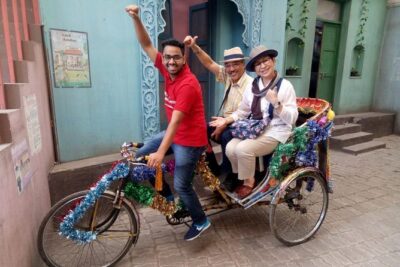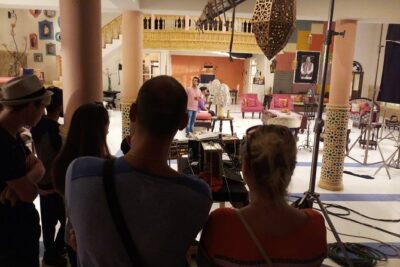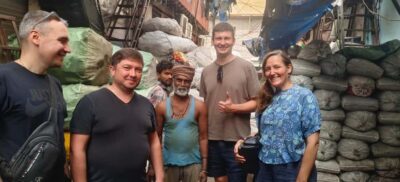
REVIEW · DHARAVI SLUM TOURS
Dharavi Slum Tour
Book on GetYourGuide →Operated by Linda Tour Mumbai · Bookable on GetYourGuide
A city inside a city, on foot. The Dharavi experience reframes Mumbai’s best-known slum as a working neighborhood built on skill, recycling, and everyday grit.
What I like most is the focus on real trades instead of vague sightseeing. I also really enjoy the presence of guides like Ruqaiyya and Neha, who translate the maze of streets into clear, practical explanations you can actually understand.
One thing to consider: this is a working area, and you’ll be walking through tight, active spaces. Come with comfortable shoes and a respectful mindset, and you’ll get more out of it.
In This Review
- Key highlights to know before you go
- Dharavi Slum Tour: why this Mumbai experience isn’t what you expect
- Getting oriented at Mahim Railway Station and choosing your pickup
- Inside Dharavi: the guided 2-hour walk and what you’ll actually see
- Thirteenth compound recycling yard: plastic molding, metal work, and buttons for major brands
- Dharavi as a working community: trades you might hear about on the route
- The guides are the real engine: what Ruqaiyya and Neha bring to the experience
- Drop-offs near Third Wave Coffee and Dhobi Ghat: how to plan your next step
- Price and value: why this $8 Mumbai slum tour can be a smart deal
- Who this Mumbai dharavi tour is best for (and who should pause)
- Practical tips that make your 2-hour walk more comfortable
- Should you book the Dharavi Slum Tour with Linda Tour Mumbai?
- FAQ
- How long is the Dharavi Slum Tour?
- Where does the tour start?
- Do you get picked up from your hotel?
- What’s included in the price?
- Are meals or drinks included?
- What should I bring and what’s not allowed?
Key highlights to know before you go
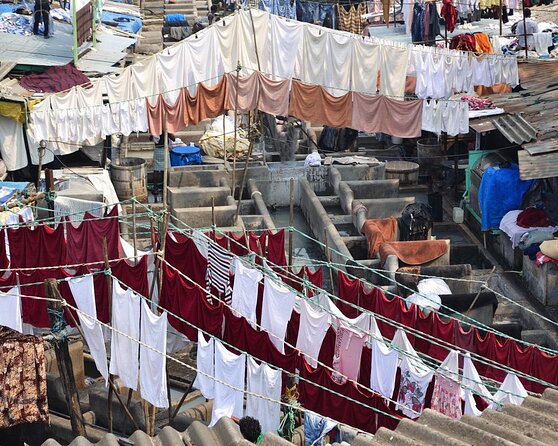
- Clear, friendly guiding: English-speaking local guides such as Ruqaiyya and Neha make the daily work understandable.
- Mahim Railway Station start: the tour begins at Mahim Railway Station before moving into the heart of the area.
- Thirteenth compound focus: you’ll see the plastic and metal recycling yard of the 13th compound.
- Up-close manufacturing details: watch plastic toys being melted and molded, plus buttons made for brands like Barbie Dolls in India.
- A “city within a city” feel: the tour’s messaging highlights how different communities live side by side.
- Convenient drop-offs: after the walk, you get dropped near Third Wave Coffee and Dhobi Ghat.
Dharavi Slum Tour: why this Mumbai experience isn’t what you expect
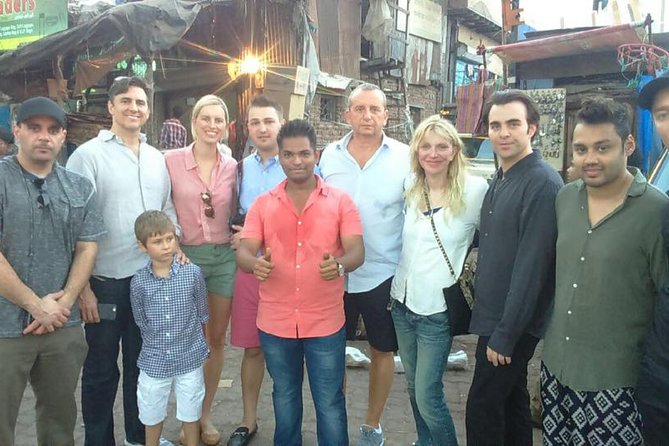
If you’ve only heard Dharavi talked about as a single idea, this Mumbai dharavi tour will challenge that. The point of the walk isn’t to shock you. It’s to show you the systems people rely on to make a living—especially recycling and small-scale production.
What lands best is that the tour leans into work you can see: materials moving, items being made, and products leaving the neighborhood for wider markets. You’ll also hear how Dharavi isn’t treated as a blank space. It’s presented as an economic engine and a community where different backgrounds coexist.
And yes, you’ll still be walking through dense streets. But the framing changes how you look at what you’re seeing. Instead of asking, What’s wrong here?, you start asking, How does this place function?
You can also read our reviews of more tours and experiences in Mumbai.



Getting oriented at Mahim Railway Station and choosing your pickup
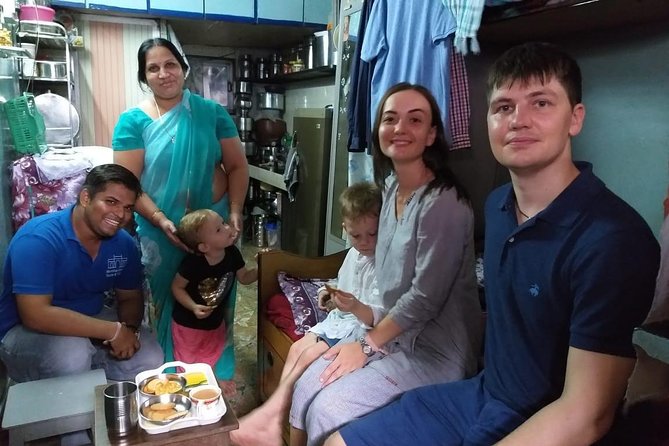
Most tours like this start with the practical stuff: getting you to the neighborhood without stress. For this Dharavi slum tour, pickup depends on the option you select, and meeting point can vary. The good news is that hotel/port pickup and drop-off are part of the offering, so you’re not left figuring out transit in a busy city.
If you don’t use pickup, you’ll meet at the designated meeting point for your option. One consistent tip is to plan to arrive on time. If your option includes pickup from your hotel, you’ll typically be told to wait in the lobby about 10 minutes before start.
Once you’re set, the tour begins at Mahim Railway Station, which is a helpful landmark. It’s the kind of clear starting point that makes the experience feel organized even when the streets ahead aren’t.
Inside Dharavi: the guided 2-hour walk and what you’ll actually see
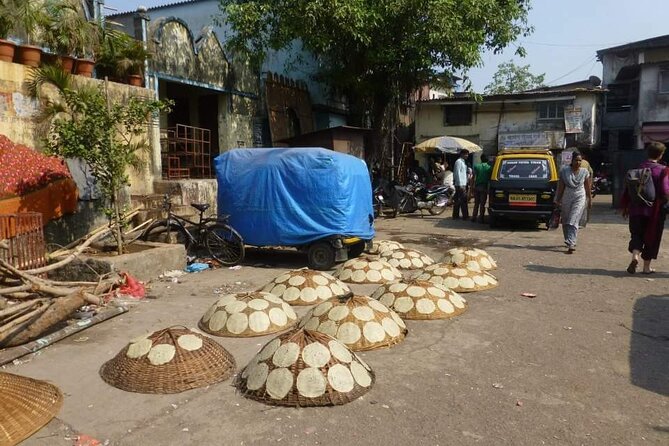
The core of the experience is a guided tour with walking through Dharavi for about two hours. The overall duration can run longer depending on your selected option (the activity lists 2–7 hours), but the on-the-ground walk is the anchor.
Here’s what that means for you. A two-hour walk is long enough to notice patterns—how work areas connect to living spaces, how production happens in compact layouts, and how people manage daily life alongside jobs. It’s also short enough that you can leave without feeling like you’ve been dragged around for half a day.
The walking portion is designed to be guided, not wandered. You’re meant to follow your local guide through a maze of lanes while learning what you’re seeing. That matters because Dharavi is not laid out for easy tourist navigation, and the guide helps you avoid turning the tour into random glancing.
Thirteenth compound recycling yard: plastic molding, metal work, and buttons for major brands
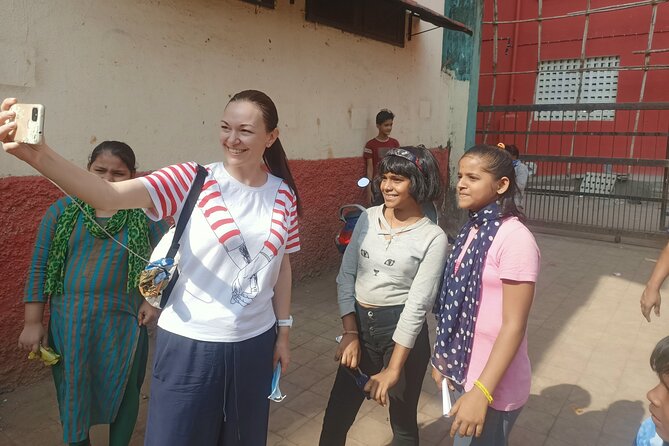
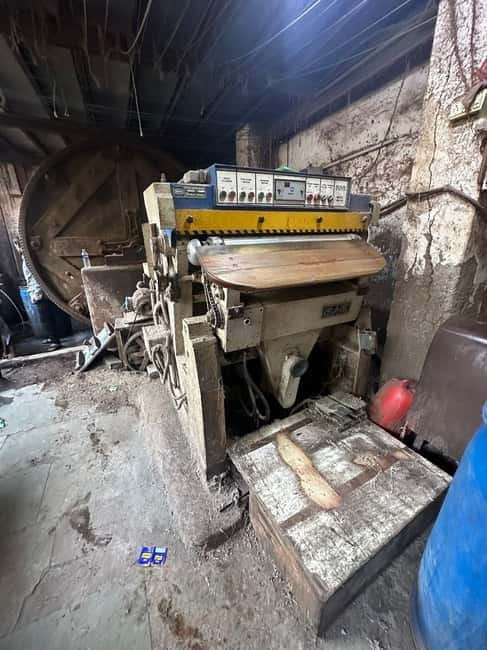
The tour’s most memorable stop is the plastic and metal recycling yard of the thirteenth compound. This is where you see the practical side of the area’s economy.
You’ll witness steps like melting and molding plastic toys, which is one of those details that instantly makes the process real. Instead of recycling being a concept, it turns into a chain of actions—materials come in, work happens, and products take shape.
You’ll also see buttons being created for well-known brands like Barbie Dolls in India. That detail is important. It reinforces the point that Dharavi’s work connects outward into mainstream supply chains, not only local markets.
For me, this is the best kind of “different angle” tourism: you get a tangible view of how labor becomes value. And because you’re looking through the lens of recycling, you can connect this neighborhood to a wider conversation about consumption, waste, and reuse.
Dharavi as a working community: trades you might hear about on the route
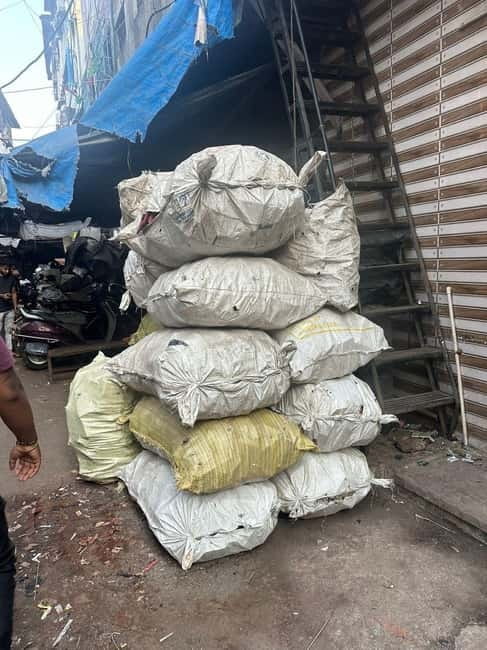
During the tour, you’ll learn how Dharavi is presented as a city within a city—a place where people from different backgrounds share space and daily routines. The messaging also centers on the idea that the neighborhood runs on entrepreneurship as much as survival.
You may hear about industries tied to recycling and small manufacturing, including:
- plastic recycling and toy-related production
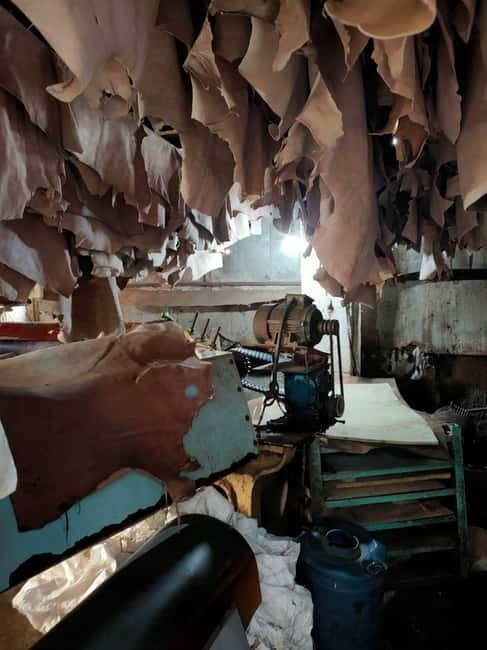
- leather goods
- ceramics
- embroidered garments
The practical value for you is that these categories give you a framework for noticing what’s around you. Instead of treating every corner as a separate surprise, you begin to see a system: materials, workshops, finishing, and distribution.
This also helps with one common problem on tours like this: people can leave with only pity or only shock. With a guide and a focus on work, you’re more likely to come away with clearer understanding—and a more balanced reaction.





The guides are the real engine: what Ruqaiyya and Neha bring to the experience
What consistently stands out is the quality of guidance. Ruqaiyya is highlighted in multiple strong ratings for clarity and charm, with English described as excellent. Neha is also praised for showing many interesting places and helping connect the tour to daily life.
That matters because Dharavi isn’t the kind of place where facts automatically present themselves. The streets are active. The production areas can be busy. Without a guide, it’s easy to miss what you’re looking at or to misread what’s happening.
From the feedback, Ruqaiyya seems to do more than list details. She’s described as having depth about the area and being responsive to questions. Neha is described as helpful and focused on daily life. Different personalities, same result: you’re not just passing through. You’re learning how to look.
If you care about respectful, well-explained context, this is where the tour earns its reputation.
Drop-offs near Third Wave Coffee and Dhobi Ghat: how to plan your next step
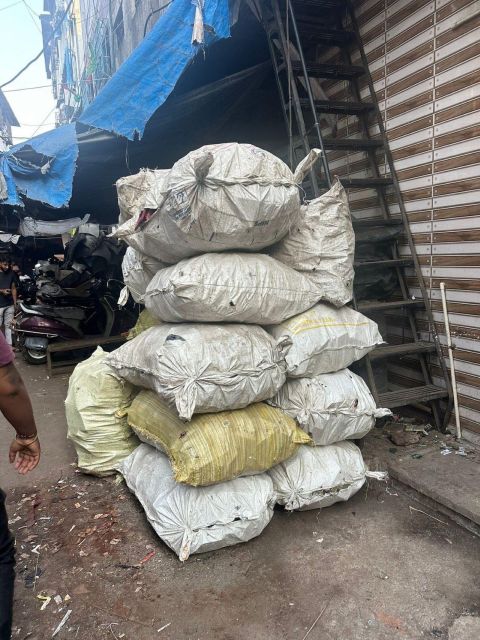
After the walk, you get three drop-off locations, with two called out clearly: Third Wave Coffee, Mumbai, and Dhobi Ghat. The Third Wave Coffee stop is useful because it gives you a natural place to regroup and get a drink if you want one, since meals aren’t included.
Dhobi Ghat is also an easy anchor for continuing your day. Even if your main plan was the Dharavi walk, having a drop-off that links you to other parts of Mumbai can save time.
The practical takeaway: plan to keep your schedule flexible enough to enjoy the rest of the day at your own pace. Your head may be full after the tour, and that’s a good reason not to stack back-to-back commitments.
Price and value: why this $8 Mumbai slum tour can be a smart deal
At about $8 per person, this is one of the lowest-cost options for a guided experience in central Mumbai. But the value isn’t only the price tag. It’s what’s bundled.
You’re told the tour includes:
- all places entry fees
- an English language local guide
- bottled water
- air-conditioned vehicle
- private transportation
- private group available
- hotel/port pick up and drop off
So you’re not paying extra just to get into the area or to have basic comfort while moving around the city. And the bottled water matters when you’re in a neighborhood where you’ll be walking and watching closely.
One more value point: the duration can be 2–7 hours depending on your selected option. If you want a quick overview, you can choose a shorter format. If you prefer more time to absorb details with your guide, longer options exist—within what the activity offers.
Not included is also important. Meals and drinks are not included. You’ll probably want to either eat before you go or have a plan for food after you finish, especially since the walk is the main event.
Who this Mumbai dharavi tour is best for (and who should pause)
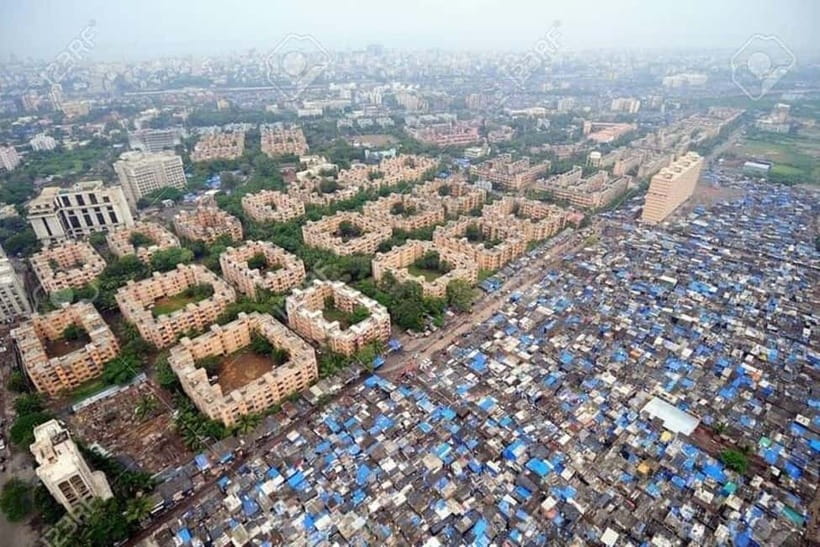
This mumbai slum tour is a strong fit if you:
- want a guided walk that focuses on work and industry
- enjoy learning from local perspectives
- like tours where you can ask questions and get context
- prefer a structured route with clear pickup/drop-off options
You should pause if you:
- hate walking in tight, active neighborhoods
- expect a typical sightseeing-only day (this is about trades and daily life)
- are sensitive to realities of poverty and dense living conditions
The tour also lists rules you should respect: no alcohol and drugs, and no nudity. Those are standard for tours that involve local communities, and they’re part of keeping the experience appropriate for everyone.
Practical tips that make your 2-hour walk more comfortable
Here’s how you make this 2-hour section feel easier and less stressful.
- Wear comfortable shoes. You’ll be on your feet for the main portion.
- Plan for questions. The guide is the tool that turns what you see into understanding, so speak up if something doesn’t make sense.
- Bring a calm, respectful attitude. This isn’t staged. The neighborhood is functioning because people live and work here.
- Hydration helps. Bottled water is included, but you’ll still want to pace yourself during the walk.
If you’re the type who likes to document everything, it’s smart to follow your guide’s instructions closely about what’s appropriate in the moment. The tour data doesn’t spell out a photo policy, so your safest move is to follow the lead of your guide.
Should you book the Dharavi Slum Tour with Linda Tour Mumbai?
If your goal is an honest, guided look at how Dharavi works—especially through the lens of recycling and small-scale production—this is a booking worth considering. The strongest signal is the guide quality: people repeatedly praise Ruqaiyya and Neha for clarity, friendliness, and making daily life understandable.
The main downside is also straightforward: you’ll be walking through an active neighborhood and you need comfortable shoes and the right expectations. If you can handle that, the value for money is hard to beat, especially with entry fees, bottled water, and AC transport included.
For a first-time Dharavi slum tour experience, I’d say book it with a guide-first mindset, and plan an easy finish afterward near Third Wave Coffee or Dhobi Ghat.
FAQ
How long is the Dharavi Slum Tour?
The experience lists a duration range of 2 to 7 hours, with the guided walk portion described as about 2 hours.
Where does the tour start?
The tour begins at Mahim Railway Station.
Do you get picked up from your hotel?
Hotel/port pick up and drop off are included, and pickup is optional depending on the option you choose.
What’s included in the price?
Inclusions listed include entry fees, an English language local guide, bottled water, and an AC vehicle with private transportation. You can also choose a private group option.
Are meals or drinks included?
No. Meals and drinks are not included.
What should I bring and what’s not allowed?
Bring comfortable shoes. The tour rules list no alcohol and drugs, and no nudity.
—
If you want, tell me your travel dates and whether you prefer a shorter or longer format, and I’ll help you decide how to schedule it with the rest of your Mumbai day.