REVIEW · 2-HOUR EXPERIENCES
Vibrant Markets of Mumbai (2 Hours Guided Walking Tour)
Book on GetYourGuide →Operated by Yo Tours · Bookable on GetYourGuide
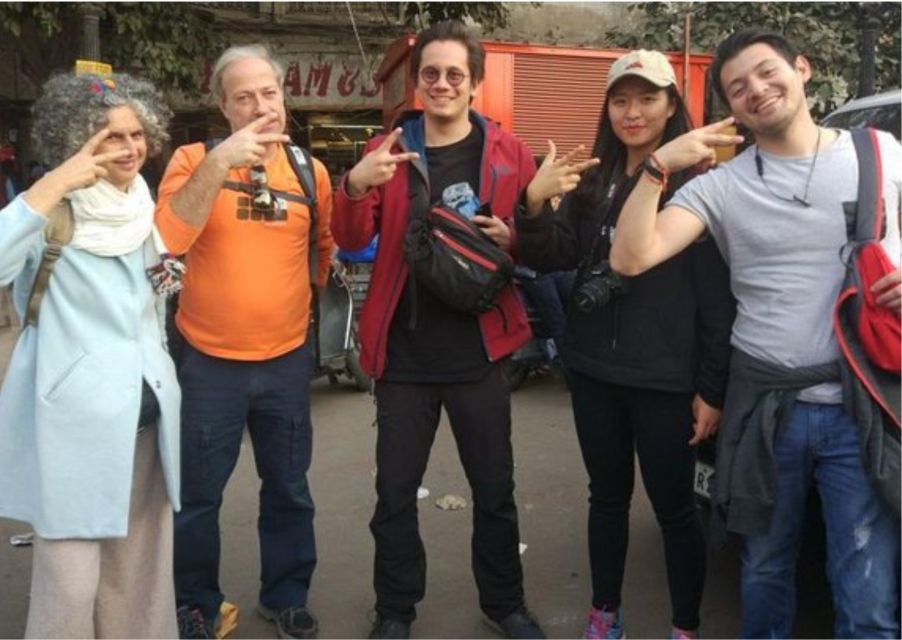
Mumbai markets hit your senses fast. This 2-hour guided walking tour turns Mumbai’s famous lanes into an easy-to-follow route, with shopping stops and street food along the way. You’ll start at BAPS Shri Swaminarayan Mandir and end at Crawford Market, with a guide who helps you make sense of what you’re seeing instead of just getting swept along.
What I like most is the mix of shopping-and-story: Zaveri Bazaar for jewelry, Mangaldas Market for silk and cloth, and Crawford Market for food cravings that actually match the hype. I also really value the pacing and people skills I’ve come to expect from guides such as Nisar, Maze, and Giriraj—they tend to answer questions, keep the walk organized, and tailor things if you need a slower moment.
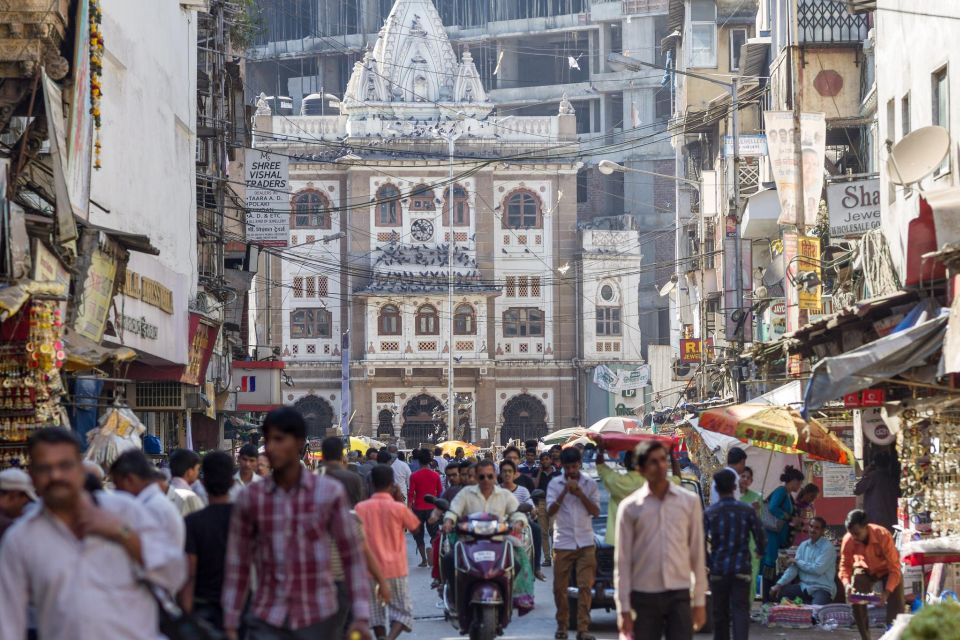
One drawback to plan for: these lanes get crowded and narrow, and you’ll be on your feet the whole time. If you hate close quarters or don’t walk well, this might feel more like a constant hustle than a relaxed stroll.
In This Review
- Key things to know before you go
- First stop: BAPS Shri Swaminarayan Mandir and why it matters
- Bhuleshwar Market area and BMC Market: your fast orientation to street-level Mumbai
- Mumba Devi Temple: a cultural reset between shopping streets
- Zaveri Bazaar: jewelry glitter with real context (and careful footing)
- Kalbadevi and Chor Bazaar: antiques, furniture, and a different rhythm
- Mangaldas Market (opened in 1893): silk, cloth, and the craft angle
- Crawford Market: where the food tasting actually earns its keep
- Masala chai in a clay pot: the break with city views
- Dessert and mouth fresheners: finishing strong at Crawford Market
- Guides, safety, and the kind of help that changes the whole day
- Price and value: is $14 worth it?
- Who should book this tour
- Quick planning tips so the markets feel fun, not stressful
- Should you book Vibrant Markets of Mumbai?
- FAQ
- How long is the Vibrant Markets of Mumbai walking tour?
- Where does the tour start?
- Is there food included in the tour?
- What places are included on the route?
- What languages is the guide able to speak?
- Do I need to bring anything?
- Is the tour suitable if I don’t like crowded streets?
- Where does the tour end?
Key things to know before you go
- Start at BAPS Shri Swaminarayan Mandir so you get a clean point of reference before the markets.
- Zaveri Bazaar + Mangaldas Market give you two sides of Mumbai retail: jewelry glitter and textile craft.
- Crawford Market tasting focuses on foods you can actually buy and remember, like cheese and homemade chocolates.
- Masala chai in a clay pot is part snack break, part sightseeing, with views over the city.
- Temple and landmark stops (like Mumba Devi Temple and Chor Bazaar) add context beyond shopping.
- You’ll walk busy lanes in all weather, so bring the right clothing and an umbrella for monsoon months.
First stop: BAPS Shri Swaminarayan Mandir and why it matters
The tour kicks off at BAPS Shri Swaminarayan Mandir in Mumbai. This is a smart starting point because it anchors you in a real neighborhood setting before you head into the market maze. You’ll meet your guide, get a quick sense of what the route will cover, and then you’re off on foot.
In practical terms, this matters because Mumbai’s markets can feel like they’re running on their own logic. Having a guide from the beginning means you’re less likely to get turned around when the streets narrow, crowds thicken, and shop signs blur together.
You can also read our reviews of more walking tours in Mumbai



Bhuleshwar Market area and BMC Market: your fast orientation to street-level Mumbai
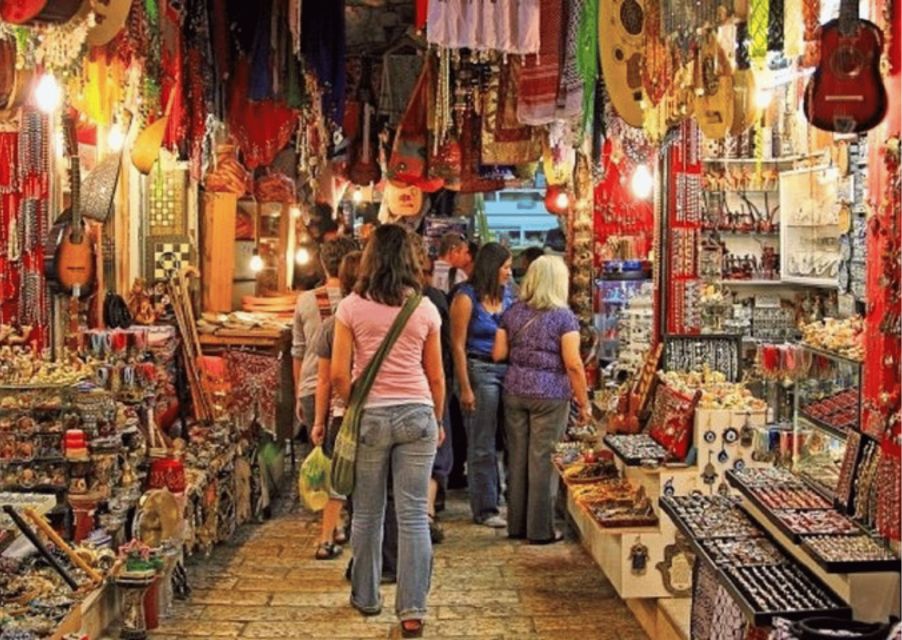
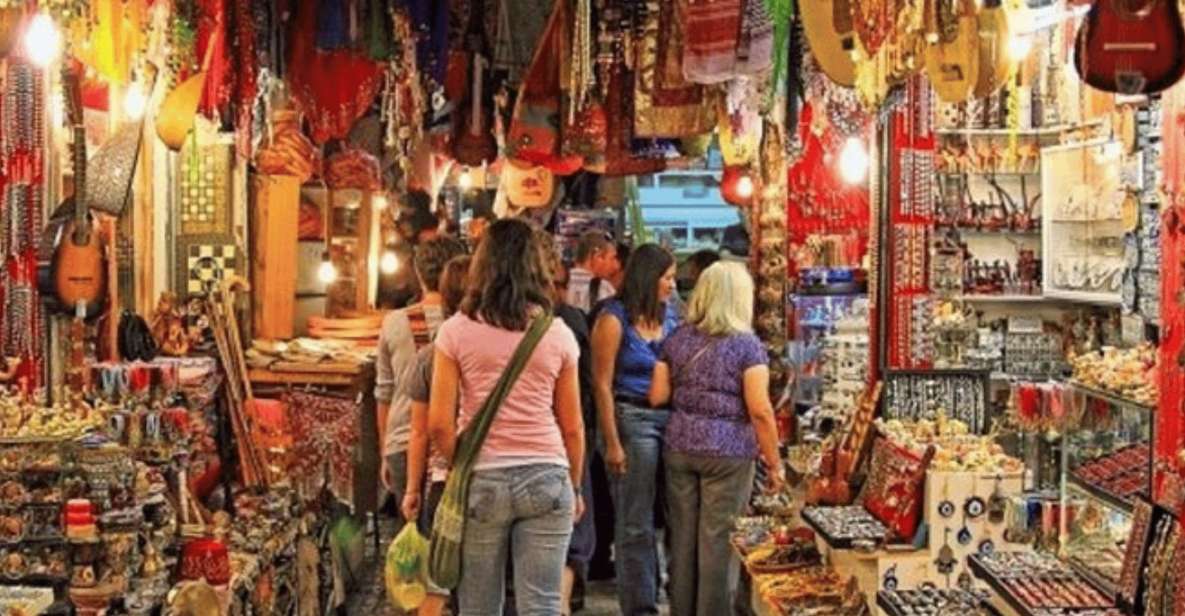
After the start, you’ll move through market corridors like Bhuleshwar Market and nearby BMC Market areas. Expect a lot of variety packed into a small space: fruits and vegetables, imitation jewelry, religious items and pooja materials, rose petals, household goods, and cloth accessories. It’s the kind of place where you quickly learn that Mumbai retail isn’t just about one product—it’s about daily life.
One thing I like here is how your guide helps you “read” what you’re seeing. You start noticing patterns: what gets sold together, what people are shopping for right now, and which lanes are more focused on essentials versus personal adornment. It’s also a good warm-up for the rest of the walk.
If you’re sensitive to crowds, keep your expectations realistic. You’re going to be in busy lanes, and you’ll need to stay alert as people weave in and out of storefronts.
Mumba Devi Temple: a cultural reset between shopping streets
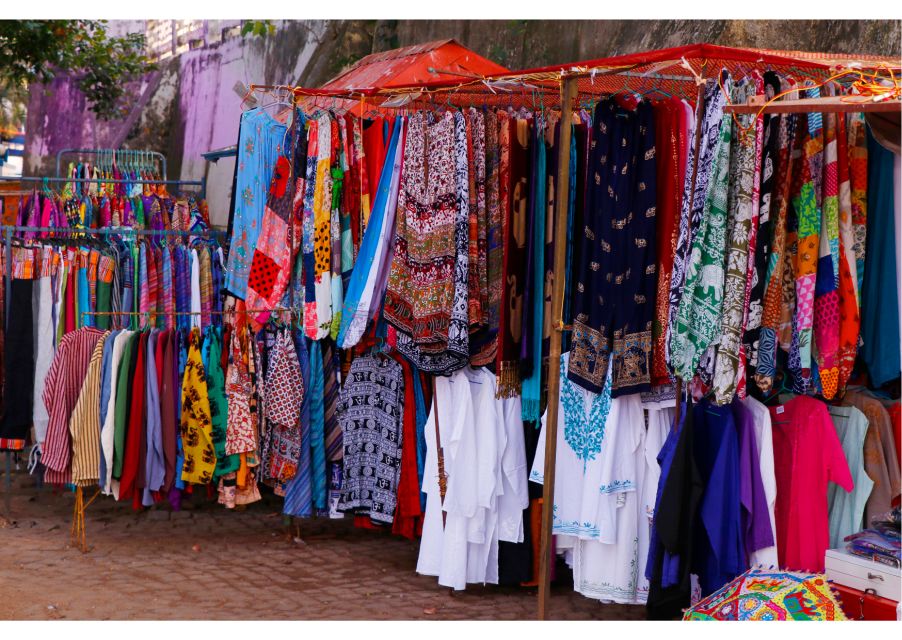
You’ll stop at Mumba Devi Temple, a key place connected to the city’s name. This isn’t just a photo break. It’s a moment to slow down and understand that the market streets around you aren’t separate from local identity—they’re part of it.
In Mumbai, it’s easy to treat markets like a separate tourist zone. A temple stop helps you reconnect the dots: people come to buy, yes, but they also come to participate in rituals and traditions that shape what gets sold (and what shoppers look for).
Zaveri Bazaar: jewelry glitter with real context (and careful footing)
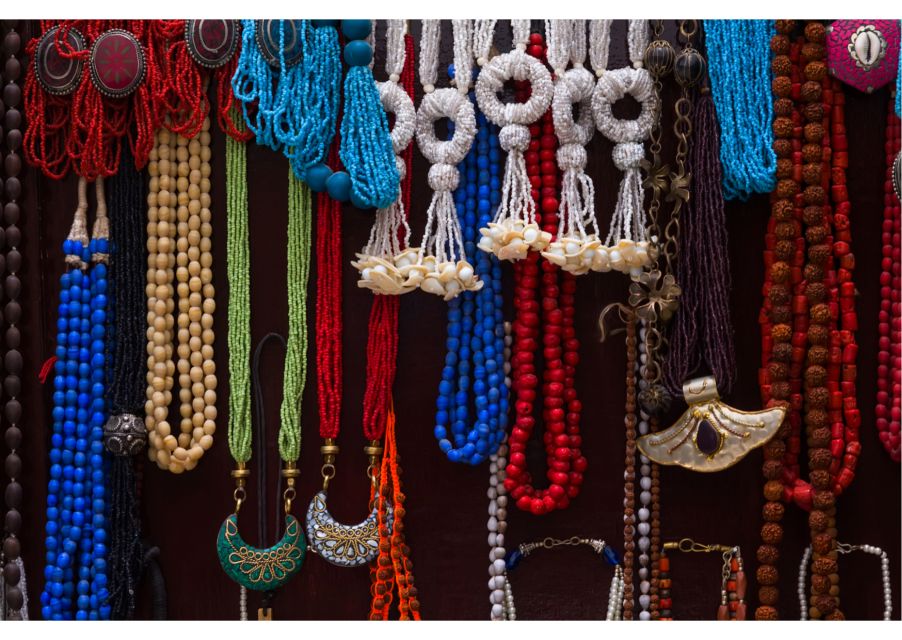
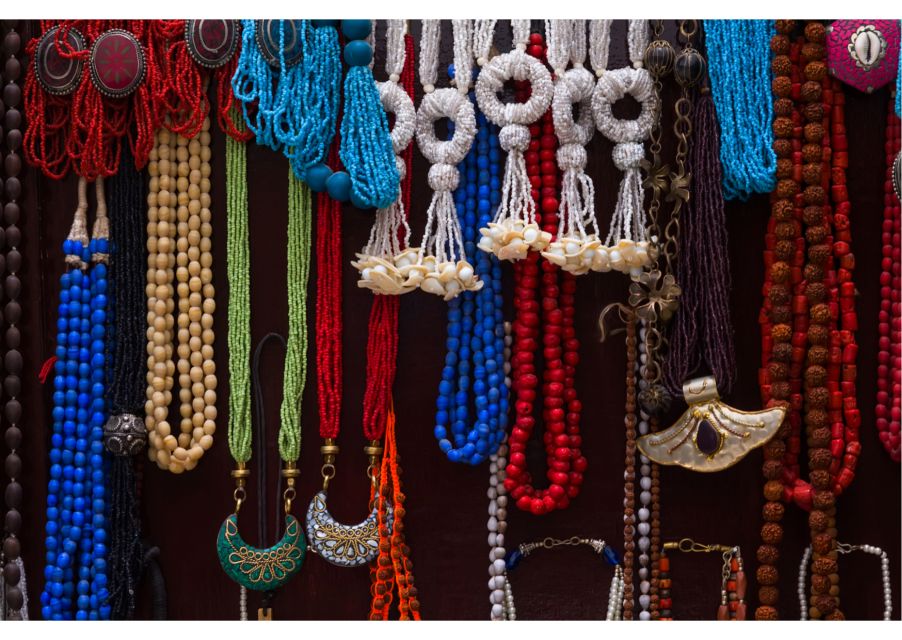
Next up is Zaveri Bazaar, widely known as the largest jewelry market in Mumbai. This is where the city’s sparkle shows up in full force: ornaments, gold, and glittering stones are everywhere you look. Even if you’re not planning to buy, Zaveri Bazaar is still worth it because you’ll see how jewelry retail works as a whole ecosystem—display style, shop specialization, and the way customers browse.
A guided walk helps you avoid one common trap: spending half the time overwhelmed by sheer choice. Your guide can point you toward the kinds of products shops focus on, and you’ll have time to take in what makes the bazaar distinct.
The main consideration here is your own comfort. Jewelry markets can be visually intense, and the streets can be packed. Wear shoes you can stand in and move through quickly.
Kalbadevi and Chor Bazaar: antiques, furniture, and a different rhythm
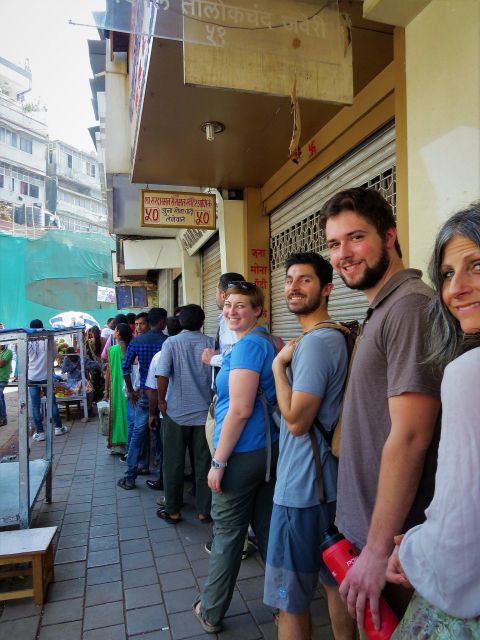
From Zaveri you’ll pass through Kalbadevi and then head toward Chor Bazaar, known for antiques and furniture. This section shifts the tone from “glam display” to “scrappy treasure hunting.” Instead of shopping for a new set of earrings, you’re looking at objects that feel like they’ve lived more than one life.
You’ll also have a pass through the flower street, which adds another layer to the senses—especially if you’re paying attention to how markets support everyday rituals, home decoration, and celebrations.
If you enjoy side-streets and odd finds, this portion is a nice change of pace. If you’re only into modern shopping, you might skim a bit more here, but I still think the antique/furniture stop gives your overall map of Mumbai a lot more shape.
You can also read our reviews of more guided tours in Mumbai





Mangaldas Market (opened in 1893): silk, cloth, and the craft angle
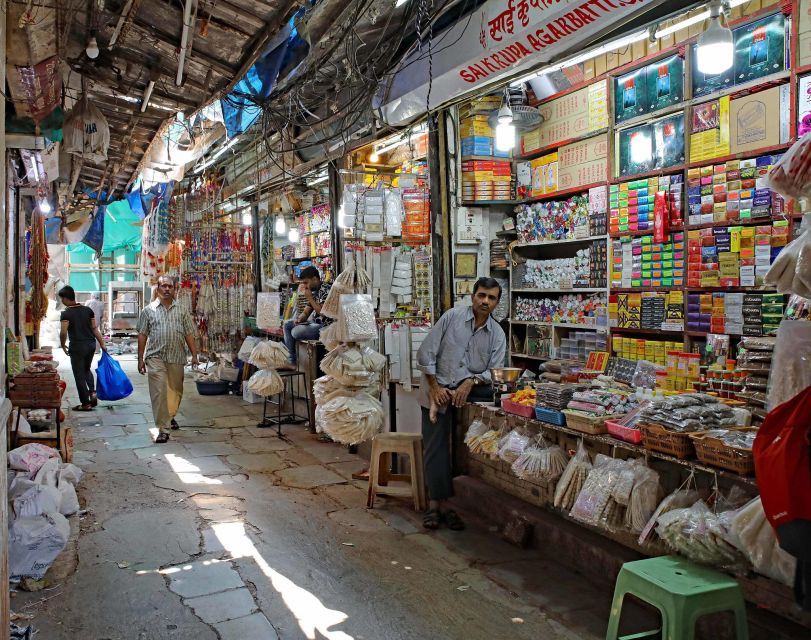
One of the most meaningful stops is Mangaldas Market, which opened in 1893. You’ll associate this area with silk and cloth—exactly the kind of local specialty that makes Mumbai shopping feel more like craft than consumerism.
Here’s what I like about visiting Mangaldas on a guided route: you’re not just seeing fabrics. You’re learning the trade logic behind them—how tailors and shops fit into the same retail world, and why certain streets and stores become known for particular materials.
If you’re the kind of traveler who loves to look closely (stitching, fabric weight, how items are displayed), this stop can give you that slow, rewarding kind of attention. And even if you buy nothing, you’ll still leave with a better sense of what “silk and cloth” means in real store conditions, not just as a vague label.
Crawford Market: where the food tasting actually earns its keep
Your walking tour includes a stop at Crawford Market, and this is one of the easiest places to justify the whole experience. The market is known for fruits and vegetables, and it’s also famous for imported cheese. On top of that, you’ll sample homemade chocolates—the kind of sweet that tends to feel made for sharing, not just selling.
Even if you don’t have a huge sweet tooth, I love food stops here for a simple reason: they help you relax in the middle of all the shopping noise. A tasting gives you a break without turning the tour into a restaurant crawl. You’ll eat street-style items as part of the experience, and your guide will handle what you’re served.
You should also tell your guide about any allergies ahead of time, since these are local street foods and the ingredients aren’t standardized like a chain restaurant.
Masala chai in a clay pot: the break with city views
One highlight is masala chai in a clay pot, and the point isn’t just the tea. It’s the way the break shifts your perspective. Between dense shop lanes, this is where you can take a breath and feel Mumbai’s scale in a more open moment.
If you’re the sort of person who notices small sensory details—how tea smells, how the cup looks, the texture of the clay—this will land well. And if you’re more practical, it’s still useful: tea helps reset you so the last part of the walk feels easier.
Dessert and mouth fresheners: finishing strong at Crawford Market
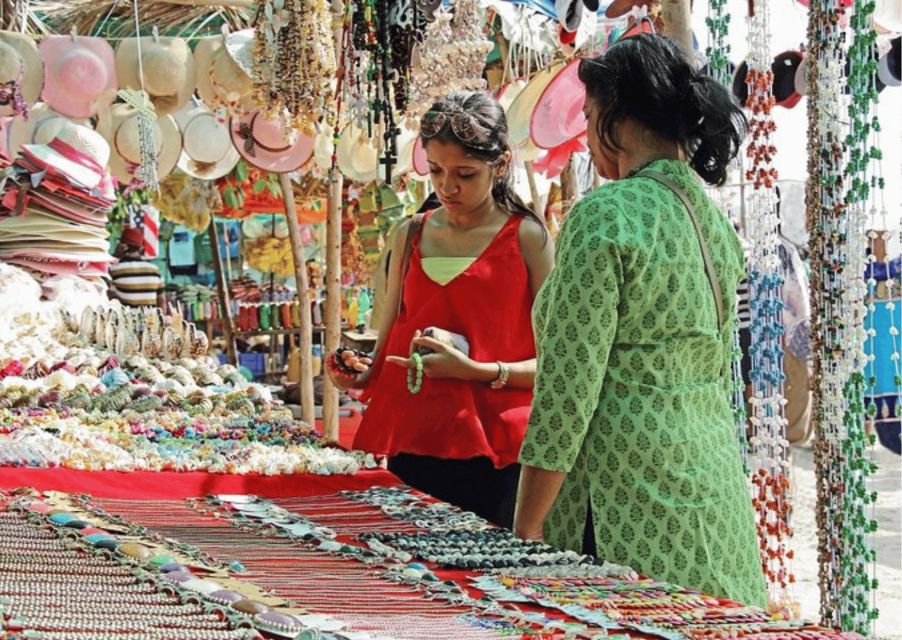
The tour ends at Crawford Market, and you’ll finish with desserts and mouth fresheners. This is a classic market-tour move for a good reason: it turns a long, spice-and-snack day into something that feels clean and finished.
The mouth freshener part is especially helpful after tasting multiple street items. Instead of feeling “stuck with” the flavors in your mouth for hours, you get a little reset before you head back to your plans.
Guides, safety, and the kind of help that changes the whole day
A big reason people rate this style of market tour highly is the human factor. In the experience, the guide matters a lot. The tour includes a friendly storyteller/guide who speaks English and Hindi, and the best guides don’t just talk—they help you navigate.
From what I’ve learned, guides like Nisar, Maze, Giriraj, and Hisar Shaikh (names that show up with strong feedback) often focus on organization: keeping the route coherent, helping you stay safe around busy traffic and tight crossings, and answering questions without rushing you. That’s the difference between “I walked through shops” and “I got a real understanding of what I was seeing.”
Price and value: is $14 worth it?
For $14 per person (for a 2-hour guided walking tour), the value comes from a few things you can’t easily replicate on your own:
- You get access to high-density market zones without wasting time figuring out the logic.
- You get multiple food tastings included, including cheese and homemade chocolates at Crawford.
- You get cultural context at stops like Mumba Devi Temple plus historic details like Mangaldas Market opened in 1893.
Could you walk these areas independently? Sure. But you’d spend a lot of time sorting out what’s worth your attention and when to stop for breaks. The guide is essentially selling you time and clarity, not just narration.
Who should book this tour
This walk fits you best if you want:
- a short, high-impact taste of Mumbai markets in just 2 hours
- street food tasting, including chai and sweets
- a guided plan that helps you move through crowded lanes without losing your bearings
- the chance to see both retail specialists (like jewelry) and daily-life markets (like spices, cloth, and essentials)
It’s less ideal if you:
- can’t manage steady walking through crowded, narrow streets
- strongly prefer quiet, slow sightseeing with minimal foot traffic
Quick planning tips so the markets feel fun, not stressful
- Wear comfortable clothes and shoes built for walking.
- Expect crowds and narrow streets.
- If you’re visiting in monsoon season, bring an umbrella since the tour operates in all weather conditions.
- If you have allergies, tell the guide so the food tasting stays safe.
Should you book Vibrant Markets of Mumbai?
If your idea of a great Mumbai morning or afternoon includes markets, street food, and at least a bit of local context, I’d say book it. The route is designed to hit big-name specialties—Zaveri Bazaar, Mangaldas Market, and Crawford Market—and the included tastings and chai break make the whole thing feel like more than shopping.
But be honest about your stamina. This is a walking tour through busy lanes. If you can handle that, you’ll come away with a sharper sense of how Mumbai retail and everyday ritual overlap.
FAQ
How long is the Vibrant Markets of Mumbai walking tour?
The tour lasts 2 hours.
Where does the tour start?
You meet at BAPS Shri Swaminarayan Mandir, Mumbai.
Is there food included in the tour?
Yes. You get food tasting of multiple authentic Mumbai street dishes, including cheese and homemade chocolates at Crawford Market, plus masala chai in a clay pot, and the tour finishes with desserts and mouth fresheners.
What places are included on the route?
You’ll visit or pass key market and landmark areas such as BMC Market, Mumba Devi Temple, Zaveri Bazaar, Kalbadevi, Chor Bazaar, Mangaldas Market (opened in 1893), and Crawford Market. The walk also includes things like Bhuleshwar Market and a flower street pass.
What languages is the guide able to speak?
The guide can speak English and Hindi.
Do I need to bring anything?
Wear comfortable clothes. If you’re going during monsoon or rainy weather, carry an umbrella since the tour runs in all weather conditions.
Is the tour suitable if I don’t like crowded streets?
It may be challenging if you don’t like crowds. The route runs through busy market lanes with narrow streets.
Where does the tour end?
The tour finishes at Crawford Market.