REVIEW · CITY TOURS
Private City Tour with Dharavi Slum Dhobighat and Dabbawalla
Book on Viator →Operated by Namaste Tours and Trips · Bookable on Viator
Dharavi and Mumbai icons in one day. This private tour is interesting because it links the polished views people photograph with real work and daily life you usually skip. I like the private group setup (just your group) and the way the guide, Sid/Siddhi from Namaste Tours and Trips, explains things with a human and sensitive approach. One consideration: it’s a long day (6–7 hours) with a full stop inside Dharavi that can feel emotionally intense, and the experience needs good weather.
What makes the flow work is that you get a city-orientation first—Gateway of India, colonial-era landmarks, rail heritage, major promenades—then you shift toward Mahalakshmi’s open-air laundry world and finally Dharavi. I also like that you don’t have to build a shopping detour into your day; one review specifically praised that you don’t have to buy anything, which keeps the focus on seeing and learning.
In This Review
- Key Things That Make This Tour Worth Your Time
- Why This Route Mixes Big Landmarks With Real Neighborhoods
- From Regal Cinema to Kumbhar Wada: The Day’s Shape
- Gateway of India, University of Mumbai Library, and the High Court: The “Older Mumbai” Setup
- CST and Crawford Market: Where Architecture Meets Daily Flow
- Marine Drive and Churchgate: The Sea Promenade Reality Check
- Mani Bhavan Gandhi Museum: A Quiet Pivot Point
- Malabar Hill Views: Hanging Gardens, Kamala Nehru Park, and Banganga
- Antilia From the Outside: Wealth in the Same Frame
- Dhobi Ghat at Mahalaxmi: Seeing Work, Not Just a Landmark
- Dharavi for About 2 Hours: Learning the City Through People’s Lives
- Price and Value: What $75.69 Buys You in Real Terms
- Tips for a Smoother Day (So You Can Actually Enjoy It)
- Should You Book This Dharavi + Dhobi Ghat Private Tour?
- FAQ
- How long is the tour?
- Where does the tour start and end?
- What time does the tour begin?
- Is pickup included?
- Is this tour private?
- Is there an admission fee for the stops?
- What weather or participant requirements should I know about?
Key Things That Make This Tour Worth Your Time
- Private, just your group: No merging with strangers mid-day.
- Sid/Siddhi’s explanations: Clear background, plus a respectful tone for sensitive neighborhoods.
- A smart landmark warm-up: Gateway of India through CST helps you get your bearings fast.
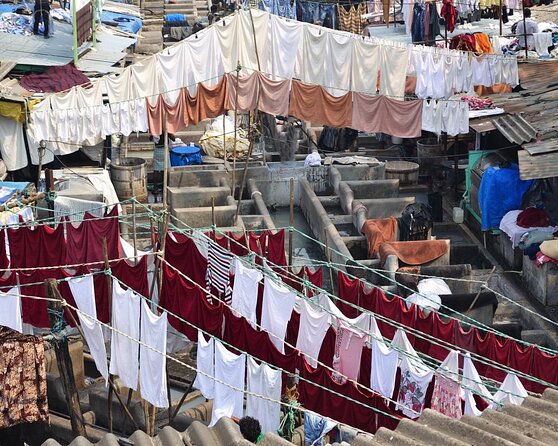
- Dhobi Ghat as a working neighborhood: You’re not just looking at a photo spot; you’re seeing a daily system.
- Dharavi for about 2 hours: Enough time to move beyond quick impressions.
- Mobile ticket and pickup options: Less hassle on the logistics side.
Why This Route Mixes Big Landmarks With Real Neighborhoods
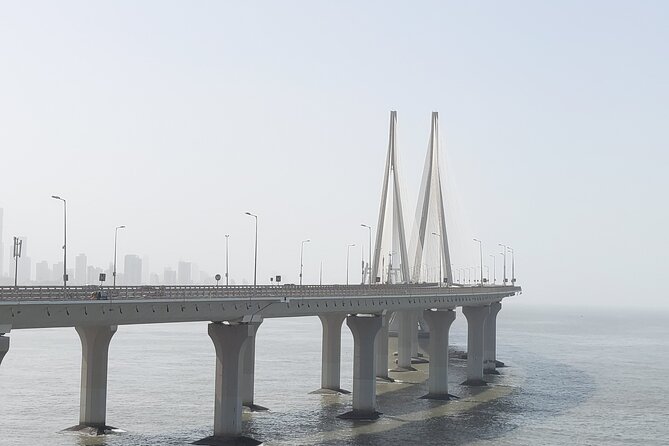
Mumbai can feel like two cities: the one in postcards and the one that runs the economy. This tour tries to show the connection between those worlds. You start with major public landmarks—Gateway of India, Chhatrapati Shivaji Terminus, Marine Drive, and classic market-and-street architecture—then you end by going into Dharavi and seeing how people live and work.
That contrast is the point. Gateway of India and CST give you the “how Mumbai looks on a map” story: empire-era monuments, rail heritage, and the dramatic geometry of the city. Marine Drive and the Malabar Hill area (Hanging Gardens, Kamala Nehru Park) add a west-coast, sea-breeze angle. Then Dhobi Ghat shifts the mood from skyline to labor: open-air laundry, constant movement, and the kind of routine you rarely get to witness in a single afternoon. Finally, Dharavi becomes the hardest stop in the best way—because you’re learning how a neighborhood functions, not treating it like a sideshow.
If you’re the type of traveler who likes meaning over checklists, this fits. If you’re looking for only “pretty sights” or only “guided history museum vibes,” you might prefer a lighter city-only route.
You can also read our reviews of more city tours in Mumbai



From Regal Cinema to Kumbhar Wada: The Day’s Shape
The tour starts at Regal Cinema, Apollo Bandar, Colaba at 9:30 am, and it ends at Kumbhar Wada, Dharavi. That matters. Ending in Dharavi means you’re finishing in the neighborhood where many tours would turn around earlier. It also reduces backtracking later, which helps when you’ve got a packed schedule.
You also get pickup offered, and the tour is private—just your group. In practical terms, that can reduce time wasted with meet-up confusion. It’s also easier to ask questions, especially when you’re moving from public monuments into places where tone matters.
Expect about 6 to 7 hours total, with a standout chunk of about 2 hours in Dharavi. That’s plenty of time for the guide to explain what you’re seeing and for you to absorb the atmosphere without rushing.
Gateway of India, University of Mumbai Library, and the High Court: The “Older Mumbai” Setup
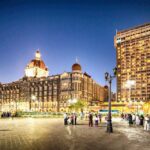
You begin at Gateway of India, the early 20th-century arch monument tied to the visit of King-Emperor George V. Even if you’ve seen it in photos, standing there helps you understand why Mumbai became a trading and political hub. It’s the kind of landmark that anchors the whole day: you can literally point out where the harbor-focused story begins.
Next come quick-but-useful stops around education and law:
- University of Mumbai Library: You get a feel for Mumbai as a city that’s not only commercial, but also institutional.
- Bombay High Court (Principal Bench): The High Court is a reminder that this metropolis runs on systems—courts, regulations, and governance—that shape daily life far beyond the waterfront.
These stops are short (about 10–20 minutes each), so don’t expect a deep classroom experience. Instead, think of it like an orientation briefing in public spaces. You’re building a framework so the later contrasts—wealth, labor, and community—make more sense.
CST and Crawford Market: Where Architecture Meets Daily Flow
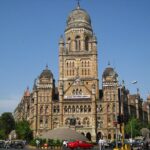
One of the best “city anchor” moments is Chhatrapati Shivaji Terminus (CST). It’s a UNESCO World Heritage Site and a major railway terminus, designed by British-born architect Frederick William Stevens. CST’s importance isn’t only aesthetic. It signals how rail connections shaped Mumbai’s growth and mobility.
Then you move to Crawford Market, completed in 1869 and associated with Cowasji Jehangir, who donated it to the city. Markets are where city stories become practical. Even during short stops, you’ll get a sense of local trade patterns and the everyday rhythm that surrounds historic buildings.
If you’re photo-happy, these are strong stops. If you hate crowds, keep expectations realistic: markets and major stations tend to draw foot traffic. The upside is that it feels like Mumbai rather than a theme-park version.
Marine Drive and Churchgate: The Sea Promenade Reality Check
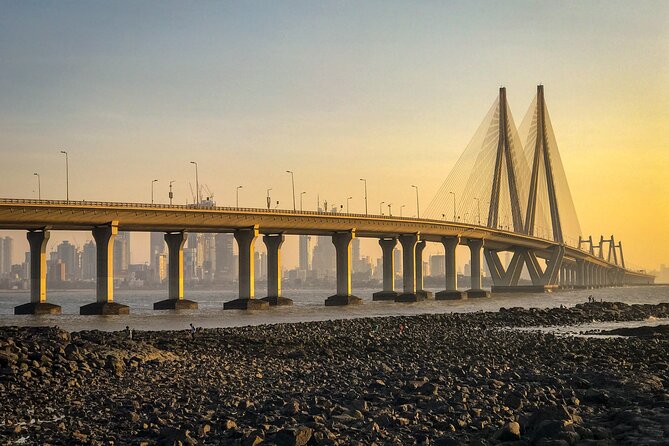
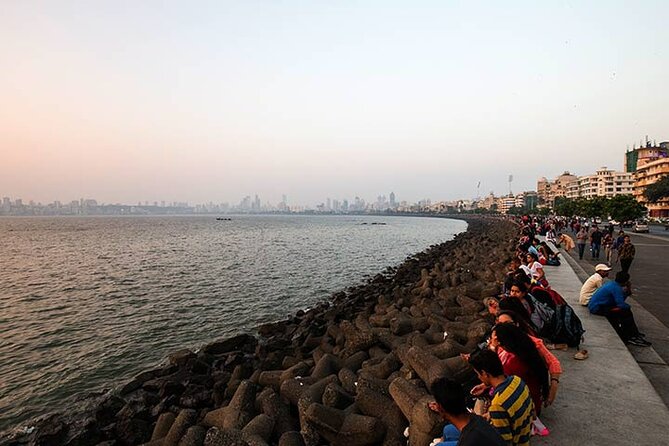
Marine Drive is a famous 3-kilometre promenade along Netaji Subhash Chandra Bose Road. It’s a C-shaped promenade and the road construction is credited to Pallonji Mistry. On a day like this, Marine Drive works as a reset button. You get a long visual line toward the coast, and you can breathe for a minute after moving through tighter streets.
Then you end up at Churchgate Railway Station. The area is tied to sports grounds like Oval Maidan and Brabourne Stadium, and it’s known for neo-Gothic and art-deco architecture nearby. Even if you only spend about 20 minutes here, it’s another “systems stop”: rail + public space + the city’s planned edges.
Practical note: promenades and stations are easier when the day is comfortable weather-wise. The tour itself requires good weather, so if the forecast looks shaky, be ready for schedule changes or reconsideration.
You can also read our reviews of more private tours in Mumbai



Mani Bhavan Gandhi Museum: A Quiet Pivot Point
Mani Bhavan Gandhi Museum is dedicated to Gandhi and is described as a focal point of his political activities in Mumbai. Even though the stop is listed as around 20 minutes, it’s a meaningful pivot in the tour’s emotional direction.
After the legal and architectural stops, you get a human story. And after the later “work/life” stops, Mani Bhavan gives context: this city’s identity isn’t only business and infrastructure. It also includes movements, ideas, and political organizing.
If you prefer museums where you can linger, you may wish you had more time. If you prefer a tour that keeps momentum while still staying thoughtful, this 20-minute format is workable.
Malabar Hill Views: Hanging Gardens, Kamala Nehru Park, and Banganga
You then head to the Malabar Hill side, starting with the Hanging Gardens, also known as Pherozeshah Mehta Gardens. They’re terraced gardens perched above Malabar Hill, on its western side. Next is Kamala Nehru Park, built in 1952 and named after Nehru’s wife, with a view over Marine Drive.
These stops are about outlook—literally and emotionally. They show the city’s layering: sea views, neighborhoods below, and the way Mumbai wraps itself around geography.
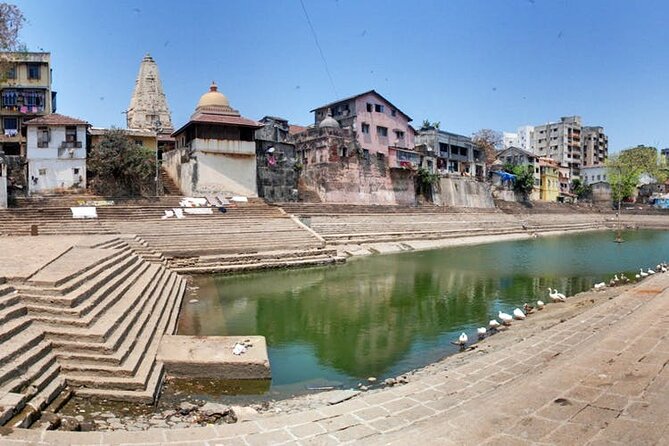
Then comes Banganga: a temple tank part of the Hindu Walkeshwar Temple complex in the area. Temple tanks are easy to underestimate on a hurried sightseeing day. But they can offer a quiet change of pace. You’ll see sacred space integrated into the city’s public life, right beside other layers of Mumbai.
One consideration: if you’re traveling during hotter parts of the day, plan for sun and heat. Gardens and outdoor viewing points can be harder to enjoy if you’re not dressed for it.
Antilia From the Outside: Wealth in the Same Frame
Antilia is a private residence on “billionaires row,” named after the mythical island Antillia, and it’s associated with Mukesh Ambani. The tour frames it as a viewing stop (about 20 minutes), and it’s worth treating it that way.
This is one of those Mumbai moments where the contrast lands fast. You’re seeing extreme wealth close to places where people hustle for income and stability. Without turning it into a lecture, the stop helps you connect the dots: the city’s economic scale is enormous, and it all exists within the same metro.
If you’re sensitive to inequality topics, this might feel heavy. If you want to understand Mumbai’s contradictions, it’s a useful piece.
Dhobi Ghat at Mahalaxmi: Seeing Work, Not Just a Landmark
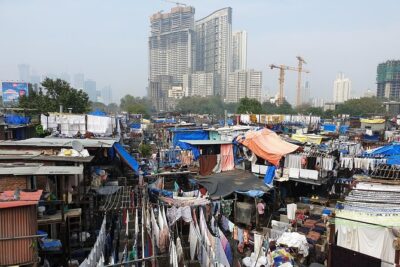
Now you reach Dhobi Ghat, specifically Mahalakshmi Dhobi Ghat, an open-air laundry place. It’s located at Mahalaxmi railway station (and is also accessible from Jacob Circle monorail station). You’ll likely see how washers work in the open, with water and movement forming the routine.
This stop is listed as about 30 minutes, which tells you the goal: observe and understand how the system works, not spend hours watching one task. The value here is that laundry isn’t just a tourist subject. It’s an operating piece of the city’s daily life.
One of the strongest signals from the guide story is that Sid/Siddhi handles this kind of area with respect and good context. You’re not just walking past activity—you’re learning what makes it work.
A practical tip: bring a mindset that accepts sensory intensity. Open-air working areas can mean smells, sound, and motion. If you expect a quiet museum, you might be surprised.
Dharavi for About 2 Hours: Learning the City Through People’s Lives
The day ends with Dharavi, described as one of the world’s largest slums by population and area, with about 1,000,000 people and just over 2.1 square kilometres. The stop is about 2 hours, which is a key detail. You’re not doing the fast version.
Dharavi can be the emotional center of the day. It’s easy to either oversimplify or turn it into a checklist of tragedy. A good guide matters here. In the feedback, Sid/Siddhi consistently gets praised for a very human and sensitive approach—and for explaining history and interesting facts without turning people into props.
Because this is a private tour, your group can keep a quieter, more controlled pace. That matters in a neighborhood where privacy and respect aren’t optional.
You should also think about what you’re doing during those two hours:
- Ask questions when you genuinely want context.
- Stay aware that you’re in people’s living environments.
- Take cues from your guide on what to photograph and how to behave.
This stop is the part of the itinerary where your attitude matters most. If you’re respectful, it can be one of the most educational experiences you’ll have in Mumbai. If you’re tense or impatient, it can feel overwhelming.
Price and Value: What $75.69 Buys You in Real Terms
At $75.69 per person, this isn’t a budget “see a few things from a van” tour. It’s priced like a full guided day with a serious neighborhood component.
Here’s where the value shows up:
- Many stops in one route: You’re covering major landmarks (Gateway of India, CST, Marine Drive) plus working and local-life spaces (Dhobi Ghat, Dharavi).
- Private group: That typically costs more than joining a shared tour, but it gives you control and time for questions.
- Pickup offered plus a mobile ticket: fewer logistical frictions during a long day.
- Guide quality: Reviews highlight Sid/Siddhi’s sensitivity and professionalism, and specifically mention his communication before the tour and flexibility (like adding new places when some stops were already seen).
The one thing to be honest about: 6–7 hours is a commitment. If your Mumbai trip is only one day and you want maximum sightseeing, this works because it’s structured. If you hate long drives and long walking blocks, you might feel stretched—especially with the Dharavi time.
Tips for a Smoother Day (So You Can Actually Enjoy It)
A few practical notes I’d suggest before you go:
- Wear comfortable shoes. You’ll be moving through major public areas and active sites.
- Bring water and plan for sun. Some stops are outdoor viewpoints and promenades.
- Keep your questions ready. The guide’s explanations are a big part of why this tour feels worthwhile.
- For religious and residential areas (like Banganga and Dharavi), keep your behavior calm and respectful. Your guide will set the tone, but you should come in prepared.
- If you’re not into photography, you can still enjoy this tour. The value is the story and the perspective.
Should You Book This Dharavi + Dhobi Ghat Private Tour?
I’d book it if you want more than postcards. This tour gives you a structured Mumbai overview and then forces the day to make sense of how wealth, infrastructure, work, and community coexist. The guide—Sid/Siddhi from Namaste Tours and Trips—comes through strongly in the feedback for a sensitive, thoughtful approach, and I like that you’re not pushed into buying stuff.
I’d think twice if you need a light, purely scenic day. Dharavi and Dhobi Ghat are real, active spaces, and the emotional impact can be strong. Also, the tour requires good weather, so check forecasts close to departure and be ready to adjust.
If your schedule fits and you’re traveling with the right expectations, this is a solid way to understand Mumbai without treating it like a theme park.
FAQ
How long is the tour?
The tour lasts about 6 to 7 hours.
Where does the tour start and end?
It starts at Regal Cinema, Apollo Bandar, Colaba, Mumbai, and ends at Kumbhar Wada, Dharavi, Mumbai.
What time does the tour begin?
The start time is 9:30 am.
Is pickup included?
Pickup is offered.
Is this tour private?
Yes, it’s a private tour/activity, so only your group participates.
Is there an admission fee for the stops?
The stops listed show admission ticket free for the included locations.
What weather or participant requirements should I know about?
The experience requires good weather, and it may be canceled if a minimum number of travelers isn’t met. If canceled for poor weather, you’ll be offered a different date or a full refund.