REVIEW · DHARAVI SLUM TOURS
Dhobi Ghat (Open Air Laundry) with Dharavi Slum Guided Tour
Book on Viator →Operated by Shreeji Tours n Travels · Bookable on Viator
Laundry is working overtime in Mumbai.
I love tours that connect what you see with how people live, and this one does it fast: Dhobi Ghat shows a working laundromat that’s been operating since 1890, and then you walk through Dharavi, one of Asia’s largest slum areas, focused on small industries and everyday life. It’s a rare pairing of old trade and modern hustle, in just 5–6 hours.
Two things I really liked: first, the chance to watch dhobis (the washer-men) working in the open—cleaning and drying linens from hotels and hospitals—without the museum-style distance. Second, the guidance. In one of the experiences I reviewed, the guide Rakesh was clear, upbeat, and helpful from the meeting point all the way through.
One consideration: this is weather dependent and you’ll be on foot for much of the day. If it’s hot, rainy, or unpleasant, the experience won’t feel as comfortable, even though you do get mineral water and refreshments.
In This Review
- Key things you’ll remember from this Dhobi Ghat and Dharavi tour
- Dhobi Ghat: Entering Mumbai’s 1890 Open-Air Laundry World
- Dhobis, jobs, and why this stop is more than a photo stop
- The Dharavi walk: Asia’s largest slum area, focused on work
- Where the tour actually goes: workshops, alleys, schools, and clinics
- Recycling area + rooftop tin hutments: the two stops people talk about
- Watching plastic recycling move from scrap to pellets
- Rooftop views that show scale
- Refreshments and timing: how to plan your 5–6 hours
- Weather check before you go
- Price and value: is $30 reasonable for this two-stop experience?
- Meeting point and what “private tour” changes for your day
- Who should book this tour, and who might reconsider
- Should you book Dhobi Ghat and Dharavi together?
- FAQ
- What is the tour duration?
- Where does the tour start and end?
- What are the two main stops?
- Is pickup and drop-off included?
- What is included in the ticket price?
- Are meals included?
- Does the tour run in any weather?
Key things you’ll remember from this Dhobi Ghat and Dharavi tour
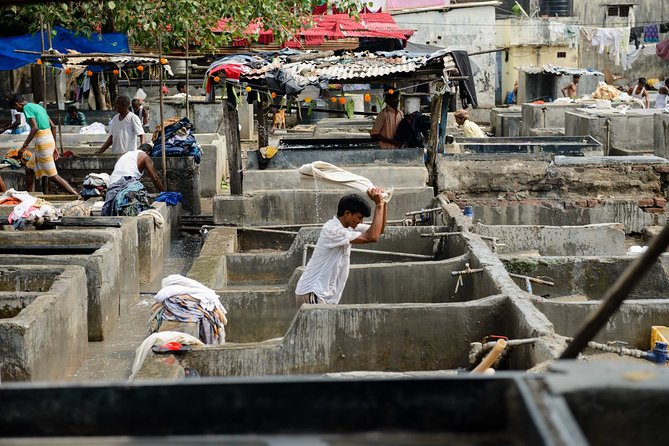
- 1890 open-air laundry: See how cloth gets washed and dried in the open.
- Dhobis at work: Understand the jobs behind hotel and hospital laundry.
- Two very different scenes: From laundromat routines to Dharavi’s workshops and alley life.
- Recycling process views: Watch sorting through finished plastic pellets.
- Rooftop visit: Get a high-up look at tin hutments and how far they stretch.
- Guide-led clarity: English explanations that can be adjusted to your level.
Dhobi Ghat: Entering Mumbai’s 1890 Open-Air Laundry World
Dhobi Ghat is one of those places that feels oddly immediate. This open-air laundromat is described as about 138 years old, and it’s still a working commercial laundry rather than a staged attraction. You’re not just looking at history—you’re watching ongoing labor.
The setting matters. Clothes and linens are cleaned and dried in open air by dhobis, which gives you a real sense of scale and routine. It also means you’ll notice practical details right away: how garments are handled, how drying is managed, and how the whole operation flows.
I also like that the tour keeps it grounded in what the laundry actually does. The dhobis are known for cleaning items coming from Mumbai’s hotels and hospitals, so you get the sense of steady demand rather than a hobby trade.
You can also read our reviews of more guided tours in Mumbai

Dhobis, jobs, and why this stop is more than a photo stop
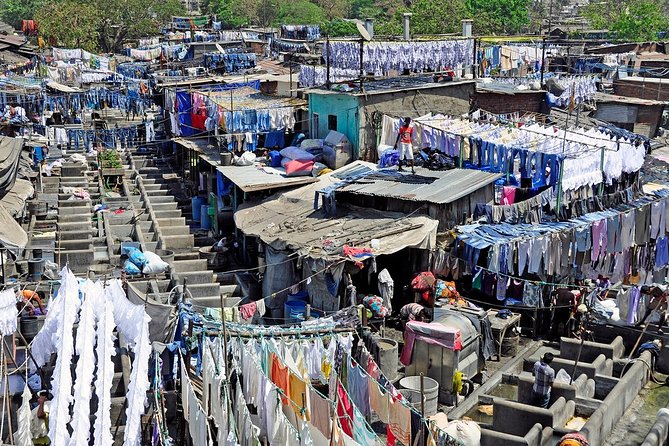
Dhobi Ghat can look like a busy landscape from a distance, but the value is in the working rhythm. Dhobis wash and dry clothes in the open, turning daily work into a kind of visible system. You’ll get the context of what makes this “traditional commercial laundry” one of the few surviving examples.
When I read about photo opportunities and a guide who keeps explanations clear, that tracks with the experience: this is a visual place, but the guide helps you understand what you’re seeing. You’re likely to notice that the work isn’t random. There are roles, repetition, and a method to the process that keeps laundry moving.
One small tip: plan on spending your attention carefully. It’s easy to get pulled toward the most photogenic corners, but the best moments often come when you pause and let the guide explain how the laundry operation works in practice.
The Dharavi walk: Asia’s largest slum area, focused on work
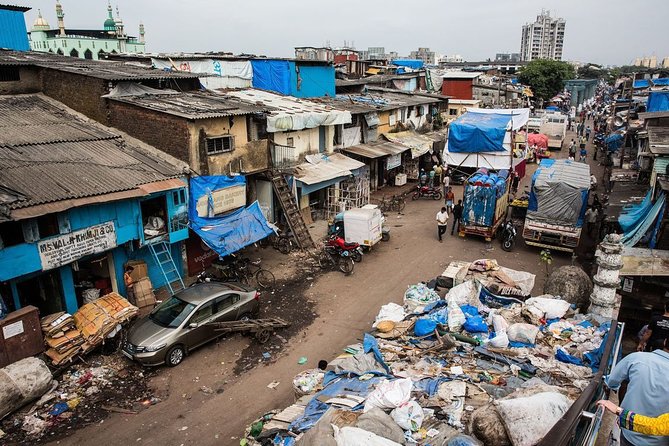
After Dhobi Ghat, the mood shifts—still real, still practical, but with a different kind of energy. Dharavi is described as one of Asia’s largest slum areas, and the walk is guided with a focus on entrepreneurship and small-scale industries.
You’ll cover both commercial and residential areas, so you’re not only seeing workshops. The idea is to understand how manufacturing and daily life overlap in tight spaces. The tour also connects the setting to well-known pop culture: Dharavi is noted as a location where parts of the Bollywood film Slumdog Millionaire were shot.
What you’ll likely see isn’t just one trade. The information given includes plastic recycling, export quality leather goods, pottery, soap making, bakery, colour dye, and more. The point isn’t to memorize every industry. It’s to understand that people build businesses in very small spaces and still ship products to domestic and international markets.
Where the tour actually goes: workshops, alleys, schools, and clinics
A good slum walk can turn into a generic loop. This one tries to avoid that by pointing out categories of everyday life as you go.
Expect stops or viewpoints connected to small alleyways, schools and hospitals, and houses within the area. You’ll also hear about community and faith in daily practice—there’s mention of Muslim people making a shrine for Hindus, which signals how religious life can show up in shared neighborhood spaces.
This is one of those tours where the route matters because it shapes your understanding. If you only see market stalls, you miss the household side. If you only see homes, you miss the production side. The “commercial and residence” mix helps you build a more balanced picture without turning everything into a single story.
Recycling area + rooftop tin hutments: the two stops people talk about
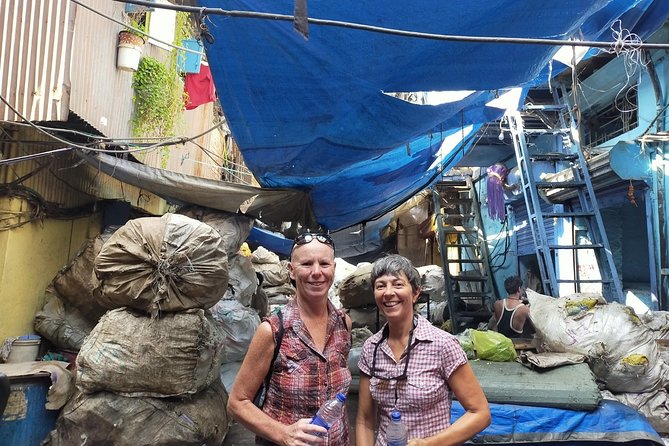
Two Dharavi components are especially memorable in the description: the recycling process and a rooftop visit.



Watching plastic recycling move from scrap to pellets
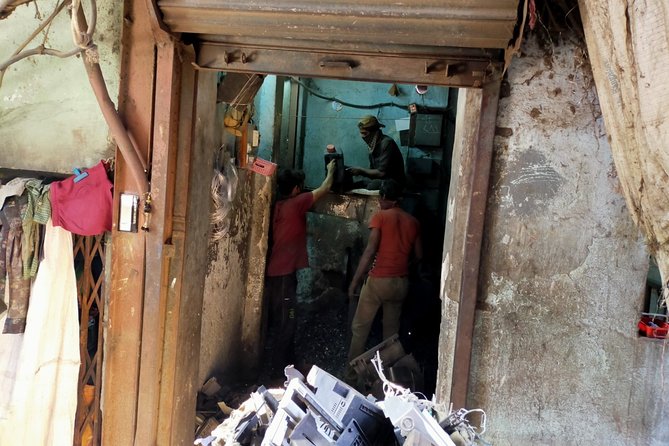
The highlight is the recycling area. Metal and plastic are brought in from around the world, then processed through sorting and steps that end with finished plastic pellets. Seeing the full loop—rather than just one step—helps you understand why Dharavi is known for manufacturing in small, intense workflows.
It also changes how you think about waste. Instead of trash as an end point, you see it as raw material. That shift is one reason this style of tour feels more meaningful than a basic sightseeing walk.
Rooftop views that show scale
The rooftop visit is described as a look at tin hutments that stretch as far as you can see. That view can be both visual and emotional. Even if you’ve seen city scale before, this one highlights how compact living and work can be when space is extremely limited.
One practical thing: rooftop visits can be uncomfortable if the weather isn’t cooperative. This tour requires good weather, so if conditions are questionable, the operator may switch dates or refund.
Refreshments and timing: how to plan your 5–6 hours
The day runs about 5 to 6 hours. Your start time is 10:00 am, with the tour ending back at the meeting point. There’s a pickup option, and you travel by air-conditioned vehicle with pickup and drop included, plus toll and parking fees handled.
That transport piece matters. Mumbai traffic can be chaotic, and starting on time is easier when pickup is included and you’re not trying to figure out the route yourself. You also get private transportation for your group, which makes transitions between stops smoother.
The tour includes mineral water, and it notes that refreshment is provided between the tour so you don’t feel tired and dehydrated. Still, I’d treat this as a walking day. Wear comfortable shoes and plan for the open-air laundry environment plus the on-foot Dharavi segments.
Weather check before you go
Because Dhobi Ghat and rooftop elements are outdoors, this experience is described as requiring good weather. If weather is poor, you’ll be offered a different date or a full refund.
Price and value: is $30 reasonable for this two-stop experience?
At $30 per person, this is one of those deals that feels fair because you’re not just paying for “entrance.” You’re paying for two guided blocks of time plus included basics like pickup, mineral water, and a local English-speaking guide.
Here’s what you’re getting that supports the price:
- Two admissions/tickets included across both stops
- Guided Dhobi Ghat for about an hour, then Dharavi for about two hours
- Pickup & drop and air-conditioned vehicle, which can add real value in a city like Mumbai
- Mineral water plus refreshment between stops
What you’re not getting is also clear: no meals are included, and personal expenses are on you. If you’re prone to getting hungry during walking tours, plan to eat before you go or budget for food after.
In other words, $30 makes sense if you want a guided, efficient day with transport included. If you’d rather explore completely on your own, you might spend less, but you’ll likely lose the context that makes Dhobi Ghat and Dharavi click.
Meeting point and what “private tour” changes for your day
The meeting point is Third Wave Coffee on Tip Road, Unit no.58, Ground, Ram Mahal, Senapati Bapat Marg, Marinagar Colony, Mahim, Mumbai, Maharashtra 400016, India. The tour ends back at the same place.
This is also described as private, meaning only your group participates. That matters more than it sounds. It gives your guide room to adjust pacing, especially if you want more time for questions or if your group prefers a slower walk.
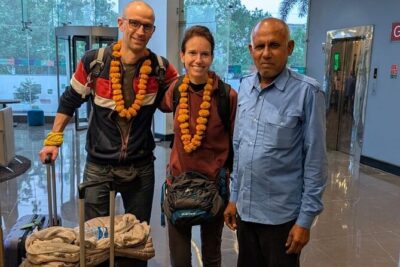
One review note also highlights how helpful the guide can be with the meeting process, arriving and accompanying you throughout. That’s a small thing until you’re in a large city. Then it becomes a big comfort factor.
Who should book this tour, and who might reconsider
This is best for you if you like real-world work over staged attractions, and if you’re curious about how everyday industry functions. The pairing is strong: Dhobi Ghat gives you a traditional commercial trade still operating in the open, while Dharavi shows a dense ecosystem of small-scale manufacturing and recycling.
You’ll likely enjoy it if you:
- Want a guided walking experience of Dharavi focused on industries and community spaces
- Like photo opportunities but also want explanations, not just pictures
- Appreciate clear English guidance; one description mentions guides adjusting to your English level and using simple words
You might reconsider if:
- You’re not comfortable with open-air environments (Dhobi Ghat and rooftop elements)
- You strongly prefer sit-down sightseeing or meals included during the tour
- Your schedule doesn’t allow for a possible weather-related change
Should you book Dhobi Ghat and Dharavi together?
I’d book it if you want one day that connects two kinds of Mumbai labor. Dhobi Ghat gives you the classic, outdoor rhythm of laundering that’s been around since 1890. Dharavi adds the modern reality of small industries, recycling loops, and rooftop scale—seen through a guide who can explain what you’re looking at.
At $30 with pickup, admission tickets, mineral water, and a local English guide, it’s good value for a guided two-stop itinerary. The main trade-off is comfort: you’re outside and you’re walking, so plan for weather and wear shoes that can handle a longer day on your feet.
FAQ
What is the tour duration?
The tour runs about 5 to 6 hours total.
Where does the tour start and end?
It starts at Third Wave Coffee on Tip Road in Mahim, Mumbai, and ends back at the same meeting point.
What are the two main stops?
You visit Dhobi Ghat (an open-air laundry) and then Dharavi for a guided walking tour.
Is pickup and drop-off included?
Yes. Pickup & drop are included, and you travel by air-conditioned vehicle.
What is included in the ticket price?
Included items are a local English-speaking guide, mineral water, pickup & drop, toll tax and parking fees, air-conditioned vehicle, and private transportation. Admission tickets are included for both stops.
Are meals included?
No meals are included, though refreshment is provided between the tour.
Does the tour run in any weather?
The experience requires good weather. If it’s canceled due to poor weather, you’ll be offered a different date or a full refund.