REVIEW · DHARAVI SLUM TOURS
Dharavi Slum Tour & Mumbai Sightseeing
Book on GetYourGuide →Operated by Mystical Mumbai · Bookable on GetYourGuide
Mumbai hits hard, in the best way. I love how this day pairs a street-level Dharavi walk with big-city monuments, and I also like the straight-from-the-carway sightseeing loop around Gateway of India and classic British-era landmarks. The main drawback to plan for: there’s no lunch, so you’ll want water and a quick snack strategy between stops.
What makes this outing click is the human factor. You’re met in your hotel lobby area (pickup is set around Friends Colony), then guided around by an English-speaking local who can explain what you’re seeing as you move—people have mentioned guides like Dev, Dhermesh, Siddhi, Anthony, Sunny, and hosts Aardi and Mukesh, plus drivers who keep things moving through hectic traffic. One small heads-up: shorts are not allowed, so pack long pants or a light long skirt for the day.
In This Review
- Key highlights worth planning for
- Dharavi Slum Tour: Recycling yards, sweet-shop smells, and Kumbharwada lanes
- Mumbai’s royal postcard zone: Gateway of India and the Taj Mahal Palace Hotel
- Chhatrapati Shivaji Maharaj Terminus and the heritage buildings you can name
- Mani Bhavan and the “life in the city” stops: Dhobi Ghat and Hanging Gardens
- Kamala Nehru Park, Old Woman’s Shoe, and Marine Drive’s Queens Necklace drive
- Price and logistics: what $70 buys you in a 6-hour day
- Who this tour fits best, plus what to bring
- Should you book this Dharavi + Mumbai sightseeing tour?
Key highlights worth planning for
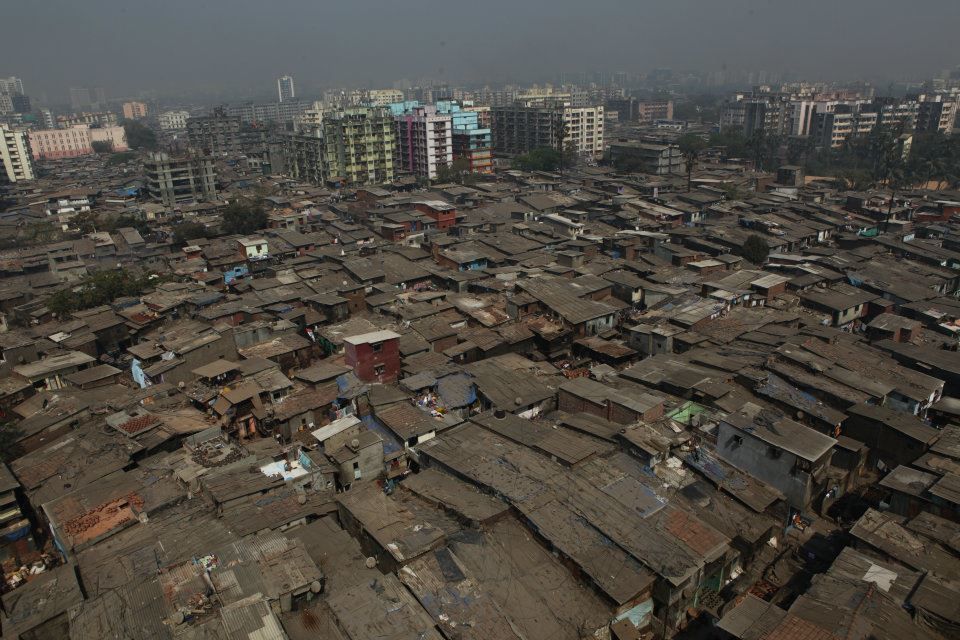
- A real Dharavi route through recycling work, Kumbharwada neighborhood lanes, and the day-to-day rhythms of community life
- Dhobi Ghat, open-air laundry you can watch in action as the city’s work continues around you
- Gateway of India + Taj Mahal Palace area with the royal welcome backstory and iconic hotel details nearby
- UNESCO Chhatrapati Shivaji Maharaj Terminus plus other British-era buildings you can see without rushing
- Gandhi and Parsi-area landmarks including Mani Bhavan and the Tower of Silence connection near Hanging Gardens
Dharavi Slum Tour: Recycling yards, sweet-shop smells, and Kumbharwada lanes
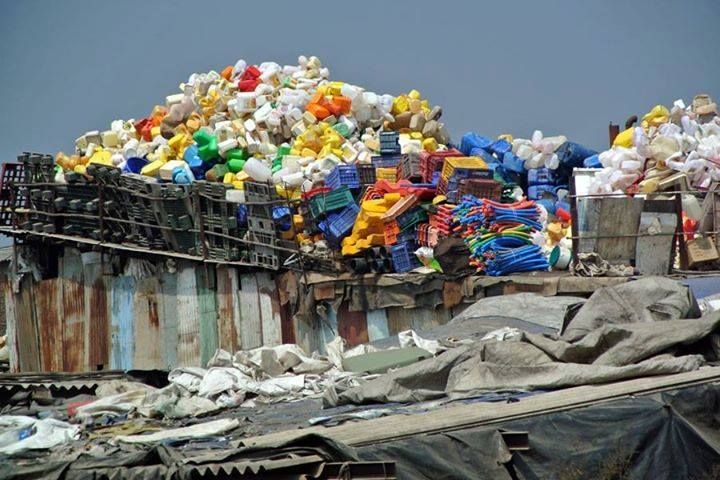
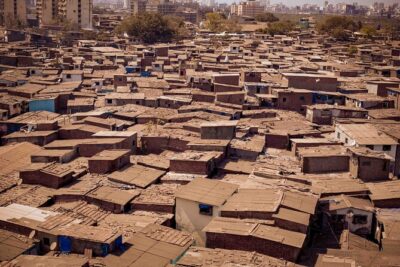
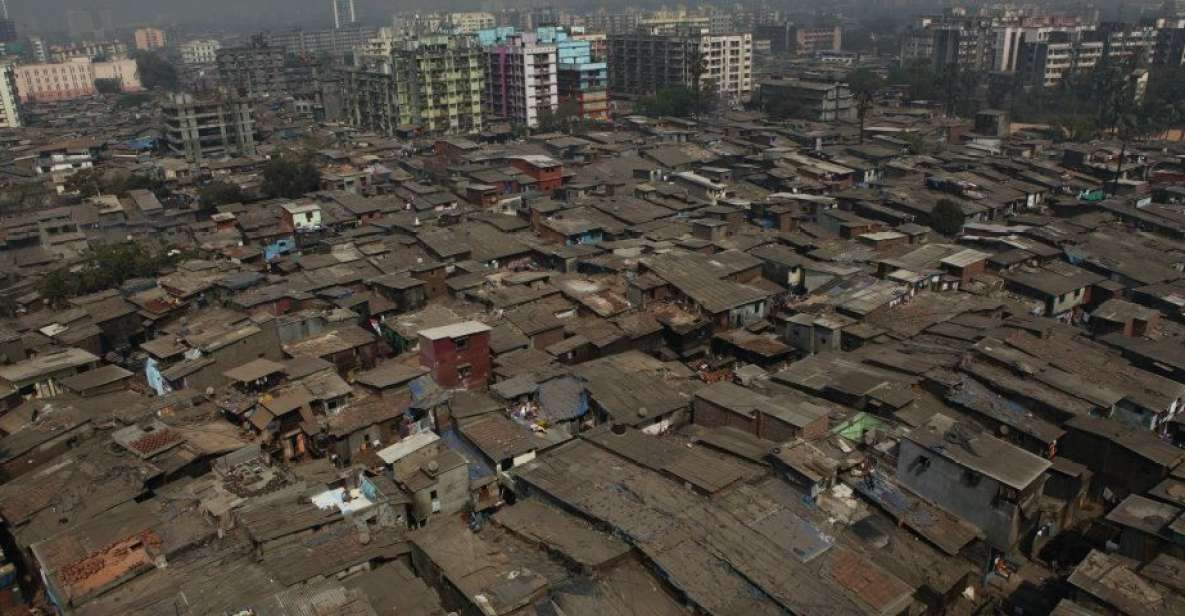
This is not a “stand at a distance” kind of visit. You start in Dharavi and you move quickly into the working parts of the neighborhood—first toward a plastic-and-metal recycling area. That matters because it frames Dharavi in practical terms: people are building livelihoods in real spaces, with machines, materials, and constant motion.
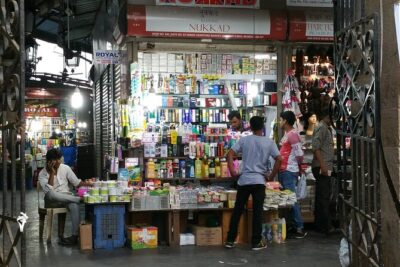
Then you walk the narrow lanes and by-lanes. You’ll notice the sensory side right away: the air can carry aromas from local bakeries and sweet shops, and you may catch strong smells from soap and cosmetic-making units. That sounds like a detail, but it’s actually your clue that you’re not looking at a museum diorama—you’re passing by the supply chain of everyday goods.
As you keep going, the scenes get more layered. You might see dime-sized cyber cafes, mass-producing tailor shops, and people brushing past you as if you’re part of the street traffic. A good guide helps you connect those dots, so you don’t just see activity—you understand how the pieces fit.
The route continues to Kumbharwada, described as the face of Dharavi’s largest slum dwelling area. You’ll spend about 110 minutes here, which is enough time to feel the rhythm of community life rather than treating it like a quick photo stop. The best part of this section is the feeling of shared space: you’ll likely notice how people move, trade, and help each other, not as a scripted show, but as normal city living.
One consideration: Dharavi can feel intense. If you’re sensitive to crowds, smells, or the emotional weight of poverty, slow down mentally and lean on your guide for context. Also plan for practical comfort—bring water, and if you’re visiting in wetter months, be prepared that you might get wet depending on where you walk.
You can also read our reviews of more tours and experiences in Mumbai.


Mumbai’s royal postcard zone: Gateway of India and the Taj Mahal Palace Hotel
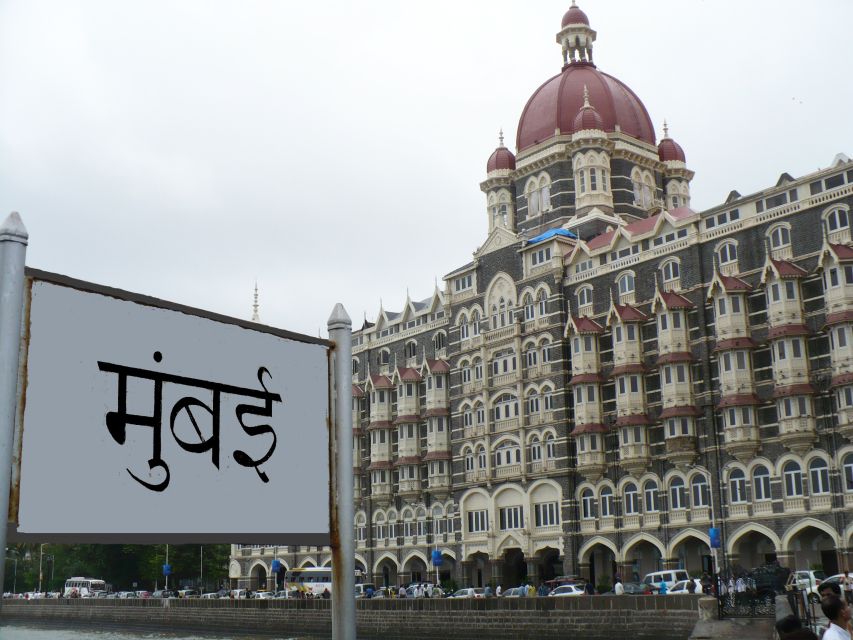
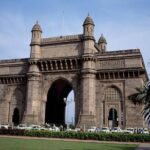
After Dharavi, the contrast hits fast. You head toward one of Mumbai’s most famous monuments: the Gateway of India. This structure was built to welcome King George V and Queen Mary into India, and just standing in the area helps you understand why the gateway became a symbol of the city’s global connections.
You’ll also be in the right neighborhood for the Taj Mahal Palace Hotel. You can look at the iconic setting and learn that the hotel’s original building was commissioned by Jamshedji Tata and first opened to guests on December 16, 1903. Even if you’re not a hotel person, this detail helps you see how Mumbai grew as a commercial hub—big names, big openings, and a mix of eras.
Expect a short stop for photos and a guided walkthrough. The way this fits into the day is smart: you don’t just “see” the gateway, you use it as a reference point before continuing deeper into the city’s architecture and transport history.
Chhatrapati Shivaji Maharaj Terminus and the heritage buildings you can name
Mumbai sightseeing can be chaotic. This tour avoids the “too many buses, too little understanding” trap by focusing on places that you can actually register quickly and connect to a bigger picture.
One of the key stops is Chhatrapati Shivaji Maharaj Terminus, an UNESCO World Heritage site. You’ll get a photo stop and guided time here (about 25 minutes). A station isn’t just a station in Mumbai—it’s a statement of how the city was planned and connected, and the architecture makes that point in a way that’s hard to ignore.
The day also threads in several British heritage landmarks, with viewpoints and exterior looks that don’t eat up your whole afternoon. You’ll pass or see places like Mumbai University (a British heritage building built in 1857) and the Rajabai Clock Towers—often described as the Big Ben of India. You’ll also encounter the Oval Cricket Ground area, Bombay High Court, and a stretch of civic buildings around the Marine Drive side later in the day.
A simple advantage of pairing these stops: you’ll start building your own vocabulary for Mumbai. After a few of these landmarks, you’ll be able to look at a façade or clock tower and guess the era without needing a guide to hold your hand through every single detail.
Mani Bhavan and the “life in the city” stops: Dhobi Ghat and Hanging Gardens
This tour doesn’t only chase grand monuments. It also includes places where you feel how people keep life moving.
Mani Bhavan is one of the stronger stops for context. It’s Mahatma Gandhi’s residence in Mumbai, and the guide-led time here helps anchor the city’s modern identity in one person’s presence rather than keeping things purely architectural. If you like your history human-sized, this stop tends to land.
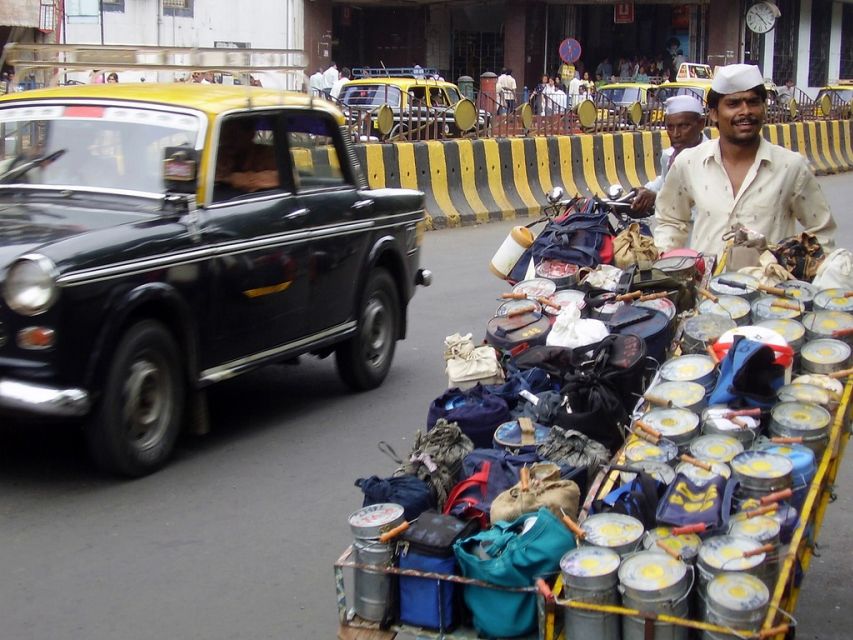
Then comes Dhobi Ghat, Asia’s largest open-air laundry. This is the kind of place you can’t fully understand from a website. You’ll see clothing being washed and the whole process happening in a public, outdoor setting. It’s work, not performance, which is why it sticks with you.
The day also includes Hanging Gardens, built on top of water tanks near the Tower of Silence, a Parsi burial place. That combo is fascinating because it links function (water storage) with leisure (gardens) and with religious space (Tower of Silence). Even if you’re not a garden person, the layers help you see Mumbai as a city where multiple needs share the same geography.
These stops are also spaced in a way that keeps energy from collapsing. After Dhobi Ghat, you’re primed for more street-level views and coastal scenes.
Kamala Nehru Park, Old Woman’s Shoe, and Marine Drive’s Queens Necklace drive
If you want a “breather” from the heavier parts of the day, this section does the job.
You’ll visit Kamala Nehru Park, which gives you skyline views and includes the well-known Old Woman’s Shoe landmark. It’s a lighter-feeling pause where you can regroup, look out over the city, and remember that Mumbai is also a place of views, not just density.
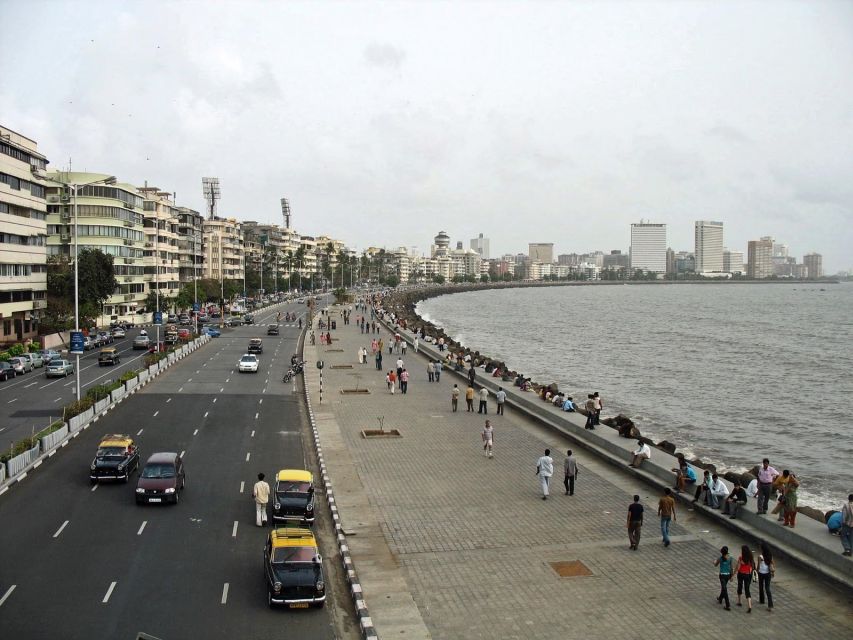
Then you’ll drive around Marine Drive, often called Queens Necklace. This isn’t only a photo stop—it’s a road that changes how you experience the city because you see the coastline corridor and the way the skyline behaves along it. Short guided time and a walk help you connect the name to the actual scene.
The tour also stacks in several British-era and institutional buildings around this drive area, including Prince of Wales Museum, Maharashtra Police Headquarters, Flora Fountain and Hutatma Chowk, plus nearby stops like the Telegraph Office and India Post Office building. You may also pass through the Kala Ghoda area, David Sasoon’s Library, and the National Gallery of Modern Art zone.
Even if you only remember one or two names, the payoff is that you’ll start recognizing how Mumbai built its public face through the 1800s and early 1900s—courts, museums, libraries, civic squares, and the kind of street design that still frames everyday life.



Price and logistics: what $70 buys you in a 6-hour day
At about $70 per person for a 6-hour outing, you’re paying for two big things: a local guide who can explain what you’re seeing, and efficient transportation that links very different neighborhoods in one shot.
Included basics make it easier to trust the day:
- Air-conditioned car
- English-speaking guide
- Toll, parking, and tax
- Private group setup
The value question is the time. You’re cramming Dharavi (around 110 minutes on foot) plus major city stops, so you don’t lose hours figuring out transport or arranging separate tours. Also, there’s no hidden-cost vibe built into this format, and you’re not sent on random shopping detours.
One missing piece is lunch. Since food is not included, plan to eat before pickup or carry a simple snack. This is especially important after Dharavi, where the day’s walking and sensory input can make you forget to slow down.
Who this tour fits best, plus what to bring
This is a strong match if you want a day that feels real, not only postcard-perfect. You’ll probably enjoy it most if you like guided context and you’re okay with the idea that Dharavi is a working neighborhood, not a controlled attraction.
It’s also good if you only have a limited time window in Mumbai and still want to cover big anchors like Gateway of India, a UNESCO train station, and Gandhi’s Mumbai address in one organized loop.
Practical prep notes from the ground:
- Wear long pants or clothing that fits the no shorts rule.
- Bring water. The day includes lots of walking and outdoor time.
- If you’re traveling during rainy season, expect you might get wet depending on conditions around the neighborhoods and outdoor laundry area.
And mentally, arrive ready for contrast: recycling work and small-scale industry in Dharavi, then grand monuments and formal architecture minutes later. That push-pull is exactly what makes the day work.
Should you book this Dharavi + Mumbai sightseeing tour?
Book it if you want a 6-hour day that balances working Mumbai with architecture and landmark stops, and you’d rather have one strong local guide than piece together separate trips. The route makes sense for first-timers because it gives you recognizable anchors (Gateway of India, Taj Mahal Palace area, UNESCO station) and also shows you the city’s everyday economy through places like Dharavi and Dhobi Ghat.
Skip it if you’re looking for a gentle, low-sensory experience or if you can’t handle the emotional weight and intensity of visiting a real working neighborhood. Also consider that you’ll need to manage food yourself since lunch isn’t included.
If you do book, do yourself a favor: eat before pickup, wear weather-appropriate clothes that meet the no-shorts rule, and keep a little extra flexibility in your head for how fast the city changes from one scene to the next.