REVIEW · DHARAVI SLUM TOURS
Dharavi Slum Tour – See the real Slum with a Local Guide
Book on Viator →Operated by Inside Mumbai Tours · Bookable on Viator
Tiny streets. Big industry.
A Dharavi visit on foot with an English-speaking local guide who lives in the area shows how daily life and work actually run in Asia’s largest slum—not as a movie set, but as a real neighborhood. I like that the tour is built around what people do for a living, from plastic recycling and leather work to garment/textile and metal industries. You’ll also stop at the spot tied to Slumdog Millionaire, where pop-culture trivia turns into a sense of place.
I also like the structure: you don’t just get photos and a quick glance. You move through the area learning where people live and relax, how families manage everyday routines, and how children play in the same lanes where work happens. The main drawback is practical: this is an active community walk, so expect tight spaces and comfortable-walking-shoe needs—plus you’ll want to keep your camera use respectful and careful.
In This Review
- Key highlights I’d plan around
- Entering Dharavi with a local guide who lives there
- The 2-hour walking flow: what you’ll actually do and see
- The most praised part: insights into small factories and how they’re organized
- Slumdog Millionaire filming spot: pop culture meets lived reality
- Price and value: why this is such a low-cost way to get context
- How to be comfortable and respectful (without turning it into a performative visit)
- Who this tour suits best (and who should consider other options)
- Practical logistics that matter for planning your day
- My call: should you book Dharavi Slum Tour?
- FAQ
- How long is the Dharavi Slum Tour?
- Where does the tour start and end?
- What’s included in the price?
- Is food and drinks included?
- How large are the groups?
- Is the tour easy to fit into a trip schedule?
- What happens if the weather is bad?
- Can I get a refund if I cancel?
Key highlights I’d plan around
- A guide who lives in Dharavi and can explain daily reality from the inside
- Small-industry focus like plastic recycling, leather, garment/textile, and metal work
- A real-life look at home and family spaces, not just storefronts
- The Slumdog Millionaire filming location inside Dharavi, tied to what you see on the ground
- A short, 2-hour format that’s easier to fit into a busy Mumbai schedule
- Small groups (max 15) that help the tour feel less rushed
Entering Dharavi with a local guide who lives there
If you’re curious about Dharavi, don’t go in expecting a neat, tourist-ready checklist. This tour is designed to be an educational walk with a resident guide—someone who lives in the community—so the explanations tend to sound grounded, not scripted. The whole point is to show Dharavi as a place of work, routines, and community life, not just poverty headlines.
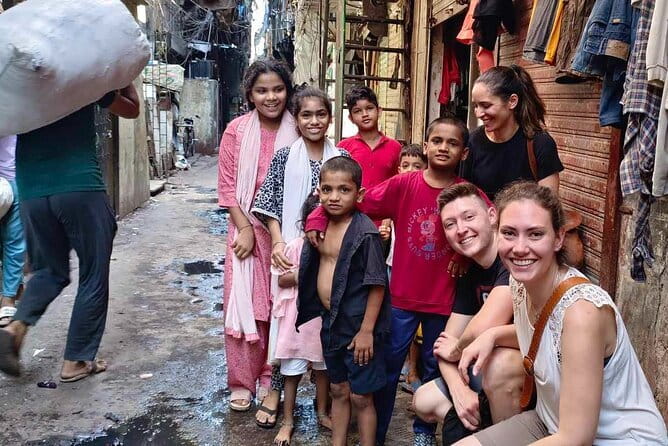
What you’ll feel right away is that Dharavi is not silent. It’s active. People are living and working in the same space. Families move through their routines; children play; small businesses run day to day. That matters because it changes how you interpret everything else you’re seeing. Instead of asking, How can this place exist? you start asking, How does it function—and what supports that function?
A second thing I like: the tour aims to dispel the common idea that Dharavi is only misery. The framing is intentional. You’re encouraged to look for resilience and organization in everyday life, not only hardship. That doesn’t mean the tour claims everything is easy. It just means you get a fuller picture than the stereotypes you may be arriving with.
You can also read our reviews of more guided tours in Mumbai


The 2-hour walking flow: what you’ll actually do and see
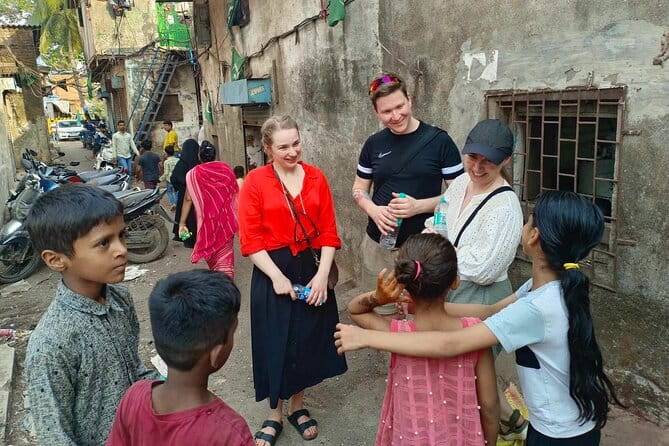
This experience is built around one main stop: Dharavi, explored on foot for about two hours. The short duration is a plus for most visitors. Mumbai is loud and crowded, and a compact tour lets you get context without eating your whole day.
Here’s the rhythm you can expect on the walk:
You start by getting oriented to the area. The guide shows you where the small factories and workshops cluster, so later details make more sense. When you understand where production happens, you also understand how the neighborhood supports that production—who depends on it, how tasks might be organized, and how work and living blend together.
Then you move into daily life basics. You’ll see where people stay and where family life unfolds. You’ll also get a sense of where people relax and how children play in the neighborhood. This part can feel emotional for some visitors because it’s human-scale, not abstract. The payoff is perspective: you stop thinking of Dharavi as a single image and start seeing a place made of many overlapping lives.
After that, the tour shifts to work and industries. The guide points out the kind of businesses operating inside Dharavi, including:
- plastic recycling
- leather industry
- garment/textile
- metal industry
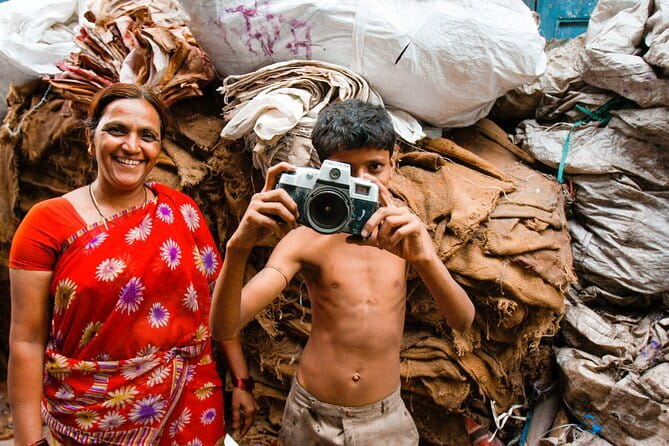
This is where you typically get the clearest “how money and labor move” picture. The tour information also highlights that Dharavi’s yearly income is estimated at around 1 billion US dollars. You shouldn’t treat that like a spreadsheet you can verify in two hours—but it helps explain why the neighborhood isn’t only a humanitarian story. It’s also an economic engine with real output.
Finally, you connect the area to the movie location. You’ll visit where Slumdog Millionaire was filmed inside Dharavi. That stop can be surprisingly satisfying because it gives your brain a shortcut. Once you know where the film was shot, it’s easier to understand why the neighborhood appears in popular culture—and how that representation connects to what you’re seeing in real time.
The most praised part: insights into small factories and how they’re organized
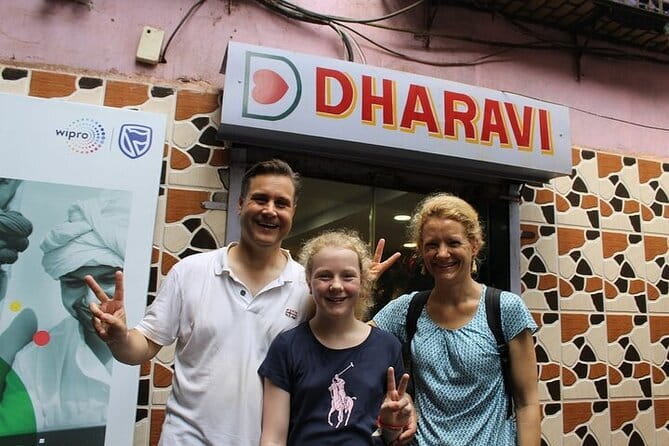
One of the strongest reasons to book this tour is the way the guide explains the small-scale industry. People tend to love the “insider orientation” moment—the point where the guide shows you where the workshops are located before you start walking deeper.
That approach matters. If you only see doors and narrow lanes, it’s hard to understand how production fits together. But when someone familiar with Dharavi shows you where things are concentrated—like the cluster of small factories—your visit turns from random observation into a clearer map of activity.
This is also where you get practical education. You’re not just being told that “businesses exist.” You’re shown what kinds of work happen and how daily life runs alongside it. That combination is rare in tours that focus solely on hardship or solely on spectacle.
Slumdog Millionaire filming spot: pop culture meets lived reality
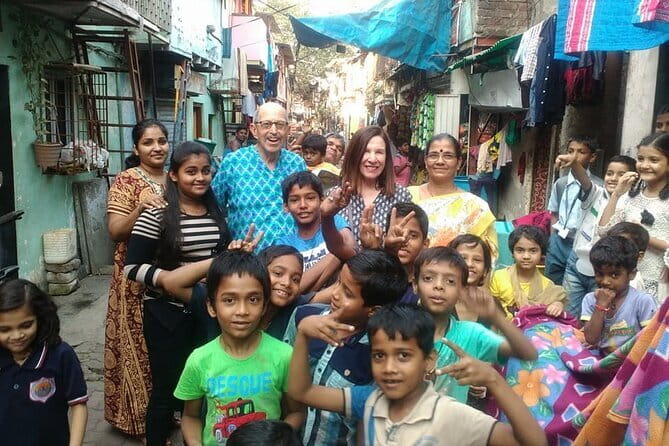
I’d bet this will be one of the more memorable stops if you’ve seen the film. The tour takes you to a location tied to Slumdog Millionaire inside Dharavi. Even if you’re not a film person, it’s still a useful anchor point because it highlights how quickly media can turn a real place into an idea.
Here’s how to get the most from this stop: don’t treat it like trivia only. Treat it like a question. What did the filmmakers notice? What parts of Dharavi look similar on camera versus what you actually experience up close? And what parts of the neighborhood don’t translate well to film?
When you pair the filming location with the earlier context—home life, children playing, and the small industries—you get a more honest sense of the neighborhood. You’re not watching Dharavi from far away. You’re seeing the pieces that make up the story people bring with them.
Price and value: why this is such a low-cost way to get context
At $7.93 per person for about two hours, this is priced aggressively low for a guided, local-led walking tour in one of India’s most complex urban neighborhoods.
What you should notice is what’s included:
- an English-speaking guide who lives in Dharavi
- all entrance fees
What’s not included:
- food and drinks
That’s the trade-off. You’re paying mainly for orientation, interpretation, and guided movement through the area. Since it’s only about two hours, you’ll likely finish feeling informed but not exhausted—especially compared with longer day tours. And because the group size caps at 15, you tend to get more explanation than you might on a larger bus-style experience.
If you like experiences that are compact, educational, and anchored by a local perspective, this price-to-time ratio is hard to ignore. Just remember: it’s not a “comfort tour.” You’re walking in an active neighborhood. Dress and expectations should match that reality.



How to be comfortable and respectful (without turning it into a performative visit)
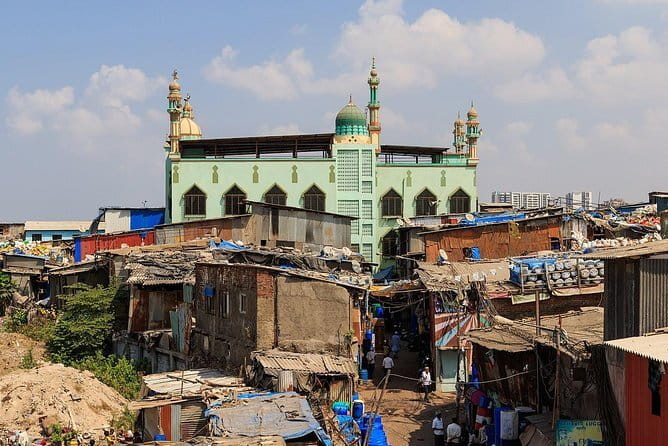
If you’re bringing camera gear, slow down. Think about what you’re taking pictures of—people’s homes, daily routines, and working spaces. This is the kind of tour where being calm and considerate goes a long way.
Also, plan your body for walking. Comfortable shoes are recommended for a reason. Dharavi’s lanes can feel tight, and you’ll be moving through areas where daily activity is normal. If you’re someone who hates walking tours, this might not be the right match. If you’re okay with steady walking and you can keep your pace flexible, you’ll do well.
A simple planning tip: go when the weather is decent. The tour info notes it requires good weather, and if it’s canceled for poor weather, you’ll be offered a different date or a full refund.
Lastly, bring water on your own. Food and drinks aren’t included, so plan a snack afterward if you need one.
Who this tour suits best (and who should consider other options)
This tour fits best if you want:
- an educational walk grounded in a local’s explanation
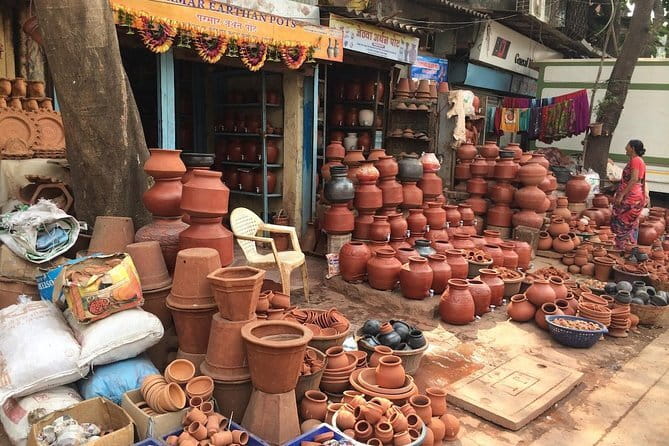
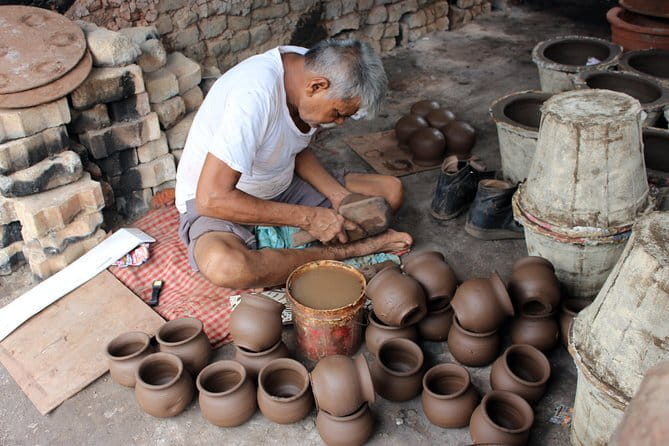
- a practical look at how small industries operate alongside daily life
- a short, focused way to understand Dharavi without committing a full day
It’s also a great option if you’re the kind of traveler who likes context. Not just seeing places, but learning how they function: who works where, how people live, what children do, and why the neighborhood has economic activity beyond what headlines usually show.
On the other hand, you might want to choose something else if you:
- need a very controlled, low-stimulation environment
- aren’t comfortable with close-quarters walking
- prefer tours that focus mainly on landscapes or “attractions” rather than lived spaces
Practical logistics that matter for planning your day
- Duration is about 2 hours, so it’s easy to pair with other sights in Mumbai.
- It’s a small group (maximum 15 travelers), which helps the guide manage pacing and explanations.
- The meeting point is Third Wave Coffee, Tip Road, Unit no.58, Ground, Ram Mahal, Senapati Bapat Marg, Marinagar Colony, Station, Mahim, Mumbai, Maharashtra 400016, India. The tour ends back at the meeting point.
- You’ll have a mobile ticket and there are group discounts available.
- Confirmation is received at booking time, and it’s near public transportation.
My call: should you book Dharavi Slum Tour?
Yes, I’d book it if your goal is to understand Dharavi as a real working neighborhood with a local resident guide—not as a one-note “before-and-after” poverty stop. The strongest reasons are the guide perspective and the industry insights: you’ll come away with a clearer map of how small factories and businesses operate while families carry on with everyday life.
I’d skip it only if you’re seeking a comfortable, polished tourist experience. This is a genuine walk through lived spaces, so dress for walking, keep expectations human, and treat the visit with respect.
If you’re visiting Mumbai and want one experience that forces you to look again—at work, community, and daily routines—this Dharavi tour is an efficient, value-packed way to do it.
FAQ
How long is the Dharavi Slum Tour?
The tour lasts about 2 hours.
Where does the tour start and end?
It starts at Third Wave Coffee (Tip Road, Unit no.58, Ground, Ram Mahal, Senapati Bapat Marg, Marinagar Colony, Station, Mahim, Mumbai, Maharashtra 400016, India) and ends back at the same meeting point.
What’s included in the price?
An English-speaking guide who lives in Dharavi is included, along with all entrance fees.
Is food and drinks included?
No. Food and drinks are not included.
How large are the groups?
The tour has a maximum of 15 travelers.
Is the tour easy to fit into a trip schedule?
Yes. With a duration of about 2 hours and it being near public transportation, it’s designed to be manageable on a typical day.
What happens if the weather is bad?
The experience requires good weather. If it’s canceled due to poor weather, you’ll be offered a different date or a full refund.
Can I get a refund if I cancel?
You can cancel up to 24 hours in advance for a full refund. If you cancel less than 24 hours before the start time, the amount paid is not refunded.