REVIEW · DHARAVI SLUM TOURS
Mumbai Dharavi Slum Tour With Local English Guide
Book on GetYourGuide →Operated by Cityscape Mumbai Tours · Bookable on GetYourGuide
Dharavi reveals itself in real time. In a 2-hour on-foot tour with an English guide, you see how small industries and daily routines shape life in Mumbai’s Dharavi, with departures that start at Third Wave Coffee or Ram Mahal.
I love how this isn’t a photo-op tour; it’s guided by locals who know what to share and what to keep private, with guides such as Sharon and Ruba praised for that kind of care. I also love the work-focused stops, including spinning-wheel pottery workshops, leather craft, tiny bakeries, and recycling units.
The main catch: you’ll be walking in a crowded, noisy area, so hearing explanations can get tricky at times, and you must pack light because luggage or large bags aren’t allowed.
In This Review
- Key Things to Know Before You Go
- Dharavi in 2 Hours: What This Walk Actually Shows
- Starting at Third Wave Coffee or Ram Mahal: Getting Oriented Fast
- The Heart of the Tour: Pottery Wheels, Leather Work, Tiny Bakeries, Recycling
- Guides Who Care: How Names Like Sharon, Ruba, Ruqaiyya, and Jay Shape the Experience
- Walking Through a Working Community: Respect, Privacy, and Your Role
- A few things I think you should do
- Price and Logistics: Does $7 for Two Hours Make Sense?
- Who This Tour Fits Best (and Who Might Want Another Plan)
- Should You Book This Dharavi Slum Tour?
- FAQ
- How long is the Dharavi slum tour?
- Is the tour guide available in English?
- Where do I meet, and where do I get dropped off?
- What is included in the tour price?
- Are food and drinks included?
- What should I bring, and is luggage allowed?
- Is it refundable, and can I book without paying right away?
Key Things to Know Before You Go
- English guides with strong community awareness, often guided by personal experience of Dharavi
- Workshops you can watch up close, including pottery and other hands-on craft moments
- Industry variety in a short walk, from leather work to small bakeries and recycling units
- Respect-first pacing, with guides emphasizing privacy and careful interaction
- Photo and video moments with real context, not just streets-and-faces pictures
Dharavi in 2 Hours: What This Walk Actually Shows
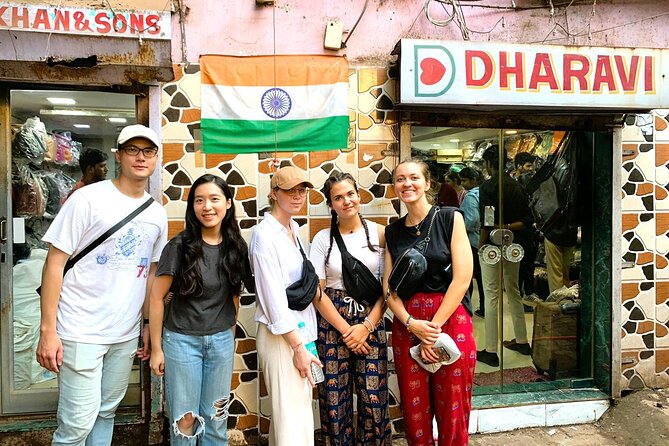
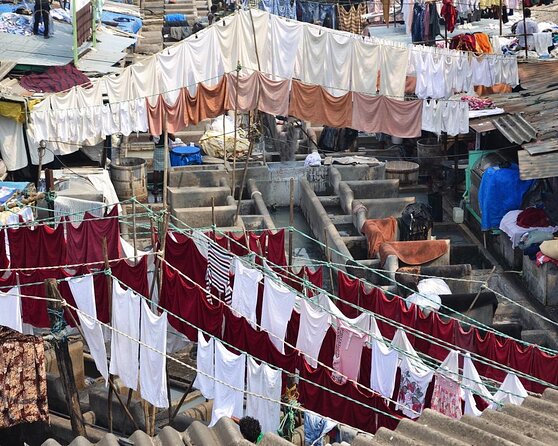
This is a short tour by design: two hours is just enough time to understand the shape of Dharavi’s economy without turning it into a spectacle. Instead of big monuments, you’re watching daily life and local work as it unfolds—stalls, workshops, and family businesses where people trade skills for income.
What makes the experience feel meaningful is the human side of it. The better guides keep conversations grounded in everyday realities: how work runs, what materials mean to small businesses, and why entrepreneurship matters here.
You should also know this isn’t a history lecture from afar. It’s more like a guided route through practical, working spaces—so the stories land because you’re seeing the activity while someone explains it.
You can also read our reviews of more guided tours in Mumbai


Starting at Third Wave Coffee or Ram Mahal: Getting Oriented Fast
You’ll begin from one of two start points depending on the option you book: Third Wave Coffee (Ram Mahal is the other option). The tour also lists a Mahim Station meetup, which helps if you’re coming in by train and want a clear, recognizable handoff.
This matters because Dharavi is easy to feel overwhelmed by if you’re on your own. A fixed meeting point reduces the stress of figuring out where your group begins, and it helps keep the tour moving at walking pace.
Plan on returning to one of the same drop-off spots after the walk. That keeps the experience contained and predictable, which is a big deal when you’re spending your limited time in Mumbai.
The Heart of the Tour: Pottery Wheels, Leather Work, Tiny Bakeries, Recycling
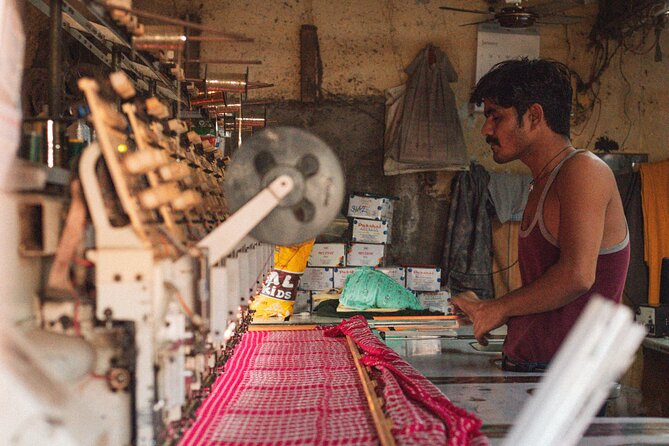
The tour’s promise is clear: you’re there for the industries. Even though Dharavi is often talked about as a single label, what you see is a web of small-scale production—many of it family-run, and much of it geared toward customers far beyond the neighborhood.
Here are the work areas highlighted in the best accounts of this tour:
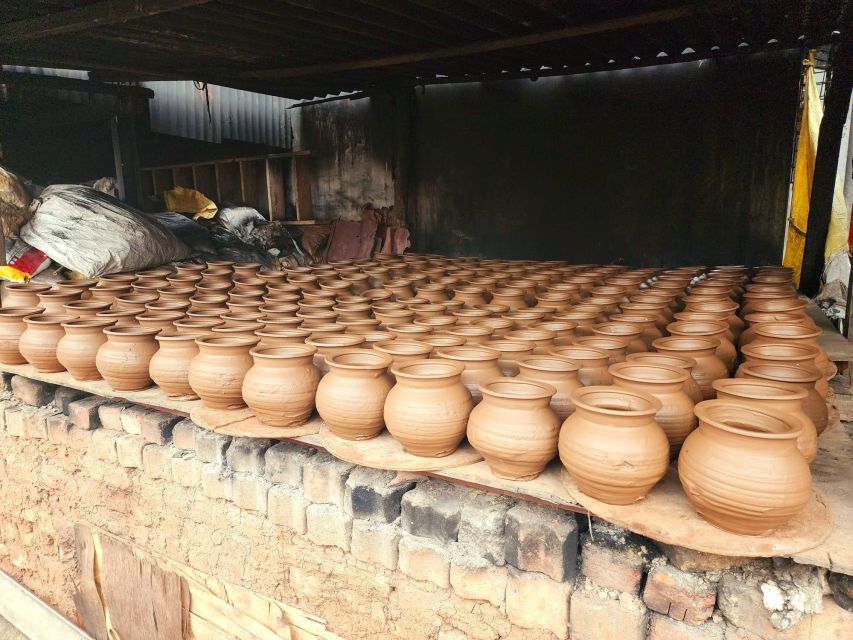
Pottery with spinning wheels
One guide (Sharon) is specifically praised for taking people to pottery workshops with spinning wheels. It’s the kind of detail that helps you understand skill, time, and craftsmanship in a way you can’t get from a single glance at a workshop doorway.
Leather artisans and finished goods
Leather work comes up repeatedly, including praise for leather artisans crafting goods described as world-class. Even if you don’t buy anything, you’ll see how quality and repeat production show up in the workspace itself.
Tiny bakeries
Bakeries show a different rhythm—food production is slower, more sensory, and often tied to daily demand. It helps balance the “factory” feel you might expect and reminds you this is also a place where people eat, live, and work on the same schedule.
Recycling units
Recycling is one of the clearest examples of local entrepreneurship in action. You get a front-row view of how waste can become raw material for small businesses, and why these trades are so important to the wider Mumbai economy.
A rooftop view if your route includes it
Adrian specifically mentioned a rooftop view over dense rooftops against Mumbai’s skyline. That kind of pause gives your brain a wider frame—so after seeing cramped lanes and workshops, you can mentally map where you are in the city.
One practical note: because this is a walking route, your “best” moments may depend on your guide’s route and timing. The consistent theme is work, but the exact sequence can vary.
Guides Who Care: How Names Like Sharon, Ruba, Ruqaiyya, and Jay Shape the Experience
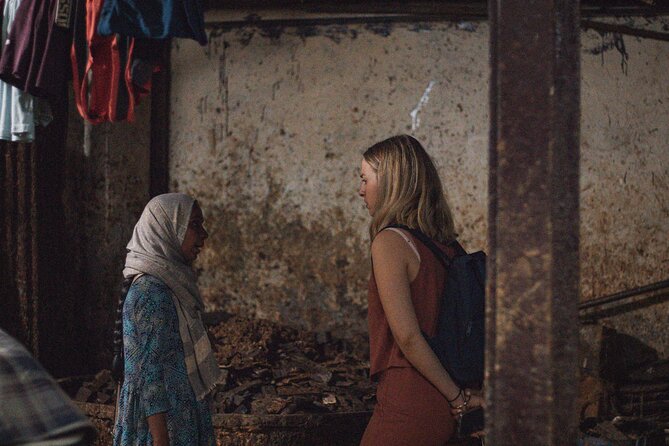
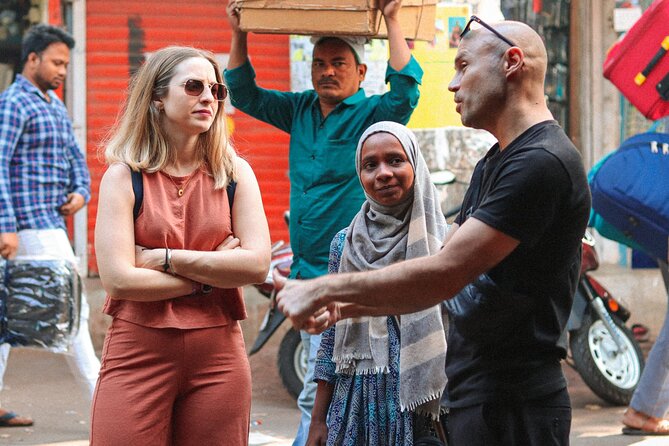
A Dharavi tour lives or dies by the guide. The standout theme across the strongest feedback is respect-first storytelling—guides who are warm, sensitive to privacy, and careful about how they explain life in the neighborhood.
Several guides show up again and again in positive accounts:
- Sharon is praised for being warm, passionate, and sensitive to the community, with a clear focus on pottery, leather, bakeries, recycling, and family businesses.
- Ruba earns high praise for patience and a calm, professional approach, with many questions answered clearly.
- Ruqaiyya is highlighted for professionalism and long-term local presence, with guests describing the feeling of safety and comfort while asking questions.
- Jawwad (also mentioned as Jay) is praised for being educational and informative.
- Ansh is praised for knowledge and creating an authentic, unforgettable experience—sometimes even when it ends up being just a small group.
It’s also worth noting one review that mentions a guide grew up in Dharavi, which changes the tone completely. When the guide has personal roots, you often get fewer generic statements and more practical, lived explanations.
And yes, some guides go beyond the tour script. One person describes support getting train tickets and getting back safely. That’s not something you should assume, but it signals the kind of care the better guides bring to the day.
Walking Through a Working Community: Respect, Privacy, and Your Role
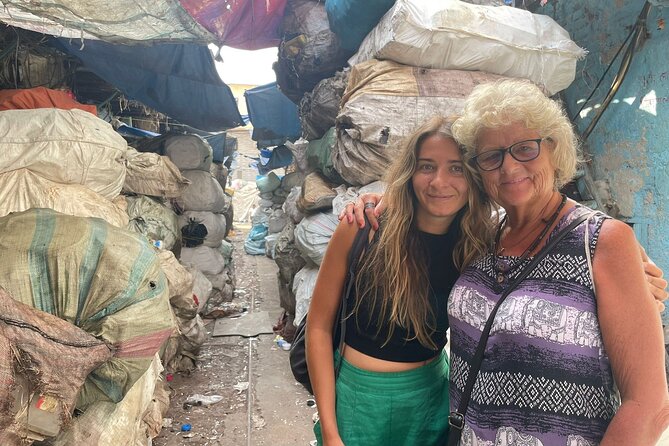
You’re visiting a place where people live and earn money. That means you should show up ready to be a respectful listener, not a consumer of someone else’s hardship.
This tour’s best experiences are described as respectful and privacy-minded. Guides are praised for sensitively handling questions and for building comfort—so you’ll likely get help from your guide on what’s okay to do and how to behave in tight, shared spaces.



A few things I think you should do
- Wear comfortable clothes and plan for a lot of walking.
- Keep your phone use thoughtful. If your guide is moving you along to a workshop, treat it like a live workplace.
- Ask questions, but don’t press for anything that makes the moment feel invasive.
The tone you get depends heavily on your guide’s approach, and the feedback repeatedly points to guides who focus on context and everyday realities rather than drama.
Price and Logistics: Does $7 for Two Hours Make Sense?
At about $7 per person for a two-hour walking tour, the value is hard to argue with—especially because you’re paying for an English guide and access to interactive workshop-style moments. In a city like Mumbai, that’s a very low price for structured guidance.
But there’s a real-world tradeoff: you’re paying for a short, walking-based experience, so you’re not getting a long, slow museum-style tour. This is more like a guided walk through working areas, where you’ll learn through observation and conversation—not through sitting and watching a slideshow for hours.
Also, since the tour is designed as a walk, your experience will depend on your willingness to stay engaged in crowded streets. If you want a quiet, low-stimulation outing, this probably won’t feel that way.
When it does click, though, it clicks because guides are praised for making the route feel safe, informative, and meaningful, even in tight spaces.
Who This Tour Fits Best (and Who Might Want Another Plan)
This Dharavi slum tour is a strong fit if you:
- Want a guided, respectful look at Dharavi’s local economy
- Prefer walking and conversations over museums
- Enjoy hands-on examples of craft and production, like pottery and leather work
- Like learning directly from local guides such as Sharon, Ruba, or Ruqaiyya
It’s less ideal if you:
- Hate noise and crowding, because Mumbai streets can be loud and your guide may need to compete with the environment for attention
- Travel with big luggage, since large bags aren’t allowed
If you’re coming with friends, the fact that private group options are available can make the experience feel calmer, easier, and more conversational.
Should You Book This Dharavi Slum Tour?

Yes—if you go in with the right mindset. I’d book this when you want an on-foot, English-guided look at how trades and family businesses shape Dharavi’s daily economy, and when you appreciate respect and privacy over spectacle.
I’d skip it if you’re expecting a comfortable, low-noise, purely educational experience with lots of viewing time and minimal walking. This is a working community walk, and it’s meant to be active and real.
If you can, choose a guide that matches your style. Accounts highlight that some guides like Sharon, Ruba, and Ruqaiyya can turn the same two hours into a truly memorable day through careful explanations and a steady, community-aware approach.
FAQ
How long is the Dharavi slum tour?
The tour duration is 2 hours.
Is the tour guide available in English?
Yes. The tour includes a live tour guide in English.
Where do I meet, and where do I get dropped off?
You’ll start from one of the listed options (Third Wave Coffee or Ram Mahal). Drop-off is available at Ram Mahal or Third Wave Coffee, and the meeting point may vary depending on the option booked. The tour also mentions a Mahim Station meetup.
What is included in the tour price?
Included are a guided experience with a local guide, walking exploration, a Mahim Station meetup, and interactive workshops with local artisans and craftspeople.
Are food and drinks included?
No. Food and beverages are not included, so you’ll need to buy anything you want separately.
What should I bring, and is luggage allowed?
Bring comfortable clothes. Luggage or large bags are not allowed.
Is it refundable, and can I book without paying right away?
Free cancellation is available up to 24 hours in advance for a full refund. There’s also a reserve now & pay later option, so you can book and pay nothing today.