REVIEW · FOOD
Full-Day Food Tour of Mumbai with Spice Bazaar Visit
Book on Viator →Operated by Amaze Mumbai Tour · Bookable on Viator
Mumbai tastes better with a guide. The day is built around three things I like: you start at Dhobi Ghat, then you get masala chai almost immediately, and both make the city’s food culture feel real fast. You also get a guided route that strings together big landmarks with actual eating stops, so the day doesn’t turn into random snack-hopping.
My second favorite part is how the tour treats Mumbai cuisine as a whole city story, not just one type of food. You’ll taste a mix of North Indian and South Indian/coastal flavors, then finish with a dessert shop where you can choose from dozens. One consideration: this is a 7-hour outing, so plan for some walking, standing in busy areas, and eating at multiple stops rather than one long sit-down meal.
In This Review
- Key moments that make the day worth it
- Why This Mumbai Food Tour Starts With Dhobi Ghat and Chai
- Spice Bazaar Like a Local Shopping List, Not a Museum
- Street Snacks, Homestyle Bites, and the North-South Switch
- Train Ride Through South Mumbai and the Dabbawallas in Action
- Gateway of India, Crawford Market, and Chhatrapati Shivaji Terminus While You’re Still Full
- Dessert Shop Finale: Choosing When Everything Looks Temanding
- Price and Value: What $85 Actually Buys in a 7-Hour Day
- Who This Tour Fits Best (and When to Skip It)
- Should You Book This Tour?
- FAQ
- What time does the tour start?
- How long is the full-day tour?
- Is the tour small group or private?
- What’s included in the price?
- Is alcohol included?
- Do I need to bring tickets?
- Will I have time to buy spices?
- Does the tour include landmark stops?
- What if I cancel last minute?
- Is it only for certain fitness levels?
Key moments that make the day worth it
- Dhobi Ghat first stop: See Asia’s largest open-air laundry before you start eating.
- Ginger masala chai on the route: A hot, spiced break that sets the tone for the spice theme.
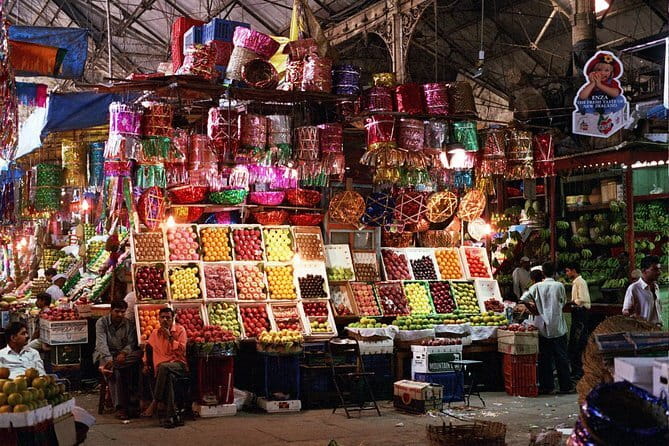
- Spice Bazaar shopping time: Learn how whole spices, ground spices, and blends are used, then browse with intent.
- Street snacks + homestyle restaurant bites: You get variety without having to know where to go.
- North-to-coast tasting switch: Two restaurants, two regional directions, one guided explanation of why.
- Dessert shop finale: Plenty of sweet options to cap the day.
Why This Mumbai Food Tour Starts With Dhobi Ghat and Chai
The best way to understand Mumbai food is to understand Mumbai life. That’s why the morning begins at Dhobi Ghat, Asia’s largest open-air laundry, where you can see how hard work is woven into everyday routines. It’s a strong opener: before you taste anything, you’re watching a city system at full speed.
And then you add food right away. You’ll try masala chai, specifically described as ginger-flavored. That matters because it’s not just a drink break. Chai’s warmth and spice notes connect perfectly to what comes next: the tour gradually trains your palate to recognize flavors behind the scenes.
Practical tip: this early stop is also a good momentum builder. By the time you reach the more touristy parts later, you’ll already feel like you’re moving with local rhythm instead of following a list.
You can also read our reviews of more food & drink experiences in Mumbai

Spice Bazaar Like a Local Shopping List, Not a Museum
Next comes the Spice Market, and it’s treated like a working pantry. The focus isn’t just on seeing colorful piles of spice; you’ll be introduced to whole spices, ground spices, popular blends, and local varieties. That turns the market from eye-candy into something you can actually use after the tour.
You also get time to walk around and buy spices if you want. That’s a big deal for value because you’re not only sampling—you’re learning enough to make a smarter souvenir purchase. If you’ve ever bought spices at home and wondered what to do with them, this is the part that helps you avoid that.
Keep your expectations realistic: spice markets can be intense—crowds, smells, and a lot of vendor talk. Your guide’s job is to translate what matters, so ask questions. If you tell them what you cook (or what you want to try), you can shop with a plan instead of buying whatever looks brightest.
Street Snacks, Homestyle Bites, and the North-South Switch
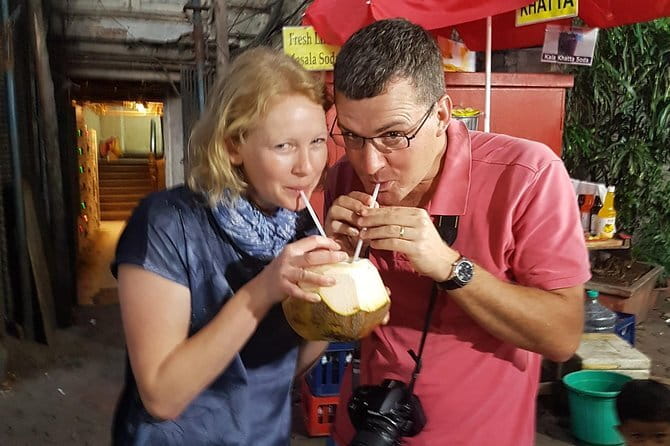
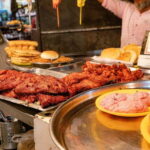
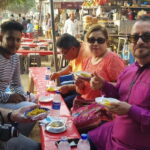
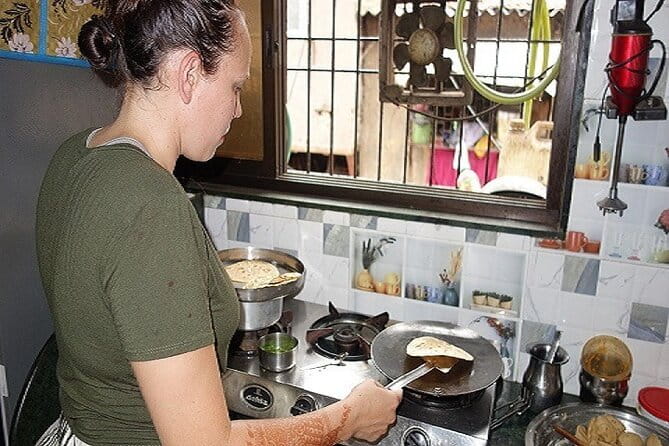
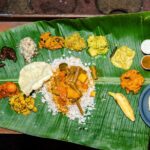
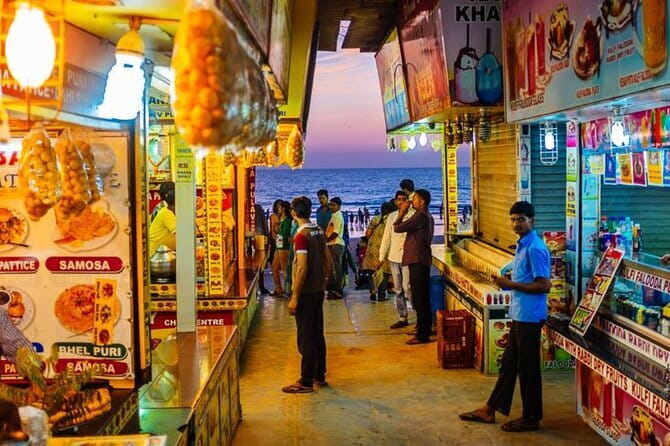
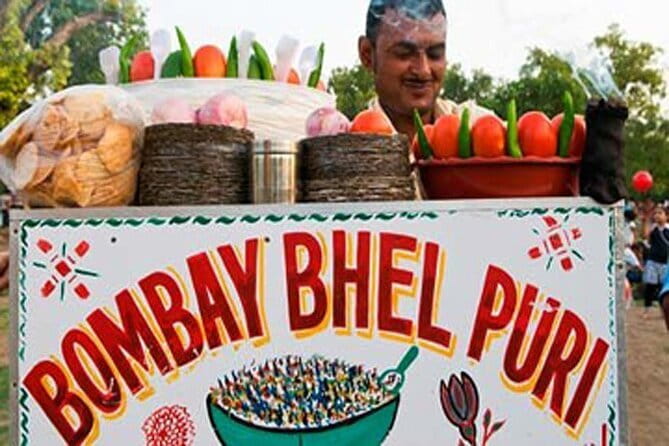
After the spices, the tour pivots into eating mode with a street-food tasting at a vendor described as hygienic and known. You’ll also stop for local snacks at a family restaurant that serves traditional homestyle-style bites. That combo is smart for your stomach and your understanding: street food shows flavor intensity, while homestyle dishes show everyday comfort.
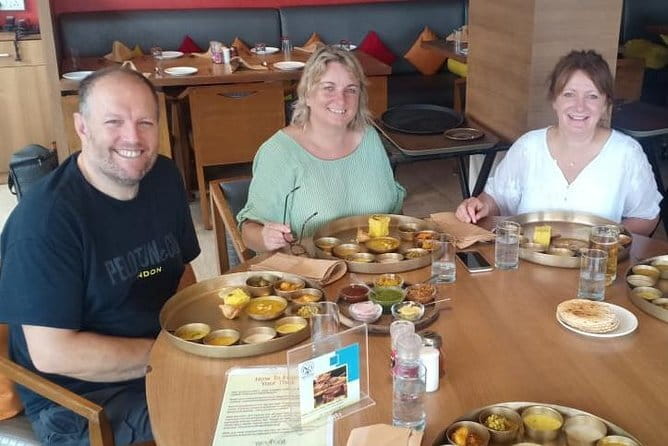
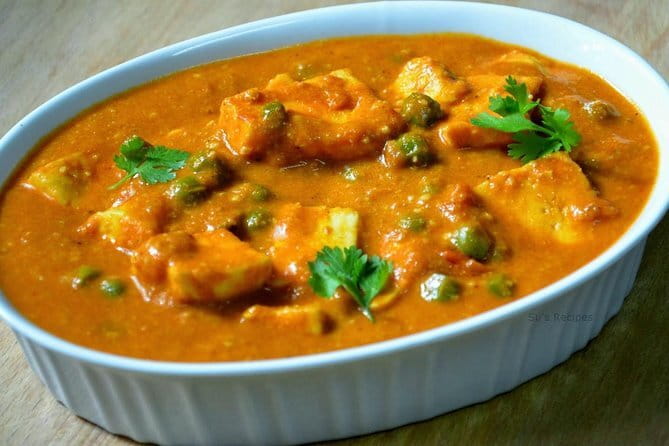
Then the tour moves into its first real meal. Lunch is described as three-course, and it leans North Indian, known for aromatic spices and masalas. North Indian food often feels like it’s built on layers—spice blends plus warm, savory foundations. If you like flavor that punches through, this is where you’ll taste why Mumbai people love bold seasoning.
Later, you’ll do a second tasting in a southern India restaurant with coastal flavors. This isn’t just a switch for variety; it’s a mini geography lesson for your tongue. Coastal cuisine often changes the way spice and seasoning behave, and you’ll notice it when you compare the two tastings.
What I’d watch for: if you’re very sensitive to spice heat, tell your guide early. The tour is about spice culture, but good guides can steer you toward what you’ll enjoy without forcing discomfort.
Train Ride Through South Mumbai and the Dabbawallas in Action
One of the most interesting parts of the day is the movement through the city itself. You’ll travel to South Mumbai and take a train ride, plus you’ll see how the dabbawallas work. That’s a very Mumbai detail: the food system isn’t only restaurants and street carts; it’s also the everyday logistics that get lunch to workers.
Why this matters for you: it changes how you think about food here. When you understand that delivery and routine are part of the culture, the lunch stops later feel more connected instead of random. You’re not just eating; you’re learning the city’s food delivery rhythm.
Since the tour includes transport and planned stops, you’re spared from the usual Mumbai problem of figuring out timing and routes on your own. Still, keep your phone charged and your day flexible. A train segment and busy stations can mean tighter timing than a museum visit.
Gateway of India, Crawford Market, and Chhatrapati Shivaji Terminus While You’re Still Full
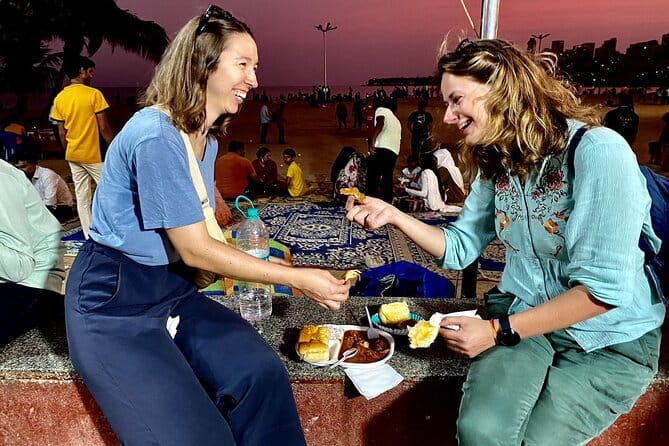
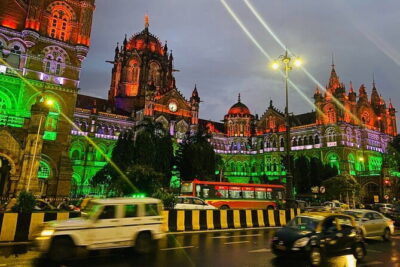
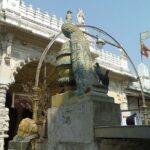
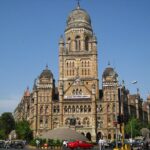
After lunch, the tour threads in major landmarks: the Gateway to India, Crawford Market, and a stop at Chatrapati Shivaji terminus (the tour spells it this way). You’ll get sightseeing without the typical food tour complaint: that you spend more time walking past “views” than eating.
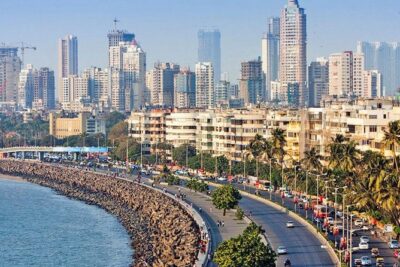
This route also makes sense geographically. South Mumbai is dense with history and civic energy, and the food stops are scattered in a way that keeps the day from feeling like one long transit slog. You’ll see big names in the city while still being supported by the tour’s food-and-tasting structure.
Small caution: these areas can be busy. You’ll get the most out of them if you treat them as photo targets plus context stops, not quiet contemplations. Your guide can help you connect what you see with what you’ll taste next.
You can also read our reviews of more tours and experiences in Mumbai


Dessert Shop Finale: Choosing When Everything Looks Temanding
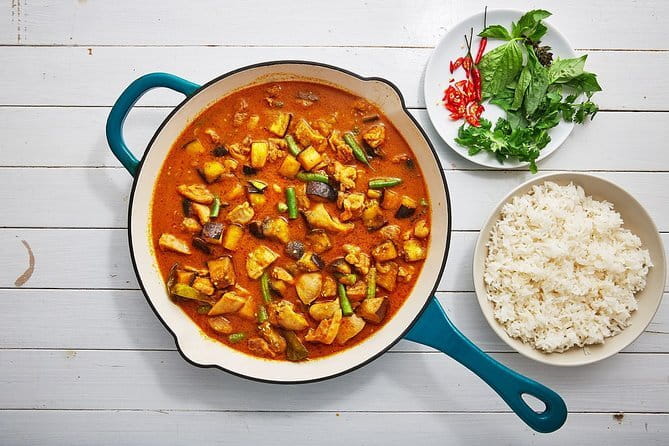
The last stop is an Indian dessert shop, with dozens of desserts on display. This is a smart ending because it finishes the “flavor arc” the day started: chai and spices in the morning, savory regional variety at lunch and tastings, and then sweetness to round it out.
Here’s how I’d approach it if you like to avoid decision fatigue: pick one classic syrupy sweet you’ve heard of, then one something you’ve never tried. That way you leave with both comfort and curiosity. If you’re traveling with friends, splitting selections can also help you sample more without committing to one giant sugary plate.
If you want a smoother finish, pace yourself at earlier tastings. It’s easy to underestimate how heavy desserts can feel after multiple savory bites.
Price and Value: What $85 Actually Buys in a 7-Hour Day
At $85 per person, this tour isn’t the cheapest way to eat in Mumbai. But it includes enough that the price can feel fair once you break it down. You get hotel/port pickup and drop-off, bottled water, street and restaurant tastings, tea, and a three-course lunch. That’s a lot of food and guided routing for one day, plus transportation built into the plan.
Also, it’s structured for ease. You’re not spending your mental energy figuring out where to go, what to order, or how long it takes to get between spots. That’s often the hidden cost of a DIY food day.
One more value angle: the spice market time. Being able to learn what you’re buying—and buying with your new understanding—turns part of the cost into a souvenir you’ll actually use.
Alcohol isn’t included, though it’s available to purchase. If you’re not drinking, you’ll get better mileage from the included food and tea.
Who This Tour Fits Best (and When to Skip It)
This tour is a great fit if you want Mumbai food that covers multiple regions in one day. You’ll get North Indian spice-forward flavors, then coastal South Indian flavors, and you’ll see the city through landmark stops plus local systems like Dhobi Ghat and dabbawallas.
It also works well if you’re the type who enjoys learning while walking. The spice market isn’t only sight-seeing; it’s built around how spices are used—whole, ground, and blended.
Skip or reconsider if you hate crowds or you need a very slow, sit-down-only pace. The plan is full, and even with hotel pickup and drop-off, you’ll still spend time moving between stops.
Should You Book This Tour?
I’d book this if you want a single day that hits Mumbai food culture from multiple angles: open-air laundry life, spice shopping, street bites, regional tastings, and a dessert finale—plus major landmarks around the edges. It’s also a strong choice if you’d rather trust a guide to connect everything for you, including transport between areas.
If you’re already planning a very DIY itinerary with lots of meals you choose on your own, you might not need a guided tasting day. But if you want convenience, variety, and a clear path from chai and spices to lunch to coastal flavors, this one makes practical sense.
FAQ
What time does the tour start?
It starts at 10:00 am.
How long is the full-day tour?
It lasts about 7 hours.
Is the tour small group or private?
It’s described as a private tour/activity, where only your group participates.
What’s included in the price?
The tour includes bottled water, food tastings, a 3-course lunch, and hotel/port pickup and drop-off (plus lunch, tea, and snacks are included).
Is alcohol included?
No. Alcoholic drinks are not included, though they may be available to purchase.
Do I need to bring tickets?
You’ll use a mobile ticket.
Will I have time to buy spices?
Yes. There is time at the Spice Market to browse, and you can buy spices if you want.
Does the tour include landmark stops?
Yes. You’ll visit Gateway to India, Crawford Market, and stop by Chatrapati Shivaji terminus.
What if I cancel last minute?
You can cancel for a full refund if you cancel at least 24 hours before the experience’s start time. If you cancel less than 24 hours before, you won’t be refunded.
Is it only for certain fitness levels?
The info says most travelers can participate, but it is still a full-day schedule with multiple stops. If you have specific mobility concerns, it’s smart to ask the provider beforehand.